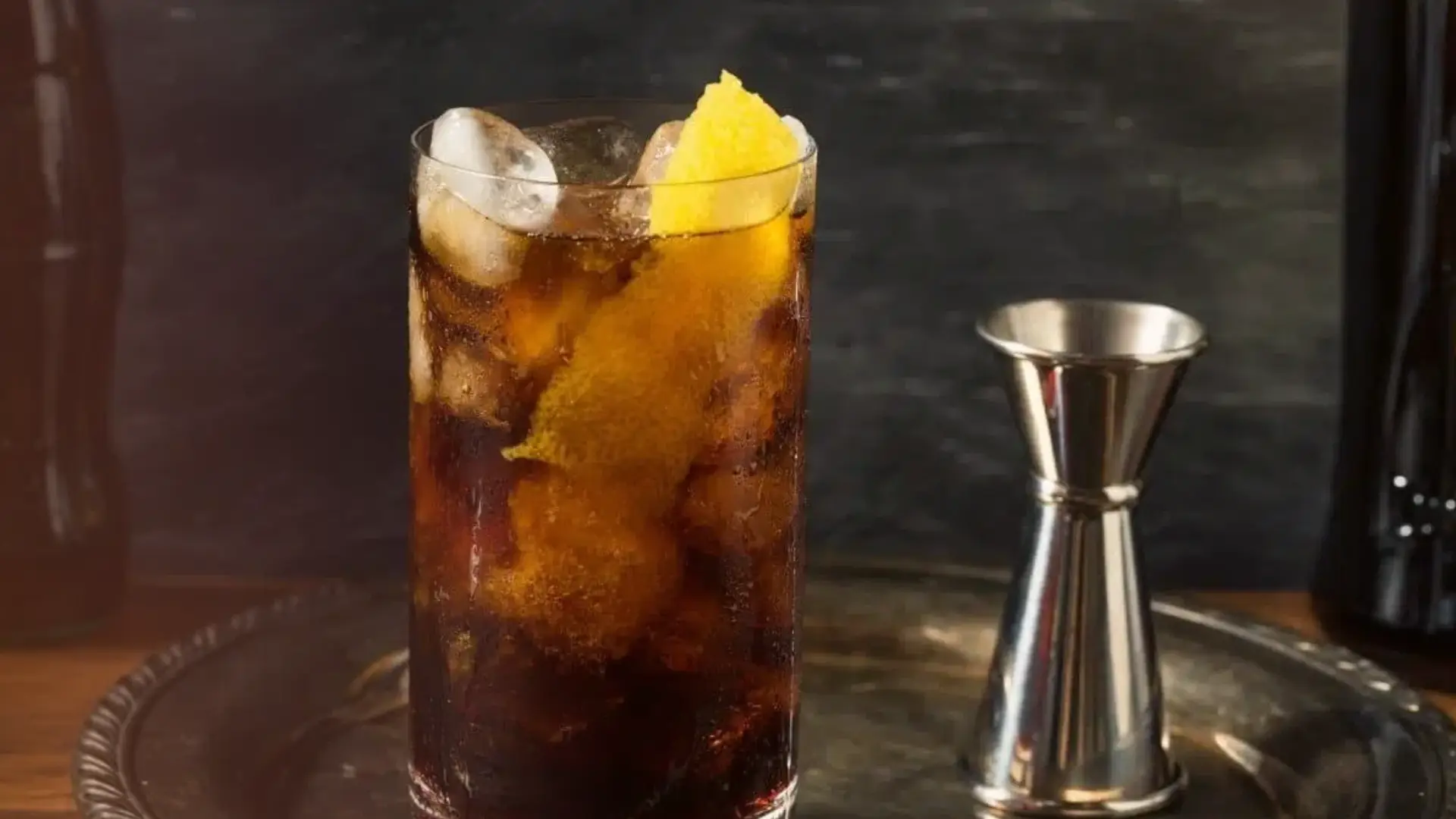
The story begins with Fernet-Branca, created in Milan by Bernardino Branca in 1845. Originally Fernandito developed as a medicinal preparation, Fernet was formulated from a blend of herbs, roots, and spices. Its intense bitterness and high alcohol content positioned it as a digestif rather than a casual mixed drink.
Italian migration to Argentina in the late nineteenth and early twentieth centuries carried this tradition across the Atlantic. Cities such as Buenos Aires and Córdoba became centres of Italian influence, where Fernet retained its presence within immigrant communities. However, its transformation into the Fernandito occurred later, when local preferences reshaped its role.
The addition of cola softened Fernet’s bitterness, introducing sweetness and carbonation that made the drink more accessible. This adaptation did not dilute the spirit’s identity. It expanded it, turning a niche amaro into a widely consumed, mass-appealing mixed drink.
From Milan to the Río de la Plata
On warm evenings in Córdoba, the rhythm of conversation is often set not by wine or beer, but by a tall glass filled with dark liquid, ice, and a rising column of carbonation. The Fernandito, a simple combination of Fernet and cola, is not a cocktail in the traditional sense of layered technique or historical codification. It is something more embedded. It is a drink that reflects migration, adaptation, and the transformation of a medicinal amaro into a defining element of national identity.
What makes the Fernandito remarkable is not complexity, but scale. Argentina is widely regarded as one of the world’s most important markets for Fernet, a shift that recontextualises a nineteenth-century Italian bitter as a cornerstone of modern drinking culture.
Córdoba and the Rise of a Cultural Standard
While Fernet was present across Argentina, Córdoba is the place most strongly associated with Fernandito’s modern identity. By the late twentieth century, the combination of Fernet and cola had become deeply embedded in the city’s social fabric, particularly among younger drinkers.
The proportion itself became a point of identity. Unlike fixed cocktail recipes, the Fernandito often follows a flexible structure, with local preference shaping how assertive or approachable the drink becomes. This flexibility allows the bitterness to remain present while being moderated by sweetness and effervescence.
The drink’s popularity in Córdoba eventually spread nationwide, transforming it into Argentina’s most recognisable mixed drink. Today, ordering Fernet with cola is not a variation. It is the default, reflecting how regional preference can redefine a product’s global identity.
Bitterness, Sugar, and the Mechanics of Balance
At first glance, the Fernandito appears structurally simple. Yet its balance depends on several technical factors that determine its final profile. Fernet-Branca’s intensity requires sufficient dilution and sweetness to avoid overwhelming the palate. Cola provides both, introducing carbonation that lifts the drink and sugar that tempers its bitterness.
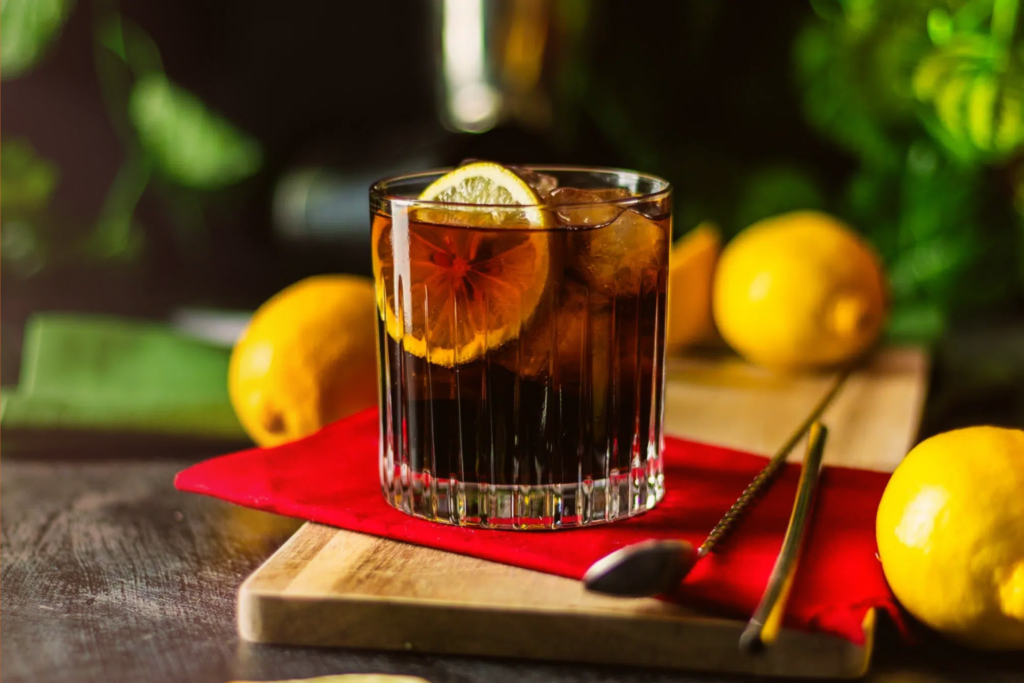
The interaction between these elements is dynamic. Carbonation enhances aroma and perceived freshness, while ice controls dilution over time. The result is a drink that evolves as it is consumed, shifting from initial intensity to a more integrated profile.
This interplay highlights a broader principle. Even in a two-ingredient drink, balance is achieved through proportion, temperature, and time, not just composition.
Brand Identity and Market Dominance
Unlike many cocktails that exist independently of specific brands, the Fernandito is closely tied to Fernet-Branca. The brand has a dominant cultural association with Fernet consumption in Argentina, where its name is often treated almost synonymously with the category.
Argentina has become one of Fernet-Branca’s most important markets, reinforcing the association between the brand and the drink. This has made Fernet-Branca not just an ingredient, but a cultural symbol within Argentina.
While other amari exist, few have achieved comparable integration into a single national drinking habit.
From Informal Mix to Bar Program Inclusion
For decades, the Fernandito existed primarily outside formal bar programs, consumed in homes, gatherings, and informal settings. Its simplicity and accessibility made it ubiquitous, yet it was rarely positioned within curated cocktail menus.
This has begun to change. In cities like Buenos Aires, bars with a focus on Argentine ingredients and identity have used Fernet in broader cocktail narratives, presenting the ingredient in both familiar and reinterpreted forms.
Even in international bars, the Fernandito appears as a cultural reference point, illustrating how a two-ingredient drink can carry as much meaning as more complex constructions.
Cultural Function and Social Ritual
The Fernandito’s role extends beyond flavour. It functions as a social anchor, often prepared in shared quantities and served among groups rather than individually. This communal aspect distinguishes it from many classic cocktails, which are typically ordered and consumed individually.
Its association with youth culture, music, and informal gatherings reinforces its identity as a drink of participation rather than presentation. The act of combining Fernet and cola, often done casually and without formal measurement, becomes part of the experience itself.
This informality does not diminish its significance. It highlights how cocktails can exist outside traditional bar structures while maintaining strong cultural relevance.
Details That Define the Experience
One of the most overlooked aspects of the Fernandito is its sensitivity to proportion. Small changes can dramatically alter the drink’s profile, shifting it from balanced to overly bitter or excessively sweet.
Temperature and carbonation are equally critical. Well-chilled cola preserves effervescence, ensuring that the drink remains lively rather than flat. Ice quality influences dilution, affecting how quickly the bitterness integrates.
Another detail lies in its glassware. While often served in simple tumblers, the height of the glass can influence carbonation retention and aromatic perception, subtly shaping the drinking experience.

Renowned international hospitality consultant, founder of Barpartners, and IBA Vice President of Classic Mixology, bringing over 25 years of luxury hotel bar operations.

In partnership with International Bartenders Association
The International Bartenders’ Association stands at the crossroads of exchange between new and established generations of professionals.
Bar
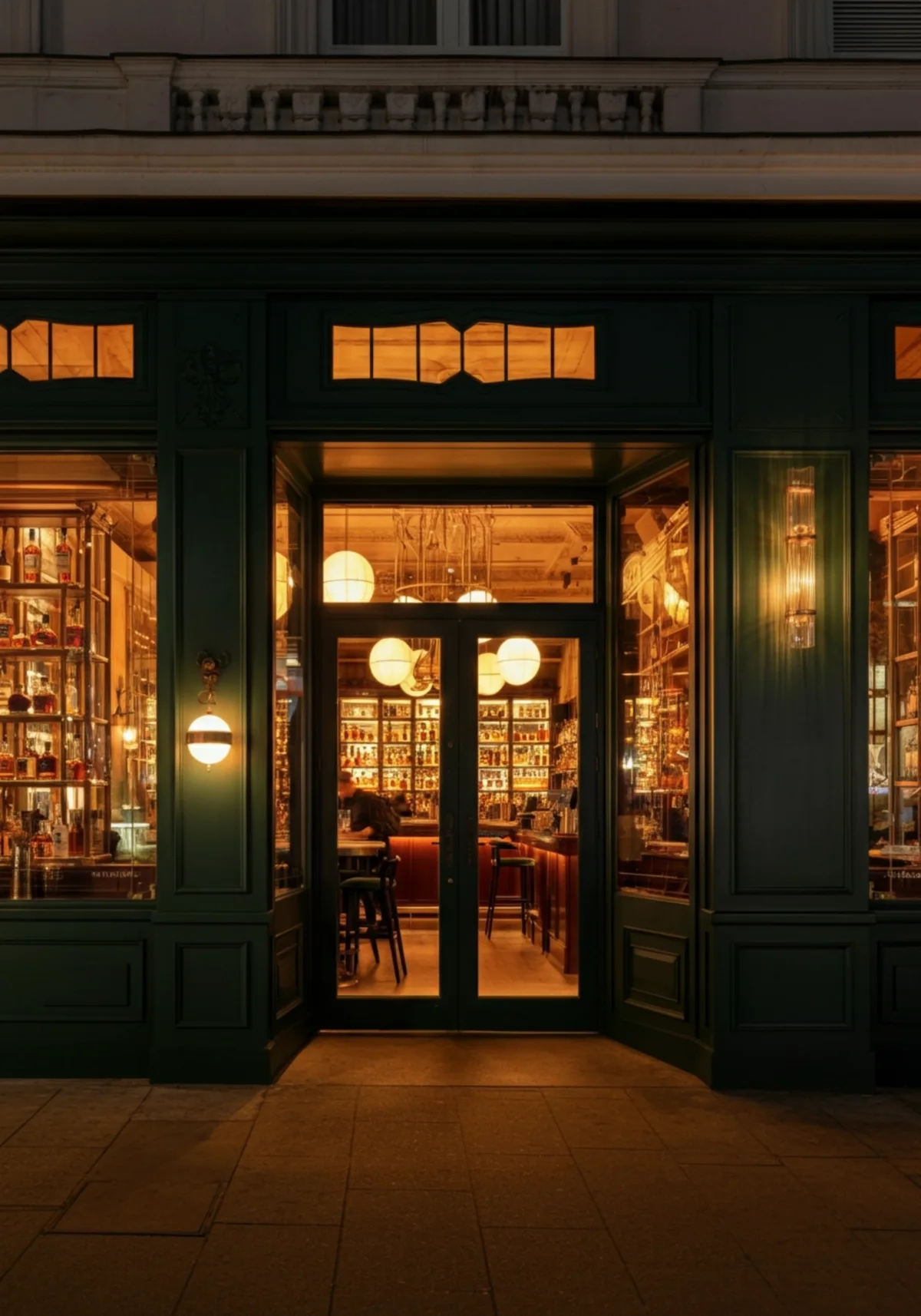
Florería Atlántico is an iconic cocktail bar located at Arroyo 872 in Buenos Aires, Argentina, uniquely positioned beneath…
Spirit
Fernet Branca, an iconic Italian amaro, embodies a unique and complex liqueur experience deeply steeped in tradition and…

Spirit
Fernet 1882 Herbal Infusion Liqueur
Fernet 1882 is a high-quality herbal liqueur known for its complex flavor profile and high proof. Standing out…
Spirit
Fernet Dei Fratelli Loreto Herbaceous Amaro Liqueur
Fernet dei Fratelli Loreto is an extraordinary herbaceous amaro liqueur, expertly crafted in Oregon, USA. Taking influence from…

Bars and Cocktails
Hospitality and Cocktail Culture: The Foundation of Bartending
A well-made cocktail may earn attention, but hospitality determines the meaning of the exchange. It begins before an order is taken, in the way a guest is acknowledged, understood and given a place within the room. Bartending becomes hospitality when technical skill is directed towards another person rather than displayed for its own sake. Service […]
September 29, 2026
Partnership
Illegal Cocktail: The Mezcal Cocktail That Reframes the Daiquiri Structure
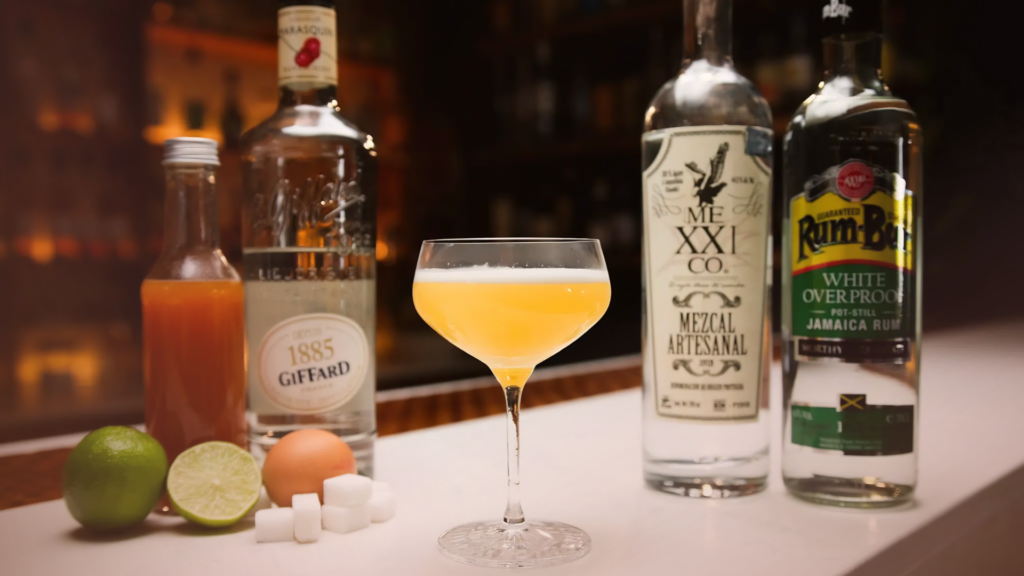
The Illegal cocktail follows a familiar outline, but the result is distinctly different. Built around mezcal, lime, falernum, maraschino, simple syrup, and a measure of Jamaican overproof rum, it takes the logic of a sour and shifts it into a drier, more aromatic profile. The drink is credited to Italian bartender Samuele Ambrosi, with its […]
September 24, 2026
Partnership
IBA Tiki: Codifying Tropical Structure Within Modern Cocktail Standards
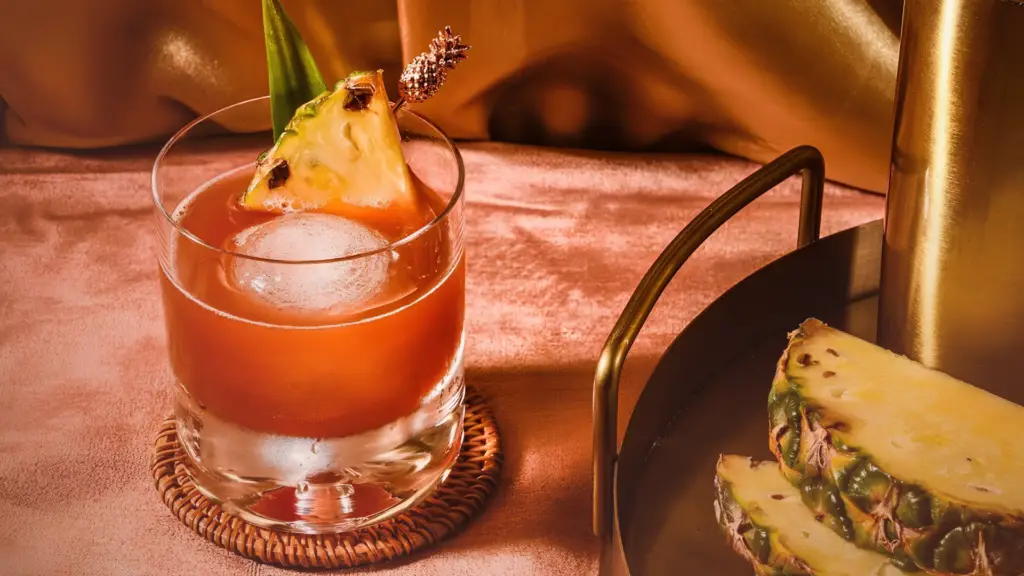
Tiki has never been a single drink, but in this case the name points to one specific modern cocktail. The IBA Tiki is not a broad label for tropical classics such as the Mai Tai or the Zombie. It is a defined drink connected to the International Bartenders Association, Cuban bartending culture, and a recent […]
September 17, 2026