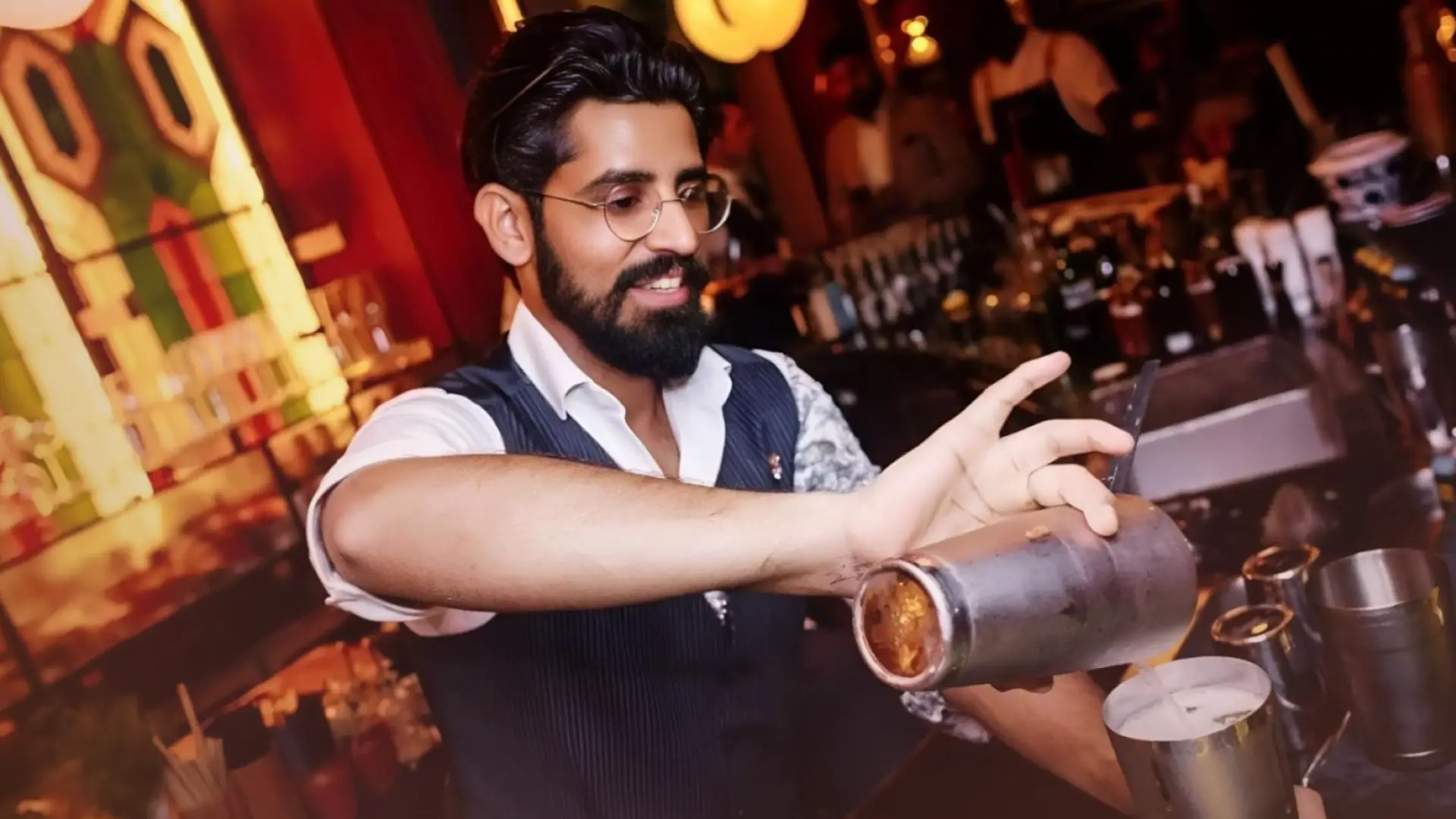
A well-made cocktail may earn attention, but hospitality determines the meaning of the exchange. It begins before an order is taken, in the way a guest is acknowledged, understood and given a place within the room. Bartending becomes hospitality when technical skill is directed towards another person rather than displayed for its own sake.
Service and hospitality are related, but they are not identical. Service concerns the competent delivery of what has been requested. Hospitality concerns how that delivery is experienced. A drink may arrive quickly and accurately while the interaction still feels indifferent. Conversely, a warm welcome cannot compensate for careless work. The profession depends on both.
The role of the host has always extended beyond the transaction. In any successful drinking place, someone needs to notice who has arrived, understand the tone of the room and maintain a sense of order without making that control feel heavy. The modern bartender inherits this responsibility whether working in a neighbourhood venue, a hotel lounge or a high-volume cocktail bar.
Danny Meyer and Contemporary Hospitality
Danny Meyer’s work in the restaurant world helped give contemporary hospitality a more formal language. Union Square Hospitality Group describes hospitality as a disciplined system of care extending beyond the guest to colleagues, communities and other stakeholders. Its Hospitality Quotient programme also presents hospitality as a capacity that can be developed through culture, leadership and decision-making rather than treated as personality alone.
Behind the bar, this discipline appears in small decisions. A guest who is uncertain may need guidance without pressure. Someone celebrating may welcome a little ceremony, while another person may prefer privacy. A regular should be recognised without having their habits announced to the room. Hospitality depends on reading these differences and responding without making the response feel calculated.
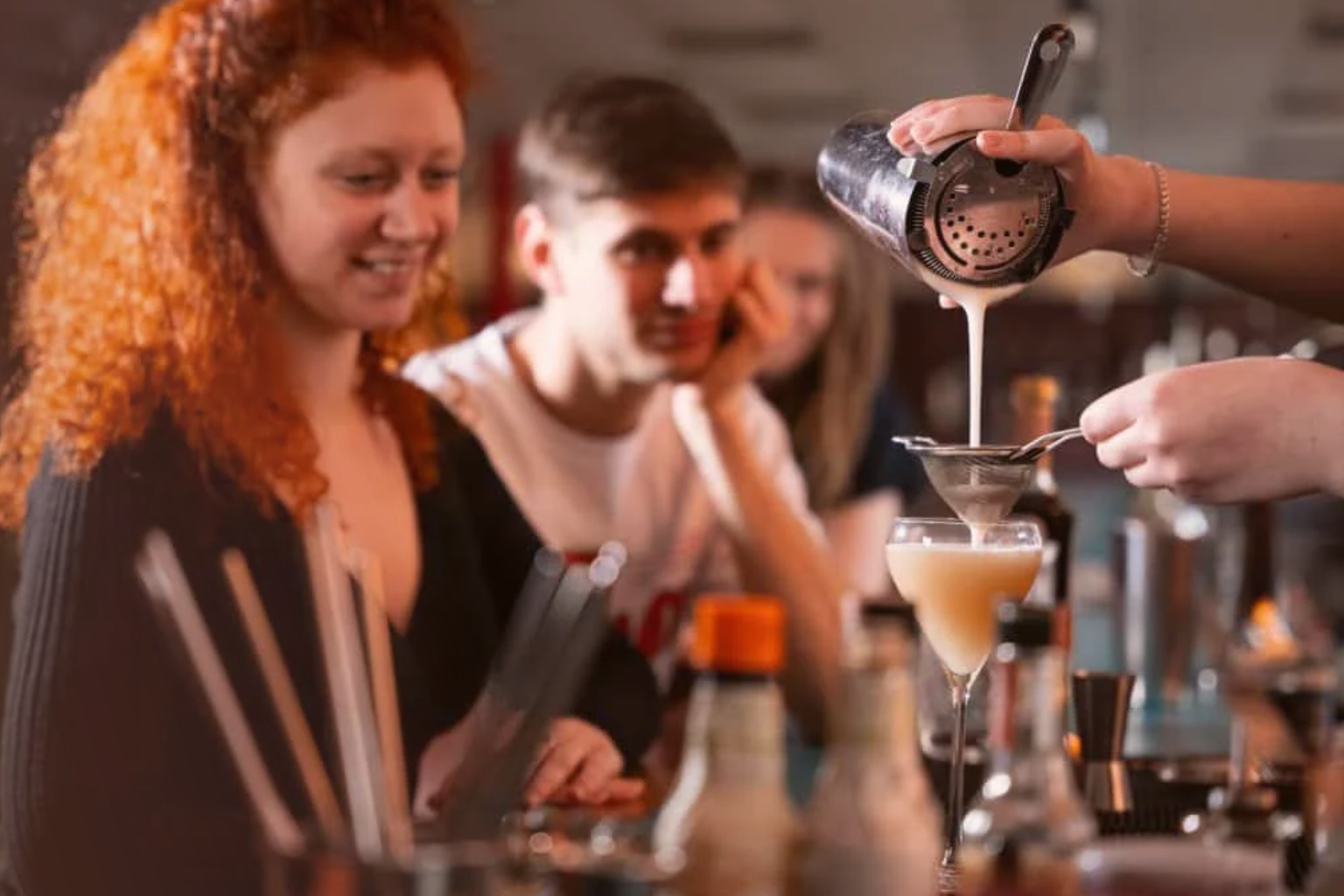
Knowledge supports that sensitivity. The bartender needs to explain ingredients clearly, recognise dietary or allergy concerns, offer alcohol-free choices without condescension and understand when responsible service requires restraint. None of these actions is separate from hospitality. They are forms of care expressed through professional judgement.
Timing gives these choices their meaning. A recommendation offered too soon may feel like pressure, while a delayed acknowledgement can make a guest feel invisible even in a busy room. Hospitality does not require constant conversation. It requires enough awareness to recognise when engagement will help and when discretion will serve the guest better.
The team behind the bar shapes this experience collectively. Guests notice when colleagues communicate well, support one another and handle mistakes calmly. Internal tension is difficult to hide, just as a strong team culture can make a busy room feel composed. Hospitality therefore begins before the doors open, in training, preparation and the way staff members treat one another.
The physical environment matters, but it cannot replace human attention. Lighting, music, seating and menu design can create comfort, yet they remain incomplete if the guest feels ignored or judged. The room provides the conditions for hospitality; people give those conditions meaning.
Mistakes offer one of the clearest tests. A delayed drink, misunderstood order or unsuitable recommendation does not have to define the visit. What matters is whether the problem is recognised, addressed honestly and corrected without defensiveness. A well-handled mistake can reveal more about a bar’s values than a service in which nothing goes wrong.
Hospitality is not the performance of friendliness. It is the practice of making another person feel considered while maintaining professional boundaries and standards. The best bartenders do not impose one style of interaction on every guest. They create trust by adapting without losing the character of the bar.
The cocktail remains important, but it is carried within a larger human exchange. Hospitality gives technique its purpose, turning preparation into service and service into relationship. That is why it forms the foundation of bartending: the drink may begin the conversation, but care is what allows the guest to feel that the conversation was meant for them.

Renowned international hospitality consultant, founder of Barpartners, and IBA Vice President of Classic Mixology, bringing over 25 years of luxury hotel bar operations.

In partnership with International Bartenders Association
The International Bartenders’ Association stands at the crossroads of exchange between new and established generations of professionals.
Bar
In Osaka’s cocktail landscape, Juniper has established itself as a refined destination for lovers of gin and meticulously…
Bar
Bodega Bar At The Berkshire Room
Bodega Bar at The Berkshire Room has been a standout in Chicago’s nightlife since opening in 2017. Conceived…

Bar
Bar Cobra occupies a relaxed, industrial‑chic space in one of Prague’s most dynamic neighbourhoods, offering a blend of…
Bar
In Milan’s dynamic cocktail scene, Drinc has quickly become synonymous with creativity and energy. The bar thrives on…
Bar
Bar Anima HK is a refined cocktail bar in Central, Hong Kong that’s built a reputation for thoughtful…
Bar
Coley Cocktail Bar is a distinguished establishment located in the vibrant neighborhood of Bangsar in Kuala Lumpur, Malaysia.…
Partnership
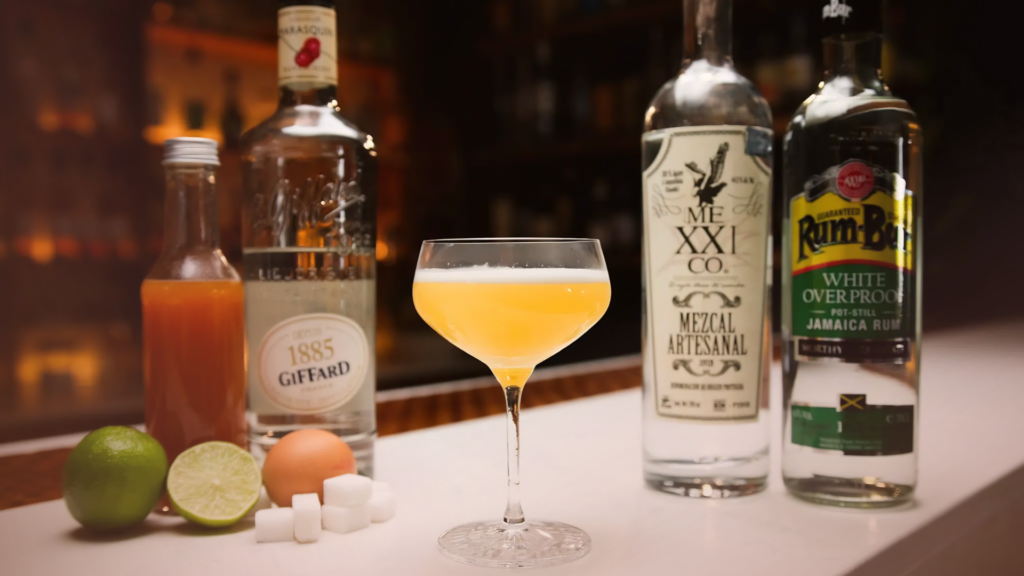
Illegal Cocktail: The Mezcal Cocktail That Reframes the Daiquiri Structure
The Illegal cocktail follows a familiar outline, but the result is distinctly different. Built around mezcal, lime, falernum, maraschino, simple syrup, and a measure of Jamaican overproof rum, it takes the logic of a sour and shifts it into a drier, more aromatic profile. The drink is credited to Italian bartender Samuele Ambrosi, with its […]
September 24, 2026
Partnership
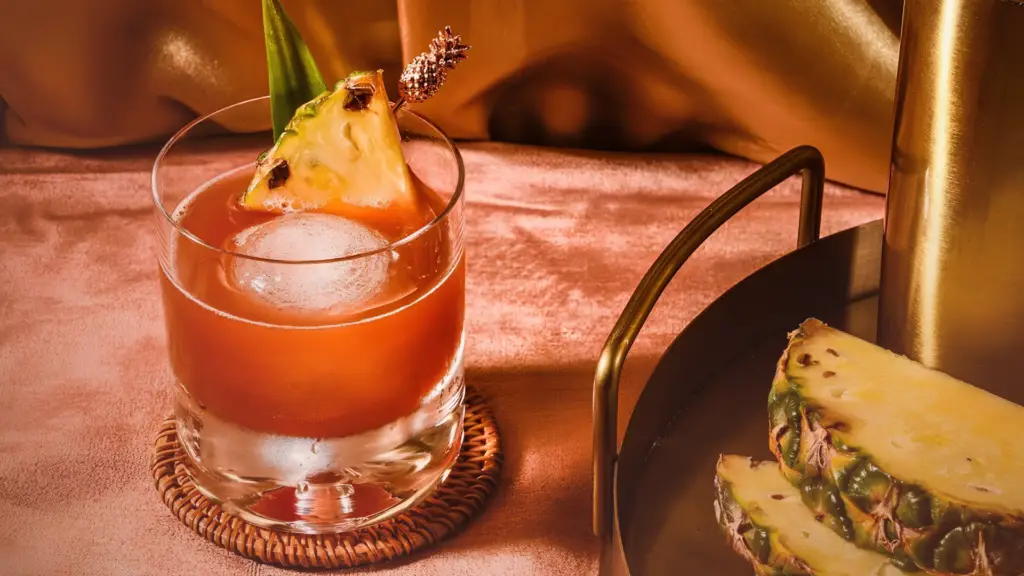
IBA Tiki: Codifying Tropical Structure Within Modern Cocktail Standards
Tiki has never been a single drink, but in this case the name points to one specific modern cocktail. The IBA Tiki is not a broad label for tropical classics such as the Mai Tai or the Zombie. It is a defined drink connected to the International Bartenders Association, Cuban bartending culture, and a recent […]
September 17, 2026
Cocktails
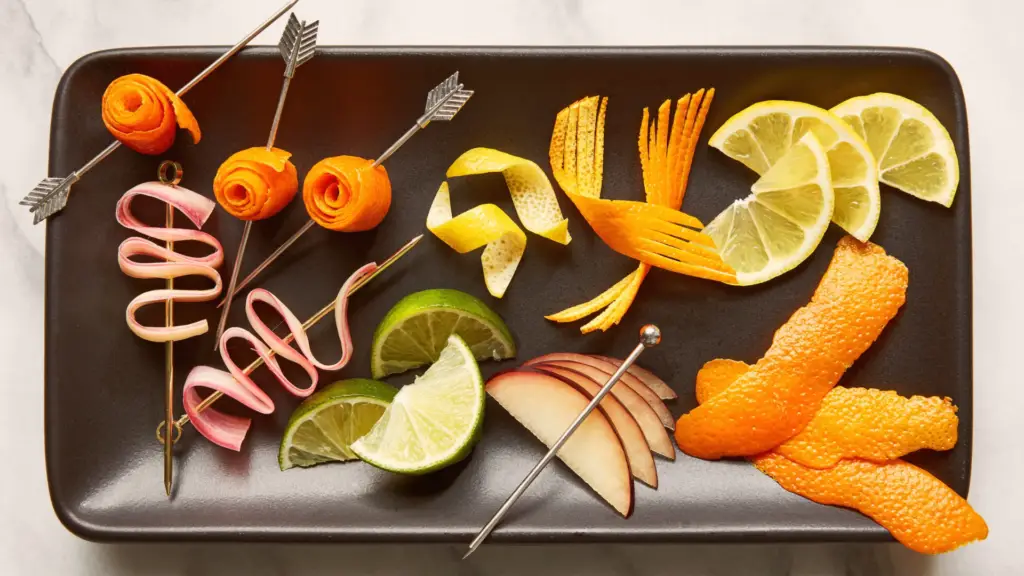
Garnish and the Final Expression of the Cocktail
The Garnish arrives at the end of preparation, yet it often leads the guest’s first impression. Before the drink reaches the palate, the eye registers colour and form while the nose encounters aroma rising from the glass. Garnish therefore belongs to the sensory language of the cocktail. It can clarify identity, prepare expectations, and complete […]
September 15, 2026