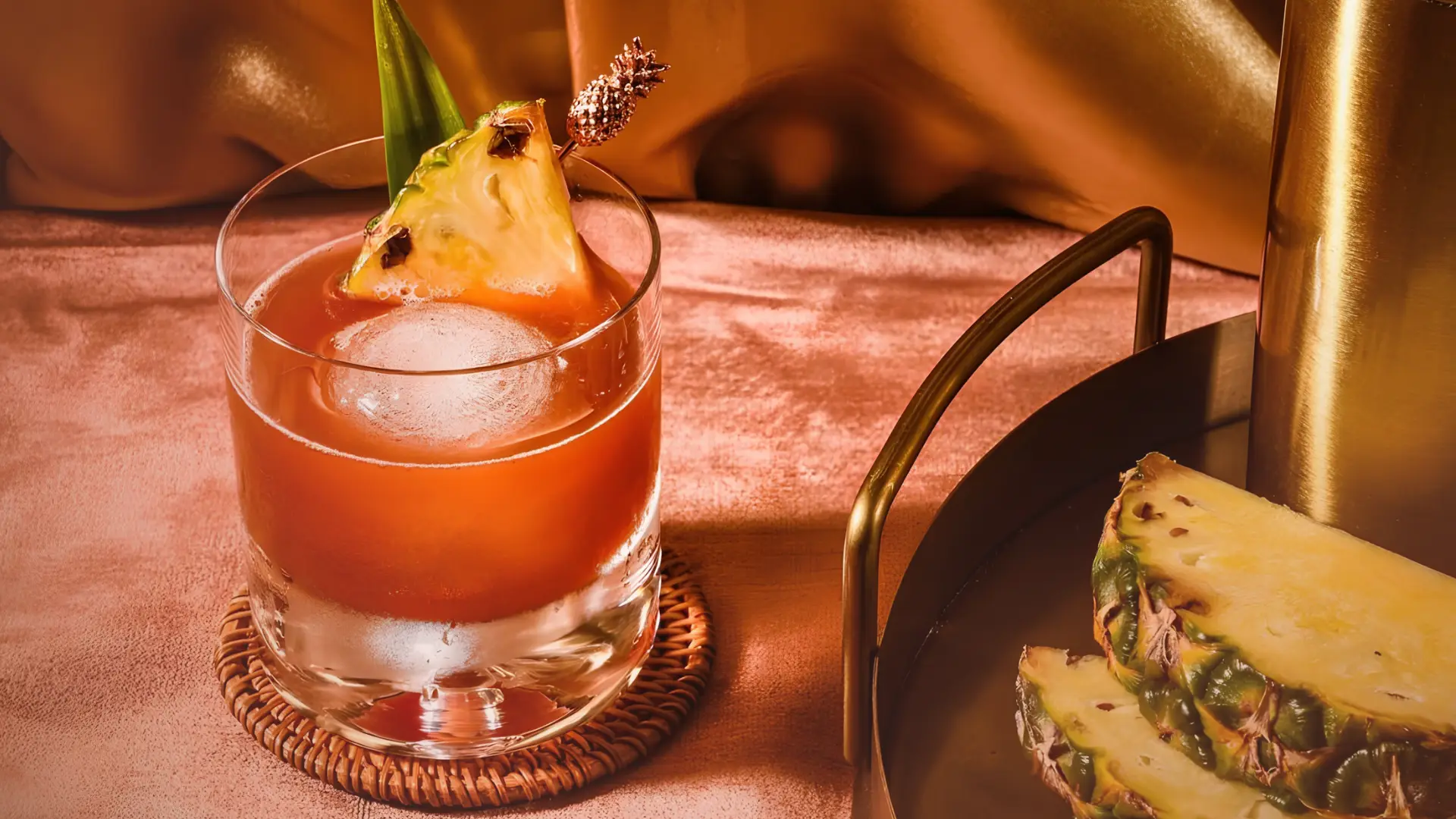
Tiki has never been a single drink, but in this case the name points to one specific modern cocktail. The IBA Tiki is not a broad label for tropical classics such as the Mai Tai or the Zombie. It is a defined drink connected to the International Bartenders Association, Cuban bartending culture, and a recent attempt to place contemporary tropical construction within a formal international standard.
The cocktail is credited to Cuban bartender Diosmel Mendoza Medrano and is associated with the 69th IBA World Cocktail Championship, held in Cuba in 2022. Its later inclusion in the IBA list placed it among the New Era Drinks, where it sits not as a historical tiki classic, but as a modern institutional expression of the style.
From Bar Culture to IBA Standardisation
The wider origins of tiki are tied to individual operators rather than institutions. Donn Beach at Don the Beachcomber and Victor J. Bergeron at Trader Vic’s developed much of the early framework during the 1930s and 1940s, often working with layered rum blends, fruit, spice, and controlled dilution. Recipes were sometimes obscured or divided into coded components to protect house formulas.
The IBA Tiki belongs to a different moment. It was not born from the early American tiki boom, but from a contemporary setting in which the style was already historic, referenced, and globally understood. Its connection to El Polinesio at the Habana Libre hotel in Havana gives the drink a meaningful venue context, especially because that location carries its own link to the wider history of tiki-themed hospitality.
This distinction matters. The IBA Tiki is not an old drink rediscovered through archives. It is a modern cocktail that uses tiki language with full awareness of the tradition behind it.
Structure and Layering
The IBA Tiki follows the broad logic of tropical construction: layered rum character, fruit acidity, aromatic sweetness, spice, and visual presentation. Yet it does so through a more codified and contemporary lens.
The Rum base is not treated as a single block of alcohol. It is divided into complementary profiles, allowing depth, weight, and smoke to operate together. Fruit elements provide both acidity and body, while nut-based liqueurs and maraschino add aromatic sweetness rather than simple sugar alone.
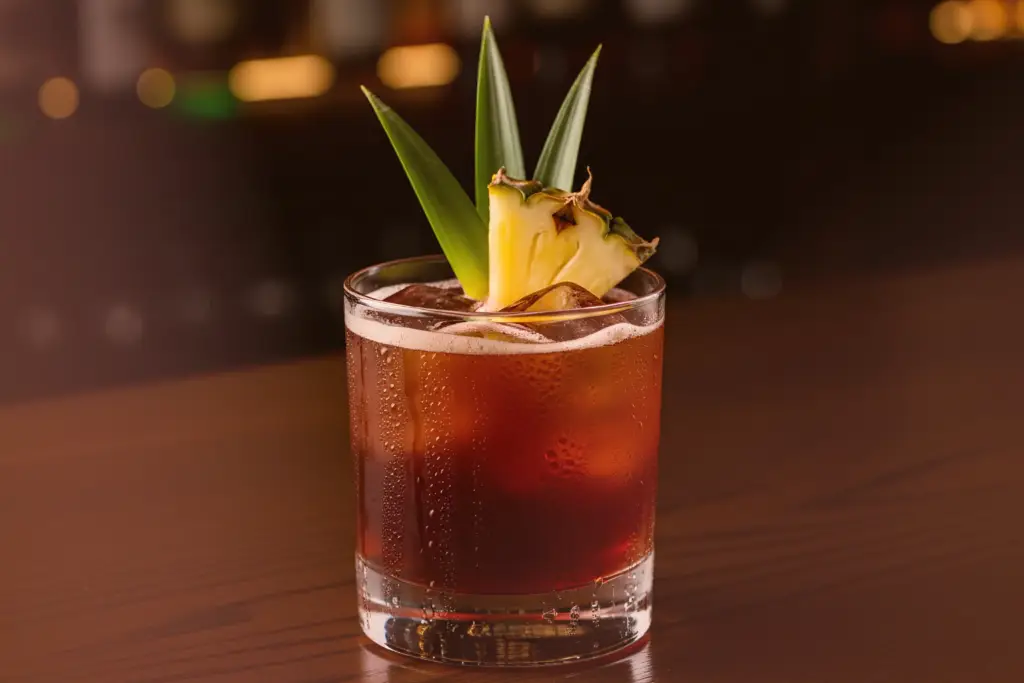
This is where the drink differs from a basic tropical highball or juice-forward mix. Its structure depends on several ingredients performing separate functions at once. Rum provides weight. Pineapple gives volume and texture. Passion fruit adds fragrant acidity. Lime sharpens the frame. Ginger introduces spice and movement. The liqueurs supply a rounded, nutty middle that links the fruit and spirit components.
Technique and Control
A drink with this many moving parts can easily become heavy or indistinct. The IBA Tiki depends on integration, temperature, and dilution to keep its structure legible.
The tropical format often gives an impression of abundance, but that abundance only works when the ingredients remain controlled. Fruit can dominate if acidity is not focused. Liqueurs can thicken the drink if dilution is insufficient. Rum can disappear if the fruit structure becomes too broad. The success of the cocktail lies in preventing those elements from collapsing into one another.
This is why the IBA Tiki is better understood as a technical standard than as a decorative tropical drink. Its purpose is not simply to look tropical. It shows how a contemporary tiki structure can be made repeatable within an international cocktail framework.
Cuba, El Polinesio, and a Modern Tiki Reference
The Cuban setting gives the IBA Tiki a more specific identity than many modern tropical cocktails. El Polinesio at the Habana Libre hotel is not just an arbitrary venue. It connects the drink to a place where Cuban hospitality, hotel culture, and tiki aesthetics intersect.
That connection does not make the IBA Tiki an heir to the original mid-century American tiki movement in a direct line. It places the drink in dialogue with that history. The cocktail looks back to tiki’s visual and structural language while also reflecting contemporary Cuban bartending and the international role of the IBA.
In that sense, the drink is both local and institutional. It carries a Cuban point of origin, but its purpose is international recognition and repeatability.
Contemporary Relevance
The inclusion of the IBA Tiki among the International Bartenders Association’s New Era Drinks reflects a broader shift in how tropical cocktails are understood. Tiki is no longer treated only as spectacle, escapism, or retro presentation. At its best, it is recognised as a demanding form of cocktail architecture.
The IBA Tiki makes that point through codification. It takes a style historically tied to secrecy, house recipes, and bar-specific identity, then presents it as a formal standard. That transition is significant because it changes the way tiki can be taught, judged, and discussed in professional settings.
Its relevance lies not in replacing older tiki classics, but in showing how the style can be translated into a contemporary international language.
Details That Define the Drink
The IBA Tiki is defined by concentration and contrast. It is fruit-driven, but not only fruity. It is rum-based, but not only spirit-led. It uses sweetness, but that sweetness is split across several aromatic sources rather than delivered through one simple channel.
This layered construction makes the drink vulnerable to imbalance, but also gives it its identity. Each part must be present without becoming isolated. The best reading of the cocktail is not as a modern imitation of tiki, but as a statement about how the category can be formalised without losing its sense of movement, colour, and density.
The defining idea is codification. The IBA Tiki turns a historically loose and bar-driven style into a single, named structure, carrying tiki language into the official cocktail canon through a modern Cuban creation.

Renowned international hospitality consultant, founder of Barpartners, and IBA Vice President of Classic Mixology, bringing over 25 years of luxury hotel bar operations.

In partnership with International Bartenders Association
The International Bartenders’ Association stands at the crossroads of exchange between new and established generations of professionals.
Bar
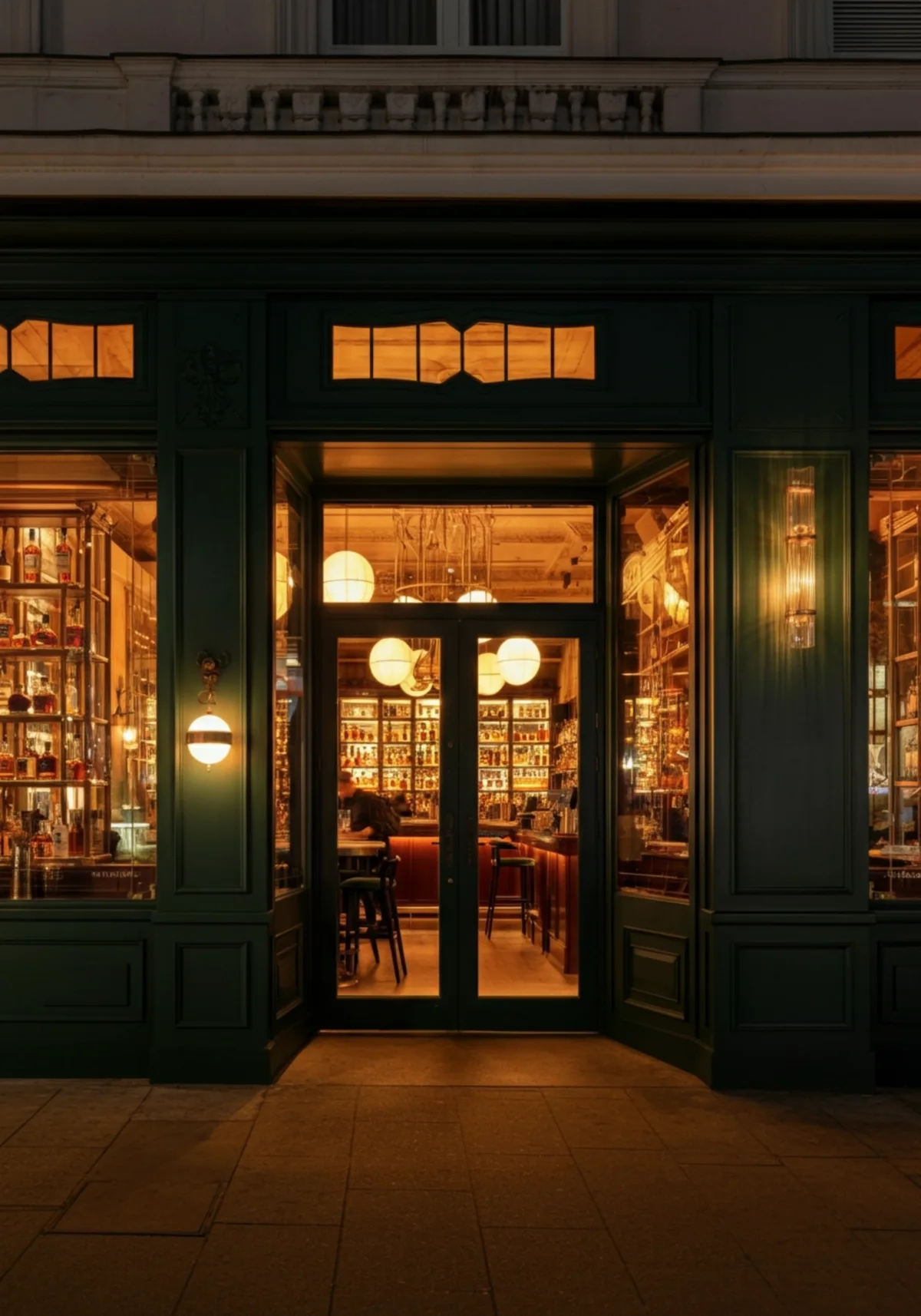
Don Bar is a contemporary cocktail venue in Barcelona that has gained recognition for its dedication to craft…
Cocktail
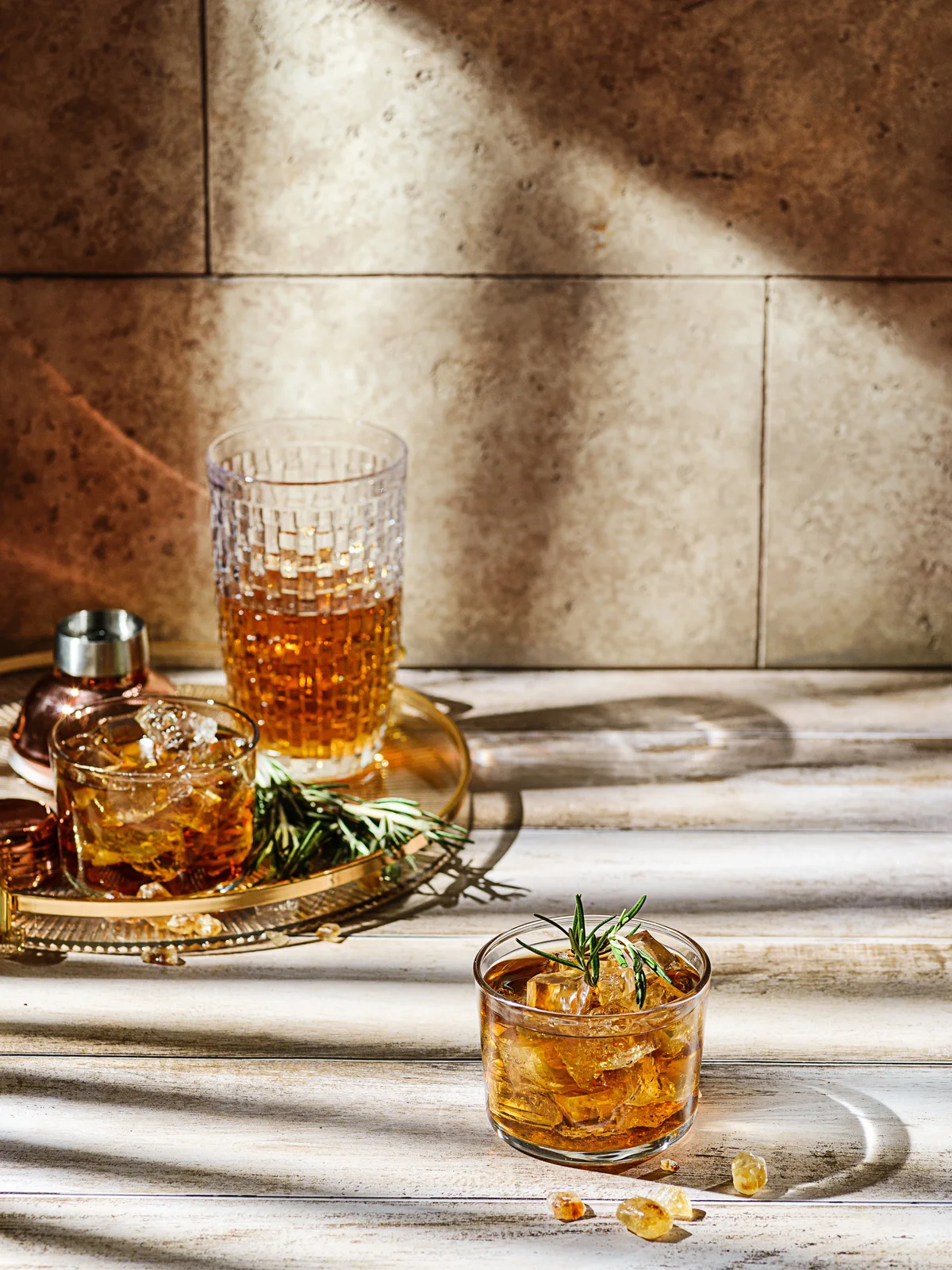
The Mai Tai is one of the most iconic creations of mid-twentieth-century tiki culture, a cocktail that has…
Cocktail
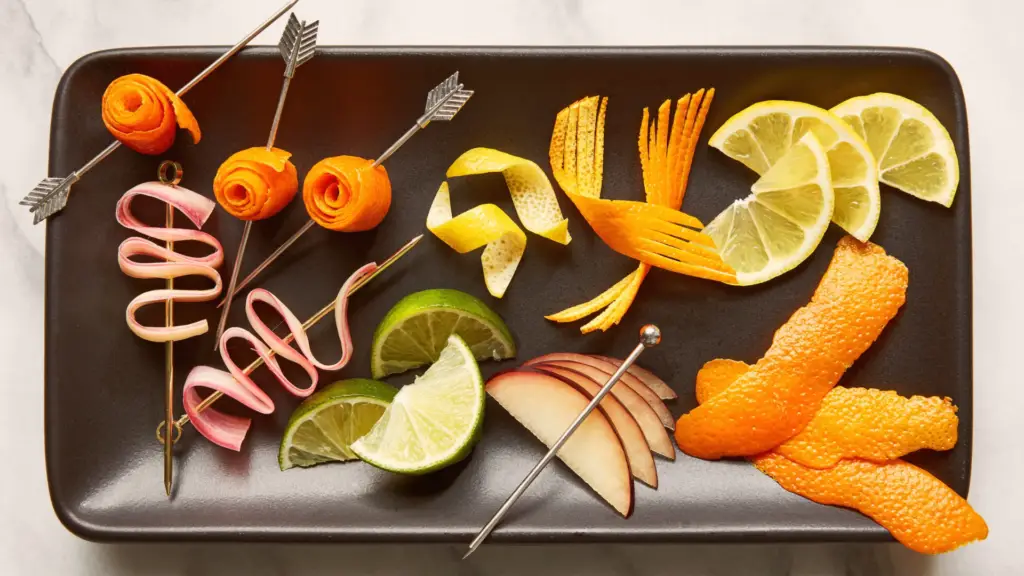
The Zombie is a legendary tiki cocktail, celebrated for its potent combination of rums, tropical fruit juices, and…
Cocktails
Garnish and the Final Expression of the Cocktail
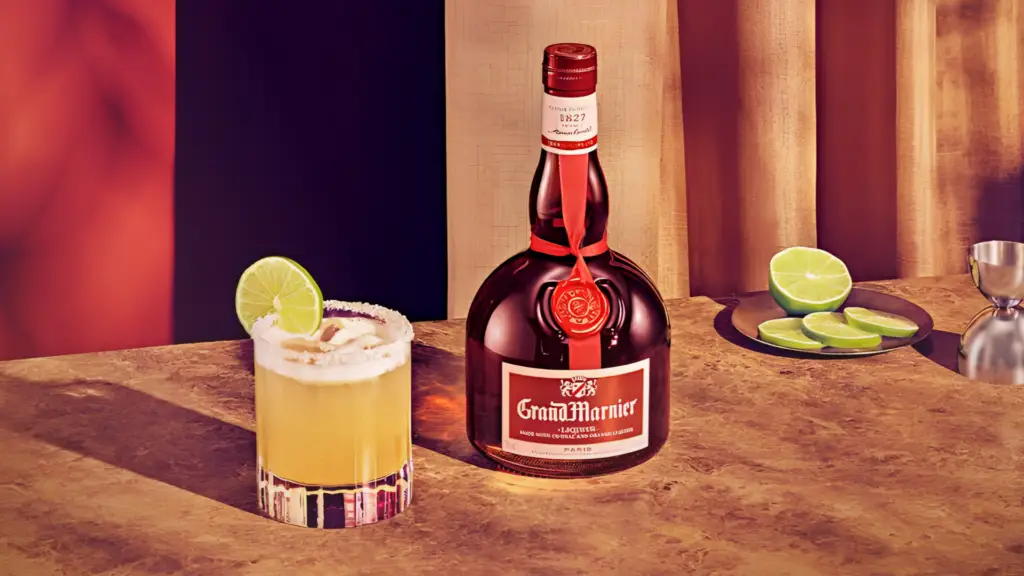
The Garnish arrives at the end of preparation, yet it often leads the guest’s first impression. Before the drink reaches the palate, the eye registers colour and form while the nose encounters aroma rising from the glass. Garnish therefore belongs to the sensory language of the cocktail. It can clarify identity, prepare expectations, and complete […]
September 15, 2026
Partnership
Grand Margarita: The Margarita Variation Defined by Liqueur Choice
The shift from a standard Margarita to a Grand Margarita happens in a single substitution, but the change is immediate in the glass. Where most builds rely on lighter orange liqueurs, this version is structured around Grand Marnier, introducing a deeper, more weighted profile that alters how the drink is perceived from the first sip. […]
September 10, 2026
Trending
World Class 2026 and Dubai’s Rise as a Global Cocktail Culture Hub
From bartender competition to global industry platform The modern cocktail world has developed far beyond the traditional image of the bartender as a skilled server behind a bar. Over the past two decades, bartending has increasingly been recognised as a professional discipline built on technical knowledge, hospitality, creativity and a deeper understanding of spirits. Few […]
September 8, 2026