The Whisky Loch was not a natural disaster, though it left parts of Scotch whisky looking like a flooded landscape.
It was a man-made surplus, created when production confidence outran demand. In the 1970s, Scotch whisky expanded with the conviction of an industry that believed the world would keep drinking more. Stills ran, casks filled, warehouses grew, and companies planned for a future that looked larger than the market that eventually arrived.
By the early 1980s, the optimism had turned into excess. Demand weakened, inventories swelled, and distillers faced the uncomfortable truth that whisky made in one decade could become a financial burden in the next. The result became known as the Whisky Loch, a phrase that captured the strange image of Scotland sitting on too much whisky.
Its consequences were severe. Distilleries were closed, workforces were reduced, production was cut, and names that had once seemed ordinary within blending inventories became silent. Some buildings were stripped or demolished. Others survived as empty shells, museums, warehouses, or local memories.
The irony came later. The distilleries that had looked expendable in the crisis became some of the most powerful ghosts in modern whisky culture.
The Rise and Collapse of the Whisky Loch
The Whisky Loch cannot be understood without the confidence that came before it.
Scotch whisky had already become an international product by the twentieth century, built through blending houses, export markets, grain whisky, malt whisky, and the discipline of producing large volumes for consistent brands. By the 1970s, that system was operating with considerable ambition.
Companies expanded production because whisky takes time. A bottle sold in the future must begin as spirit years earlier, and planning requires confidence long before demand is proven. If a company expects growth, it must distil ahead of it.
That logic made sense until the assumptions changed. Economic difficulty, shifting drinking habits, inflation, competition from other drinks, and weaker consumer demand all made the market less certain. Whisky was still valuable, but there was too much of it waiting to be sold.
The industry’s long production cycle made the problem worse. Beer, vodka, gin, and many other drinks can respond more quickly to market shifts. Scotch whisky matures slowly, so a mistake made in production planning can remain in wood for years.
Why the Loch Was So Deep
The phrase Whisky Loch works because it suggests volume without movement.
Whisky was not useless. It was simply too abundant for the demand available at the time. Warehouses held stock that represented labour, barley, energy, cask investment, financing, and expectation, yet the market could not absorb it quickly enough.
This was a structural problem, not only a sales problem. Scotch companies had built production systems around future growth, but when demand slowed, those same systems became too large. Distilleries that had seemed necessary for supply suddenly looked vulnerable.
Blended Scotch was central to the calculation. Many malt distilleries existed primarily to supply blends rather than to sell single malts under their own names. If blend demand weakened or companies needed to rebalance stocks, some malt sites became easier to sacrifice.
That does not mean the closed distilleries lacked quality. It means their value was judged through the industrial logic of the time. A distillery could be historically interesting, technically distinctive, and still be commercially exposed if its output no longer fitted corporate stock needs.
The Closures
The early 1980s brought one of the most painful correction periods in modern Scotch whisky.
Production was reduced, and a long list of distilleries was closed, mothballed, or demolished. The names often associated with the Whisky Loch include Brora, Port Ellen, Dallas Dhu, Banff, Coleburn, Convalmore, Glen Albyn, Glenesk, Glenlochy, Glen Mhor, Glenugie, Glenury Royal, Millburn, North Port, and St Magdalene.
Some closures were later remembered more strongly than others because stock survived and developed a reputation in bottle. Others became harder to recover because equipment was removed, buildings were lost, or public memory faded.
The loss was not only architectural. Distilleries carry working knowledge: still behaviour, cut points, fermentation habits, local repair methods, cask routines, and informal judgement passed between people. When production stops, that knowledge does not always wait patiently for revival.
This is the real damage hidden behind the romance of ghost distilleries. A closed distillery may leave stock behind, but the living system that made it can disappear.
Port Ellen and the Islay Ghost
Founded in the 19th century on Islay, Port Ellen had long been part of the island’s whisky landscape. Before closure, much of its production served blending requirements, which was common for malt distilleries in the wider Scotch system.
When Port Ellen closed in 1983, its stills were eventually lost, and parts of the site were altered, although the maltings continued to serve an important function on Islay. What remained in cask slowly changed public perception of the distillery.
Over time, surviving bottles became prized not only because they were finite, but because drinkers and collectors began to attach meaning to the silence. The whisky seemed to speak from a lost industrial world. Scarcity did the rest.
The reopening of Port Ellen in 2024 was therefore not just a production restart. It was an attempt to revive a name whose value had grown during absence, while recognising that the original distillery could not simply be brought back unchanged.
Brora and the Return of Memory
Brora followed a similar but distinct path.
The distillery, originally known as Clynelish, became Brora after the new Clynelish distillery was built nearby. Between 1969 and the early 1970s, Brora produced heavily peated spirit partly to meet blending needs during a shortage of Islay whisky.
Production stopped in 1983, placing Brora among the casualties of the Whisky Loch. Its remaining stock later developed a powerful reputation, helped by the contrast between its quiet Highland location and the intensity associated with some of its old spirit.
When Brora returned to production in 2021, the revival carried unusual emotional force. Original equipment, local memory, and the long silence of the site all became part of the story. Yet the new Brora also faces a difficult truth. It can honour the past, but it cannot be the past. The people, economy, stock needs, and industry conditions that made old Brora have changed.
Rosebank and the Lowland Revival
Rosebank belongs to a slightly later chapter, but it fits the wider ghost distillery story.
The Lowland distillery closed in 1993, after the worst of the Whisky Loch closures but still within the long shadow of overcapacity, corporate rationalisation, and changing priorities. Its reputation grew during silence, helped by the affection many whisky drinkers had for its Lowland style and triple distillation heritage.
For years, Rosebank seemed to represent a different kind of loss. The site remained visible, but the working distillery was gone. Equipment was removed or stolen, and revival looked uncertain. That changed when Ian Macleod Distillers acquired the brand and site interests in 2017. Production restarted in 2023, and the restored distillery later opened to visitors.
Rosebank’s return shows how the ghost distillery idea moved beyond mourning. It became regeneration, architecture, tourism, brand reconstruction, and a statement that some lost names could be made active again.
Scarcity Changed the Story
The Whisky Loch was born from too much whisky, but its most famous survivors became valuable because there was too little.
This reversal is central to modern whisky culture. A distillery closed because the industry had excess stock could later become desirable precisely because no more original stock would ever be made. Economic failure became collector mythology.
Scarcity can sharpen attention, but it can also distort judgement. A silent distillery is often treated as if silence itself proves greatness. In reality, closed distilleries varied in quality, role, style, and consistency, just as operating distilleries do.
What changed was the frame. Once production ended, each surviving cask became a finite document. Every bottle carried the pressure of disappearance. That pressure made ghost distilleries emotionally powerful. They offered drinkers not only flavour, but contact with a closed world.
What Was Really Lost
It is tempting to describe lost distilleries as if their buildings alone mattered.
Buildings matter, but production culture matters more. Distillation is not only a matter of still shapes and mash tuns. It depends on repeated decisions, habits, maintenance, sensory judgement, and the accumulated understanding of people who know how a site behaves.
When a distillery closes for decades, those human systems are broken. Records may survive, and equipment may be restored or copied, but the working culture must be rebuilt. That is why revival is not the same as resurrection. A reopened distillery can carry a historic name, occupy a historic site, and use old plans or original stills, but it begins a new production life.
This does not make revivals false. It makes them historically complex. They are continuations and new beginnings at the same time.
The Return of the Ghosts
The reopening of Brora, Port Ellen, and Rosebank shows how dramatically Scotch whisky’s values have changed.
During the Whisky Loch, companies closed distilleries to correct excess supply. Decades later, companies invested heavily to reopen names once treated as surplus. The same silence that had once marked commercial failure became a form of cultural capital.
This return was driven by several forces. Single malts gained prestige, collectors searched for lost names, whisky tourism expanded, premiumisation reshaped strategy, and consumers became more interested in distillery identity.
The old blending economy had not disappeared, but the public conversation had shifted. Distilleries that once worked quietly inside blends could now be presented as individual heritage sites with stories, archives, visitor spaces, and highly specific identities.
The ghost returned because the market had learned to value what it once overlooked.
A Warning for the Present
The Whisky Loch still matters because Scotch is again a long-horizon industry.
Current market pressure, changing consumer behaviour, production cuts, and concerns about oversupply have revived comparisons with the 1980s. Those comparisons should be handled carefully because the modern Scotch industry is different in scale, regulation, markets, tourism, and brand architecture.
Still, the lesson remains useful. Whisky companies must make decisions years before consumers appear. Optimism can be necessary, but when every producer builds for the same expected future, the industry can create the very surplus it later fears.
The old Whisky Loch shows that Scotch does not only mature in casks. It matures inside economic cycles, corporate assumptions, export politics, and changing public taste. That makes caution part of whisky history. The industry cannot rely on romance to protect it from arithmetic.
Why the Whisky Loch Matters:
The Whisky Loch matters because it explains how loss became part of Scotch whisky’s modern imagination.
The crisis exposed the vulnerability of distilleries that had seemed permanent. It showed that stock levels, market weakness, and corporate calculation could shut down heritage. It also revealed how quickly ordinary production sites could become legendary once they disappeared.
The ghosts that returned did not erase the damage of the closures. They made the damage visible in a new way. A reopened distillery asks drinkers to think about what can be restored and what cannot.
This is why the story remains powerful. It is not only about overproduction or rare bottles. It is about time, judgement, memory, and the cost of misunderstanding demand. Scotch whisky became more self-aware because of the Whisky Loch. It learned that abundance can become danger, and that silence can become myth.
The Whisky Loch was one of the great corrections in modern Scotch history.
It began with too much confidence and ended with closed distilleries, reduced production, lost jobs, silent stills, and warehouses holding the evidence of decisions made years earlier. The industry survived, but it did not emerge unchanged.
The later return of Brora, Port Ellen, and Rosebank gives the story a dramatic second life. Yet their revivals should not be read as simple happy endings. They are reminders that whisky heritage can be rebuilt, but not perfectly recovered.
What returned was not the exact past. It was the name, the place, the intention, and a new attempt to speak with history. That is the real meaning of the ghosts. They came back because Scotch whisky finally understood the value of what it had lost.

Distillery
Glen Albyn Distillery was a Highland single malt Scotch whisky distillery located in Inverness, Scotland. Renowned for its…
Distillery
Brora Distillery, nestled in the stunning Scottish Highlands, epitomizes the rich heritage and complexity of single malt Scotch…
Distillery
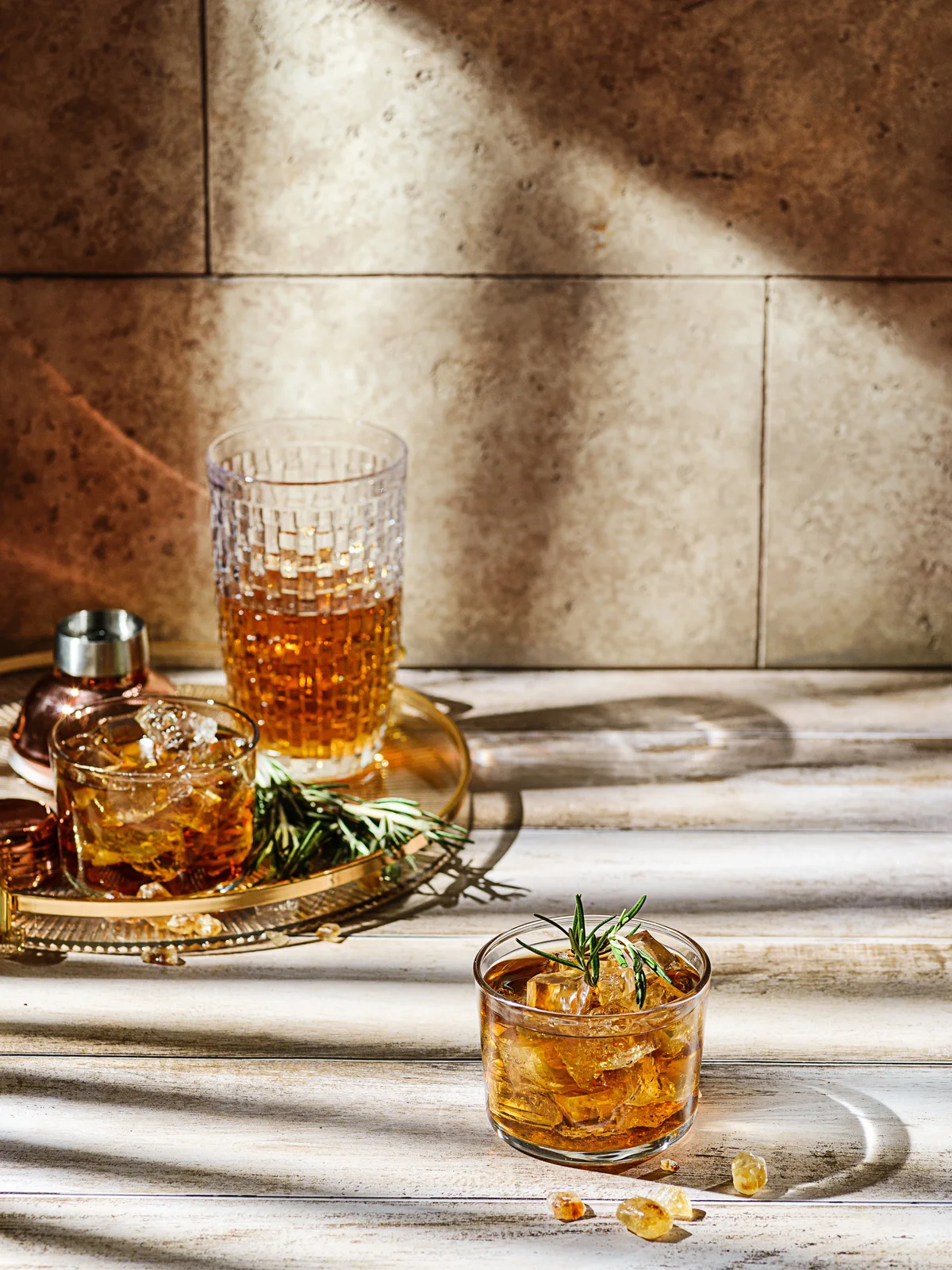
Port Ellen distillery, nestled in the picturesque town of Port Ellen on the Isle of Islay, is a…
Spirit
Ardnahoe Infinite Loch Islay Single Malt Scotch Whisky
Ardnahoe Infinite Loch Islay Single Malt Whisky is an embodiment of the bold character and robust heritage of…
Distilleries & Producers
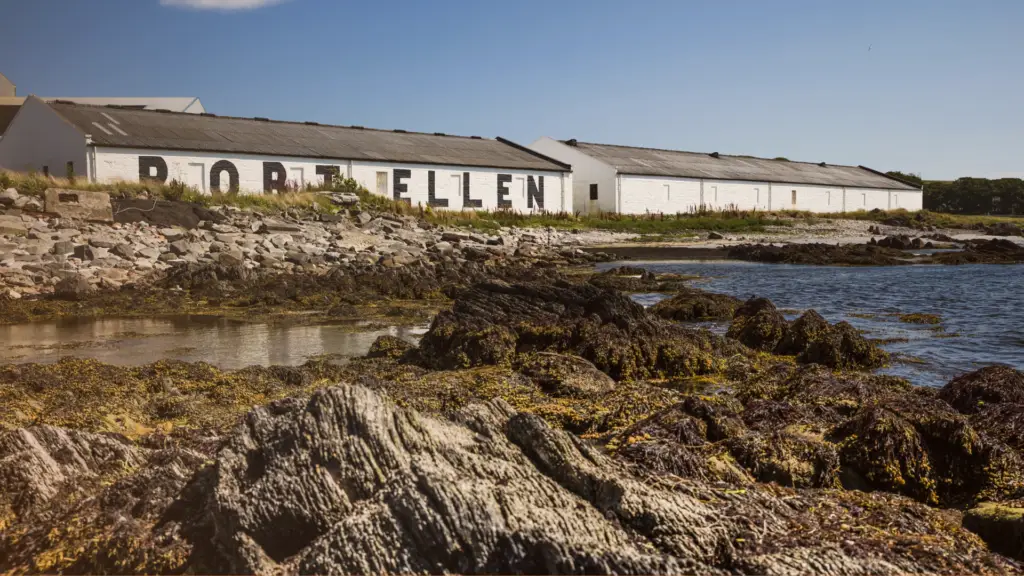
The Lost Distilleries of Islay: Ghost Sites That Shaped Scotch Whisky
Islay’s modern whisky map can appear permanent. Whitewashed distillery buildings stand beside sheltered bays, names stretch across warehouse walls, and active still houses seem inseparable from the island’s coastline. Yet the map has never been fixed. The lost distilleries of Islay reveal a far more fragmented history of establishment, closure, consolidation, and revival. Across the […]
June 12, 2026
Barlist
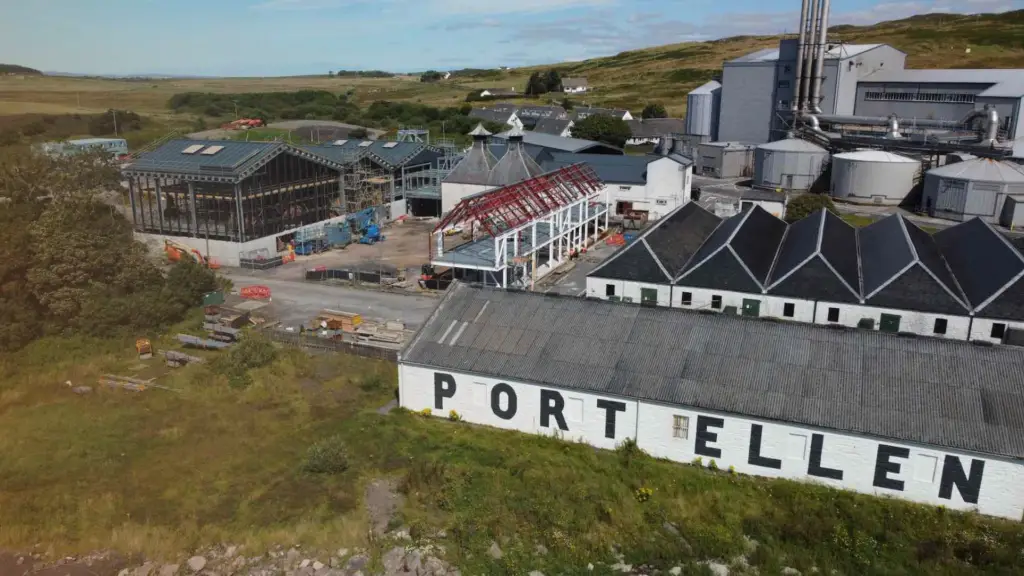
Port Ellen: From Closed Distillery to Whisky Legend
The southern coast of Islay has long been associated with peat smoke, maritime weather, and some of Scotland’s most influential whisky distilleries. Yet few names have acquired the near-mythical status of Port Ellen Distillery. For more than four decades, the distillery existed in an unusual state: closed, silent, and unable to produce a single drop […]
June 2, 2026
Distilleries & Producers
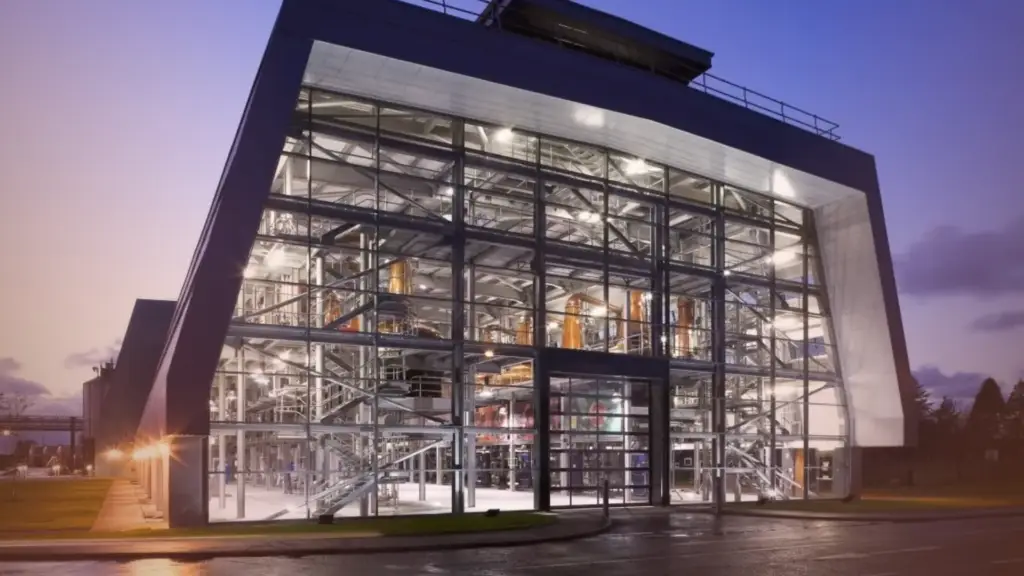
Roseisle Distillery: The High-Tech Speyside Giant Behind a New Generation of Whisky
In Speyside, where whisky is often associated with generations of tradition, Roseisle Distillery represents something very different. Built by Diageo near Elgin and officially opened in 2010, Roseisle was designed as a modern, large-scale malt whisky distillery, combining traditional pot-still production with advanced engineering, energy recovery and unusual flexibility in how its spirit can be […]
September 2, 2026