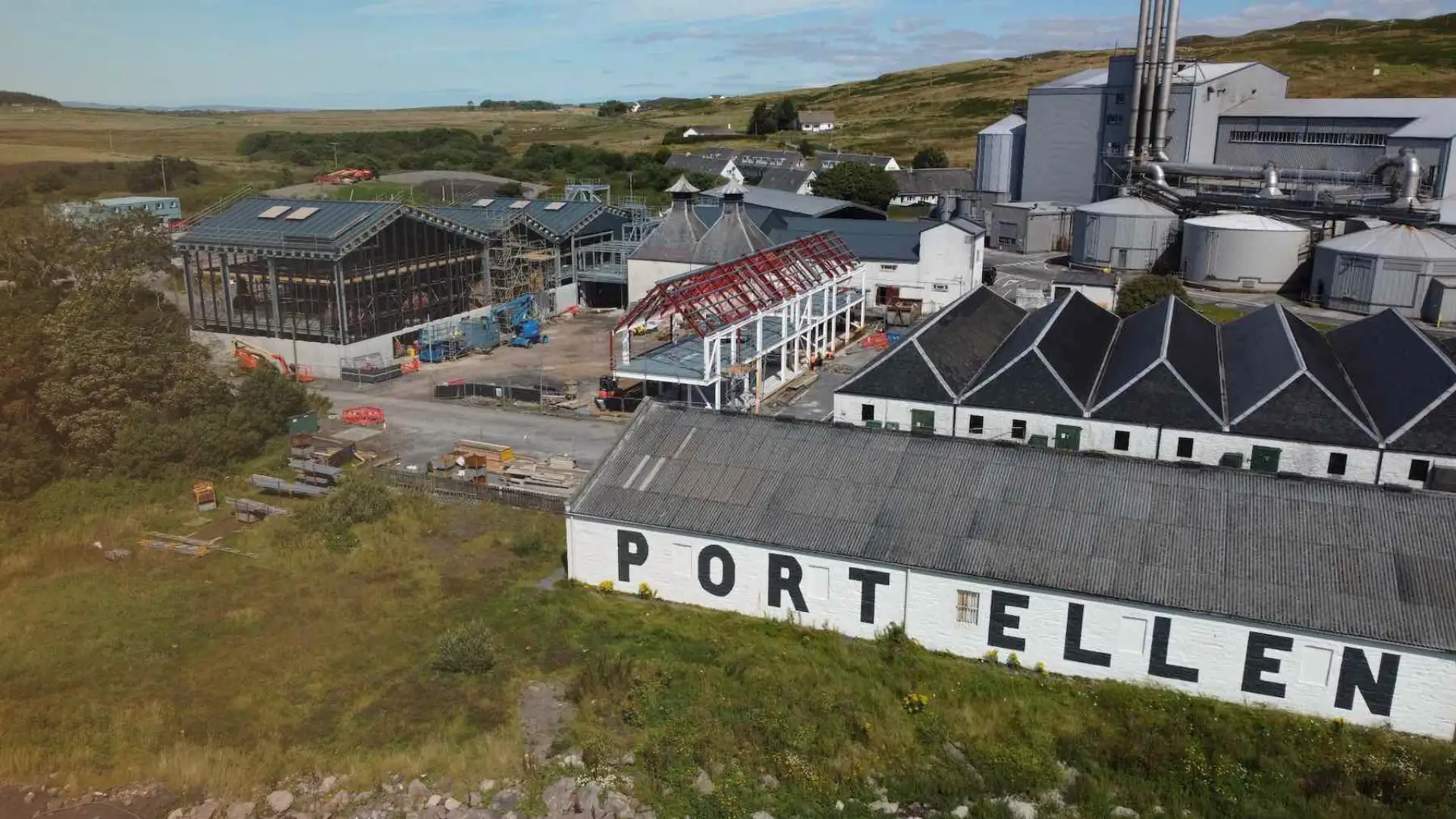
The southern coast of Islay has long been associated with peat smoke, maritime weather, and some of Scotland’s most influential whisky distilleries. Yet few names have acquired the near-mythical status of Port Ellen Distillery. For more than four decades, the distillery existed in an unusual state: closed, silent, and unable to produce a single drop of new spirit, while its remaining casks became some of the most sought-after whiskies in the world.
Most distilleries build their reputation through continuous production. Port Ellen Distillery became a legend by doing the opposite. Its story is one of industrial expansion, economic contraction, scarcity, collector demand, and one of the most closely watched revivals in modern Scotch whisky.
A Distillery Born in Islay’s Expanding Whisky Trade
Port Ellen’s origins trace back to 1825, when Alexander Kerr MacKay established the distillery near the village of Port Ellen on Islay’s southern coast. The location was strategically important. During the nineteenth century, coastal shipping connected Islay’s whisky industry to mainland Scotland and export markets, making access to a harbour as valuable as access to barley or water.
The distillery changed ownership several times during its early history before coming under the control of John Ramsay in 1836. Ramsay became one of the most influential figures in Islay whisky history. Beyond developing Port Ellen itself, he helped modernise local whisky production and supported infrastructure projects that strengthened Islay’s connection to external markets.
By the late nineteenth century, Port Ellen had become an established part of the island’s whisky economy, operating alongside producers such as Lagavulin Distillery, Laphroaig Distillery, and Ardbeg Distillery.
Expansion, Modernisation, and the Twentieth Century
Like much of Scotland’s whisky industry, Port Ellen experienced periods of growth and disruption throughout the twentieth century. Economic downturns, changing ownership structures, and shifting global demand repeatedly influenced production.
A major transformation arrived in the 1960s. The distillery underwent substantial redevelopment, including the construction of new stillhouses and modern production facilities. At a time when blended Scotch whisky was expanding globally, many companies viewed increased production capacity as essential for future growth.
Port Ellen’s whisky became particularly valuable as a component within blends. Its character combined Islay peat smoke with an elegant, structured profile that worked well within larger whisky compositions. Few within the industry could have predicted how dramatically market conditions would change within the following two decades.
The Whisky Loch and Closure in 1983
The late 1970s and early 1980s brought one of the most significant crises in Scotch whisky history. Years of optimistic production forecasts resulted in vast whisky inventories that exceeded demand. The industry entered a period commonly known as the “Whisky Loch,” referring to enormous quantities of maturing stock sitting unsold in warehouses.
Producers across Scotland responded by reducing output and closing facilities. In 1983, Port Ellen ceased distillation.
The closure was part of a wider restructuring program implemented by Distillers Company Limited, which later became part of Diageo. During the same period, several other distilleries were also shut down, many of which never reopened.
For Port Ellen, the decision appeared final. The stills stopped running, production ceased, and the distillery joined Scotland’s growing list of lost whisky sites.
The Maltings That Refused to Disappear
While whisky production ended, one part of the operation survived. Adjacent to the distillery stood Port Ellen Maltings, which continued operating and remains one of the most important facilities on Islay today.
The maltings produce peated barley for several of the island’s distilleries, including Lagavulin Distillery, Caol Ila Distillery, Ardbeg Distillery, and others.
This unusual situation created a paradox. The distillery itself was silent, yet its name remained visible through the continued operation of the maltings. Port Ellen never completely disappeared from Islay’s whisky landscape.
How Scarcity Created a Legend
Most closed distilleries gradually fade from public attention. Port Ellen followed a different path.
As remaining casks matured in warehouses, independent bottlers and official releases revealed a whisky profile that attracted increasing attention from enthusiasts. The combination of coastal character, elegant peat smoke, citrus notes, mineral complexity, and long maturation potential created a distinctive style that stood apart from many contemporary Islay whiskies.
Official Special Releases from Diageo became particularly influential. Bottles released throughout the 2000s and 2010s often sold out immediately and quickly gained value on the secondary market.
Expressions such as Port Ellen 22 Year Old, Port Ellen 32 Year Old, and various annual Special Releases helped transform Port Ellen from a closed distillery into a collector phenomenon. Ironically, many whisky drinkers first encountered Port Ellen long after the distillery had stopped producing whisky.
The Decision to Return
For decades, reopening Port Ellen seemed unlikely. The economics of rebuilding a closed distillery on a remote island remained challenging, and many historic closures were considered permanent. That changed in 2017 when Diageo announced plans to revive both Port Ellen and Brora Distillery.
The announcement generated extraordinary interest throughout the whisky world. Unlike a new distillery launch, the project involved restoring one of Scotch whisky’s most revered lost names while attempting to preserve the character that had made it legendary. Construction and redevelopment followed, combining historical references with modern production capabilities.
Reopening and the Challenge of Continuity
Port Ellen officially resumed distillation in 2024, more than forty years after production had ceased.
The challenge facing the revived distillery was unique. Most producers are judged against their current output. Port Ellen is measured against memories, archived tasting notes, and increasingly rare bottles distilled before 1983.
Maintaining continuity, therefore, became as important as innovation. The goal was not to recreate the past perfectly, an impossible task, but to respect the distillery’s historical identity while operating within contemporary whisky production standards. This balancing act reflects a broader question facing heritage spirits: how does a distillery preserve authenticity while embracing modern realities?
Barlist Reflection: When Absence Becomes Heritage
Port Ellen’s reputation was not built solely through production. It was built through absence. The distillery spent more than forty years unable to produce new spirit, yet demand for its whisky continued to grow. Collectors pursued remaining bottlings, enthusiasts debated historical releases, and the name acquired a status rarely achieved by active producers.
Its closure transformed Port Ellen into a symbol of scarcity. Its reopening transformed it into a symbol of continuity.
Today, Port Ellen represents something larger than a single distillery. It demonstrates how history, reputation, and cultural memory can become as valuable as production itself. Long before the first spirit flowed from the revived stills in 2024, Port Ellen had already secured its place among the most influential names in Scotch whisky. Its story is not simply about whisky. It is about how a distillery became a legend while standing still.

Distillery
Diageo Italia S.p.A., a subsidiary of the globally renowned Diageo PLC, stands as a leader in the production,…
Distillery
Nestled on the southern coast of the Isle of Islay, Ardbeg Distillery is celebrated for its unique productions…
Distillery
Brora Distillery, nestled in the stunning Scottish Highlands, epitomizes the rich heritage and complexity of single malt Scotch…
Distillery
Port Ellen distillery, nestled in the picturesque town of Port Ellen on the Isle of Islay, is a…
Distillery
Lagavulin Distillery, nestled in the picturesque village of Lagavulin on the southern coast of Islay, Scotland, is renowned…
Distillery
Caol Ila Distillery, located on the northeastern shores of Islay, Scotland, stands as a testament to the rich…
Spirit
Port Ellen 15th Release 32 YO Islay Single Malt Whisky
Port Ellen 15th Release 32 YO is an iconic expression from the Ghost Distillery of Islay, known for…
Distillery
Diageo Italia S.p.A., a subsidiary of the globally renowned Diageo PLC, stands as a leader in the production,…
Distillery
Nestled on the southern coast of the Isle of Islay, Ardbeg Distillery is celebrated for its unique productions…
Distillery
Brora Distillery, nestled in the stunning Scottish Highlands, epitomizes the rich heritage and complexity of single malt Scotch…
Distillery
Port Ellen distillery, nestled in the picturesque town of Port Ellen on the Isle of Islay, is a…
Distillery
Lagavulin Distillery, nestled in the picturesque village of Lagavulin on the southern coast of Islay, Scotland, is renowned…
Distillery
Caol Ila Distillery, located on the northeastern shores of Islay, Scotland, stands as a testament to the rich…
Spirit
Port Ellen 15th Release 32 YO Islay Single Malt Whisky
Port Ellen 15th Release 32 YO is an iconic expression from the Ghost Distillery of Islay, known for…
Distilleries & Producers
The Whisky Loch: Overproduction, Lost Distilleries, and the Ghosts That Returned
The Whisky Loch was not a natural disaster, though it left parts of Scotch whisky looking like a flooded landscape. It was a man-made surplus, created when production confidence outran demand. In the 1970s, Scotch whisky expanded with the conviction of an industry that believed the world would keep drinking more. Stills ran, casks filled, […]
July 16, 2026
History
Lagavulin Distillery and the Discipline of Slow Distillation on Islay
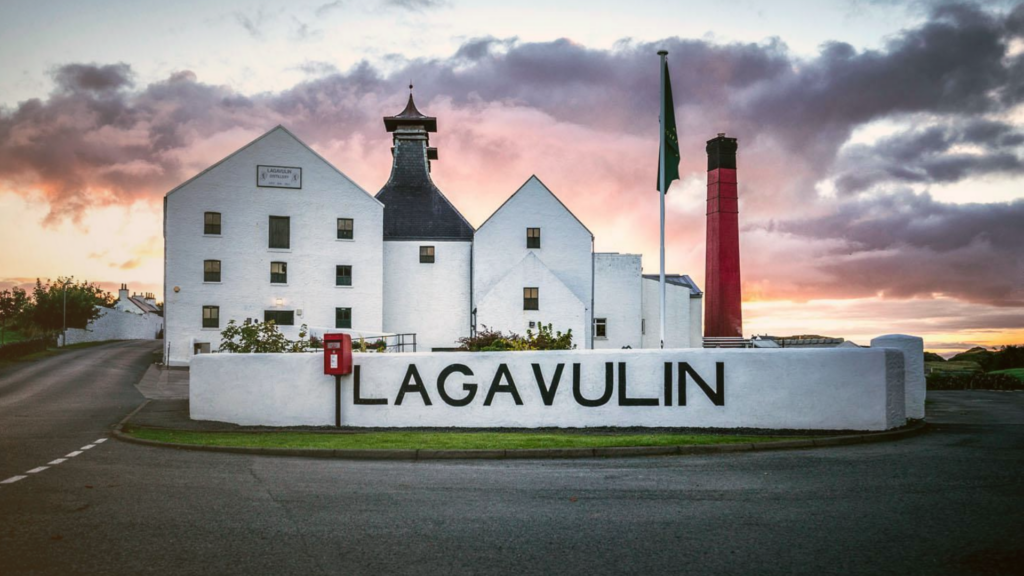
On the southern coast of Islay, Lagavulin Distillery stands beside a sheltered bay between Laphroaig and Ardbeg. Its white buildings, dark kiln roofs, and long waterfront warehouses belong to one of Scotland’s most recognisable whisky landscapes. Still, the character associated with the distillery was not created by scenery alone. Peat is the most obvious part […]
June 28, 2026
Distilleries & Producers
The Last Days of Floor Maltings: When Scotch Distilleries Made Their Own Malt
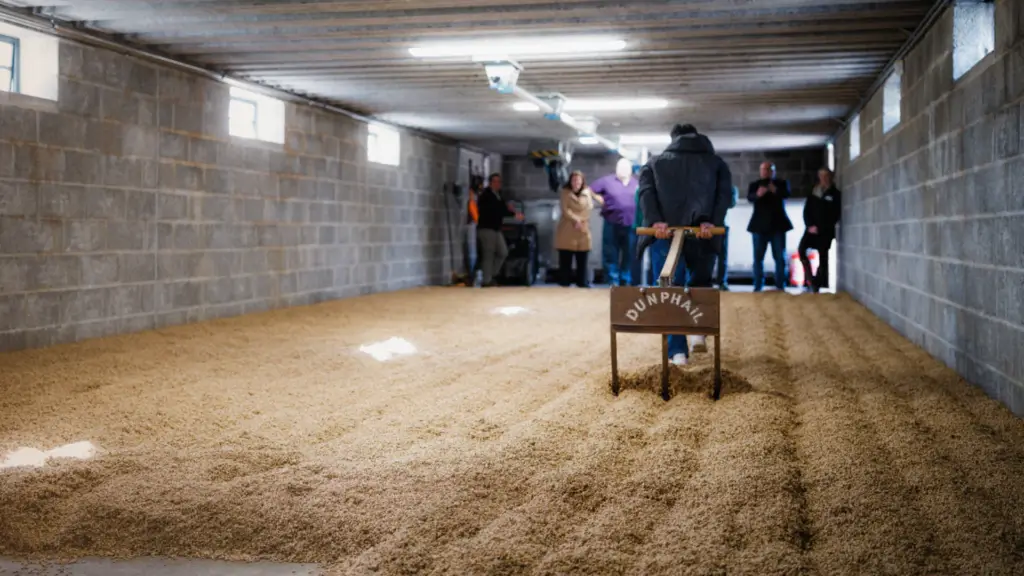
Floor Maltings History: Where Whisky Began Before stainless steel vessels, automated temperature control, and industrial malt plants, a Scotch whisky distillery often began its work on a stone or concrete floor. Barley was steeped in water, spread in a shallow layer, and turned repeatedly by hand as it germinated. The process demanded time, judgement, space, […]
June 18, 2026