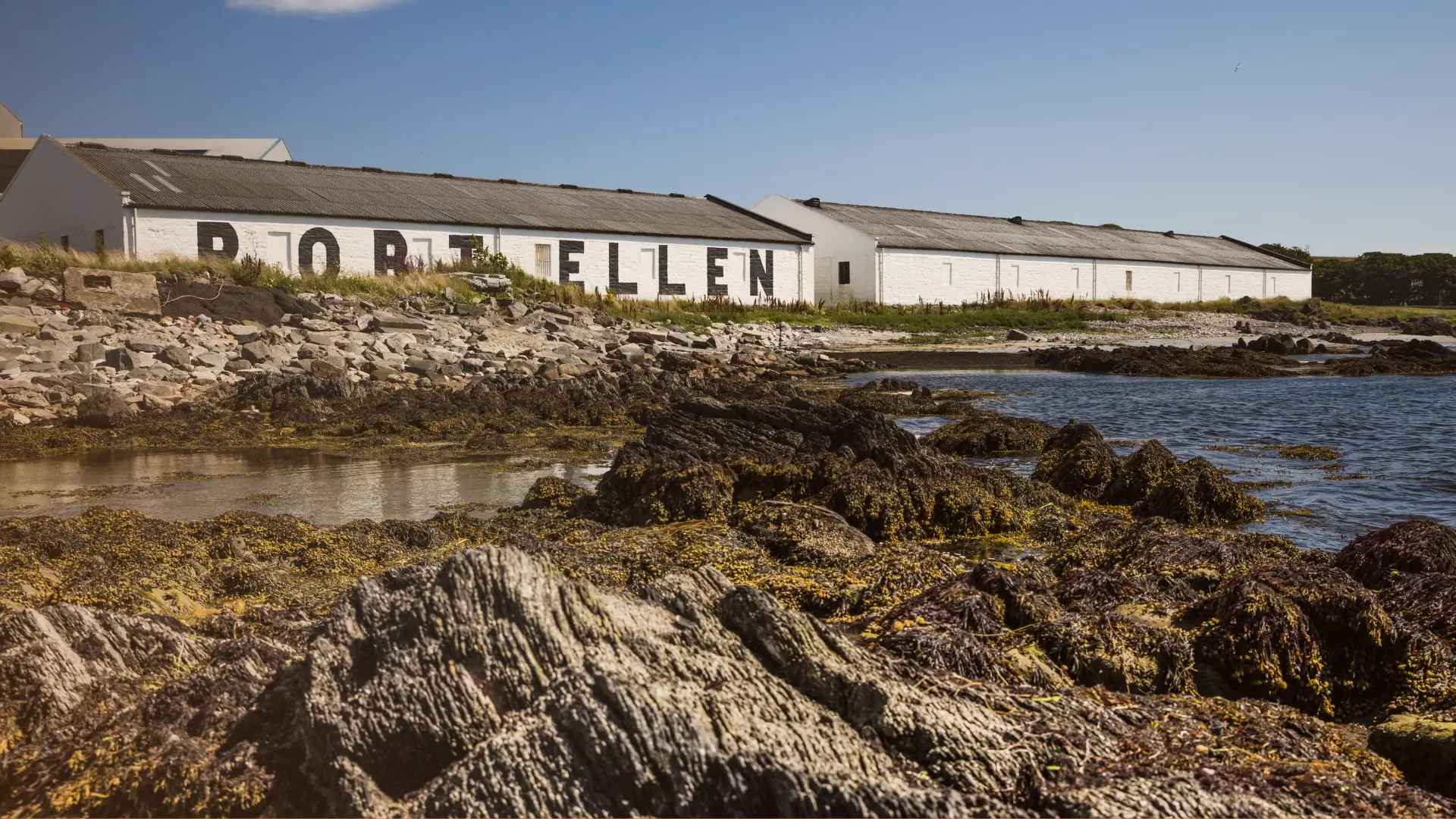
Islay’s modern whisky map can appear permanent. Whitewashed distillery buildings stand beside sheltered bays, names stretch across warehouse walls, and active still houses seem inseparable from the island’s coastline. Yet the map has never been fixed. The lost distilleries of Islay reveal a far more fragmented history of establishment, closure, consolidation, and revival.
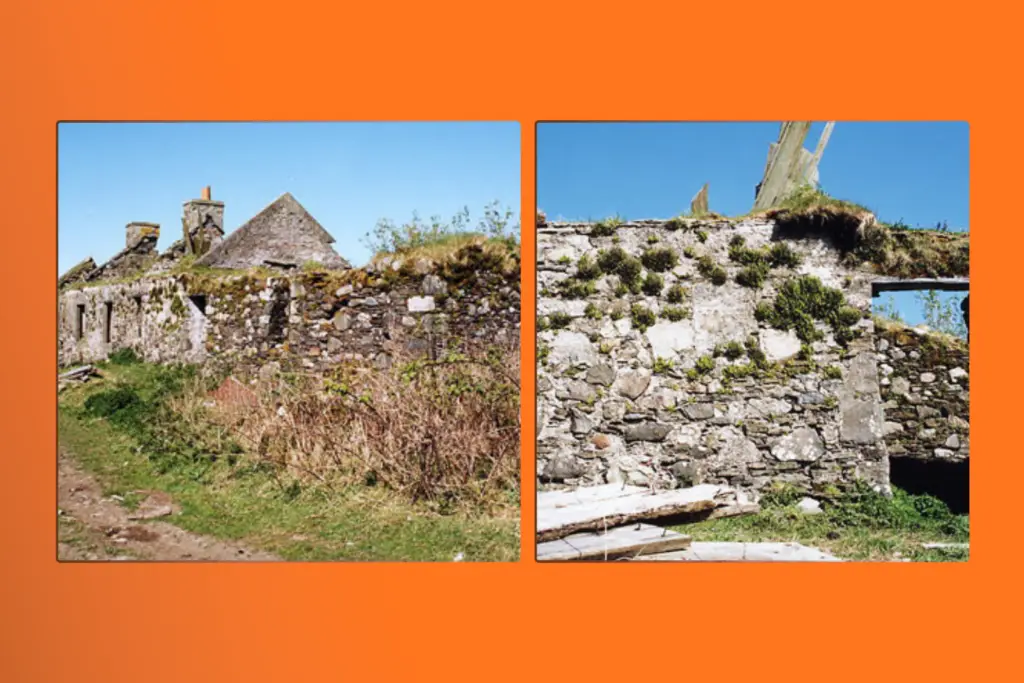
Across the island are places where distillation stopped, equipment disappeared, and names became detached from the sites that first carried them. Some survive through warehouses, fragments of masonry, old roads, and farm buildings. Others remain only in excise records, company documents, maps, and local memory.
These lost distilleries helped shape villages, transport routes, blending businesses, production knowledge, and the wider reputation of Islay whisky. Their closures also reveal how exposed distilleries were to taxation, limited capital, ownership changes, war, economic depression, and shifting demand. The active distilleries explain what endured. The ghost sites reveal what Islay lost along the way.
An Island with a Larger Distilling Map
Islay has supported legal and illicit distillation for generations. Barley, peat, water, agricultural knowledge, and access to coastal transport created favourable conditions, although the island never produced one completely uniform style. Historical compilations identify as many as 23 distilleries as having operated on Islay at different points. The surviving evidence is uneven. Some were substantial commercial businesses with documented owners and export relationships. Others were small farm operations that left only brief traces in licensing records.
The present concentration of distilleries near the coast can obscure this older geography. Distillation also took place inland, close to farms, burns, roads, and small settlements. Daill, Lossit, Mulindry, Newton, and Tallant belonged to a more widely distributed production landscape.
Many of these businesses disappeared during the 1800s. Bankruptcy, fragile transport, limited access to markets, changes in excise administration, uncertain grain supply, and competition from better-financed producers all played a part. Their disappearance gradually concentrated Islay whisky production among companies able to secure capital, transport, blending contracts, and long term ownership.
Lost Distilleries of Islay: Lossit and the Inland Distilling Tradition
Lossit represents the inland history of Islay whisky, away from the famous southern bays and harbour-side distilleries. The distillery is generally recorded as beginning in 1821. It later became associated with the name Ballygrant, with historical compilations placing the combined operation through 1860. The site lay near Ballygrant in central Islay, within an agricultural landscape connected by roads and burns rather than direct access to a major harbour.
Its position reflects the close relationship between farming and early distilling. Barley grown nearby could be converted into spirit, reducing its bulk and making it easier to transport. Distillation created another economic use for grain in an island environment where movement remained difficult and expensive.
Very little survives to establish the precise character of Lossit’s whisky or the detailed methods used there. It disappeared before consistent technical documentation, branded bottlings, and surviving stocks could preserve its production identity. Lossit should therefore not be reconstructed through imagined flavour descriptions. Its importance lies in what the site reveals about Islay’s former distilling geography and the role of small inland operations within the island economy.
Lochindaal and the Growth of Port Charlotte
Lochindaal Distillery, a big name of Lost Distilleries of Islay, was established at Port Charlotte in 1829 by Colin Campbell. It was also known during parts of its history as Port Charlotte Distillery and Rhins Distillery, reflecting the shifting names and ownership structures common among distilleries of the period.
Port Charlotte had been developed as a planned village from 1828, with accommodation for workers connected to the new distillery forming part of its economic purpose. Lochindaal was therefore tied not only to whisky production but to the development of the settlement itself.
The distillery passed through several owners before entering a longer period of operation under John Bell Sheriff and the business was later associated with his name. When Alfred Barnard visited Islay during the 1880s, Lochindaal was a substantial commercial distillery rather than a minor farm operation.
In 1921, the business was acquired by Benmore Distilleries. Distillers Company Limited took control in 1929 and closed the distillery that year during a period of wider contraction in Scotch whisky. Much of the production equipment disappeared, but parts of the site survived. Former distillery buildings found new purposes, while warehouses continued to support whisky maturation.
Bruichladdich now uses the Port Charlotte name for heavily peated whisky distilled at Bruichladdich Distillery. The surviving warehouses at Port Charlotte also retain a connection with maturation. This does not represent continuous production at the former Lochindaal site. The village and name survived. The original distillery did not.
Malt Mill and the Attempt to Recreate Character
Malt Mill differed from Islay’s earlier lost distilleries because it was established within the Lagavulin complex rather than as an independent rural operation. Peter Mackie created Malt Mill in 1908 after the deterioration of his commercial relationship with neighbouring Laphroaig. Historical accounts commonly describe the project as an attempt to produce a strongly peated spirit capable of replacing the Laphroaig whisky that had previously been important to Mackie’s blending interests.
The effort revealed how difficult it was to reproduce another distillery’s character. Water, still design, peat treatment, fermentation, condensation, cut points, and the practical habits of the production team all influenced the resulting spirit. Malt Mill did not become a second Laphroaig. It developed as a separate production unit whose whisky was used mainly for blending, particularly within the commercial system associated with Mackie and Company and White Horse.
The exact endpoint is sometimes presented differently in historical summaries. The distillery appears to have ceased production around 1960, while the stills associated with Malt Mill were incorporated into Lagavulin in 1962.
Very little recognised single malt whisky stock reached the public during Malt Mill’s working life. Its reputation now rests on its unusual purpose, its relationship with Lagavulin and Laphroaig, and the scarcity of surviving whisky linked to the name. Malt Mill became famous largely after it had disappeared.
Octomore and a Name Reassigned
The historic Octomore Distillery operated near Port Charlotte from 1816 until 1852. It was one of several relatively small producers on the Rhins of Islay that disappeared as ownership and production became more concentrated.
The documentary record is limited because the distillery closed decades before Alfred Barnard’s survey of British and Irish whisky production. What remains is the site, the name, and a partial record of ownership. Octomore is now internationally recognised as the name of Bruichladdich’s most heavily peated whisky range. That whisky is distilled at Bruichladdich Distillery, not at the former Octomore Distillery.
The modern use of the name creates a geographical and cultural link rather than uninterrupted production continuity. Bruichladdich’s connection to Octomore Farm and the surrounding landscape gives the name local meaning, but the historic distillery has not been restored.
This distinction is essential when discussing revived whisky names. A brand may recover a place name or historical reference without recreating the company, buildings, equipment, or production methods that originally belonged to it. Octomore survives through language and landscape rather than through an unbroken distilling operation.
Lost Distilleries of Islay: Port Ellen and the End of Ghost Status
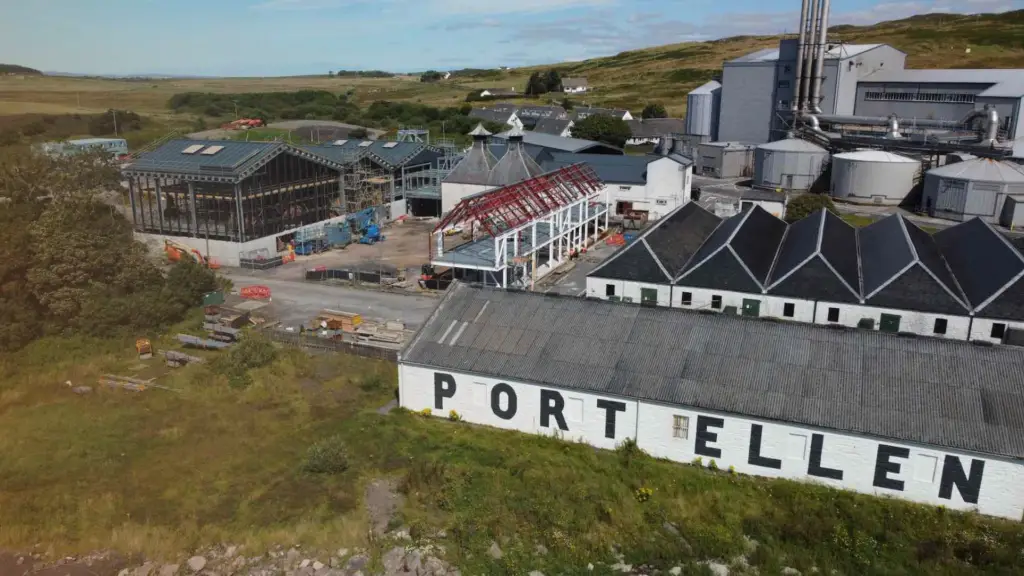
For more than four decades, Port Ellen, one of the Lost Distilleries of Islay, was Islay’s most celebrated closed distillery. The site was established as a malt mill in 1825 and developed as a distillery under John Ramsay from 1833. Ramsay helped connect the business with export markets and expanded its importance within the developing whisky trade.
Distillers Company Limited acquired Port Ellen in 1925 and closed it in 1930. The distillery was rebuilt during 1966 and 1967, returning to production before operating throughout the 1970s.
It closed again in 1983 during a severe period of contraction in Scotch whisky. Parts of the original production site were demolished or repurposed, and the stills were destroyed. The nearby Port Ellen Maltings, which had opened in 1973, continued operating and became an important supplier of malt to several Islay distilleries. The name therefore remained connected to island production even when the distillery itself was silent.
Stocks distilled before 1983 developed an exceptional reputation as their quantity diminished. Port Ellen became more celebrated during closure than it had been through much of its active history. That ghost status ended on 19 March 2024, when the rebuilt Port Ellen Distillery resumed production.
Port Ellen is no longer a lost distillery. It belongs in this history because its revival demonstrates that closure does not always have to be permanent. The rebuilt site carries forward the name, location, and selected elements of its earlier identity, but the spirit now being produced begins a new chapter rather than continuing an uninterrupted production line.
What the Lost Sites Contributed
Islay’s lost distilleries continued to influence the island after their stills stopped. Lochindaal contributed to the development of Port Charlotte and left buildings and warehouses that retained practical value. Malt Mill supplied blending whisky and exposed the difficulty of reproducing another distillery’s character. The Octomore name later entered a new production context through Bruichladdich. Port Ellen Maltings remained central to island whisky production while the Port Ellen still house stood silent.
Smaller inland operations preserve evidence that distilling once extended more widely across Islay. Their locations reveal connections between grain, farms, burns, roads, labour, and local settlement. Closure also moved knowledge and assets through the industry. Workers transferred between sites. Companies acquired licences, brands, stocks, buildings, contracts, and equipment. Warehouses continued operating when still houses no longer did. The active Islay whisky industry was partly built from these movements. Survival often depended on absorbing what remained after another business closed.
The Risk of Romanticising Ghost Distilleries
The term ghost distillery gives closure and an atmosphere of mystery. The reality was usually economic and personal. A closure meant lost employment, disrupted apprenticeships, empty buildings, and reduced business for farmers, transport workers, engineers, warehouse teams, and local suppliers.
Later rarity can distort this history. Whisky from a closed distillery may become valuable because no further stock can be produced. Scarcity does not prove that the distillery was profitable, influential, or widely recognised while it operated. Some lost sites were produced mainly for blends. Others worked for short periods, changed ownership frequently, or left too little evidence to support confident judgements about their whisky.
Their histories deserve attention, but absence should not be mistaken for proof of forgotten greatness. The strongest interpretation begins with records, buildings, ownership, production, and local consequences rather than mythology.
The lost distilleries of Islay reveal an island shaped by interruption. Lochindaal survives through the fabric of Port Charlotte. Malt Mill remains embedded in the history of Lagavulin and its commercial rivalry with Laphroaig. Octomore continues as a historic place name attached to whisky made at Bruichladdich. Port Ellen has moved from celebrated closure into a new period of active production.
Other sites remain as ruins, farm names, marks on old maps, or brief entries in excise records. Together, they show that Islay whisky history is not a straight line from small stills to global brands. It is a record of establishment, bankruptcy, consolidation, closure, reuse, and revival. The island’s working distilleries explain what survived. Its ghost sites explain what that survival cost.

Distillery
Port Charlotte is a distinguished brand of Scotch whisky that hails from the remote and rugged Isle of…
Distillery
Lochindaal Distillery, located in the picturesque village of Port Charlotte on the Isle of Islay, is a historical…
Distillery
Port Ellen distillery, nestled in the picturesque town of Port Ellen on the Isle of Islay, is a…
Distilleries & Producers
The Whisky Loch: Overproduction, Lost Distilleries, and the Ghosts That Returned
The Whisky Loch was not a natural disaster, though it left parts of Scotch whisky looking like a flooded landscape. It was a man-made surplus, created when production confidence outran demand. In the 1970s, Scotch whisky expanded with the conviction of an industry that believed the world would keep drinking more. Stills ran, casks filled, […]
July 16, 2026
Barlist
Port Ellen: From Closed Distillery to Whisky Legend
The southern coast of Islay has long been associated with peat smoke, maritime weather, and some of Scotland’s most influential whisky distilleries. Yet few names have acquired the near-mythical status of Port Ellen Distillery. For more than four decades, the distillery existed in an unusual state: closed, silent, and unable to produce a single drop […]
June 2, 2026
Distilleries & Producers
Ardbeg Distillery’s Closure Years and the Choices That Rebuilt Its Islay Identity
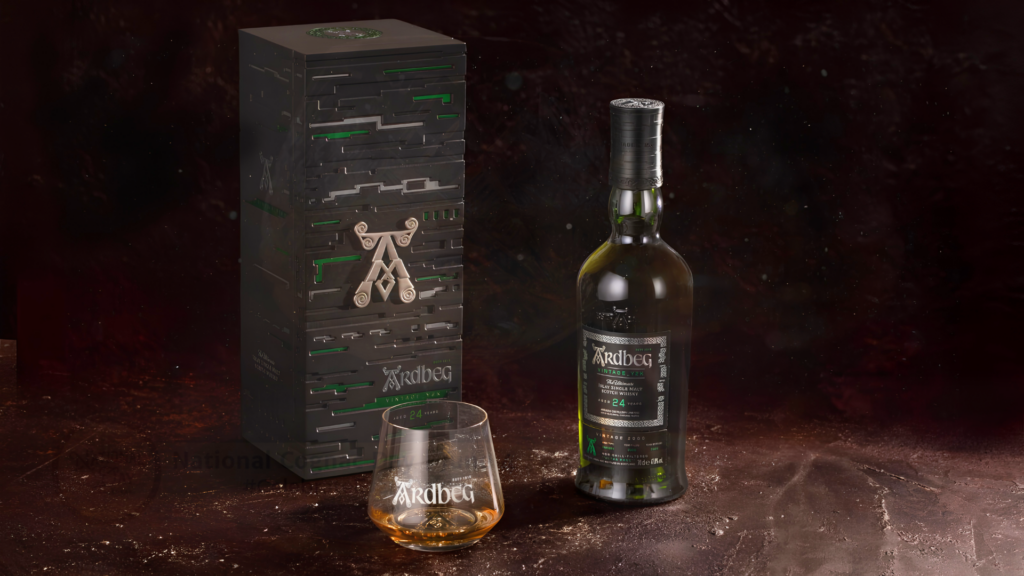
Few Scotch whisky distilleries have experienced a history as uncertain as Ardbeg Distillery. Today, Ardbeg stands among the most recognisable names in heavily peated whisky, celebrated for expressions such as Ardbeg 10 Years Old, Ardbeg Uigeadail, and Ardbeg Corryvreckan. Yet the distillery’s modern success was far from inevitable. Between the early 1980s and the late […]
June 1, 2026