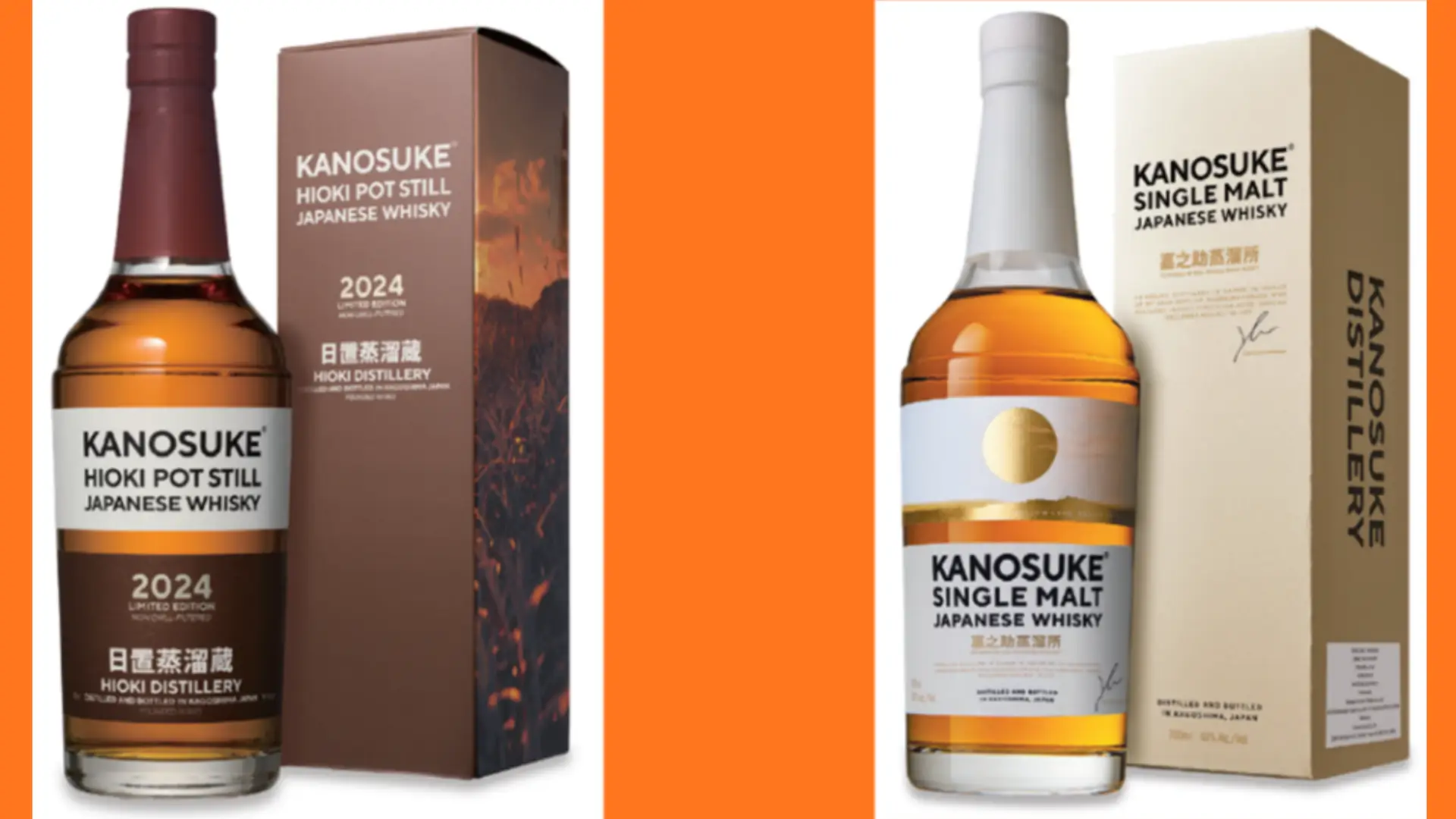
Limited edition whisky increasingly exists in two parallel forms. One is liquid, shaped by fermentation, distillation, and time. The other is visual, shaped by materials, typography, and narrative intent. In many contemporary releases, these two forms are only loosely connected.
The Kanosuke Hioki Pot Still Edition 2024 challenges this separation by treating design not as an afterthought, but as an extension of production philosophy. Its recognition at the World Whiskies Awards 2025 for Best Limited Edition Design reflects a broader shift in how whisky culture evaluates meaning beyond flavour alone.
Rather than relying on visual excess or symbolic abstraction, the Hioki Pot Still Edition centres its story on a single, concrete object: the pot still. In doing so, it reframes how limited editions communicate value. Instead of signalling rarity through ornament, the bottle directs attention toward process, positioning distillation as the primary narrative driver.
Distillation as a Visible Cultural Statement
At the heart of this approach lies Komasa Kanosuke Distillery, located in Hioki, Kagoshima Prefecture. Operating within a region historically associated with shochu rather than whisky, the distillery has developed a sensibility shaped by active decision making rather than inherited convention.
Rather than passively adopting whisky tradition, Kanosuke approaches distillation as an expressive practice. Still, design, operating style, and environmental conditions are treated as variables that shape identity.
By naming the release after the Hioki pot still, the distillery removes ambiguity about what defines the edition. This is not an age-led release, nor one anchored in experimental cask finishes. It is a declaration that distillation itself deserves interpretive attention. The still becomes both subject and symbol, bridging the physical act of spirit creation with the visual language surrounding it.
Visual Restraint and Intentional Design
The design of the Hioki Pot Still Edition reflects a disciplined restraint that mirrors the careful distillation process. Colour, layout, and material choices are controlled. No single element dominates.
This restraint is not minimalism for its own sake. It functions as a visual parallel to the measured decisions required in whisky production, where excess heat, aggressive cuts, or rushed timelines can permanently alter character.
In a limited-edition market where complexity is often equated with value, Kanosuke’s approach stands out. The bottle does not compete through novelty. Instead, it rewards attention. The design encourages slower observation, much as a distiller must attend to subtle transitions during a run. Visual storytelling here is explanatory rather than illustrative.
Limited Editions as Records of Thought
Limited editions are frequently framed as objects defined by scarcity and collectability. The Hioki Pot Still Edition resists this framing by behaving more like a record than a spectacle.
It documents a particular way of thinking about whisky at a specific moment in time. The emphasis on the pot still communicates priorities: method over marketing, structure over surface.
Recognition at the World Whiskies Awards 2025 suggests an evolving understanding of excellence. Design is assessed not solely on visual appeal, but on coherence. The alignment between production philosophy and presentation becomes a criterion in its own right. The award acknowledges not just how the bottle looks, but what it communicates.
Japanese Whisky Beyond Replication
Japanese whisky has long been discussed in relation to Scottish precedent. While technical influence remains significant, releases such as the Hioki Pot Still Edition indicate growing confidence in articulating a distinct identity.
Rather than referencing external benchmarks, the design turns inward, focusing on the distillery’s own tools and decisions.
This perspective aligns with broader Japanese craft traditions, where tools are regarded as partners in creation rather than invisible infrastructure. The pot still is not romanticised as nostalgia, nor presented as a relic. It is shown as an active participant in shaping flavour and identity. Through design, Kanosuke positions distillation as a living practice rather than a historical reference.
Design That Shapes Expectation
Before the bottle is opened, its design has already influenced perception. The Hioki Pot Still Edition prepares the drinker to think structurally.
The officially noted aromas and flavours, including wood, vanilla, apricot, cloves, gentle powdery spice, and herbal notes, gain context through visual emphasis on distillation. These characteristics are framed as outcomes of process rather than accidents of maturation.
When design functions as interpretation rather than embellishment, it deepens engagement. It invites the drinker to connect sensory experience with production decisions, reinforcing the idea that flavour is inseparable from method.
The Hioki Pot Still Edition demonstrates that limited edition whisky can communicate meaning without resorting to excess. By anchoring design in distillation, Kanosuke presents a model of visual storytelling rooted in clarity and respect for process.
The pot still, made visible and central, serves as a reminder that whisky’s cultural durability depends not on novelty, but on sustained attention to the decisions that shape it.

Distillery
Komasa Kanosuke Distillery Co.Ltd
Komasa Kanosuke Distillery Co. Ltd, nestled in Kagoshima Prefecture, Japan, is a beacon of craftsmanship in the realm…
Spirit
Kanosuke Hioki Pot Still Edition 2024
The Kanosuke Hioki Pot Still Edition 2024 is a remarkable embodiment of Japanese craftsmanship in whisky production. Created…

Distilleries & Producers
Roseisle Distillery: The High-Tech Speyside Giant Behind a New Generation of Whisky
In Speyside, where whisky is often associated with generations of tradition, Roseisle Distillery represents something very different. Built by Diageo near Elgin and officially opened in 2010, Roseisle was designed as a modern, large-scale malt whisky distillery, combining traditional pot-still production with advanced engineering, energy recovery and unusual flexibility in how its spirit can be […]
September 2, 2026
Spirits
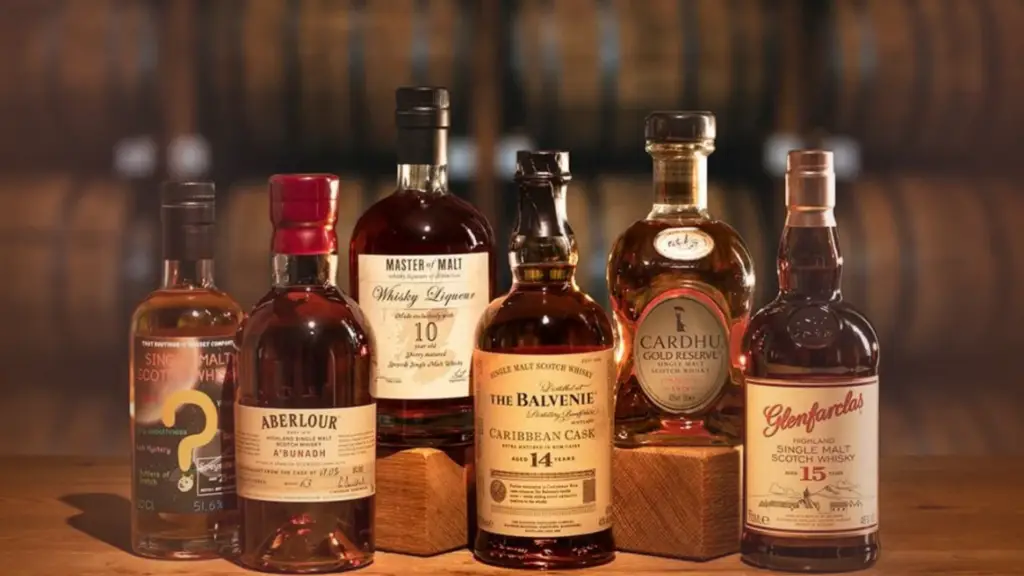
The Best 10 Scotch Whiskies Every Collector Should Try
Scotch whiskies collection is no longer simply about finding the oldest bottle or the most expensive name. A serious collection should tell a story about the spirit itself: where it comes from, how it is made, how oak changes it, how peat shapes it and why particular distilleries have earned lasting reputations. That makes choosing […]
August 21, 2026

Distilleries & Producers
Nathan Nearest Green: The Forgotten Father of American Whiskey
Long before Tennessee whiskey became an internationally recognised category, the hills around Lynchburg, Tennessee, were home to a network of farms, mills and small distilling operations where whiskey-making knowledge was passed from one generation to another. Among the distillers working in this community was Nathan “Nearest” Green, an African American whiskey maker whose name would […]
August 11, 2026