A distillery in Raisio does not begin with history. It begins with decisions. Founded in 2021, Turku Distillery Ltd. stands just outside Turku in southwest Finland, in a region better known for agriculture and industry than for spirits. There is no inherited lineage of stills or warehouses here, no long arc of distillation to draw from.
What exists instead is a deliberate construction of identity, built through raw materials, process, and structure. The absence of legacy becomes the starting point for a different kind of distilling logic.
Building the spirit from the base
At the centre of Turku Distillery’s approach is a decision that defines everything that follows. The distillery produces its own base alcohol rather than sourcing neutral spirit, creating a 96 per cent distillate referred to as the “Spirit of Southwest Breeze.”
This choice shifts vodka from a process of refinement to a process of creation. Fermentation, distillation, and raw material selection are no longer separate from the final product. They are the product.
The grain is organic winter wheat sourced from Finland, grown under long daylight cycles and cold seasonal variation. Water drawn from artesian sources provides consistency and mineral stability, forming a controlled base for mashing and dilution.
Distillation takes place in high-grade copper column stills, where the aim is not simply to remove impurities, but to shape a clean spirit that retains subtle structure. Control at this level redefines vodka from neutrality to precision.
A different interpretation of purity
Vodka has traditionally been described through absence, through the removal of flavour and texture. At Turku Distillery, purity is approached differently.
The profile of Kaiho Silver Single Estate Organic Vodka at 40.2 per cent ABV reflects a clarity that does not erase origin. There is a soft grain character beneath the surface, moving toward gentle vanilla notes before finishing dry and balanced.
At higher strength, Kaiho Gold Single Estate Organic Vodka by Turku Distillery, at 61.2 per cent ABV, carries the same structure with greater intensity, allowing the wheat base to remain visible rather than being overwhelmed by alcohol. The idea of single estate vodka introduces traceability into a category historically defined by anonymity.
Circular production and energy
What distinguishes the distillery further is not only what is produced, but how production is sustained. Turku Distillery operates within a carbon-neutral system powered by bioenergy, where waste from mashing is redirected into energy generation.
This creates a closed loop in which the output of one stage becomes the input of another. Production and energy are not separate systems. They are interdependent. Sustainability is not presented as a feature. It is part of the operational framework.
Extending the base into new expressions
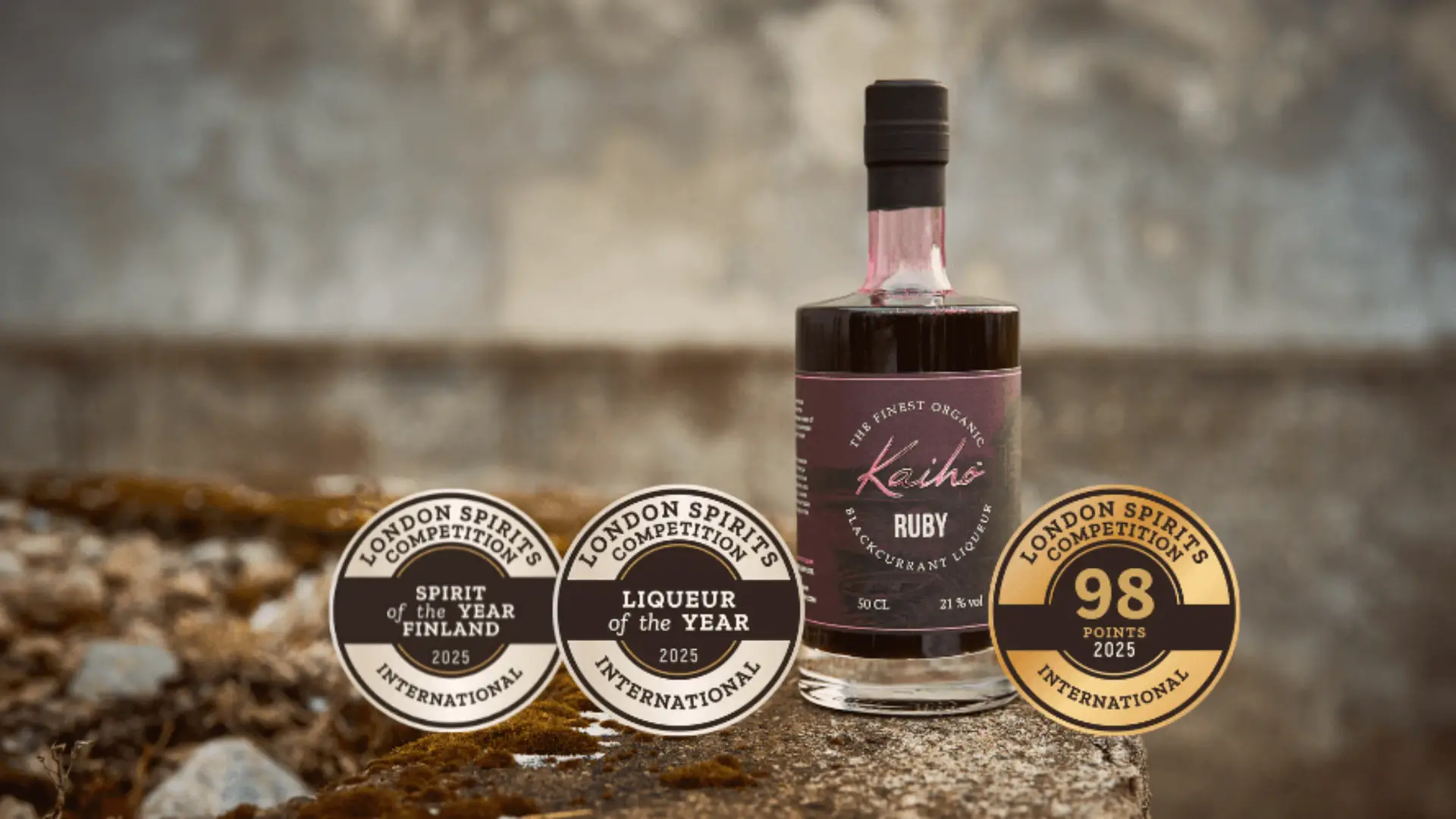
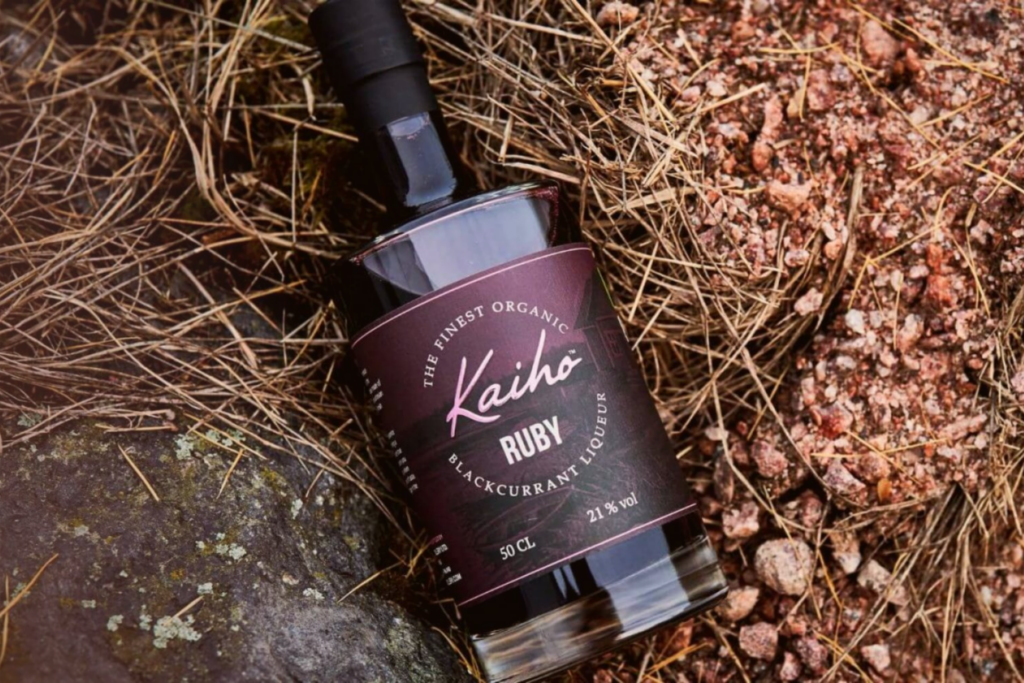
The same production structure extends beyond vodka into a broader range of spirits. Kaiho Ruby Organic Black Currant Liqueur at 21 per cent ABV draws on Finnish berry cultivation, linking the product directly to regional agriculture.
A more complex extension appears in Kaiho Pearl Cream Liqueur, where the distillery’s own high-strength alcohol is matured in ex-bourbon oak barrels for twelve months before being combined with Finnish cream. This introduces a layer of cask influence uncommon in vodka-based liqueurs, creating a bridge between clean spirit and maturation-driven flavour. This movement between categories reflects a willingness to adapt production methods rather than remain confined within them.
Recognition and alignment with production
Recognition for Turku Distillery has developed quickly despite its recent establishment. In 2023, Kaiho Vodka received gold medals at the Craft Spirits Awards and the European Spirit Challenge, placing it within a competitive international field.
Further evaluation through the International Wine and Spirit Competition highlighted a profile built around vanilla and caramel aromatics with a controlled, dry finish. Additional recognition at the London Spirits Competition in 2023 reinforced its position within the premium vodka category, while awards from the World Spirits Awards added to its growing international presence.
Across these assessments, the emphasis has remained consistent. Judges have recognised not only technical execution but the clarity of the distillery’s approach, with some descriptions referring to the spirit as approaching a “masterpiece” level of refinement. What stands out is the alignment between recognition and the production system that defines it.
Finnish vodka and shifting perception
Vodka’s global identity has long been shaped by scale and standardisation. It is often produced in large volumes, designed for consistency rather than expression. Finnish distilleries are gradually altering that perception. By focusing on grain origin, water source, and controlled production, producers such as Turku Distillery are redefining vodka as a spirit capable of carrying identity.
This shift aligns with a broader Nordic movement, where spirits are shaped by environment as much as by method. Climate, agriculture, and process become visible within the final product. Vodka begins to move from neutrality toward definition.
Turku Distillery represents a structural change rather than a stylistic one. It does not alter the legal definition of vodka, but it changes how vodka is made, understood, and valued. By producing its own base spirit, integrating circular energy systems, and emphasising local raw materials, the distillery builds identity at the level of process. The result is a spirit that carries origin without losing clarity.
The reinvention here is not dramatic. It is precise. In that precision, Turku Distillery reflects a broader movement within modern spirits, where transparency and production design become central to how quality is defined.

Distillery
Turku Distillery Ltd. is a distinguished craft distillery located in Raisio, Southwest Finland, having been established in 2021.…

Distillery
Nordic Distillers LLC is a burgeoning craft distillery nestled in Madison, Wisconsin, renowned for its commitment to quality…
Distillery
Nordic Spirit Distillery is a celebrated beacon of innovation and craftsmanship in Finland, renowned for its commitment to…
Distillery
Nordic Vitality, also known as Norstill AS, is a distinguished craft distillery based in Norway, renowned for its…
Spirit
Kaiho Gold Single Estate Organic Vodka
Kaiho Gold Single Estate Organic Vodka is a premium spirit crafted from the finest organic winter wheat and…
Spirit
Kaiho Single Estate Organic Vodka
Kaiho Single Estate Organic Vodka is a premium spirit produced by Turku Distillery Ltd, situated in the scenic…
Spirit
Kaiho Ruby Organic Blackcurrant Liqueur
Kaiho Ruby Organic Blackcurrant Liqueur is a premium spirit crafted in Raisio, Southwest Finland, by the Turku Distillery…
Distillery
Turku Distillery Ltd. is a distinguished craft distillery located in Raisio, Southwest Finland, having been established in 2021.…
Distillery
Nordic Distillers LLC is a burgeoning craft distillery nestled in Madison, Wisconsin, renowned for its commitment to quality…
Distillery
Nordic Spirit Distillery is a celebrated beacon of innovation and craftsmanship in Finland, renowned for its commitment to…
Distillery
Nordic Vitality, also known as Norstill AS, is a distinguished craft distillery based in Norway, renowned for its…
Spirit
Kaiho Gold Single Estate Organic Vodka
Kaiho Gold Single Estate Organic Vodka is a premium spirit crafted from the finest organic winter wheat and…
Spirit
Kaiho Single Estate Organic Vodka
Kaiho Single Estate Organic Vodka is a premium spirit produced by Turku Distillery Ltd, situated in the scenic…
Spirit
Kaiho Ruby Organic Blackcurrant Liqueur
Kaiho Ruby Organic Blackcurrant Liqueur is a premium spirit crafted in Raisio, Southwest Finland, by the Turku Distillery…

Distilleries & Producers
Roseisle Distillery: The High-Tech Speyside Giant Behind a New Generation of Whisky
In Speyside, where whisky is often associated with generations of tradition, Roseisle Distillery represents something very different. Built by Diageo near Elgin and officially opened in 2010, Roseisle was designed as a modern, large-scale malt whisky distillery, combining traditional pot-still production with advanced engineering, energy recovery and unusual flexibility in how its spirit can be […]
September 2, 2026
Distilleries & Producers
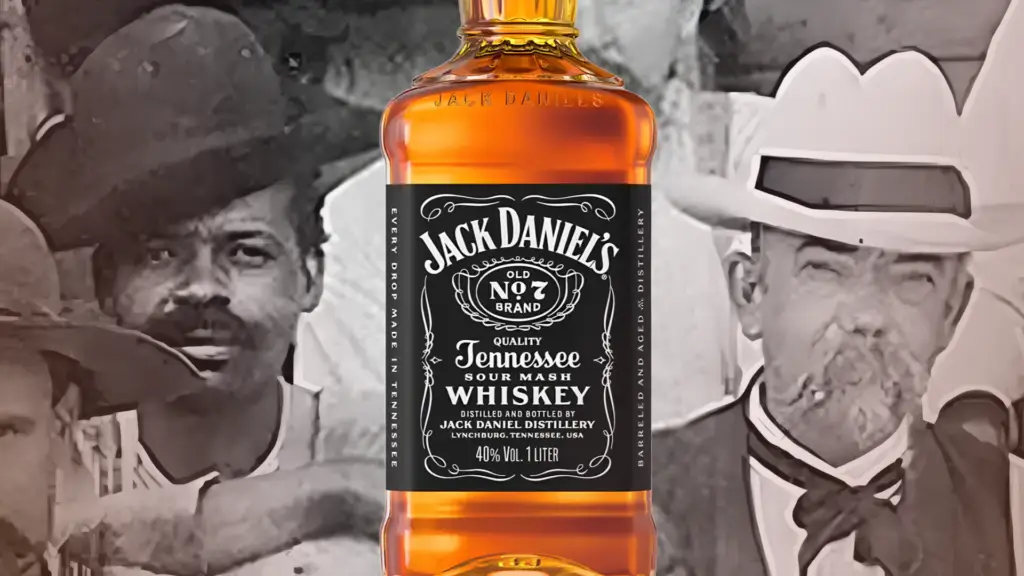
Nathan Nearest Green: The Forgotten Father of American Whiskey
Long before Tennessee whiskey became an internationally recognised category, the hills around Lynchburg, Tennessee, were home to a network of farms, mills and small distilling operations where whiskey-making knowledge was passed from one generation to another. Among the distillers working in this community was Nathan “Nearest” Green, an African American whiskey maker whose name would […]
August 11, 2026
Distilleries & Producers
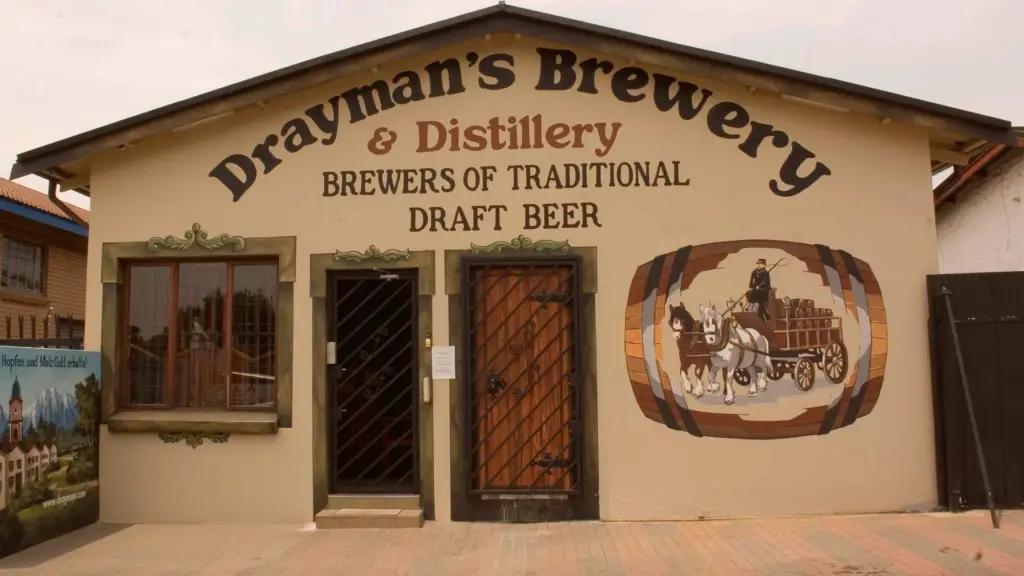
Drayman’s Brewery & Distillery: How Pretoria Put the Highveld on the Whisky Map
The story of Drayman’s Brewery & Distillery begins not in Scotland, Ireland or one of the traditional centres of whisky production, but in Pretoria, South Africa. The brewery was registered in 1997, beginning on a small scale in the Kallmeyer family’s home garage before moving to its present property in Silverton in 2002. That early […]
July 24, 2026