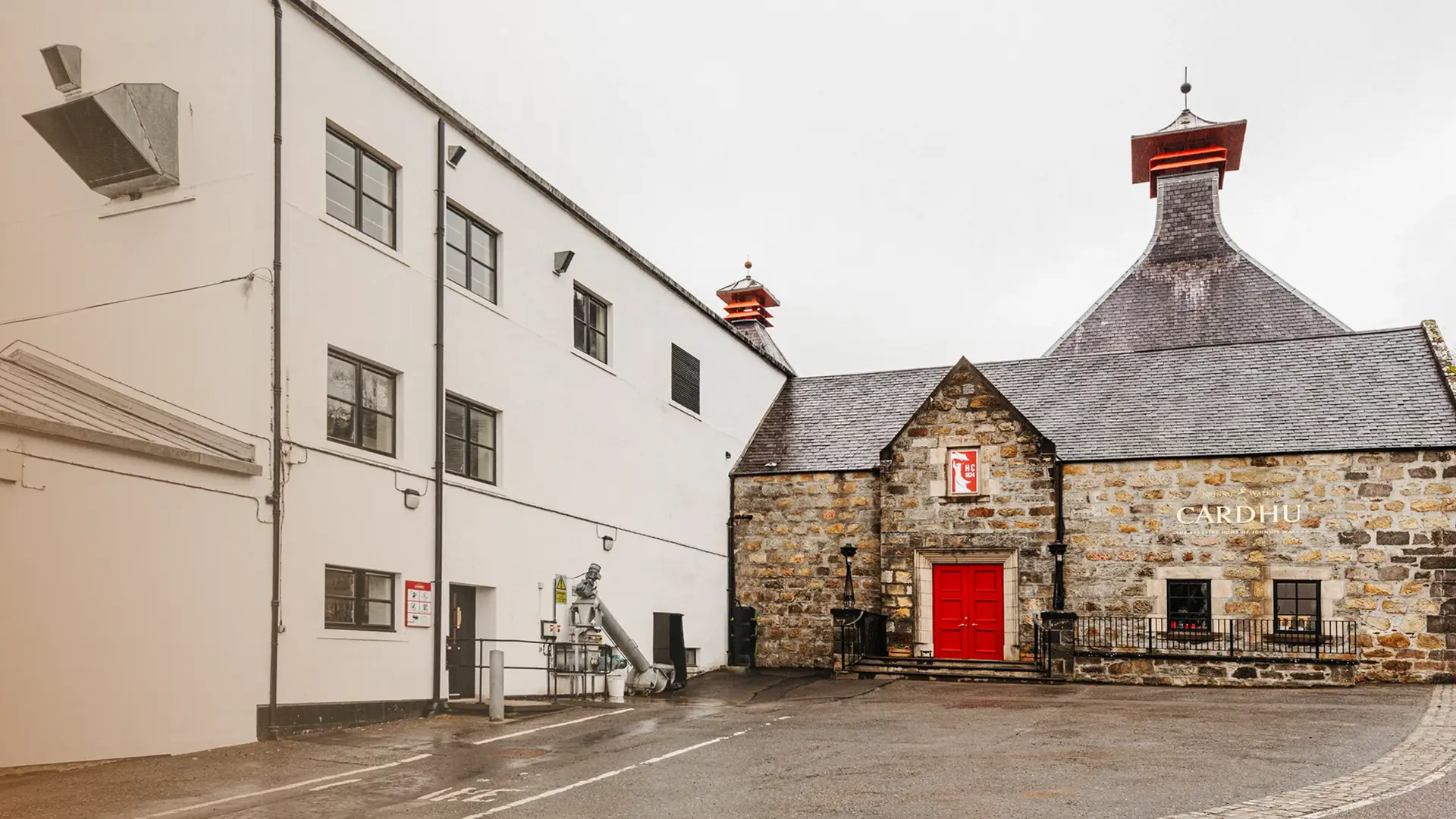
Before Speyside became a defined whisky region, distillation across the area existed in fragments. It was local, often unlicensed, and tied closely to farm life. At Cardow, near Archiestown in Moray, whisky production began in 1811, when John and Helen Cumming started distilling on their land.
By the time Cardhu Distillery was formally established in 1824, following the Excise Act of 1823, the distillery had already survived a period in which legal and illicit production overlapped. That early foundation matters because Cardhu Distillery did not simply emerge as a commercial distillery. It adapted into one. The shift from farm distillation to licensed production defines its place in Scotch whisky history.
Helen Cumming and the continuity of production
Cardhu’s early survival is closely associated with Helen Cumming, whose role extended far beyond that of a partner in a farm operation. Local accounts describe her managing distillation during a period when excise officers actively targeted unlicensed producers. Stories of her raising a red flag to signal approaching officials have become part of the distillery’s narrative, reflecting the tension between regulation and practice in early nineteenth-century Scotland.
After the transition to licensed production in 1824, Helen continued to oversee operations, maintaining consistency at a time when many small distilleries failed to formalise. Cardhu Distillery became one of the first distilleries in Scotland to be effectively led by a woman, a detail that remains central to its identity.
Expansion under Elizabeth Cumming
The transformation from small-scale operation to commercial distillery took shape under Elizabeth Cumming, daughter-in-law of Helen.
In 1872, she oversaw the construction of a new distillery on a nearby site, increasing capacity and positioning Cardhu Distillery within a growing whisky market. This move aligned with broader industry expansion, as demand for Scotch whisky increased both domestically and internationally.
Elizabeth’s influence extended beyond Cardhu itself. In 1893, she sold the distillery to John Walker and Sons, securing its long-term role within the blending industry. Earlier, she had also sold the original Cardhu stills to William Grant, contributing to the establishment of Glenfiddich Distillery in 1886. Her decisions connected Cardhu directly to two of the most influential names in Scotch whisky.
From a single distillery to a blended whisky system
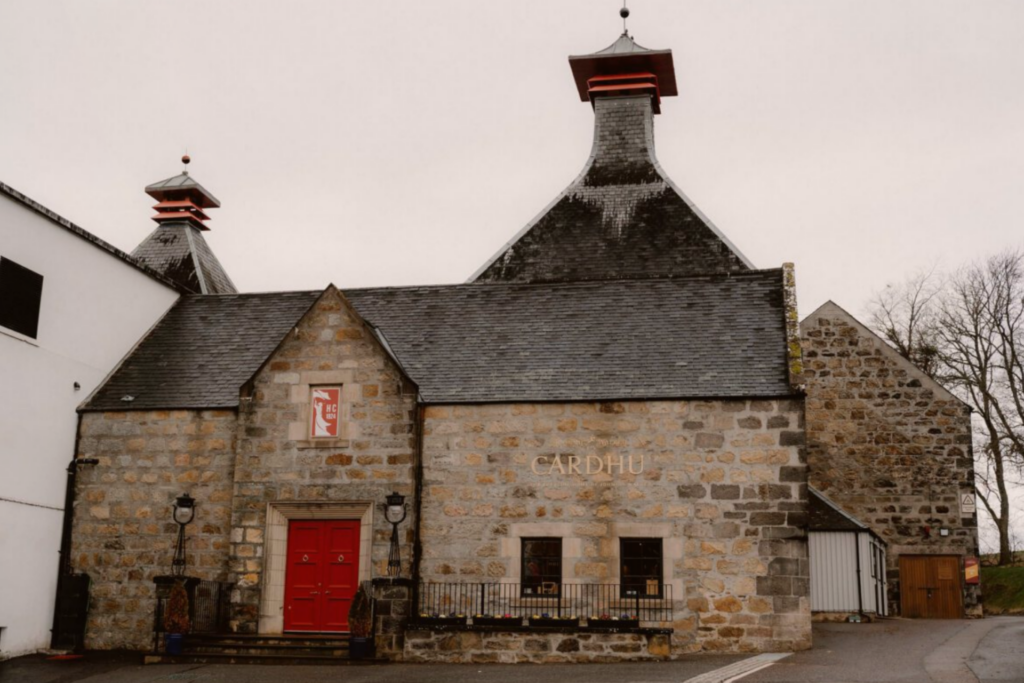
The sale of Cardhu Distillery in 1893 marked a structural shift. Under the ownership of John Walker and Sons, the distillery became part of an expanding blending system that would eventually form the foundation of Johnnie Walker.
Cardhu’s whisky, known for its soft, approachable character, became what is often described as a “heart malt” within these blends. It provides balance, contributing smoothness and continuity across expressions such as Johnnie Walker Red Label, Black Label, and later premium releases. At this stage, Cardhu moved beyond independent production and became integral to a global whisky system.
Production style and the formation of a signature profile
Cardhu’s production approach is defined by a focus on clarity and balance. The distillery employs a relatively slow distillation process, designed to produce a lighter spirit with fewer heavy compounds. This contributes to a profile that avoids smoke and emphasises fruit and sweetness.
The resulting whisky is typically described through notes of honey, pear, apple, and tropical fruit, supported by a smooth and rounded texture. This character has remained consistent across both its role in blends and its identity as a single malt.
Expressions such as Cardhu 12 Year Old, the distillery’s flagship release, illustrate this style clearly, offering a balanced and accessible profile. Other releases, including Cardhu 15 Year Old, Cardhu Amber Rock, and Cardhu Gold Reserve, extend this foundation with variations in cask influence and maturation approach.
The distillery’s style is defined by restraint rather than intensity, making it adaptable across different contexts.
Speyside identity and regional definition
During the 19th century, Speyside was not formally recognised as a whisky region. Distilleries existed across the area, but classification came later as the industry expanded and standardised for export.
Cardhu, alongside distilleries such as The Glenlivet and The Macallan, contributed to shaping what would become the Speyside style. Its emphasis on lighter, fruit-driven spirit helped define expectations for the region.
Today, Cardhu forms part of the Malt Whisky Trail, representing one of the key distilleries that define Speyside as a destination. It also serves as the Speyside component within Johnnie Walker’s “Four Corners of Scotland” concept, which links regional whisky styles to blended Scotch production.
Single malt and global recognition
Cardhu’s identity is not limited to its role in blending. In the late twentieth century, the distillery gained wider recognition as a single malt producer.
It was included in the original Classic Malts of Scotland collection launched by United Distillers in 1988, a range that helped introduce single malt Scotch to a global audience. Alongside distilleries such as Lagavulin, Talisker, and Glenkinchie, Cardhu represented the Speyside style within this framework.
This moment marked its transition from a blending component to a recognised single malt in its own right.
Meaning of name and place
The name Cardhu derives from the Gaelic Carn Dubh, meaning “Black Rock.” This reference anchors the distillery in its physical landscape, connecting the product to its environment in a way that reflects both geography and language.
Like many distilleries of its era, the connection to place is both practical and symbolic. Water sources, location, and local identity all contribute to how the whisky is understood.
Cardhu within modern ownership
Today, Cardhu Distillery operates under Diageo, following a series of consolidations that brought together many historic Scotch distilleries. Within this structure, it continues to perform two roles.
It remains a key contributor to Johnnie Walker blends while also maintaining its presence as a single malt brand. This dual function reflects the broader structure of the Scotch whisky industry, where individual distilleries often operate within larger production systems.
The importance of Cardhu Distillery in spirits culture is not tied to a single moment or innovation. It lies in its continuity across a period of transformation.
It began as a farm distillery operating within an informal system. It adapted to regulation, expanded under new leadership, and became embedded within the global structure of blended Scotch whisky. Along the way, it contributed to defining Speyside identity and to introducing single malt whisky to a wider audience.
The transition from farm to commercial whisky at Cardhu Distillery is not theoretical. It is a documented progression that mirrors the development of Scotch whisky itself.


Distillery
Cardhu Distillery, nestled in the stunning Speyside region of Scotland, is celebrated for producing high-quality single malt Scotch…
Distillery
John Walker & Sons is a renowned Scotch whisky distillery that has become synonymous with quality and excellence…
Distillery
The Macallan Distillery is a beacon of heritage and craftsmanship located in the heart of Speyside, in the…
Distillery
The Glenlivet Distillery is an iconic Scottish whisky producer situated in the picturesque region of Speyside, near Ballindalloch…
Distillery
William Grant & Sons Distillers Ltd
William Grant & Sons Distillers Ltd is a pioneering family-owned distillery renowned for crafting some of the world's…
Spirit
John Walker & Sons Celebratory Blend Blended Scotch Whisky
John Walker & Sons Celebratory Blend is a tribute to the illustrious history of the Johnnie Walker brand,…
Spirit
Cardhu Gold Reserve Cask Selection Single Malt Whisky
Cardhu Gold Reserve Cask Selection Single Malt Whisky is a distinguished expression from the renowned Cardhu distillery, situated…
Spirit
Cardhu Amber Rock 1824 Double Matured Single Malt Scotch Whisky
Cardhu Amber Rock 1824 is a remarkable expression of Scotch whisky that epitomizes the mastery of double maturation.…
Spirit
Johnnie Walker Black Label Highlands Origin 12 YO Blended Malt Scotch Whisky
Johnnie Walker Black Label Highlands Origin 12 YO is an exquisite expression in the world of blended malt…
Spirit
Cardhu 12 Years Old Scotch Whisky embodies a rich legacy of craftsmanship that dates back over 200 years.…
Spirit
Cardhu 15 YO Aged Single Malt Whisky
Cardhu 15 Year Old Single Malt Scotch Whisky is a distinguished expression from the famed Speyside region of…
Spirit
John Walker & Sons Signature Blend Blended Scotch Whisky
John Walker & Sons Signature Blend is an exceptional creation from the renowned Johnnie Walker brand, celebrated for…

Distilleries & Producers
Roseisle Distillery: The High-Tech Speyside Giant Behind a New Generation of Whisky
In Speyside, where whisky is often associated with generations of tradition, Roseisle Distillery represents something very different. Built by Diageo near Elgin and officially opened in 2010, Roseisle was designed as a modern, large-scale malt whisky distillery, combining traditional pot-still production with advanced engineering, energy recovery and unusual flexibility in how its spirit can be […]
September 2, 2026
Distilleries & Producers
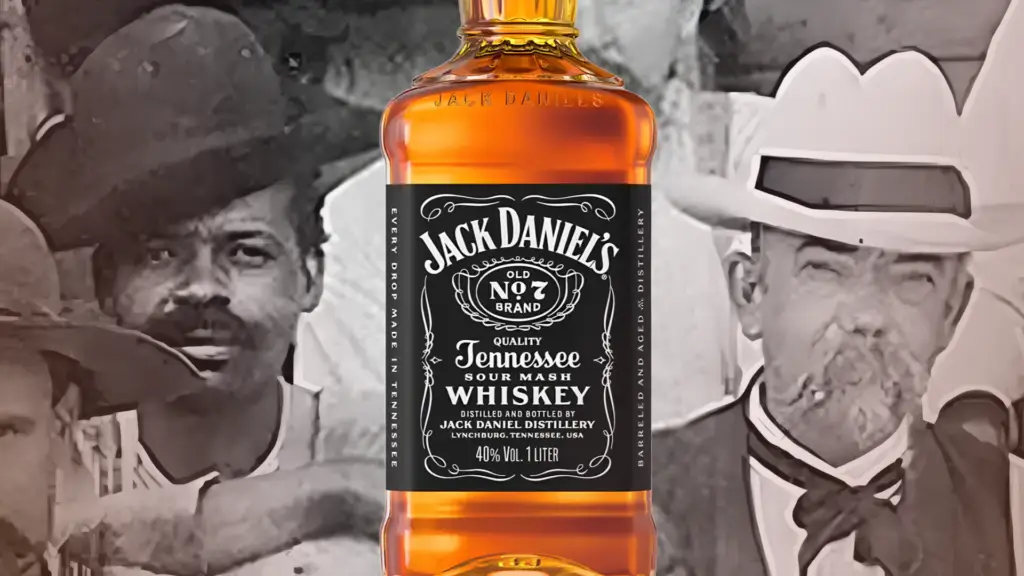
Nathan Nearest Green: The Forgotten Father of American Whiskey
Long before Tennessee whiskey became an internationally recognised category, the hills around Lynchburg, Tennessee, were home to a network of farms, mills and small distilling operations where whiskey-making knowledge was passed from one generation to another. Among the distillers working in this community was Nathan “Nearest” Green, an African American whiskey maker whose name would […]
August 11, 2026
Distilleries & Producers
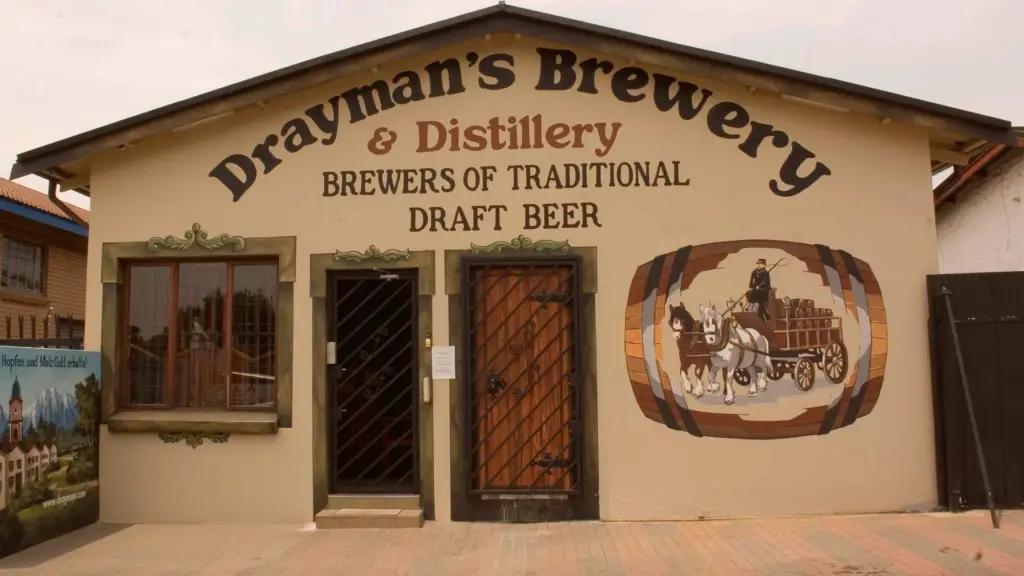
Drayman’s Brewery & Distillery: How Pretoria Put the Highveld on the Whisky Map
The story of Drayman’s Brewery & Distillery begins not in Scotland, Ireland or one of the traditional centres of whisky production, but in Pretoria, South Africa. The brewery was registered in 1997, beginning on a small scale in the Kallmeyer family’s home garage before moving to its present property in Silverton in 2002. That early […]
July 24, 2026