Madeiran Rum production has always been defined less by volume than by method. Unlike Caribbean regions shaped by plantation scale and colonial export markets, Madeira developed a rum culture rooted in small agricultural units, seasonal cane harvests, and legally enforced technical choices. The island’s modern rum identity is structured around a clear technical divide between pot still distillation and column still distillation, a divide that determines not only flavour, but legality, classification, and cultural meaning.
This distinction is not theoretical. Madeira’s regulations reflect it, and named distilleries and spirits express it directly.
Sugarcane cultivation on Madeira dates back to the 15th century, when the island served as one of Europe’s earliest sugar production hubs. By the 16th century, competition from the Caribbean reduced Madeira’s role as a sugar exporter, but small-scale cane farming persisted across the island, particularly along the north coast.
Modern Madeiran rum is produced from fresh sugarcane juice, not molasses. This places it closer to French agricole traditions than to most Atlantic rum styles. However, Madeira diverges sharply in how that juice is distilled, and the divergence defines the category.
Pot Still Distillation and the Identity of Madeira Rum Agricola
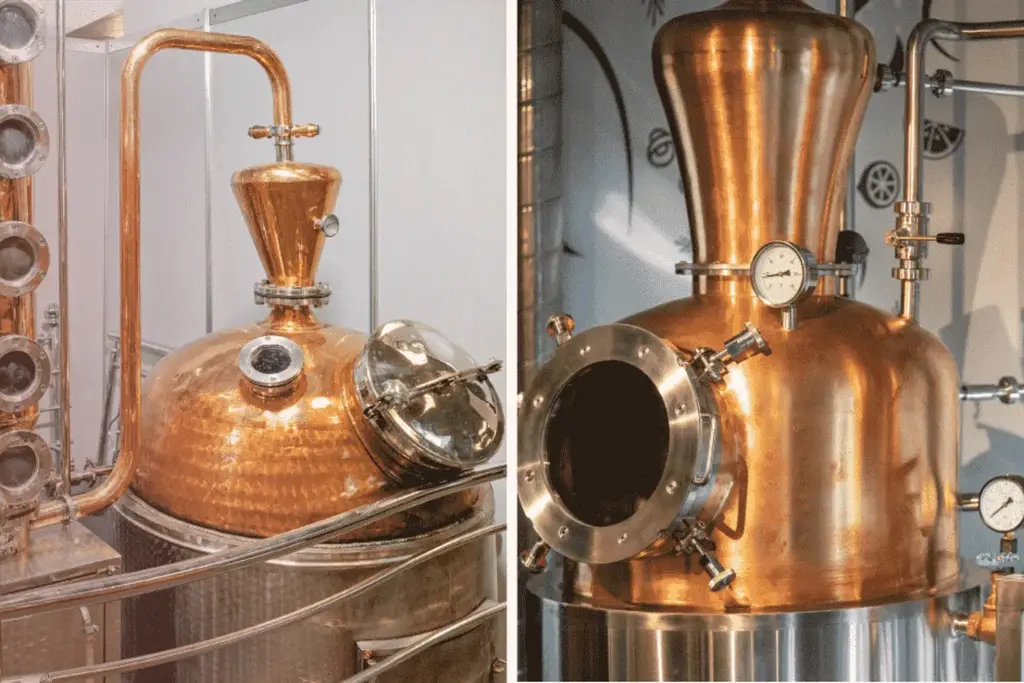
Pot still distillation represents the historical core of Madeiran rum. It is the legally required method for Rum da Madeira Agricola, the designation reserved for rums distilled from fresh sugarcane juice using batch distillation.
This method preserves volatile compounds, vegetal aromatics, and textural weight. Fermentations are typically short, reflecting the island’s climate and the perishability of cane juice. The resulting distillate is expressive, often raw in youth, and designed to reflect both cane variety and harvest conditions.
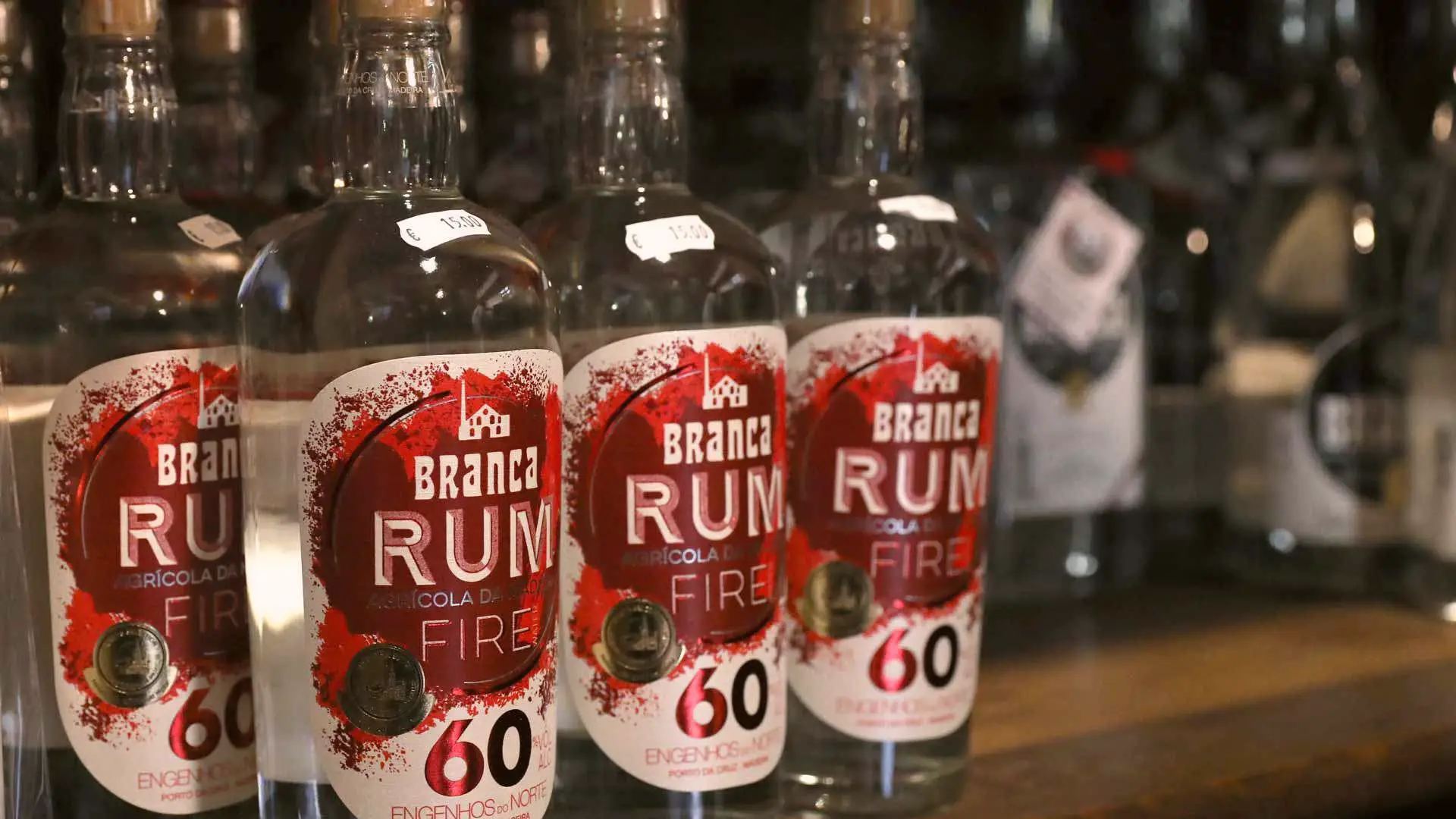
The most influential producer in this category is Engenhos do Norte, located in Porto da Cruz. Operating historic steam-powered machinery, the distillery produces rums such as Branca Agricola Engenhos do Norte and aged expressions under the Rum da Madeira 970 designation.
These spirits are distilled in copper pot stills and aged locally, often in neutral or lightly active wood, prioritising oxidation over oak dominance. In this context, time refines structure rather than masking origin.
Column Still Distillation and the Path of Rectification
Column still distillation arrived on Madeira during the 20th century, driven by demand for lighter, more neutral spirits suited to blending and broader consumption. Continuous distillation allows for higher alcohol strength and greater removal of congeners, producing a cleaner and more consistent spirit.
Under Madeiran law, rums produced via column stills cannot be labelled as Agricola. They are classified separately, often intended for mixing, export, or use as base spirits. While still made from sugarcane juice, their technical identity is fundamentally different.
The primary producer operating in this space is Sociedade de Engenhos da Calheta, based in Calheta on Madeira’s southwest coast. This distillery produces column-distilled rums such as Rum da Calheta, which emphasise smoothness and accessibility over aromatic intensity.
These rums play an important economic role but occupy a different cultural position. Their design prioritises versatility rather than terroir expression.
Regulation and the Codification of Technique
Madeira’s rum regulations formalise the technical divide. Pot still distillation is mandatory for Agricola classification, while column still rums fall outside that designation regardless of raw material. Ageing categories are also defined, with minimum maturation periods required for labelled age statements.
This legal clarity prevents the erosion of identity seen in less regulated rum-producing regions. By separating distillation methods at a regulatory level, Madeira preserves multiple rum styles without allowing technical ambiguity.
The distinction is not about hierarchy. It is about purpose. Each method serves a different function within the island’s rum economy.
Sensory Consequences of Distillation Choice
The sensory impact of distillation method is immediate. Pot still Madeiran rums display pronounced cane character, herbal tones, and a firm, sometimes austere structure when unaged. Ageing introduces dried fruit, nut, and saline notes without erasing vegetal origin.
Column still rums are lighter, rounder, and more neutral. Their profiles are shaped more by fermentation cleanliness and dilution than by distillation character. They integrate easily into mixed drinks but offer less narrative about place. This difference explains why Agricola rums from Madeira are increasingly sought by drinkers interested in raw material transparency and production discipline rather than sweetness or oak-driven profiles.
Ageing, Time, and Intent: Madeiran rum production
Ageing practices further reinforce the divide. Pot still rums are often aged locally in Madeira’s temperate climate, allowing slow oxidation without excessive evaporation. Cask selection tends toward restraint.
Column still rums may be aged or left unaged depending on use, with ageing often serving a smoothing function rather than a structural one. In both cases, ageing follows intent rather than prestige. The goal is alignment with distillation method, not conformity to external expectations.
Contemporary Relevance and Revival
In recent years, Madeira’s pot still rum tradition has gained renewed attention as drinkers seek spirits with traceable origin and technical clarity. This interest aligns with broader reevaluations of rum as an agricultural product rather than a sweetened commodity. The survival of steam-driven pot still distillation at Engenhos do Norte is not nostalgia. It is continuity. It demonstrates that technical discipline, when protected by law, can remain economically viable. Barlist records rum by documenting how distillation choices shape legal classification and cultural meaning. In Madeira, the separation between pot still and column still rum is not stylistic interpretation but formal structure.

Global spirits authority, author of the Spirits Guidelines, and Director of the Spirits Selection by CMB, bringing 25+ years of international category expertise to Barlist.

In partnership with Spirits Selection
Spirits Selection is a global spirits competition and editorial partner of Barlist, contributing expertise, tasting insights, and institutional credibility to selected stories and guides.

Spirit
North Natural Agricola Da Madeira Rum
North Natural Rum is a distinguished rum that hails from Engenhos do Norte, the foremost distillery located on…
Spirit
O Reizinho Madeira Rum is a distinguished spirit that embodies the rich heritage and artisanal craftsmanship of the…
Spirit
Engenhos do Norte North Natural Rum
Engenhos do Norte North Natural Rum is a distinguished representative of Madeiran agricultural rum, crafted with meticulous attention…
Spirit
980 Engenhos Do Norte Rum Agricola Da Madeira 40°
980 Engenhos Do Norte Rum Agricola Da Madeira 40° is a distinguished example of agricultural rum, crafted on…
Spirit
English Harbour Madeira Cask Finish Rum
English Harbour Madeira Cask Finish Rum is a premium offering from Antigua Distillery Ltd, showcasing the rich and…
Spirit
That Boutique-y Rum Company 3 YO Engenho Novo Da Madeira Rum
Engenho Novo Da Madeira 3 YO is a testament to the craftsmanship and traditional methods of rum production…
Partnership
From Porto da Cruz to Calheta: The Distilleries That Define Madeiran Rum
Madeiran rum exists within a narrow technical and geographic framework that resists abstraction. Unlike Caribbean or Latin American rum traditions shaped by scale and export, rum production on Madeira remains tied to fresh sugarcane juice, seasonal distillation, and localised milling. From the northern coast at Porto da Cruz to the southern town of Calheta, a […]
September 9, 2026
Partnership
Pisco and the Legal Identity of a South American Grape Spirit
The story of Pisco begins with the arrival of vines in colonial South America. Spanish settlers introduced grape growing along the Pacific coast, where dry valleys, irrigation, and sunlight allowed viticulture to develop in areas that were otherwise defined by desert, mountains, and ocean. Wine came first. Distilled grape spirit followed. In Peru, the name […]
August 30, 2026
Partnership
Bourbon: The American Whiskey Defined by Federal Law and New Oak
Bourbon did not begin as a luxury category like other American Whiskey. It began with grain, settlement, transport, and the need to turn agricultural surplus into something stable enough to move and sell. In early American farming regions, corn was abundant, bulky, and perishable. Whiskey gave it value beyond the field. Over time, that practical […]
August 23, 2026