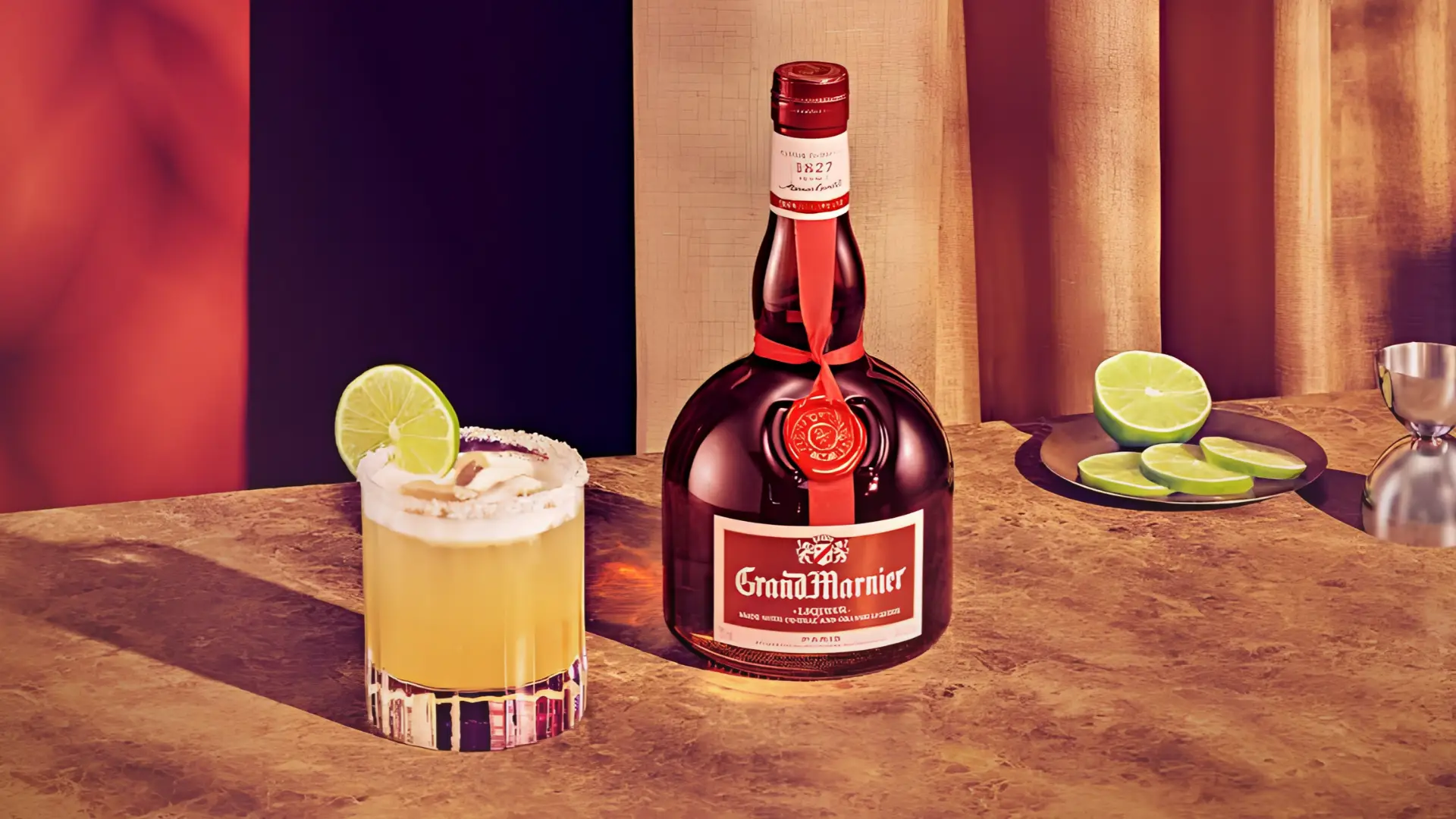
The shift from a standard Margarita to a Grand Margarita happens in a single substitution, but the change is immediate in the glass. Where most builds rely on lighter orange liqueurs, this version is structured around Grand Marnier, introducing a deeper, more weighted profile that alters how the drink is perceived from the first sip.
The style is closely associated with late twentieth-century American restaurant bars, particularly in California and parts of the wider United States, where Cadillac Margaritas emerged as premium menu offerings. El Torito helped popularise the format in the 1980s, often presenting it as an upgrade built around higher-quality Tequila and a Grand Marnier float.
Structure and Balance
At its core, the Grand Margarita follows the same framework as the Margarita: tequila, lime, and orange liqueur. The difference lies entirely in how that liqueur behaves.
Grand Marnier is based on Cognac rather than neutral spirit, bringing oxidative depth and a heavier mid-palate. Compared to triple sec, it contributes less immediate sweetness and more integrated warmth. The lime remains essential for structure, but it no longer dominates the opening; instead, it settles into a broader, more cohesive balance.
Tequila and Liqueur Interaction
The defining character of the drink comes from how Tequila interacts with the liqueur. Tequila provides vegetal, earthy notes shaped by agave, while Grand Marnier introduces a richer, brandy-driven layer.
Together, they change how the drink unfolds. The citrus folds into the body rather than leading it, sweetness remains controlled rather than forward, and the finish develops gradually with a distinct warmth carried by the Cognac base. The overall effect is less about brightness and more about integration.
Dilution and Service
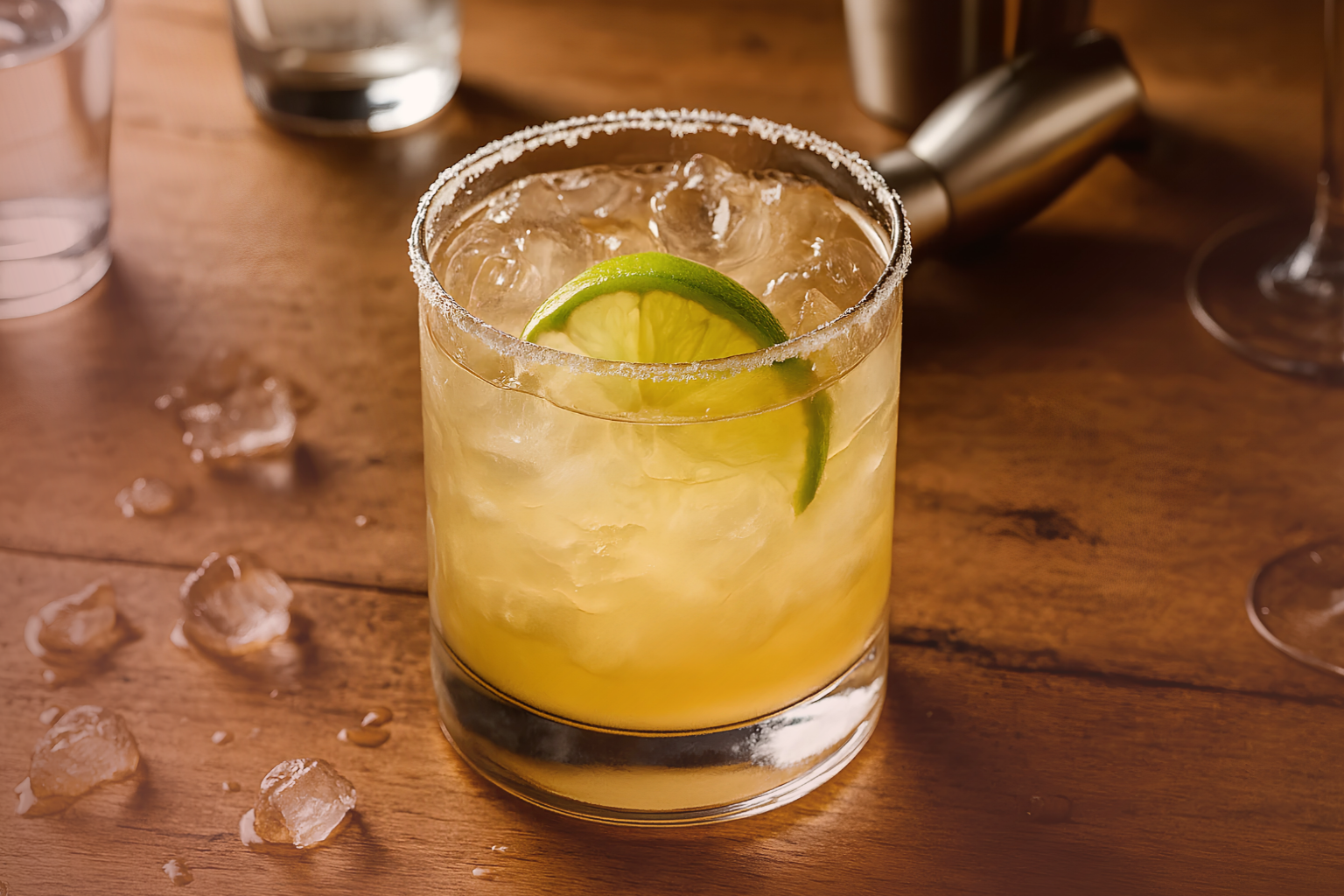
The Grand Margarita is prepared as a shaken cocktail, but its structure requires careful dilution. Without enough water, the liqueur sits heavily; with proper shaking, the components integrate and the citrus becomes more expressive.
It is typically served over fresh ice or straight up, often with a salted rim used selectively to reduce bitterness and highlight the agave character. In many bar programs, Grand Marnier may be added as a float rather than mixed fully, allowing the drink to evolve as it is consumed, shifting from a brighter opening into a deeper, more rounded finish.
Position and Recognition
Unlike many Margarita variations, the Grand Margarita does not introduce new flavours. It alters the weight and texture of an existing component. This makes it less of a reinterpretation and more of a recalibration.
The International Bartenders Association lists the Grand Margarita among its New Era Drinks, placing it within the modern international cocktail canon rather than treating it as merely an informal premium variation. That recognition fits the drink’s structure: tequila, lime, and Grand Marnier used to create a broader, richer expression of the Margarita format.
A Well-Executed Grand Margarita
A well-executed version is easy to identify. The acidity is present but controlled, the sweetness sits within the structure rather than on top of it, and the finish carries a clear, warming depth. When balanced correctly, the drink sits between a Margarita and a spirit-forward sour, defined by density and cohesion rather than contrast.
Why the Grand Margarita Endured
The Grand Margarita endured because its development did not depend on changing the identity of the original Margarita. Instead, it demonstrated how a familiar cocktail could move into a richer register through one carefully chosen ingredient. Grand Marnier contributes the orange character expected from the traditional structure while adding the weight of Cognac, allowing tequila and citrus to remain recognisable beneath a fuller texture. This made the drink particularly suited to restaurant and hotel bars, where premium variations of established cocktails became increasingly common. Whether incorporated during shaking or presented as a float, the liqueur gives the drink a distinctive progression. The Grand Margarita remains recognisable because the original framework survives, even as its depth and character change.

Renowned international hospitality consultant, founder of Barpartners, and IBA Vice President of Classic Mixology, bringing over 25 years of luxury hotel bar operations.

In partnership with International Bartenders Association
The International Bartenders’ Association stands at the crossroads of exchange between new and established generations of professionals.
Cocktail
The Tequila Sour is a spirited twist on the classic sour template, a family of cocktails that balance…
Cocktail
The Margarita is one of the most enduring and beloved cocktails in the world, often regarded as the…
Spirit
Tequila 30-30 Reserva Especial Añejo
Tequila 30-30 Añejo is a premium tequila that pays homage to the rich history and tradition of Mexican…
Spirit
Tequila 30-30 Blanco is a distinguished blanco tequila crafted from 100% Blue Weber agave sourced from the highlands…
Spirit
Grand Marnier Raspberry Peach n°2 Liqueur
Grand Marnier Raspberry Peach n°2 Liqueur is a unique fusion that reflects the spirit of innovation and sophistication…
Partnership
Balance and the Structural Language of the Cocktail
Balance is one of the central ideas in bartending, yet it is rarely experienced as a single flavour or technique. It is recognised through the way a drink holds together: strength does not suppress aroma, sweetness does not obscure acidity, bitterness remains purposeful, and water gives the ingredients room to unfold. For the bartender, balance […]
July 7, 2026
Partnership
Tequila and the Protected Origin of Blue Weber Agave Spirit
Blue agave shaped western Mexico before Tequila became a protected name. The plant was part of food, fibre, fermentation, field culture, and regional identity long before international markets began to recognise the spirit. Around the town of it, agave cultivation became tied to volcanic land, labour, haciendas, distillation, and trade. The modern category grew from […]
July 5, 2026
Cocktails
International Margarita Day 2026: Agave, Acidity, and Structural Precision
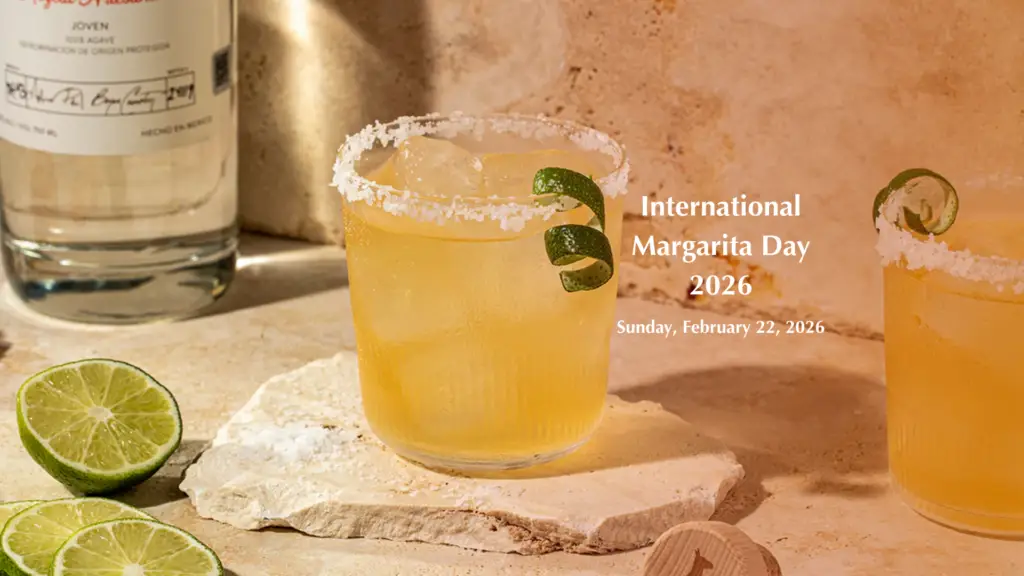
International Margarita Day returns on February 22, 2026, reaffirming the relevance of a cocktail that continues to define structural balance in modern mixology. The Margarita remains one of the most globally recognized tequila drinks, yet its apparent simplicity conceals technical demands that separate an acceptable version from a precise one. In contemporary bars, the Margarita […]
February 22, 2026