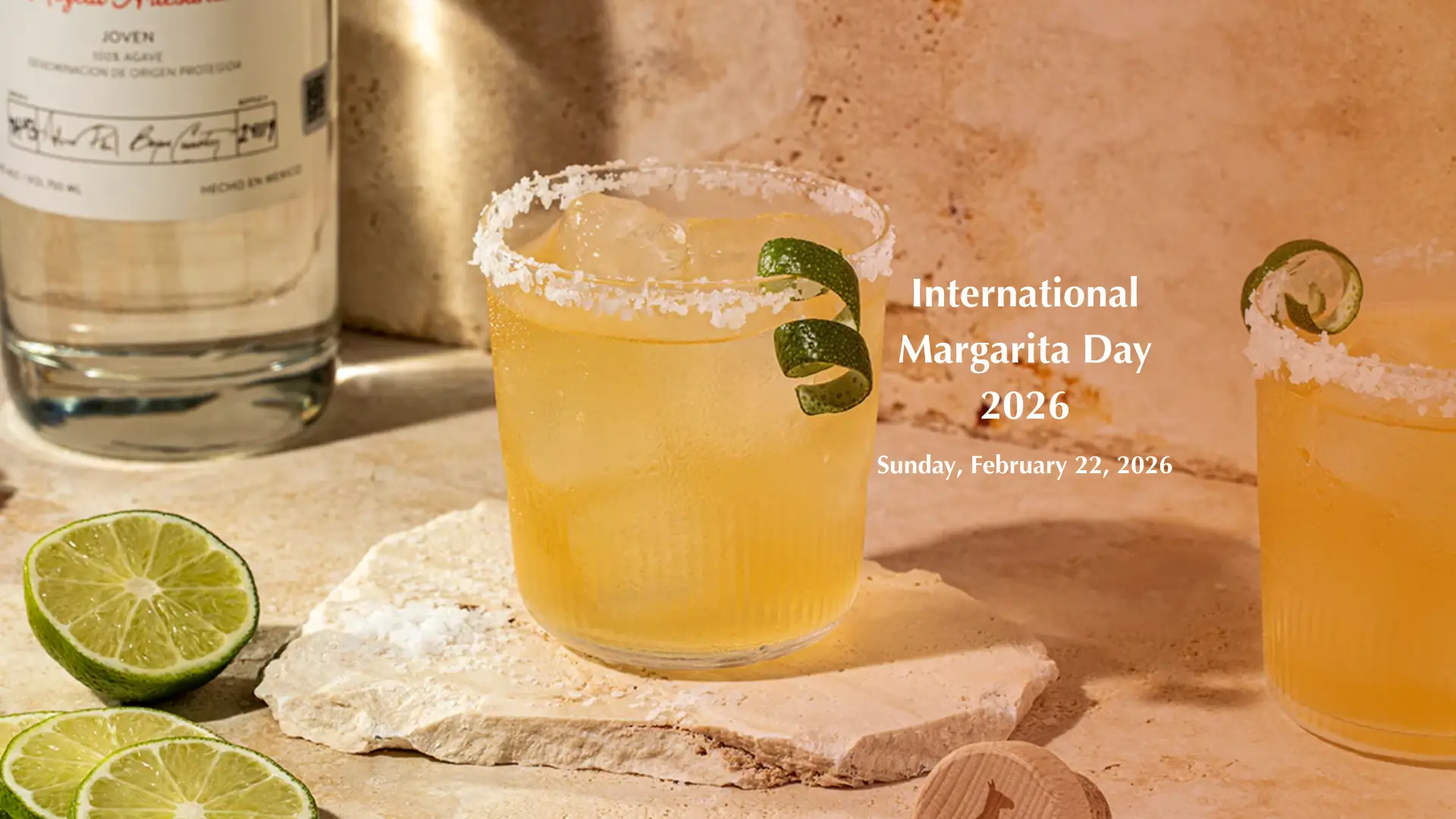
International Margarita Day returns on February 22, 2026, reaffirming the relevance of a cocktail that continues to define structural balance in modern mixology. The Margarita remains one of the most globally recognized tequila drinks, yet its apparent simplicity conceals technical demands that separate an acceptable version from a precise one. In contemporary bars, the Margarita is less a party staple and more a benchmark of calibration.
At its foundation, the Margarita is built on three primary components: Tequila, orange liqueur, and fresh lime juice. Each element carries structural responsibility. Tequila provides backbone and texture. Lime introduces acidity and lift. Orange liqueur integrates sweetness while reinforcing citrus aromatics. The drink succeeds only when these forces remain in controlled tension.
Agave as Foundation
The selection of tequila defines the framework of the cocktail. Blanco expressions emphasize brightness, pepper, and vegetal clarity, allowing lime acidity to sit sharply against the agave core. Reposado variants introduce subtle oak integration, softening edges and expanding mouthfeel. Production method further influences structure. Tequila made from traditionally cooked agave and slow fermentation tends to preserve textural depth, while industrial efficiency can result in sharper, leaner profiles.
For Margarita construction in 2026, bartenders increasingly prioritize additive-free tequila, transparency in production, and clear agave provenance. The spirit is no longer a neutral base but a structural anchor. Its viscosity, proof, and aromatic definition determine how the cocktail will carry dilution and citrus integration.
Acidity as Architecture
Fresh lime juice is often treated as a simple souring agent, yet it functions as the architectural tension within the drink. The pH level of lime juice fluctuates depending on origin and harvest, affecting perceived sharpness. Skilled bartenders account for this variability through micro adjustments in liqueur volume or dilution time.
Acidity must remain assertive without collapsing the agave profile. Excessive lime overwhelms the palate, flattening nuance. Insufficient lime leaves, sweetness exposed and structure undefined. Precision shaking controls dilution while integrating citrus oils into the matrix of the spirit. Texture is shaped not only by ingredient ratio but by technique.
Structural Sweetness
Orange liqueur acts as the binding element. Whether using triple sec or curaçao, sweetness must round acidity without creating syrup weight. Modern bars often favor drier expressions to preserve tension. The goal is cohesion, not confection.
Balance in the Margarita is not static. It is dynamic. Proof, dilution, citrus quality, and liqueur selection shift perception. Structural precision means anticipating these variables and adjusting accordingly.
Salt and Sensory Framing
The salted rim is more than aesthetic. Sodium suppresses bitterness and heightens sweetness, subtly altering perception with each sip. Partial rim application has become common in high-end cocktail programs, allowing guests to control sensory contrast. The salt should complement rather than dominate, reinforcing clarity rather than masking imbalance.
Technique as Differentiator
Shaken preparation remains the classical method, producing aeration and temperature control. However, contemporary interpretations include clarified Margaritas, carbonated versions, and precision batching for service consistency. Each adaptation preserves the triangular tension of agave, acidity, and sweetness. Innovation does not replace structure. It refines it.
International Margarita Day highlights this evolution. What began as a mid-20th-century tequila cocktail has become a reference model for technical discipline. Bartenders evaluate new tequila releases, citrus sourcing practices, and liqueur formulations through the lens of Margarita performance. If the spirit holds balance under citrus pressure and controlled dilution, it proves structural integrity.
Cultural Endurance
The Margarita’s longevity stems from its universality. It adapts to regional preferences while retaining its core identity. Spicy infusions, smoked salts, or seasonal fruit overlays may adjust aromatic framing, yet the foundation remains intact. Agave provides depth. Lime delivers tension. Orange liqueur ensures cohesion.
In 2026, the Margarita stands not as a trend-driven drink but as a calibration tool. It teaches proportion, discipline, and restraint. Its endurance confirms that technical clarity often outlasts complexity. The cocktail succeeds when nothing dominates and nothing disappears.
On International Margarita Day, the celebration extends beyond festivity. It becomes an opportunity to revisit structure, refine execution, and acknowledge that true simplicity is engineered.
Barlist approaches the Margarita as a structural model rather than a seasonal celebration. By examining tequila production, citrus variability, liqueur integration, and technique, the cocktail reveals itself as a study in calibrated tension. International Margarita Day is less about indulgence and more about precision. The Margarita remains a global benchmark because it rewards discipline.
Cocktail
The Strawberry Margarita is a fruity and refreshing variation of the classic Margarita, blending the iconic structure of…
Cocktail
The Margarita is one of the most enduring and beloved cocktails in the world, often regarded as the…
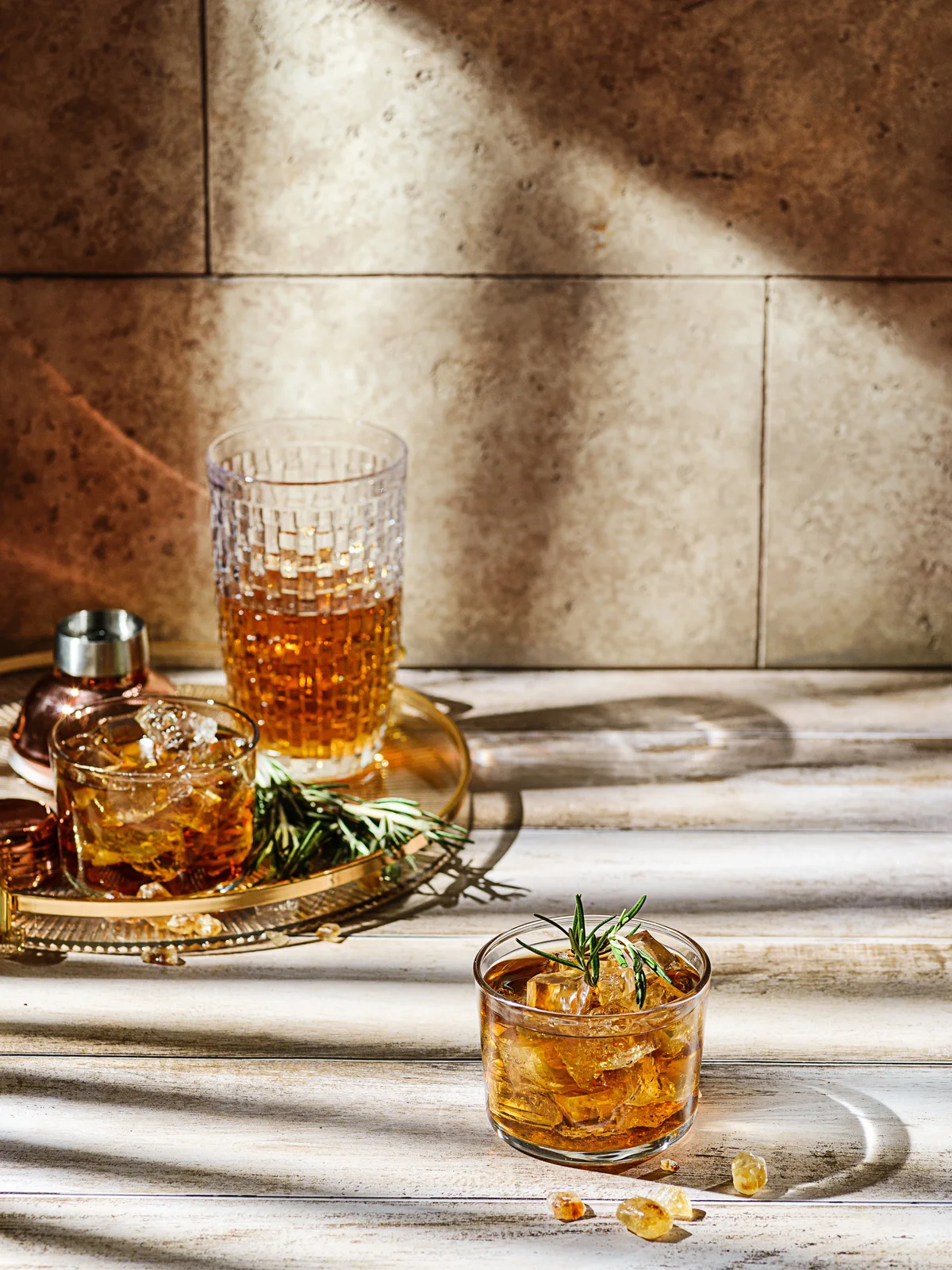
Cocktail
The Blue Margarita is a vibrant twist on the classic Margarita, featuring the bright, citrus-forward flavors of tequila…
Cocktail
Whitecap Margarita is a refreshing and visually striking twist on the classic margarita, offering a crisp, citrus-forward flavor…
Partnership
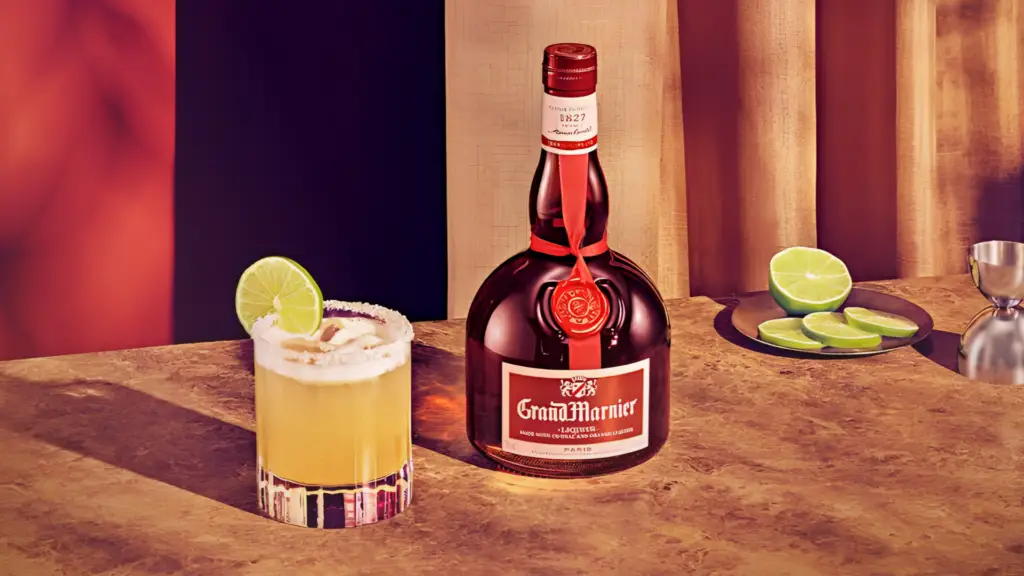
Grand Margarita: The Margarita Variation Defined by Liqueur Choice
The shift from a standard Margarita to a Grand Margarita happens in a single substitution, but the change is immediate in the glass. Where most builds rely on lighter orange liqueurs, this version is structured around Grand Marnier, introducing a deeper, more weighted profile that alters how the drink is perceived from the first sip. […]
September 10, 2026
Mixology
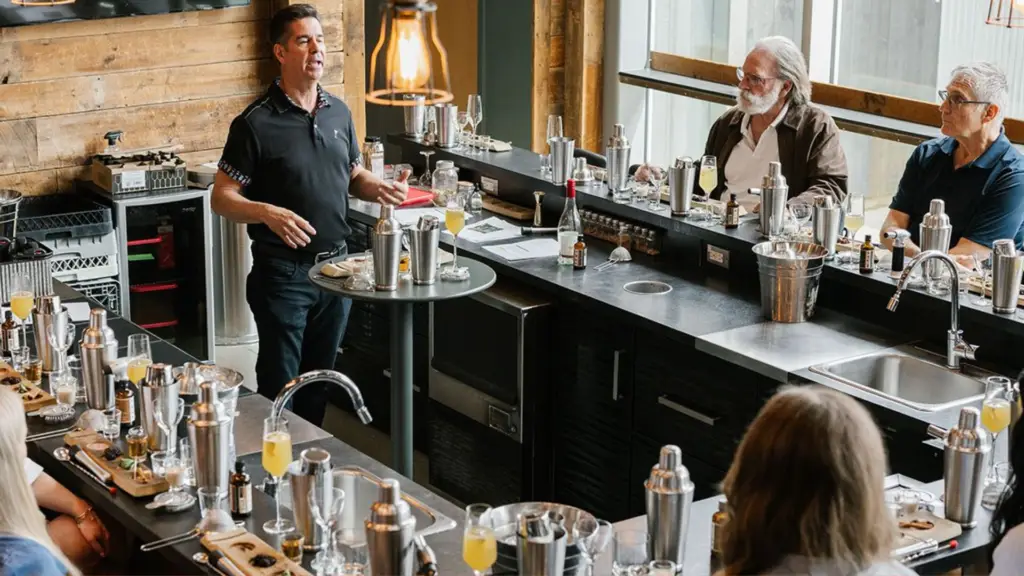
Mixology Classes: Where Flavor Meets Art
The rise of mixology classes reflects a fundamental shift in how cocktails are understood and respected. What was once viewed as simple bartending has evolved into a discipline that combines technique, sensory awareness and cultural literacy. Modern mixology education sits at the intersection of flavor science and artistic expression shaping how cocktails are crafted and […]
December 23, 2025
Cocktails
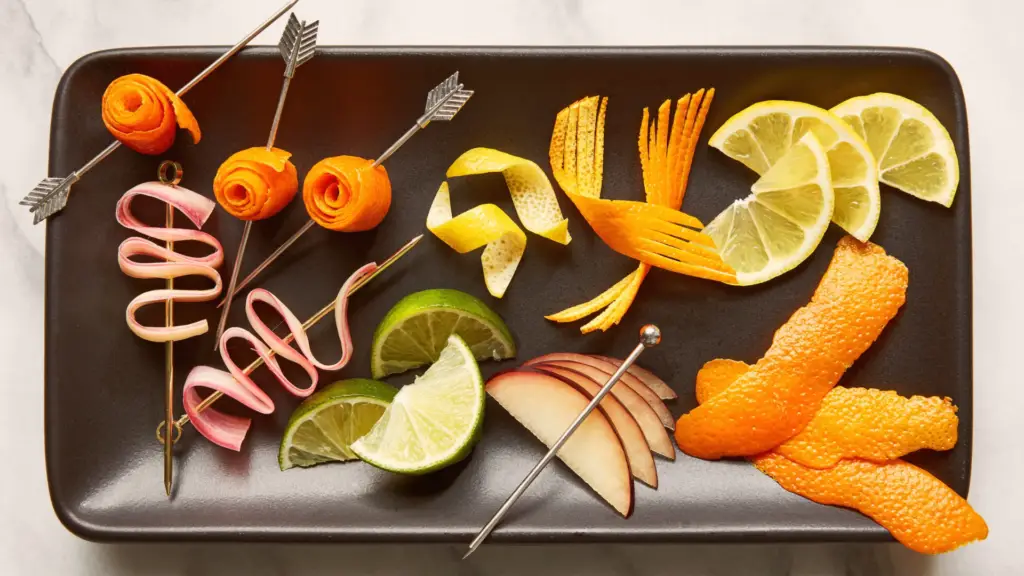
Garnish and the Final Expression of the Cocktail
The Garnish arrives at the end of preparation, yet it often leads the guest’s first impression. Before the drink reaches the palate, the eye registers colour and form while the nose encounters aroma rising from the glass. Garnish therefore belongs to the sensory language of the cocktail. It can clarify identity, prepare expectations, and complete […]
September 15, 2026