Aperitivo as Bartending Practice
Aperitivo occupies a fundamental place in the history and professional practice of bartending. More than a drink served before dinner, it represents a cultural ritual connecting gastronomy, hospitality and cocktail craftsmanship. For the bartender, aperitivo service prepares the palate, establishes the atmosphere of the bar and sets the pace for the evening ahead. Its importance lies as much in the occasion it creates as in the ingredients placed in the glass.
Origins and Italian Foundations
The origins of aperitivo can be traced back to antiquity, when wines infused with herbs, honey or botanicals were used in medicinal and dietary contexts to stimulate appetite and digestion. The word derives from the Latin aperire, meaning “to open”, reflecting the idea of opening the appetite before a meal. Over time, this practical association developed into a social custom, particularly in Italy, where the pre-dinner drink became part of everyday hospitality.
A defining moment occurred in 1786 in Turin, when Antonio Benedetto Carpano created what is widely regarded as the first modern commercial Italian vermouth. By combining wine with botanicals, sweetness and bitterness, vermouth offered a structure particularly suited to pre-dinner drinking. It could be served on its own, lengthened with soda or used to connect stronger ingredients within a mixed drink.
Other Italian products broadened the character of the category. In 1860, Gaspare Campari created the bitter aperitivo that would bear his name. Aperol was created in Padua in 1919, following the work of brothers Luigi and Silvio Barbieri. Although distinct in strength, bitterness and aromatic profile, Campari and Aperol became closely associated with the colour, flavour and sociability of Italian aperitivo culture.
Aperitivo in Cocktail Form
During the nineteenth century, the professionalisation of bartending and the publication of early cocktail manuals helped formalise mixed-drink technique. Jerry Thomas’s 1862 How to Mix Drinks marked a turning point in bar culture, establishing the bartender as both technician and host. Vermouth and aromatised wines became increasingly important in later 19th-century cocktail practice, particularly in drinks such as the Manhattan, Martinez and Martini.
The Americano demonstrates how the aperitivo tradition moved naturally into cocktail form. Its combination of bitter aperitivo, sweet vermouth and soda water brings together bitterness, sweetness, aromatic complexity and refreshment. The drink possesses enough structure to command attention while retaining the lightness expected at the beginning of an evening.
According to the most widely accepted account, around 1919 in Florence, Count Camillo Negroni asked bartender Fosco Scarselli at Caffè Casoni for a stronger version of the Americano, replacing soda water with gin. The resulting Negroni retained the bittersweet foundation of its predecessor but introduced greater strength and botanical depth. Its equal-parts formula of gin, bitter aperitivo and sweet vermouth became one of the clearest expressions of aperitivo structure within the classic cocktail repertoire.

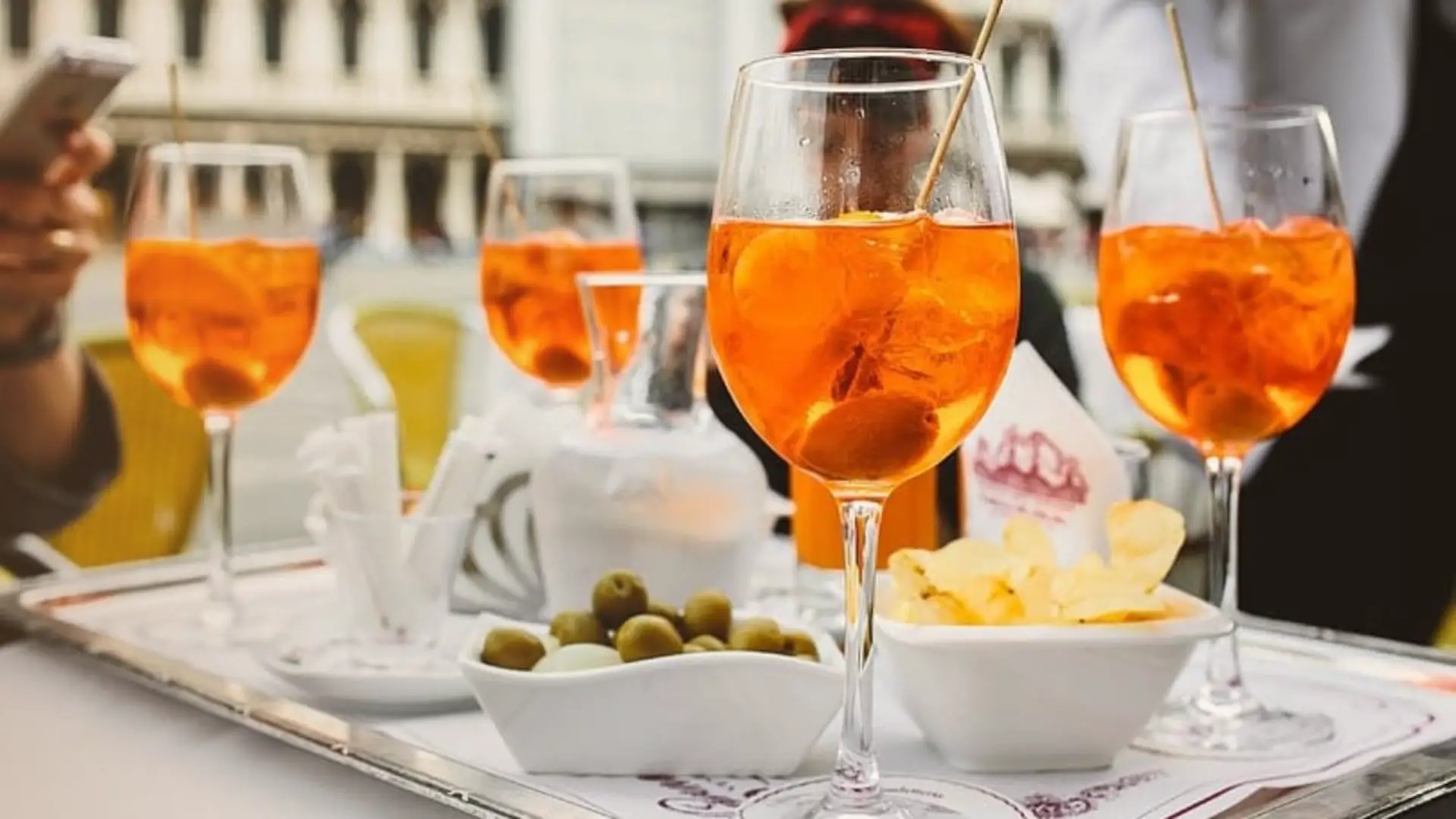
The Spritz followed a different path. Its roots are commonly associated with the nineteenth-century practice of lengthening wine with water in northern Italy. The format evolved gradually, first through the use of soda water and later through combinations of prosecco and bitter aperitivi. Modern versions made with Aperol, Campari or other regional products show how a straightforward structure can accommodate different levels of bitterness, sweetness and aromatic intensity.
Service, Balance and Modern Practice
Aperitivo also developed through the cafés and bars in which it was served. Camparino in Galleria, opened by Davide Campari in Milan in 1915, became closely connected with the city’s aperitivo culture. Such venues offered more than refreshments. They provided a transition between work and dinner, public activity and private leisure, allowing the bar to function as a place of conversation, observation and social exchange.
For bartenders, aperitivo drinks require restraint and close attention to balance. Bitterness should define without dominating the drink, while sweetness must create shape without heaviness. Dilution and carbonation contribute freshness, and vermouth demands careful handling because oxidation can alter its aromatic character. The apparent simplicity of these drinks leaves little room for careless preparation.
Contemporary bartenders continue to work within these principles through seasonal botanicals, alternative vermouths, house preparations and lower-alcohol formulations. These variations are most convincing when they respect the purpose of aperitivo rather than treating it merely as a visual style. Whatever form the drink takes, it should preserve the freshness, aromatic detail and sense of occasion associated with the tradition.
Aperitivo endures because it brings together several dimensions of bartending without making them seem complicated. History, balance, ingredient care, timing and hospitality meet in a drink intended to open an evening rather than dominate it. In the hands of a thoughtful bartender, aperitivo becomes the first gesture of service, preparing both the palate and the room for what follows.

In partnership with International Bartenders Association
The International Bartenders’ Association stands at the crossroads of exchange between new and established generations of professionals.
Bar
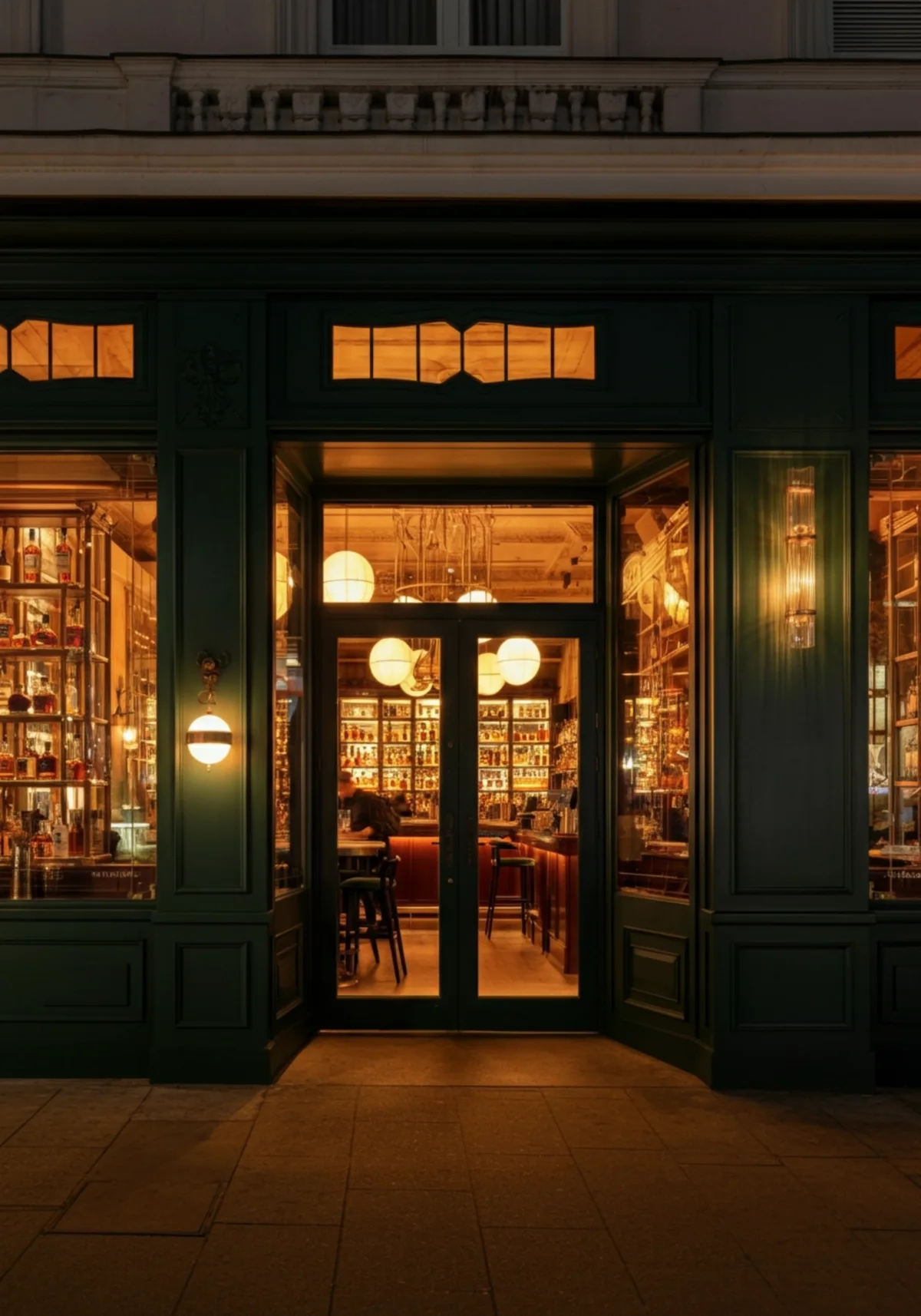
Negroni Cocktail Bar is a distinguished venue in Barcelona renowned for its dedication to precise mixology and refined…
Cocktail
The Martinez 2 is a refined and historically inspired cocktail, celebrated for its balanced blend of sweetness, botanical…

Cocktail
The Manhattan is one of the most distinguished and enduring cocktails in history, often placed alongside the Martini…
Cocktail
The Vermouth Cassis is a light, aperitif-style cocktail that reflects the European tradition of combining fortified wines with…
Cocktail
The Americano is a classic and timeless cocktail that embodies elegance, balance, and simplicity. Originating in Italy in…
Cocktail
The Martini is perhaps the most iconic cocktail in the world, a symbol of elegance, sophistication, and modernity.…
Cocktail
The Negroni is one of Italy’s most celebrated cocktails, a symbol of refinement and balance that has remained…
Spirit
Campari Cask Tales Bitter Bourbon Barrels Liqueur
Campari Cask Tales Bitter Bourbon Barrels is a unique expression of the classic Italian aperitif, Campari. This iteration…
Spirit
Aperol Aperitivo Liqueur is a renowned Italian liqueur characterized by its vibrant bright orange hue and distinctive bittersweet…
Spirit
Undone Italian Red Non-Alcoholic Vermouth
Undone Italian Red Non-Alcoholic Vermouth offers a beautifully crafted non-alcoholic alternative to traditional vermouth. Made through a patented…
Spirit
Campari Aperitif Bitter Liqueur
Campari Aperitif Bitter Liqueur is an iconic bittersweet liqueur with a rich history and a vibrant red hue.…

Bars and Cocktails
Hospitality and Cocktail Culture: The Foundation of Bartending
A well-made cocktail may earn attention, but hospitality determines the meaning of the exchange. It begins before an order is taken, in the way a guest is acknowledged, understood and given a place within the room. Bartending becomes hospitality when technical skill is directed towards another person rather than displayed for its own sake. Service […]
September 29, 2026
Partnership
Illegal Cocktail: The Mezcal Cocktail That Reframes the Daiquiri Structure
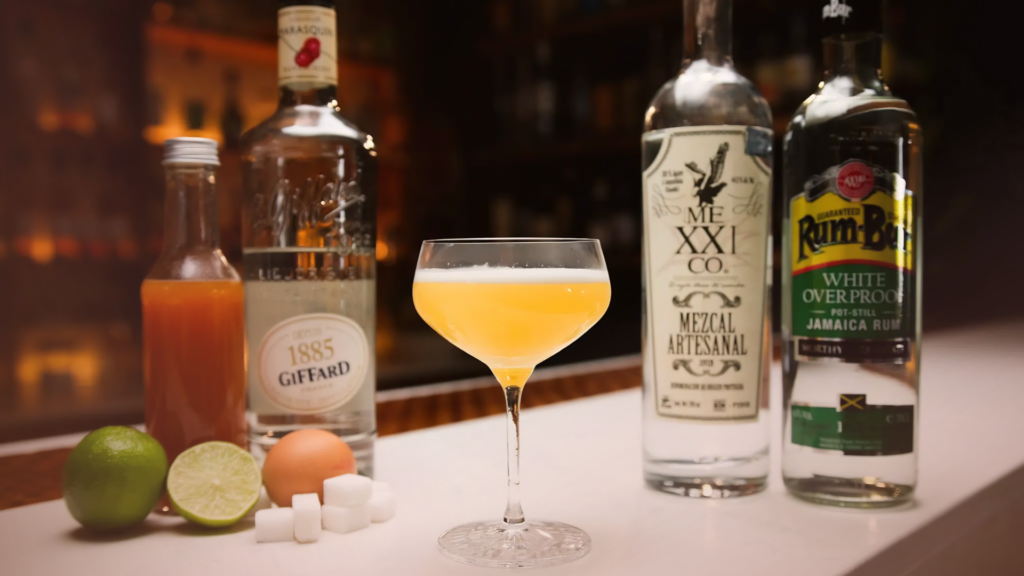
The Illegal cocktail follows a familiar outline, but the result is distinctly different. Built around mezcal, lime, falernum, maraschino, simple syrup, and a measure of Jamaican overproof rum, it takes the logic of a sour and shifts it into a drier, more aromatic profile. The drink is credited to Italian bartender Samuele Ambrosi, with its […]
September 24, 2026
Partnership
IBA Tiki: Codifying Tropical Structure Within Modern Cocktail Standards
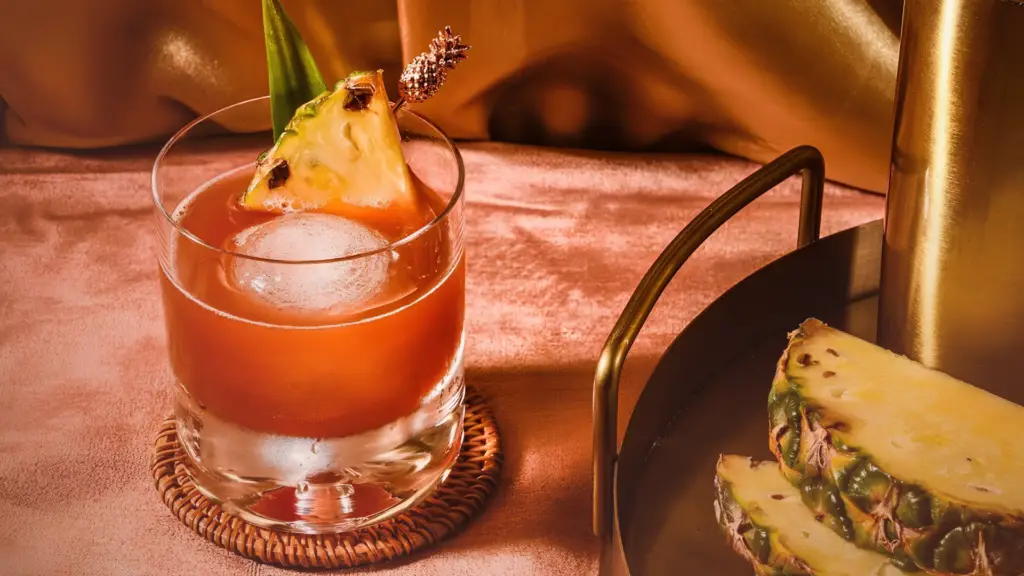
Tiki has never been a single drink, but in this case the name points to one specific modern cocktail. The IBA Tiki is not a broad label for tropical classics such as the Mai Tai or the Zombie. It is a defined drink connected to the International Bartenders Association, Cuban bartending culture, and a recent […]
September 17, 2026