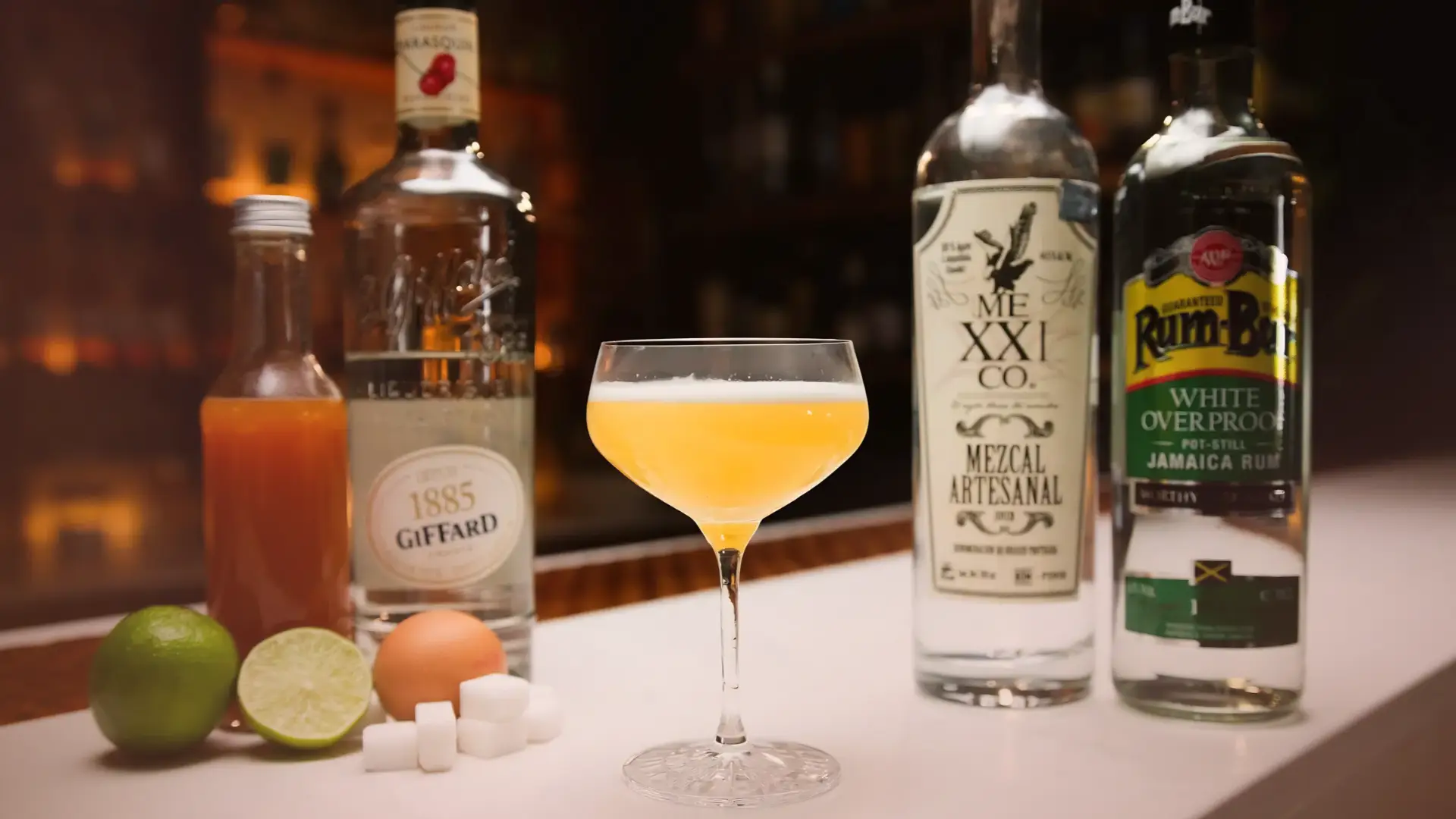
The Illegal cocktail follows a familiar outline, but the result is distinctly different. Built around mezcal, lime, falernum, maraschino, simple syrup, and a measure of Jamaican overproof rum, it takes the logic of a sour and shifts it into a drier, more aromatic profile. The drink is credited to Italian bartender Samuele Ambrosi, with its early development linked to CastelBrando in the early 2000s and later refinement associated with Dom’us in Oderzo.
Its later inclusion by the International Bartenders Association places it among the New Era Drinks, though its logic remains closely tied to traditional sour construction.
Structure and Composition of Illegal Cocktail
The Illegal is built on a sour framework, but the choice of base spirit defines its behaviour. Mezcal introduces smoke, mineral notes, and a leaner body that alters how sweetness and acidity are perceived.
A small addition of Jamaican overproof rum sits behind the main structure, not as a dominant flavour but as a way to extend the finish and reinforce the drink’s intensity. Falernum and maraschino add aromatic sweetness rather than simple softness, giving the drink spice, almond, citrus, and cherry notes without moving it away from mezcal.
This secondary structure does not shift the profile away from agave. It changes how long the flavours hold.
Balance and Flavour Profile
The balance is deliberately restrained. Lime provides the necessary acidity, while sugar is kept in check to avoid softening the mezcal’s natural dryness.
The drink does not open with citrus in the way a Daiquiri does. Instead, the smoke and earthiness of mezcal run through the centre, with acidity supporting rather than leading. The result is a profile built on tension rather than contrast, where each element remains distinct but connected.
Technique and Execution
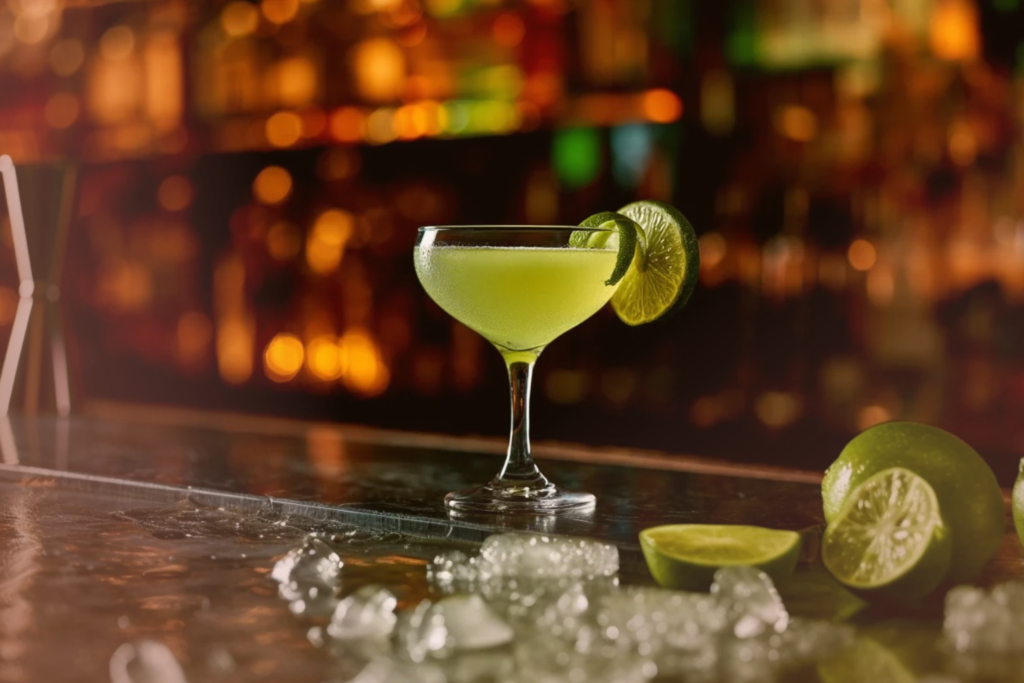
The Illegal is shaken with ice and strained into a chilled cocktail glass, though the IBA specification also allows service on the rocks in a traditional clay or terracotta mug. Because mezcal carries strong aromatic compounds, dilution must be precise. Too little leaves the drink sharp and unintegrated; too much reduces both structure and aroma.
In some specifications, a few drops of egg white are used to soften texture and round the surface of the drink. This does not change the cocktail’s identity, but it can give the structure a smoother finish.
Context and Adoption
The movement of the Illegal from an Italian bar context to international recognition reflects a broader shift in how agave spirits are positioned in cocktails. Mezcal is no longer treated only as a substitute for tequila, but as a base with its own structural role.
Within the International Bartenders Association list, the drink represents a contemporary approach to classic formats. It does not rely on excess complexity, but on controlled substitution, aromatic modifiers, and balance, showing how a familiar structure can be redefined through deliberate adjustment.
Mezcal as the Defining Centre
What keeps the Illegal distinct from other modern sours is the way mezcal remains visible despite the number of supporting ingredients. Falernum, maraschino, Jamaican overproof rum, lime, and simple syrup could easily produce a crowded profile, yet their role is to frame the agave spirit rather than obscure it. Spice and fruit deepen the middle of the drink, while the overproof rum gives the finish additional weight. Lime keeps the structure taut and prevents the aromatic modifiers from becoming overly rich.
This arrangement gives the cocktail complexity without sacrificing direction. The Illegal remains recognisably mezcal-led from its first aroma through its final impression, demonstrating how several modifiers can support one dominant spirit while preserving clarity and balance. That clarity is especially important as the drink warms slightly in the glass, when the herbal, smoky, fruit, and spice elements become more noticeable. Rather than separating, they continue to orbit the mezcal, reinforcing the deliberate construction that gives the cocktail its identity.

Renowned international hospitality consultant, founder of Barpartners, and IBA Vice President of Classic Mixology, bringing over 25 years of luxury hotel bar operations.

In partnership with International Bartenders Association
The International Bartenders’ Association stands at the crossroads of exchange between new and established generations of professionals.
Cocktail
The Daiquiri stands as one of the purest expressions of cocktail craft, celebrated for its elegance, simplicity, and…
Spirit
Illegal Gin, a standout creation from Sack's Destille, embodies the spirit of innovation and rebellion in the gin…
Spirit
Jamaican Rum 2012 HD MJH3 The Whisky Jury
Jamaican Rum 2012 MJH3 The Whisky Jury illustrates the excellence of traditional Jamaican rum craftsmanship, embodying a deep…
Partnership
IBA Tiki: Codifying Tropical Structure Within Modern Cocktail Standards
Tiki has never been a single drink, but in this case the name points to one specific modern cocktail. The IBA Tiki is not a broad label for tropical classics such as the Mai Tai or the Zombie. It is a defined drink connected to the International Bartenders Association, Cuban bartending culture, and a recent […]
September 17, 2026
Cocktails
Garnish and the Final Expression of the Cocktail
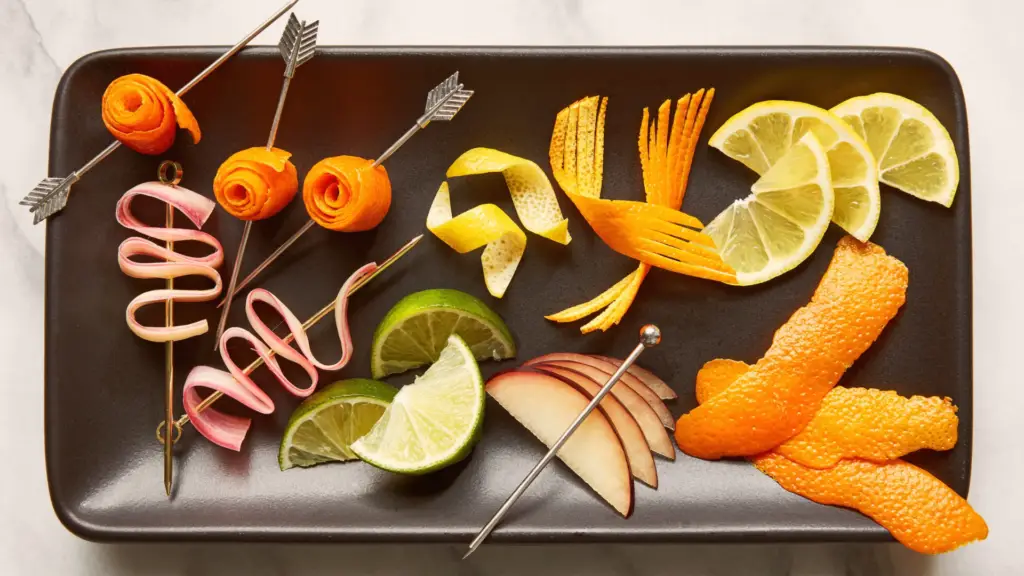
The Garnish arrives at the end of preparation, yet it often leads the guest’s first impression. Before the drink reaches the palate, the eye registers colour and form while the nose encounters aroma rising from the glass. Garnish therefore belongs to the sensory language of the cocktail. It can clarify identity, prepare expectations, and complete […]
September 15, 2026
Partnership
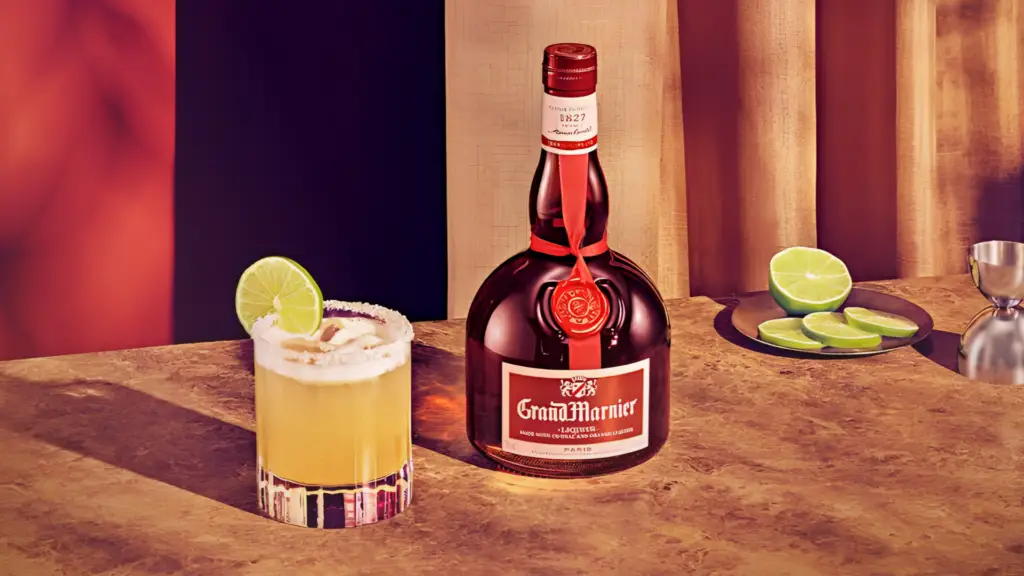
Grand Margarita: The Margarita Variation Defined by Liqueur Choice
The shift from a standard Margarita to a Grand Margarita happens in a single substitution, but the change is immediate in the glass. Where most builds rely on lighter orange liqueurs, this version is structured around Grand Marnier, introducing a deeper, more weighted profile that alters how the drink is perceived from the first sip. […]
September 10, 2026