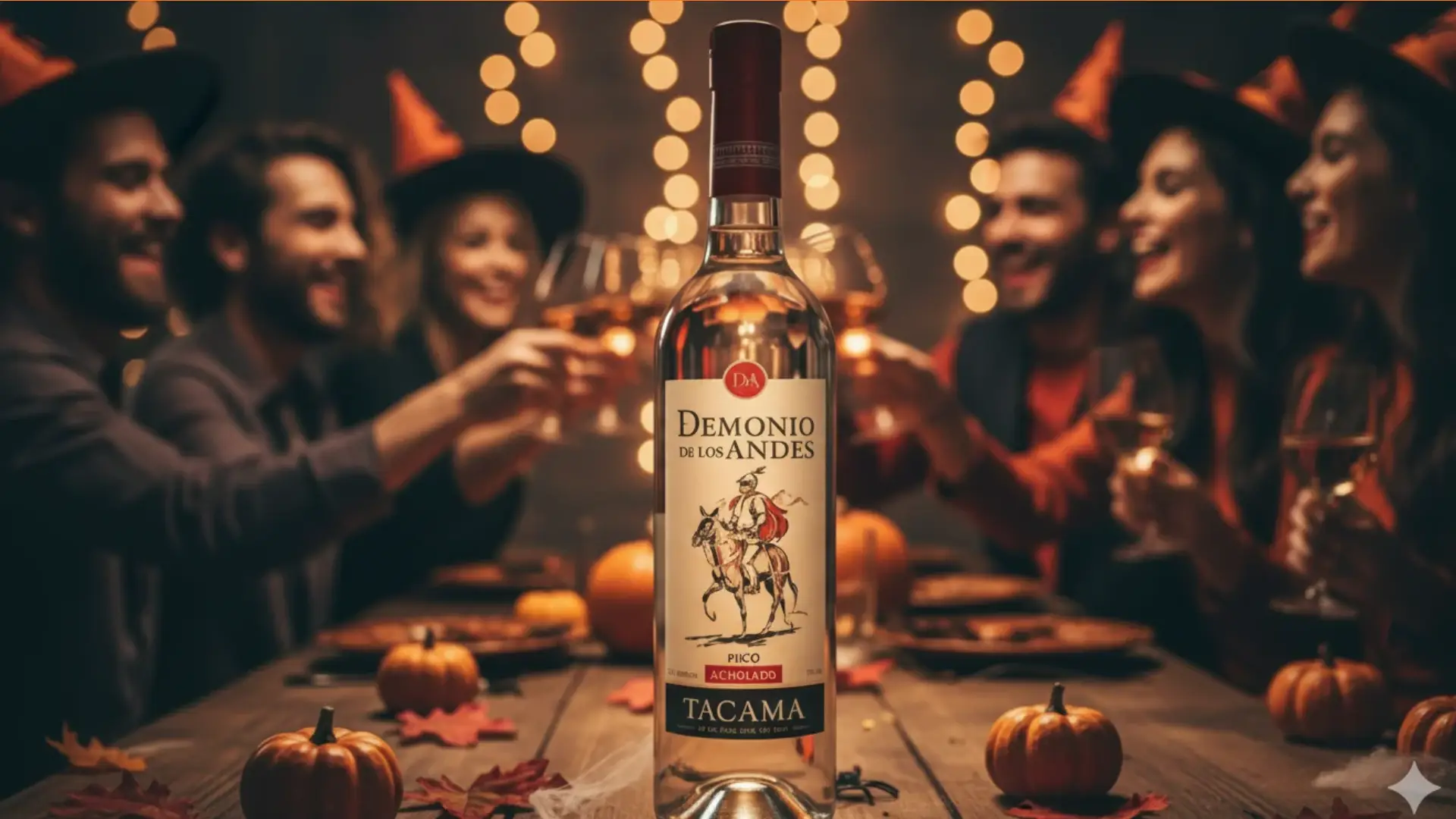
Pisco is one of the few spirits whose identity is divided by national borders rather than defined by them. Both Peru and Chile claim pisco as a national spirit, each supported by legal frameworks, historical narratives, and active production. This dual claim is not a modern branding dispute. It is the outcome of colonial administration, shifting borders, and diverging regulatory philosophies that hardened over time.
Understanding pisco requires separating shared origins from modern definitions.
Colonial Origins and the Birth of Grape Distillation
Distillation arrived in South America during the late 16th century following Spanish colonisation. Wine production expanded rapidly in the Viceroyalty of Peru, particularly along the southern coast in regions such as Ica, Moquegua, and Arequipa.
By the early 17th century, locals distilled surplus wine into aguardiente de uva. The port town of Pisco, located south of Lima, became a central export hub. Historical shipping records from the 1600s reference aguardiente shipped from the Port of Pisco to other colonial territories.
The term pisco originally referred to a place, not a spirit style.
Peru and the Institutionalisation of Pisco
Peru maintains that pisco is inseparable from its place of origin. In 1991, the Peruvian government formally established the Denomination of Origin Pisco, restricting production to specific regions including Ica, Lima, Arequipa, Moquegua, and Tacna.
Peruvian Pisco is distilled once in copper pot stills, bottled at distillation strength, and never diluted with water. Ageing in wood is prohibited. Classification is based on grape variety rather than maturation.
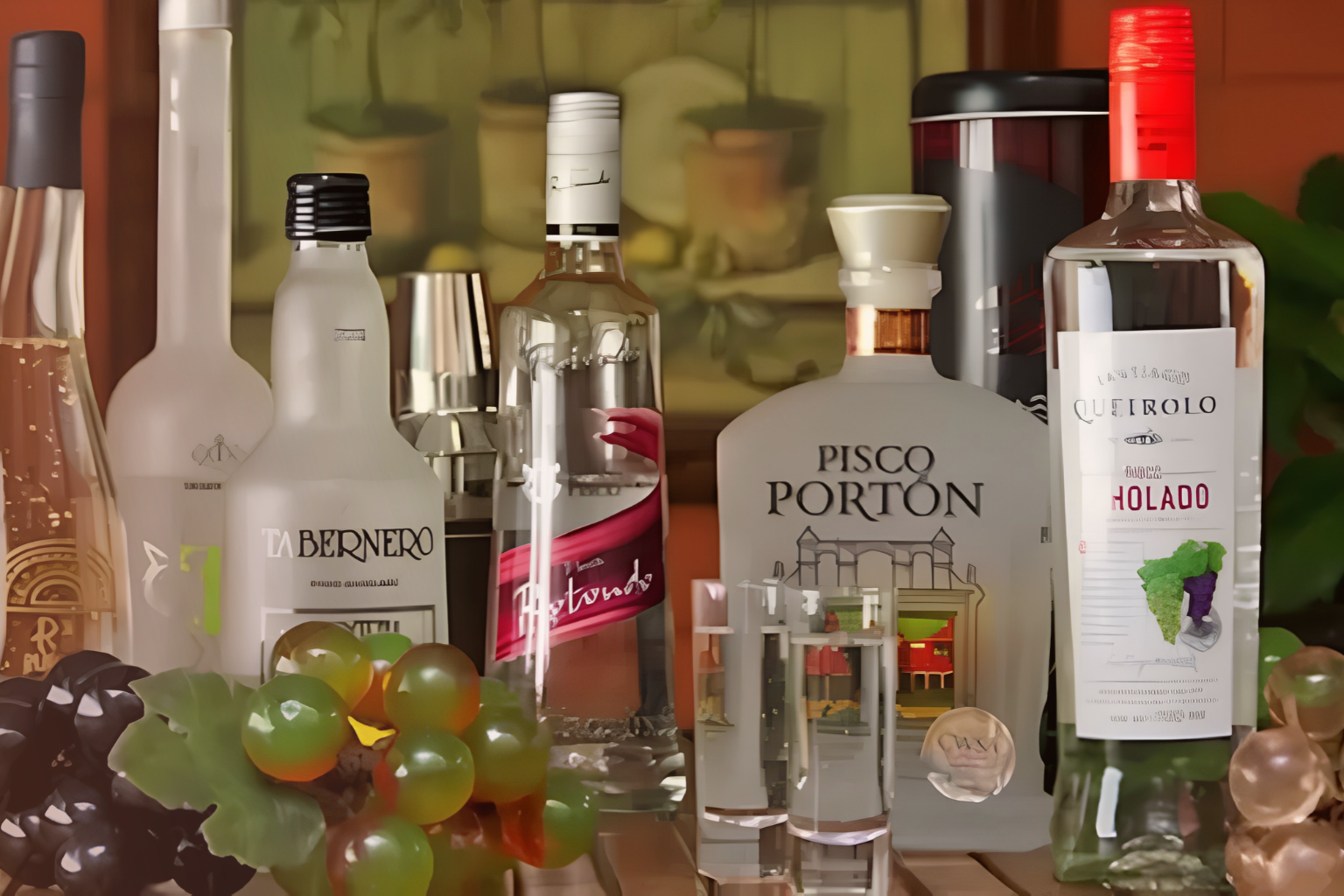
Producers such as Bodega Tacama, founded in 1540, represent continuity between colonial viticulture and modern pisco production. Tacama Quebranta Pisco exemplifies the non-aromatic style central to Peru’s identity. Other recognised styles include Italia, Torontel, Albilla, and Mosto Verde piscos, each defined by grape selection and fermentation method.
Chile and the Codification of Pisco
Chile’s claim to pisco developed differently. During the 19th century, territorial boundaries shifted following independence and regional conflict. Grape distillation expanded in the Elqui and Limarí valleys, areas well suited to viticulture.
In 1931, Chile legally defined pisco as a national spirit, decades before Peru formalised its Denomination of Origin. Chilean regulations allow for dilution with water after distillation and permit ageing in wood, resulting in stylistic diversity closer to brandy traditions.
Producers such as Capel and Mistral illustrate the Chilean approach. Spirits such as Capel Reservado Pisco and Mistral Nobel Pisco demonstrate oak influence and graduated alcohol classifications. Chile defines pisco through alcohol strength and ageing rather than grape variety.
Diverging Legal Philosophies
The core of the dispute lies not in shared history but in regulatory intent.
Peru defines pisco as an unaltered distillate that reflects grape character and place. Chile defines pisco as a flexible category shaped by maturation and blending. Both systems are internally coherent. They are incompatible with each other.
International recognition reflects this division. Peru’s pisco is protected as a Denomination of Origin in countries such as the European Union. Chile’s pisco holds recognition in markets where bilateral trade agreements apply.
There is no single international definition of pisco.
Spirits as National Identity
For Peru, pisco functions as a cultural artefact tied to colonial history and regional continuity. For Chile, pisco represents national consolidation and agricultural adaptation.
Cocktails such as the Pisco Sour exist on both sides of the border, prepared differently and claimed symbolically by each country. These overlaps reinforce cultural rivalry rather than resolve it. The dispute persists because pisco carries meaning beyond production. It carries identity.
Why the Dispute Endures
Unlike cognac or tequila, pisco lacks a single controlling authority. Colonial records support Peruvian origin. Modern law supports Chilean codification. Both narratives are defensible within their own frameworks. Global markets have adapted by treating pisco as two parallel categories rather than one unified spirit.
Pisco demonstrates that spirits history is not always resolved through regulation. Sometimes it remains contested. By documenting both traditions without collapsing them into equivalence, Barlist treats pisco as a case study in how geography, law, and identity intersect.
Pisco is not one spirit with two interpretations. It is two spirits sharing a name and a history that diverged.

Global spirits authority, author of the Spirits Guidelines, and Director of the Spirits Selection by CMB, bringing 25+ years of international category expertise to Barlist.

In partnership with Spirits Selection
Spirits Selection is a global spirits competition and editorial partner of Barlist, contributing expertise, tasting insights, and institutional credibility to selected stories and guides.


Spirit
Intipalka Valle del Sol Pisco Torontel
Intipalka Valle del Sol Pisco Torontel is an exquisite expression of Peruvian craftsmanship that reflects the unique terroir…

Spirit
Intipalka Pisco Mosto Verde Acholado
Intipalka Pisco Mosto Verde Acholado is a distinguished Peruvian spirit crafted from a blend of carefully selected grape…

Spirit
Capel Pisco Reservado is a premium single grape spirit distilled from a blend of Muscat, Pedro Jimenez, and…
Spirit
Pisco Bou Barroeta Noor Brandy
Pisco Noor De Bou Barroeta is a distinguished example of Chilean pisco, crafted with exceptional skill and precision…
Spirit
Mistral Noble Pisco Anejado en Roble
Mistral Noble Pisco - Anejado en Roble represents a remarkable expression of traditional pisco craftsmanship from the Elqui…
Spirit
Tabernero Italia Pisco is a meticulously crafted spirit made from the aromatic Italia grape, known for its rich…
Spirit
Pisco Acholado Demonio de Los Andes
Pisco Acholado Demonio de Los Andes is a distinguished Peruvian spirit, known for its rich heritage and meticulous…
Partnership
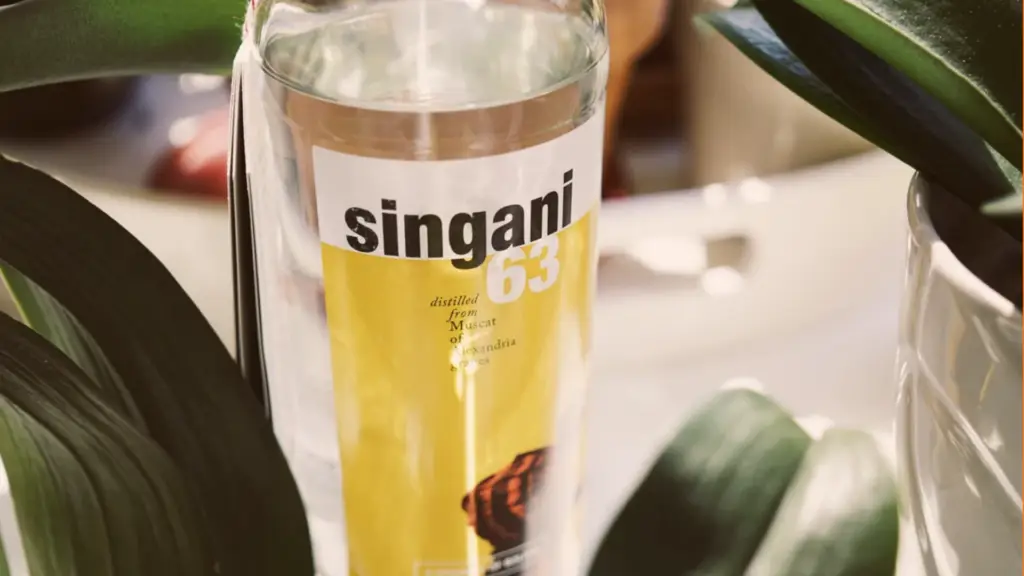
Singani: Bolivia’s High-Altitude Spirit and a Forgotten Andean Heritage
Singani is one of the least understood legally protected spirits in the world. Despite centuries of continuous production in Bolivia, it remains largely absent from global spirits discourse. This absence is not due to ambiguity or lack of definition. Singani is one of the most tightly structured grape distillates in existence, defined by altitude, grape […]
September 30, 2026
Partnership
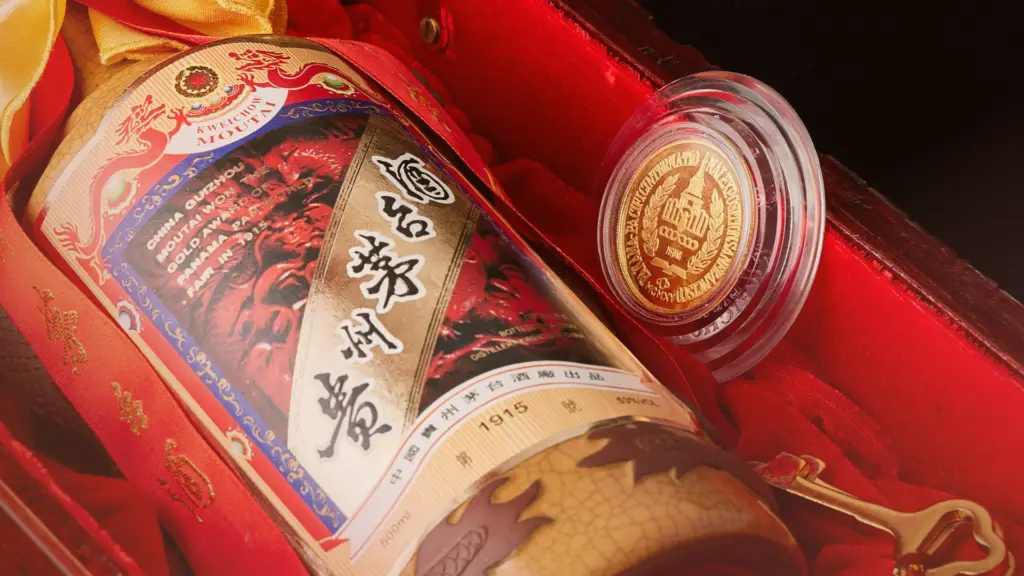
Kweichow Moutai: The Protected Origin of Sauce Aroma Baijiu
Moutai begins in a bend of the Chishui River, in a town where geography has been asked to explain taste for generations. The river, the valley heat, the purple-red soils, the surrounding hills, and the microbial life of Maotai Town are all part of the story people tell when they try to explain why this […]
September 27, 2026
Partnership
The Shipwreck That Turned Rum Into a Time Capsule
Rum was not designed to be preserved. It was designed to move. For most of its early history, rum existed as cargo rather than a collectable, shipped in bulk or sealed bottles across the Atlantic as part of a vast commercial system linking sugar plantations, ports, navies, and merchants. When sealed bottles of 19th century […]
September 23, 2026