Rum was not designed to be preserved. It was designed to move. For most of its early history, rum existed as cargo rather than a collectable, shipped in bulk or sealed bottles across the Atlantic as part of a vast commercial system linking sugar plantations, ports, navies, and merchants. When sealed bottles of 19th century rum were recovered from a shipwreck in the Atlantic, they did not reveal a forgotten luxury. They revealed how rum once functioned before branding, ageing ideology, or controlled maturation defined the category.
The value of the discovery lies not in rarity, but in confirmation.
Rum as Maritime Infrastructure
By the early 19th century, rum was one of the most widely transported spirits in the Atlantic world. Caribbean producers in Barbados, Jamaica, and British Guiana distilled rum primarily for export. The spirit travelled in oak casks for naval supply and trade, and in glass bottles for merchants, officers, and resale in Europe and North America.
Distilleries such as Mount Gay Distillery, established in 1703, Hampden Estate, and Long Pond Distillery were already producing rum during this period, largely for export markets. Rum was not yet defined by individual labels. It was defined by strength, stability, and availability.
Glass bottling was used sparingly. Bottles were sealed with cork and wax, packed into wooden crates, and loaded alongside foodstuffs, textiles, and manufactured goods. Once sealed, the liquid was not expected to evolve. It was expected to survive the voyage.
The Shipwreck Off Bermuda
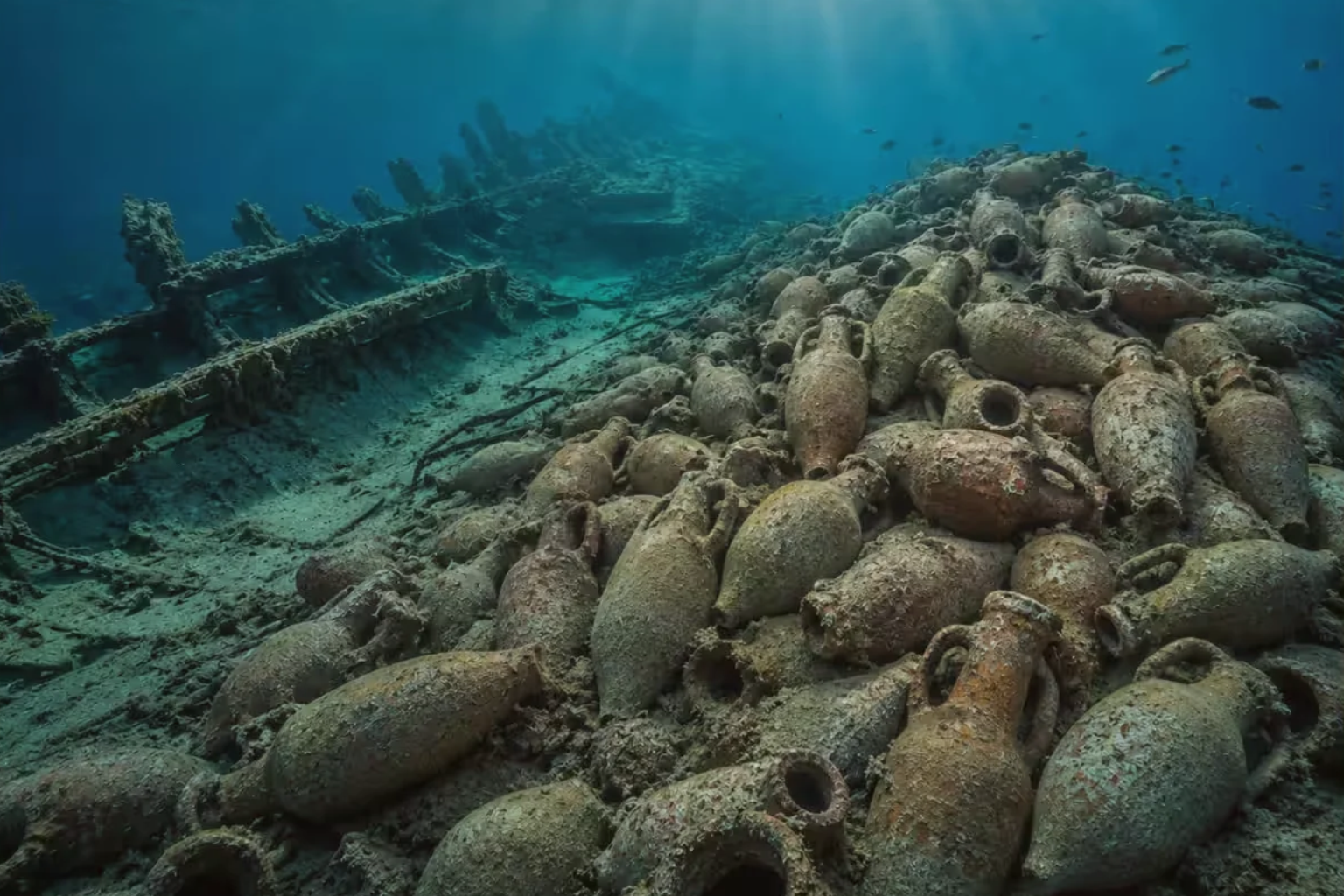
One of the most studied examples of preserved bottled rum comes from a mid 19th century merchant vessel that sank off the coast of Bermuda. The wreck occurred during the 1860s, a period of intense Atlantic trade disrupted by storms and navigational limitations.
The ship was not a rum carrier by design. Rum was part of mixed cargo, likely destined for redistribution through British colonial networks. When the vessel sank, it settled in relatively shallow water. Over time, sediment covered sections of the wreck, creating a low-oxygen environment that slowed degradation.
Marine archaeologists working in the late 20th century recovered sealed glass bottles from the site. Some contained rum that remained liquid and chemically stable after more than a century underwater.
Chemical Preservation Rather Than Ageing
The rum recovered from the wreck did not age in the modern sense. Once bottled, it was isolated from wood interaction. What occurred instead was preservation through environmental constraint. Cold water temperatures slowed chemical reactions. Constant pressure reduced volatility. The absence of light limited photodegradation. These conditions prevented change rather than encouraging it.
Laboratory analysis indicated alcohol levels consistent with 19th-century distillation norms. Volatile compounds typically lost during long term uncontrolled storage were present. The profile aligned with unaged or lightly rested rum of the era, not with modern aged expressions.
This matters because it contradicts romantic narratives. The rum was not improved by the sea. It was frozen in time.
What the Rum Reveals About Production
The chemical profile of the recovered rum suggests a spirit produced using pot still distillation and fermented without modern temperature control. While it cannot be definitively linked to a specific distillery, its structure aligns with rums produced in Jamaica and Barbados during the mid 1800s.
High-ester Jamaican styles associated today with Hampden Estate and Long Pond existed in early form during this period, although terminology and categorisation were not yet formalised. Barbados rum, exemplified historically by Mount Gay, tended to be drier and more restrained.
The recovered rum falls within this spectrum, confirming that stylistic diversity existed long before modern classification.
Rum as Trade Commodity Rather Than Beverage
The shipwreck underscores an often overlooked truth. Rum was cargo first and drink second. It was shipped to be exchanged, rationed, or blended. Bottles were functional containers, not expressions of identity.
Unlike whisky, which developed warehouse ageing traditions earlier, rum matured incidentally through transport and storage. Barrels crossed oceans. Bottles waited on docks. Improvement was accidental, not intentional. The shipwreck preserved rum at the moment before it entered consumption. It captured the spirit as it existed within the trade system.
The Limits of Modern Interpretation
Modern submerged ageing experiments often reference shipwrecks as precedent. This is a misunderstanding.
The wreck did not create flavour. It prevented loss. The value of the recovered rum lies in its resistance to change, not enhancement. It demonstrates that rum can remain chemically stable when isolated, but it does not suggest that underwater conditions produce superior spirits.
This distinction is critical for historical accuracy.
Why This Discovery Matters
Physical samples from early rum history are extremely rare. Rum was consumed quickly. Bottles were reused. Barrels leaked. Written records describe quantities and prices, but not flavour.
The shipwreck bottles provide material evidence. They confirm alcohol strength, clarity, and production style. They validate shipping practices described in merchant logs and naval supply records. They turn speculation into observation.
By treating the shipwreck rum as evidence rather than treasure, Barlist approaches spirits history as material culture. The recovered bottles do not romanticise rum. They document it. Rum became global because it travelled efficiently. In this case, it travelled until it stopped. What remained was a record of how rum once existed before identity, branding, and ageing defined its value.

Global spirits authority, author of the Spirits Guidelines, and Director of the Spirits Selection by CMB, bringing 25+ years of international category expertise to Barlist.

In partnership with Spirits Selection
Spirits Selection is a global spirits competition and editorial partner of Barlist, contributing expertise, tasting insights, and institutional credibility to selected stories and guides.
Distillery
Long Pond Distillery, nestled in the heart of Trelawny, Jamaica, stands as a testament to the rich heritage…
Distillery
Hampden Distillery, founded in 1753 in the heart of Jamaica's Trelawny Parish, stands as a testament to centuries…
Distillery
Mount Gay Distillery, renowned as the oldest running rum distillery in the world, has been the cornerstone of…
Spirit
Rum & Cane Long Pond Single Cask 22 YO Jamaica Rum
The Rum & Cane Long Pond Single Cask 22-Year Jamaica Rum is a remarkable expression hailing from the…
Spirit
Rum & Cane British West Indies XO Rum
British West Indies Regional Rums, crafted by West Indies Rum & Cane Merchants, represents a rich tapestry of…
Spirit
Rum & Cake Wild Spiced Sipping Rum
Rum & Cake Wild Spiced Sipping Rum is a unique expression that marries the rich heritage of rum…
Spirit
Rum & Cane Jamaica XO Single Cask Rum
Rum & Cane Jamaica XO Single Cask Rum exemplifies the epitome of craftsmanship found in Jamaican rum production.…
People & Innovation
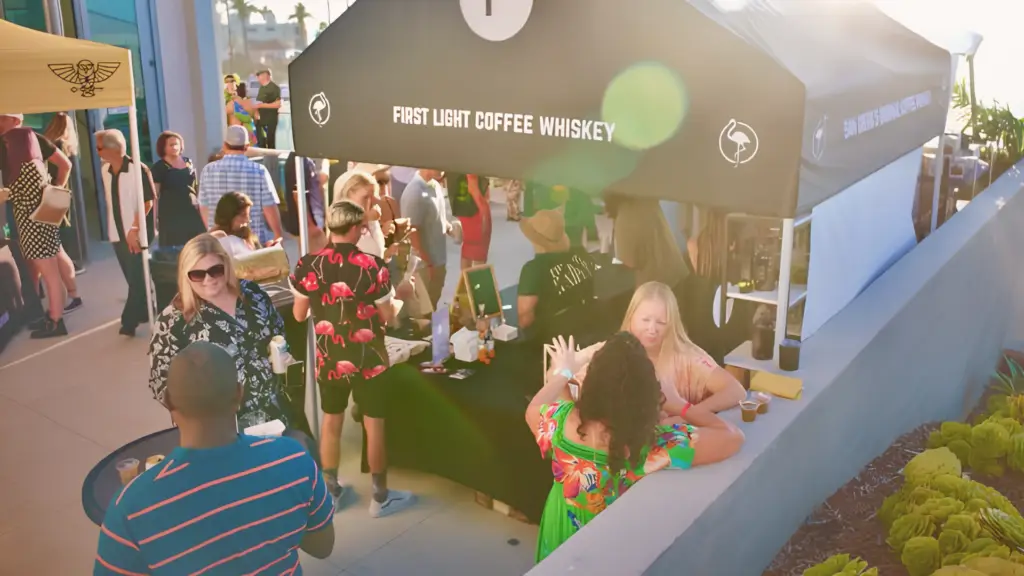
San Diego Spirits Festival: A Celebration of Craft, Creativity, and Connection
Along the coastline of Southern California, where creativity meets hospitality, the world of spirits comes together through one of America’s most recognised celebrations of cocktails and craftsmanship. The San Diego Spirits Festival has become a gathering place for spirits enthusiasts, bartenders, producers, and industry professionals who share a passion for discovering new flavours and celebrating […]
September 22, 2026
Trending
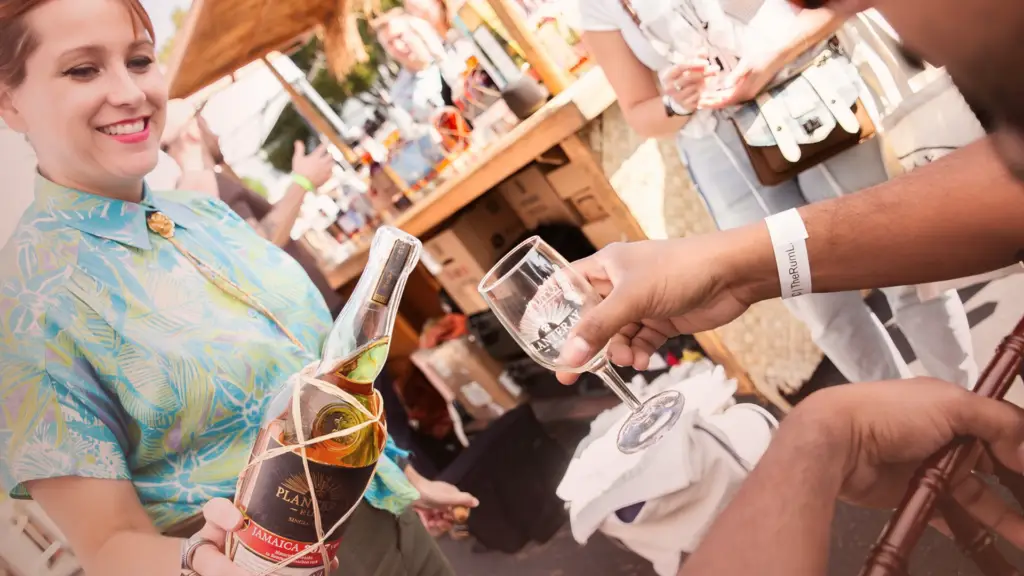
California Rum Fest 2026: Exploring the Craft, Culture, and Revival of Rum
California Rum Fest 2026: Across the Caribbean, Latin America, and beyond, rum has always carried the stories of landscapes, agriculture, and generations of craftsmanship. Born from sugarcane and shaped by the traditions of different regions, rum is one of the world’s most diverse spirits, offering expressions that range from light and elegant to rich, complex, […]
September 20, 2026
Partnership
Cuban Rum and the Cultural System of the Light Rum Masters
Cuban Rum grew out of cane, heat, ports, warehouses, and an island economy that learned to turn sugar into something more durable than the crop itself. The spirit did not become Cuban because of one brand, one city, or one famous label. It became Cuban through a way of working with molasses, ageing, filtration, blending, […]
September 20, 2026