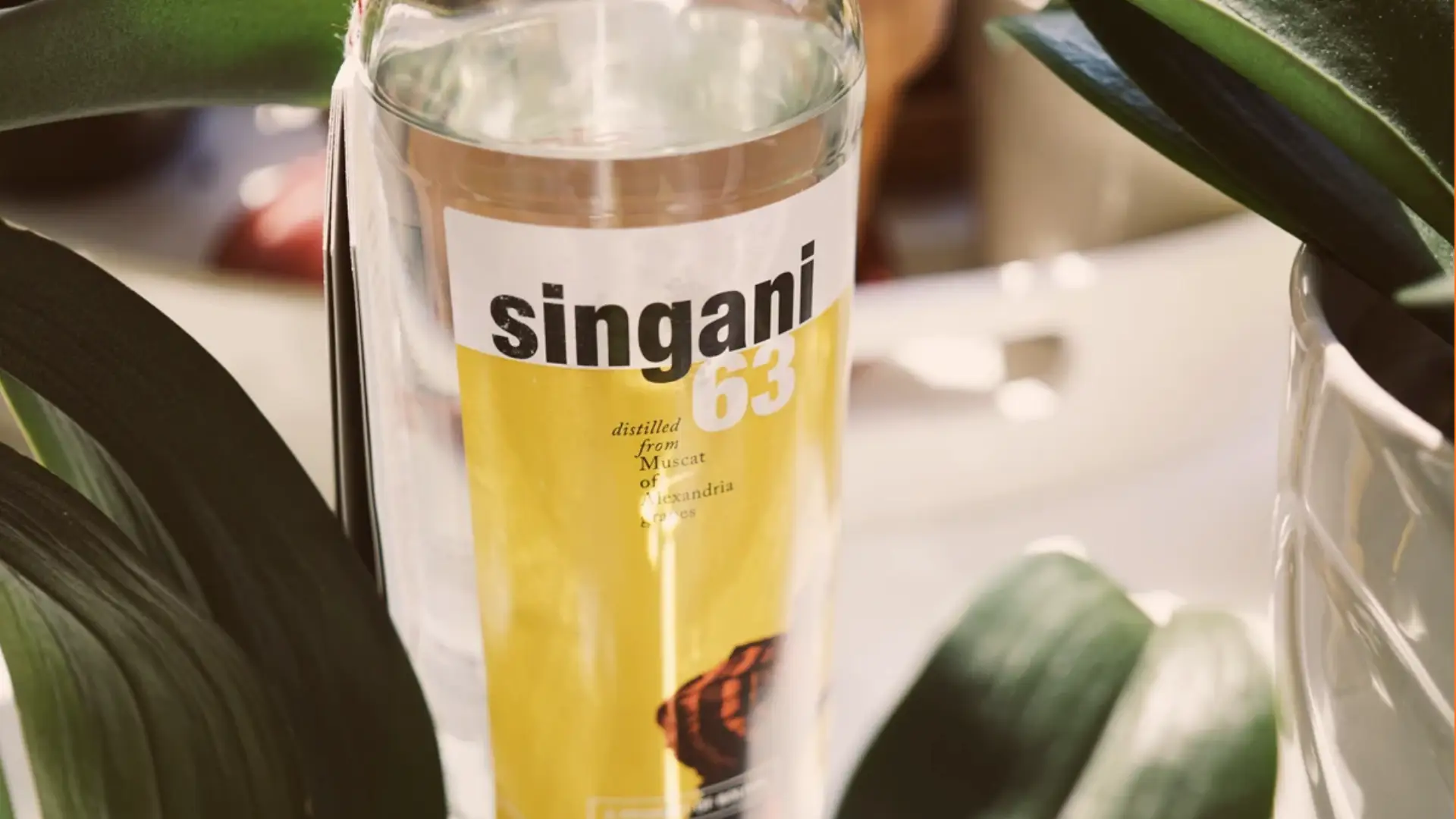
Singani is one of the least understood legally protected spirits in the world. Despite centuries of continuous production in Bolivia, it remains largely absent from global spirits discourse. This absence is not due to ambiguity or lack of definition. Singani is one of the most tightly structured grape distillates in existence, defined by altitude, grape variety, and production method. Its obscurity is the result of geography and internal consumption rather than technical weakness.
Understanding Singani requires stepping away from comparisons based on export success and instead examining the conditions that shaped it.
What Singani Is and What It Is Not
Singani is a grape-based distilled spirit produced exclusively in Bolivia from Muscat of Alexandria grapes. It is distilled once in copper pot stills and bottled without wood ageing. Its identity is built around aromatic purity rather than transformation.
Singani is not a brandy in the cognac sense. It is not aged. It is not blended across regions. It is not neutral. Nor is it interchangeable with pisco, despite surface similarities.
Legally, Singani is protected as a Denomination of Origin recognised by the Bolivian state in 1992. Production is restricted to specific high-altitude valleys, and grape sourcing is tightly regulated.
Altitude as a Structural Condition
Singani is inseparable from altitude. Vineyards used for production are located primarily in Tarija, Chuquisaca, and Potosí at elevations between 1,600 and 2,000 metres above sea level.
This altitude creates a unique viticultural environment. High ultraviolet exposure increases aromatic compound development. Cool nighttime temperatures preserve acidity. Slow ripening results in grapes with high aromatic intensity but moderate sugar levels.
These conditions shape singani’s profile before fermentation begins. Distillation does not create singani’s character. It preserves it. No other grape spirit is legally tied to elevation in this way.
Distillation and Technical Intent
Singani is distilled once in copper pot stills. This choice is deliberate. Single distillation retains volatile floral compounds that would be reduced or eliminated through rectification. Fermentation is conducted soon after harvest to avoid oxidation. No lees ageing or wood influence is introduced. The resulting spirit is dry, aromatic, and structurally linear.
This method places Singani closer in philosophy to unaged pisco than to aged brandies, yet Singani remains distinct in both law and profile.
Casa Real and the Contemporary Reference
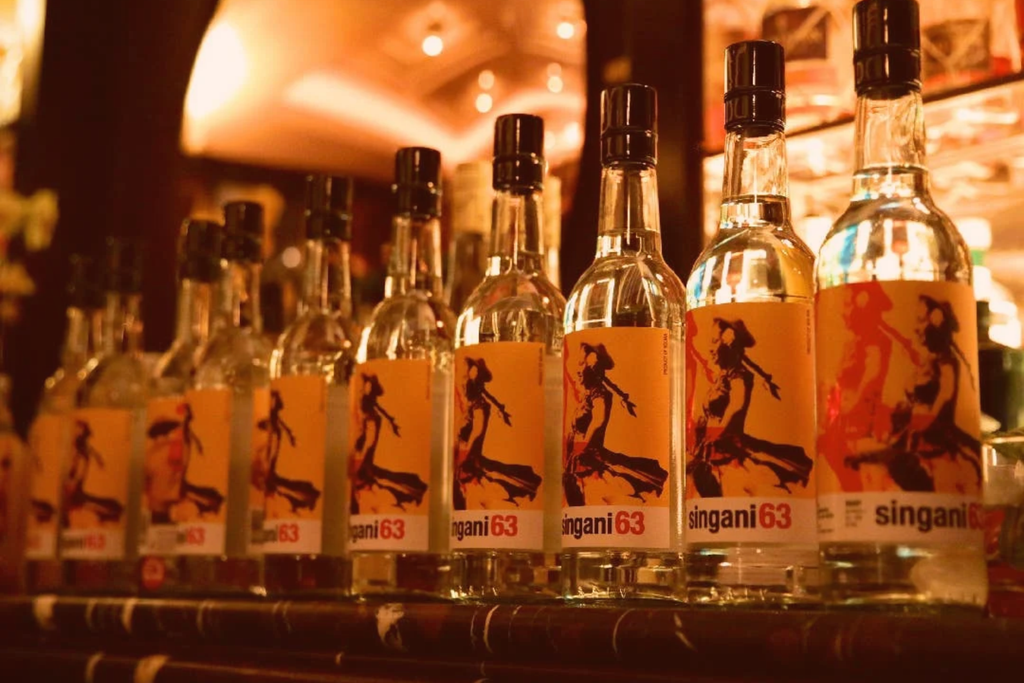
The most widely recognised Singani producer is Casa Real, founded in 1925 in Tarija. Operated by the Aranjuez family, Casa Real has become the benchmark for singani consistency and quality.
Casa Real Singani is produced exclusively from high-altitude Muscat of Alexandria grapes and distilled according to Denomination of Origin standards. The spirit demonstrates the defining attributes of the category: pronounced floral aromatics, dry structure, and clarity without oak influence.
Casa Real’s importance lies not in innovation but in standardisation. It provides a stable reference point for what Singani is meant to be.
Singani in Bolivian Consumption
Singani has historically been consumed within Bolivia rather than exported. It is served neat, mixed with citrus or soda, and used in traditional long drinks such as the Chuflay.
Unlike export-driven spirits, it evolved to meet domestic preference rather than international expectation. This inward focus preserved production discipline but limited global awareness. Singani did not need to adapt to foreign markets. It remained structurally intact.
Why Singani Was Overlooked
Singani’s obscurity is not the result of legal ambiguity or inconsistent production. It is the consequence of geography, scale, and lack of colonial export pressure. While cognac and pisco were pulled into maritime trade networks and shaped by foreign demand, singani remained inland, tied to Andean valleys rather than ports.
Its high-altitude production limits scale. Its aromatic profile resists neutralisation. Its Denomination of Origin restricts industrial expansion. These constraints preserved identity but delayed recognition.
Modern Attention and Cautious Expansion
International interest in Singani increased during the early 21st century, supported by limited exports and advocacy from individuals promoting Bolivian culture abroad. This exposure introduced singani to new audiences without altering its production framework.
Expansion remains measured. Vineyard area is limited. Altitude cannot be replicated. Singani cannot become global without ceasing to be Singani. This is not a marketing weakness. It is a structural reality. It demonstrates that spirits do not require global dominance to achieve legitimacy. It is a fully defined category shaped by altitude, grape variety, and legal protection rather than trend or scale.
By documenting singani as a system rather than a novelty, Barlist frames it as a reference point for understanding how geography can preserve identity. Singani does not compete with other grape spirits. It exists alongside them, defined by conditions that cannot be reproduced elsewhere.

Global spirits authority, author of the Spirits Guidelines, and Director of the Spirits Selection by CMB, bringing 25+ years of international category expertise to Barlist.

In partnership with Spirits Selection
Spirits Selection is a global spirits competition and editorial partner of Barlist, contributing expertise, tasting insights, and institutional credibility to selected stories and guides.

Distillery
Casa Real Tarija, an esteemed distillery located in the heart of Bolivia's Tarija region, embodies a blend of…
Spirit
Singani Casa Real Etiqueta Azul
Singani Casa Real Etiqueta Azul stands as a testament to the remarkable craftsmanship behind one of Bolivia's most…
Spirit
Singani 63 is heralded as the national spirit of Bolivia, boasting a rich legacy that spans over 500…
Spirit
Singani Casa Real Etiqueta Roja
Singani Casa Real Etiqueta Roja is a distinguished Bolivian singani that embodies the essence of craftsmanship and tradition…
Spirit
Casa Real Gran Singani is a hallmark of Bolivian craftsmanship, embodying the essence of the country’s rich viticultural…
Partnership
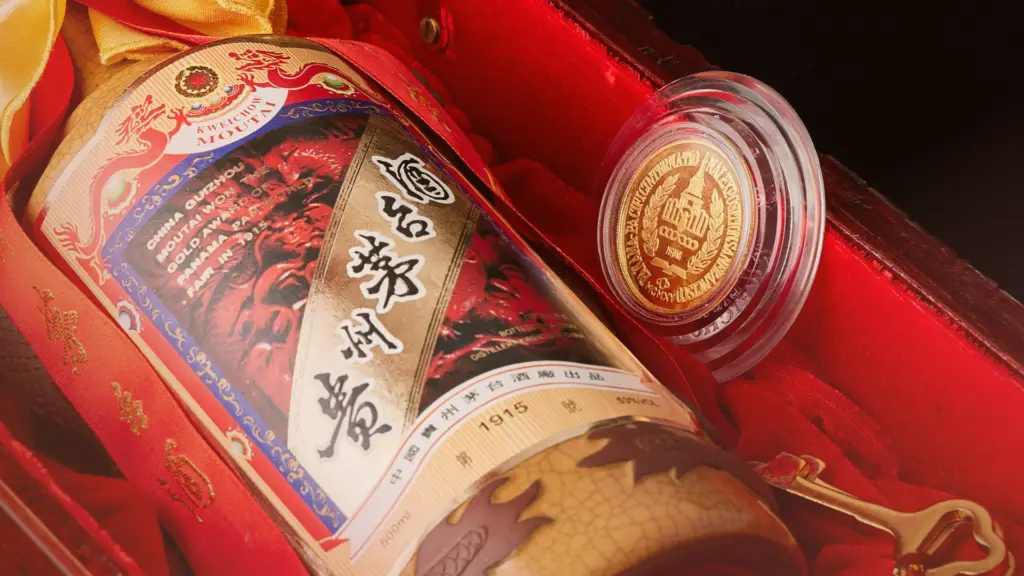
Kweichow Moutai: The Protected Origin of Sauce Aroma Baijiu
Moutai begins in a bend of the Chishui River, in a town where geography has been asked to explain taste for generations. The river, the valley heat, the purple-red soils, the surrounding hills, and the microbial life of Maotai Town are all part of the story people tell when they try to explain why this […]
September 27, 2026
Partnership
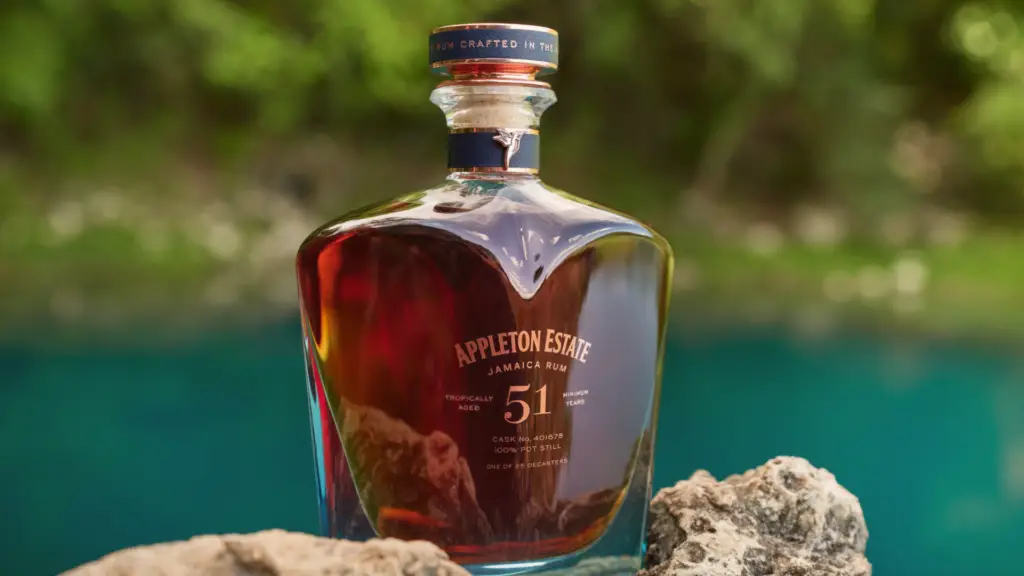
The Shipwreck That Turned Rum Into a Time Capsule
Rum was not designed to be preserved. It was designed to move. For most of its early history, rum existed as cargo rather than a collectable, shipped in bulk or sealed bottles across the Atlantic as part of a vast commercial system linking sugar plantations, ports, navies, and merchants. When sealed bottles of 19th century […]
September 23, 2026
People & Innovation
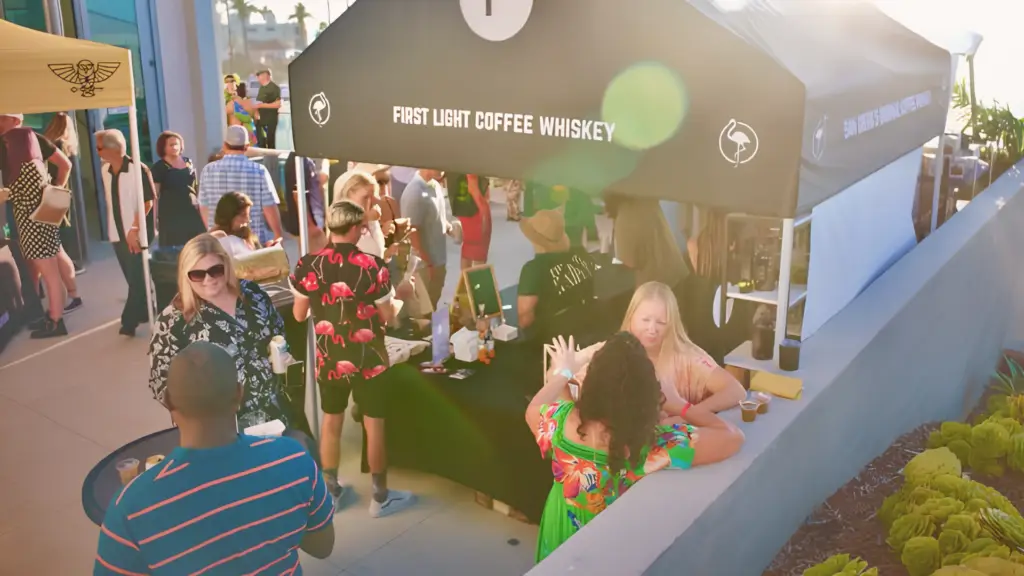
San Diego Spirits Festival: A Celebration of Craft, Creativity, and Connection
Along the coastline of Southern California, where creativity meets hospitality, the world of spirits comes together through one of America’s most recognised celebrations of cocktails and craftsmanship. The San Diego Spirits Festival has become a gathering place for spirits enthusiasts, bartenders, producers, and industry professionals who share a passion for discovering new flavours and celebrating […]
September 22, 2026