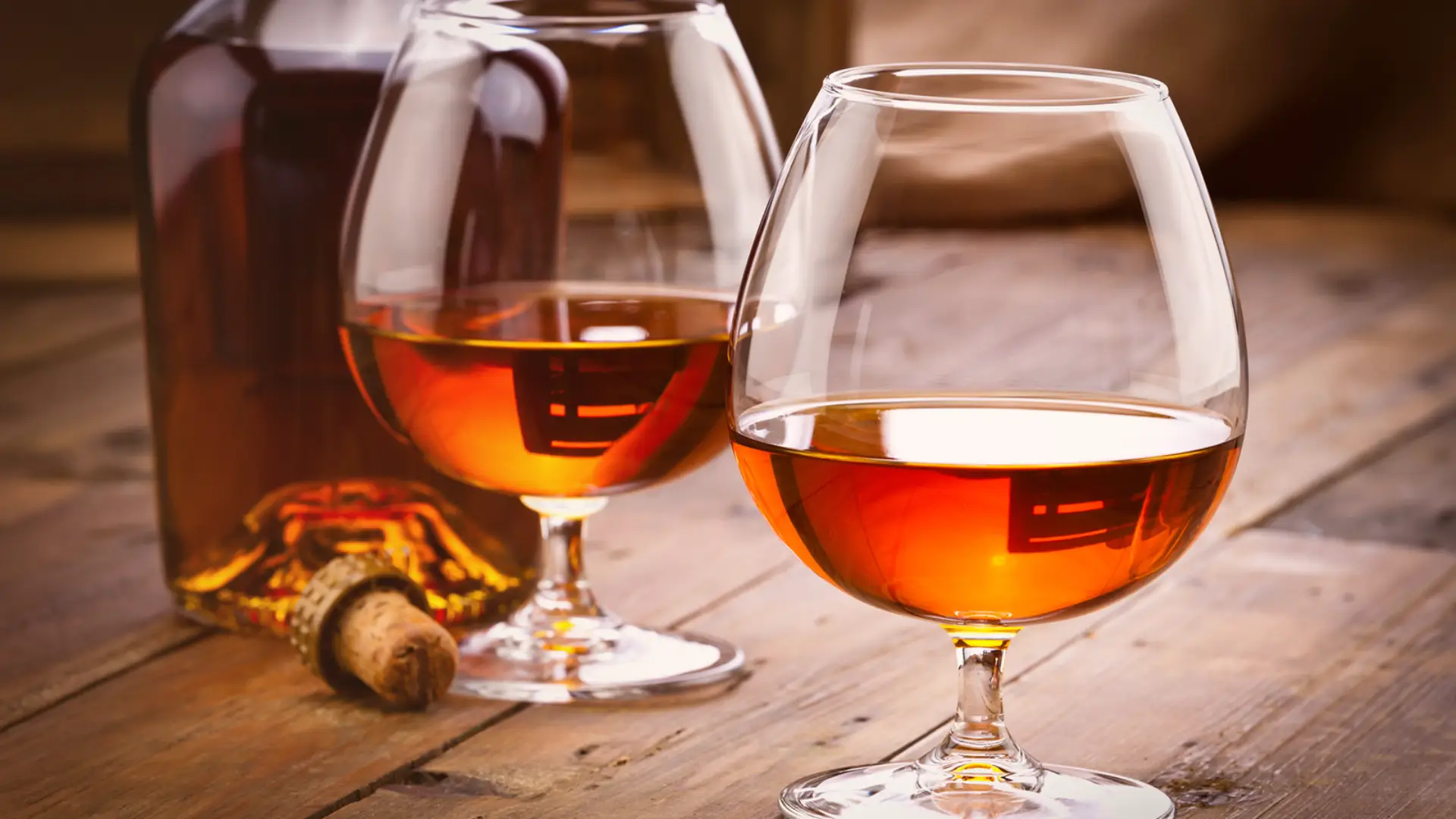
The story of Cognac begins with a practical problem. The white wines of the Charente region travelled through river ports and Atlantic trade routes, but they were not naturally suited to long commercial journeys. They were often light, acidic, and fragile. Distillation changed their future.
By concentrating wine into eau-de-vie, merchants and producers found a way to preserve value, move liquid more easily, and create a spirit that could develop over time in oak. What began as a response to trade and preservation became one of France’s most carefully protected production systems.
Cognac is now understood through famous houses, age labels, and global recognition, but its legal identity rests on something deeper. It is a controlled relationship between vineyard, region, still, cellar, and time. The name belongs to a defined place and to a method that has been written into law.
A Trade Route Before an Appellation
The Charente River shaped Cognac before the appellation existed. It connected inland vineyards with towns such as Cognac and Jarnac, then carried wine and spirit toward Atlantic ports. From there, the trade reached northern Europe and other maritime markets.
Dutch merchants played an important role in this transformation. Their demand for distilled wine helped create a commercial foundation for what would become brandy. In the Charentes, distillation was gradually refined into a local discipline rather than a simple preservation technique.
The first legal delimitation of the Cognac production area came in 1909. The production conditions were later defined in 1936, and the crus of the region were formalised in 1938. These dates matter because they show how a commercial name became a protected system. Cognac was not protected only because it was famous. It was protected because its reputation depended on a territory, a raw material, and a method that needed legal definition.
The Vineyard Behind the Still
Cognac begins as wine, but not as wine intended for the table. The base wine is usually acidic, relatively low in alcohol, and made to serve distillation rather than immediate drinking.
Ugni Blanc is the dominant grape variety today. It became central because it gives the acidity, neutrality, and reliability needed for distillation and long maturation. Other authorised varieties include Colombard, Folle Blanche, Montils, and Sémillon.
This agricultural base is essential to the appellation. Cognac is not a generic grape brandy. The grapes must come from the delimited production area, and the wine must be suitable for the regulated distillation process. The vineyard is therefore not separate from the spirit. It is the first legal condition of the category.
The production area covers Charente, Charente-Maritime, and authorised surrounding areas. The system links chalky soils, Atlantic climate, grape growing, distillation, and cellar ageing into a single protected identity.
Six Crus and a Language of Place
Cognac’s territory is divided into recognised crus. These geographic names help explain how the region understands differences in soil, maturation potential, and eau-de-vie character.
Grande Champagne and Petite Champagne are known for chalky soils and eaux-de-vie often associated with long ageing. Borderies is the smallest cru and has a distinct historical reputation. Fins Bois covers a wide area and contributes an important share of production. Bons Bois and Bois Ordinaires (Bois à Terroirs) extend toward outer and coastal parts of the appellation.
The word Champagne in Cognac has its own meaning. It does not refer to the sparkling wine region. In this context, it relates to local soil and historical regional vocabulary.
Fine Champagne is also a controlled term. It refers to Cognac made exclusively from Grande Champagne and Petite Champagne eaux-de-vie, with at least 50 per cent coming from Grande Champagne. This shows how the appellation regulates not only the broad name Cognac, but also the way certain geographic mentions can appear on a label.
Copper as a Legal Instrument
The technical centre of Cognac production is double distillation in a Charentais copper pot still. This method is known as distillation à repasse.
The first distillation transforms the wine into brouillis. The second distillation, called bonne chauffe, refines the brouillis into eau-de-vie. During this stage, the distiller separates the heart of the distillation from the heads and tails. The choices made during these cuts influence how the spirit will age years later.
This process is not only a craft preference. It is part of the legal identity of Cognac. The use of the Charentais still, the double distillation process, and the seasonal rhythm of distillation connect production to a regulated calendar and a regional technique.
At the end of distillation, the eau-de-vie is clear, powerful, and unfinished. It has the structure needed for ageing, but it has not yet developed the aromatic depth associated with Cognac. That transformation happens in oak.
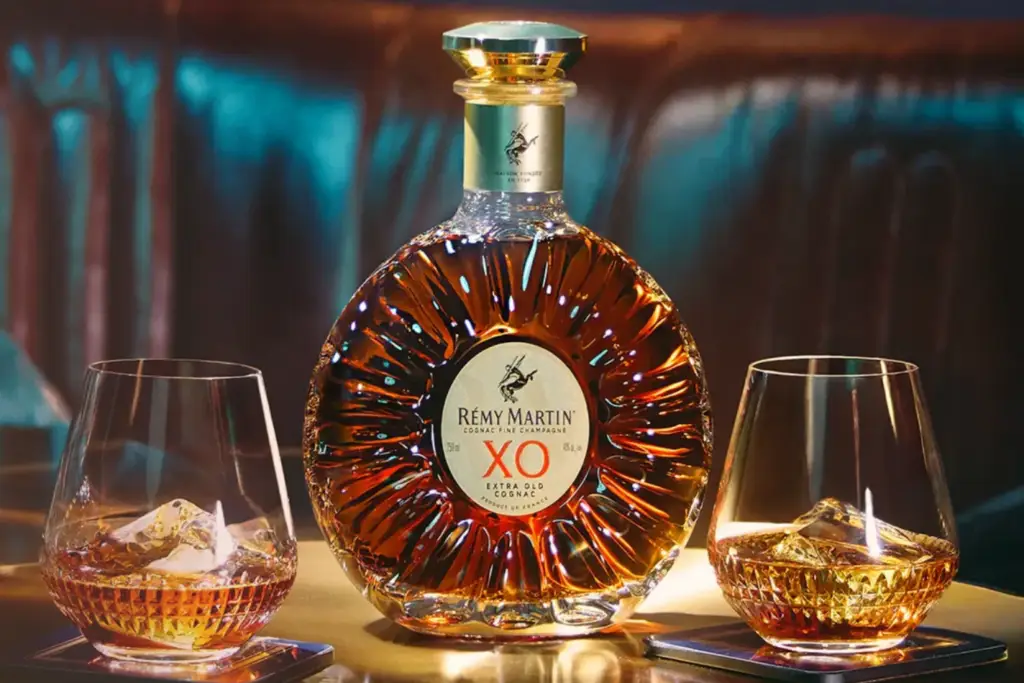
Time Measured in Oak
Cognac must be aged in oak vessels before it can be sold for consumption. The minimum ageing period is two years, and the ageing must take place without interruption in oak.
Oak ageing is not only about colour. It changes texture, aroma, and structure. Over time, the eau-de-vie absorbs compounds from the wood, loses alcohol and water through evaporation, and develops notes linked to dried fruit, flowers, spice, tobacco, rancio, and polished wood.
French oak has historically played a central role, especially oak associated with forests such as Limousin and Tronçais. Cellar conditions also matter. Humidity, temperature, barrel age, and air circulation all affect maturation. This is why Cognac ageing is both a legal requirement and a cultural skill.
The cellar master works with eaux-de-vie from different years, crus, cask types, and maturity levels. Cognac’s regulated structure gives the category its foundation, but blending gives each final expression its house style and balance.
Age Language in a Blended Spirit
Most Cognac is blended, and the age shown on the label is determined by the youngest eau-de-vie in the final composition.
A VS Cognac must contain eaux-de-vie aged for at least two years, while VSOP raises that minimum to four years. XO now requires a minimum of ten years for the youngest component, following the rule change that came into force in 2018. XXO sits above this with a minimum age of fourteen years.
These classifications do not describe every possible style, but they give Cognac a regulated language for maturity. They also protect consumers from vague age claims by tying commercial terms to minimum legal requirements.
Cognac must also meet a minimum bottling strength of 40% ABV. This figure is important because it places the final spirit within a legal standard, not simply a producer preference.
The Appellation as a System of Control
Cognac is protected in France as an Appellation d’Origine Contrôlée (AOC) and recognised as a Geographical Indication (GI) for the names Cognac, Eau-de-vie de Cognac, and Eau-de-vie des Charentes.
The Institut National de l’Origine et de la Qualité (INAO) oversees the French origin and quality framework. The Bureau National Interprofessionnel du Cognac (BNIC) serves as the defence and management body for the Cognac geographical indication. Its role includes safeguarding the name, monitoring the specifications, supporting the sector, and representing the shared interests of growers, distillers, and merchants.
This structure matters because Cognac is both an agricultural product and a global commercial name. Without regulation, the name could be separated from the place and method that created its value. The appellation prevents that separation.
The system controls where grapes may come from, which varieties may be used, how the wine is distilled, how the spirit is aged, what strength it must reach for sale, and how certain terms may appear on labels. Cognac is therefore not only a style. It is a legally organised chain of production.
A Protected Name Built From Repetition
Cognac’s strength lies in repetition across generations. The vineyards produce wines for distillation. The stills transform them through a specific method. The cellars mature them in oak. The cellar master blends them into a final spirit. The law protects the name that connects all these acts.
This is why Cognac remains one of the clearest examples of a spirit appellation. It does not rely only on prestige or old houses. It relies on a defined production culture that has been translated into legal form.
The appellation protects the Charente landscape, but it also protects a way of making spirit that depends on patience, technical discipline, and continuity. Cognac became a global name because its local rules gave that name meaning.

Renowned freelance spirits consultant, award-winning author, and international spirits judge, recognized globally as a leading authority on spirits selection, historical distillates, and market innovation.

Spirit
Cognac Famille Cabanne Lot 68 Cognac Brandy
Cognac Famille Cabanne Lot 68 is an exceptional offering from the renowned Famille Cabanne house, showcasing the intricate…
Spirit
Cognac Park VSOP is a sophisticated embodiment of artisanal craftsmanship in the world of cognac. Crafted with care…
Spirit
Grande Champagne Claude Thorin XO Royal Cognac
Grande Champagne Claude Thorin XO Royal Cognac represents the pinnacle of Cognac craftsmanship, beautifully embodying the essence of…
Spirit
Cognac Petite Champagne 49 YO The Whisky Agency Cognac Brandy
The Whisky Agency Single Cask 49 YO Very Fine Cogna is a remarkable example of extended maturation and…
Spirit
Cognac Frapin Château Fontpinot XO Cognac
Cognac Frapin Château Fontpinot XO is a distinguished offering from the renowned Frapin distillery, celebrated for its exceptional…
Spirit
Cognac Des Paysans Charentais Brandy
Cognac des Paysans Charentais represents a traditional craftsmanship deeply rooted in the Charente region of France. This cognac…
Spirit
Cognac Leyrat Xo Elite Brandy is a distinguished spirit that exemplifies the artistry of traditional Cognac production. It…
Trending
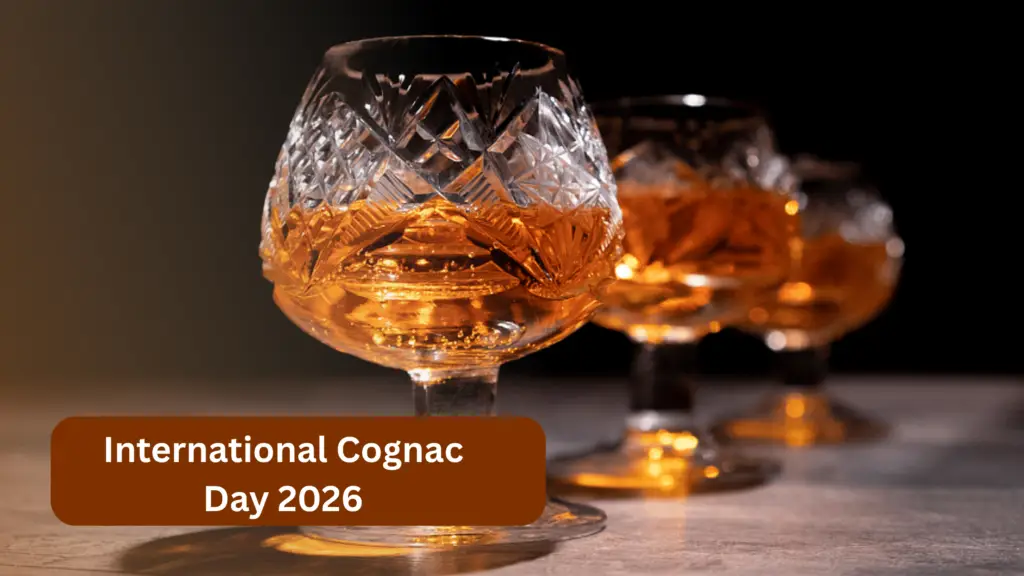
International Cognac Day: History, Appellation, and the Spirit of Charente
International Cognac Day is observed each year on June 4, but the spirit it recognizes belongs to a much longer calendar. Cognac is shaped by harvests, distillation seasons, oak maturation, and a legal framework that has turned a regional wine distillate into one of France’s most carefully protected spirits. Its identity begins in the Charente, […]
June 4, 2026
Distilleries
Singani: Bolivia’s High-Altitude Spirit and a Forgotten Andean Heritage
The vineyards of Tarija do not resemble traditional brandy landscapes. They rise sharply into the Andes, where sunlight is direct, air pressure is reduced, and diurnal temperature shifts slow the ripening cycle. At elevations between 1,600 and 2,200 meters, grapes develop differently. Sugar accumulates without losing acidity, and aromatics intensify rather than flatten. From this […]
April 19, 2026
Distilleries
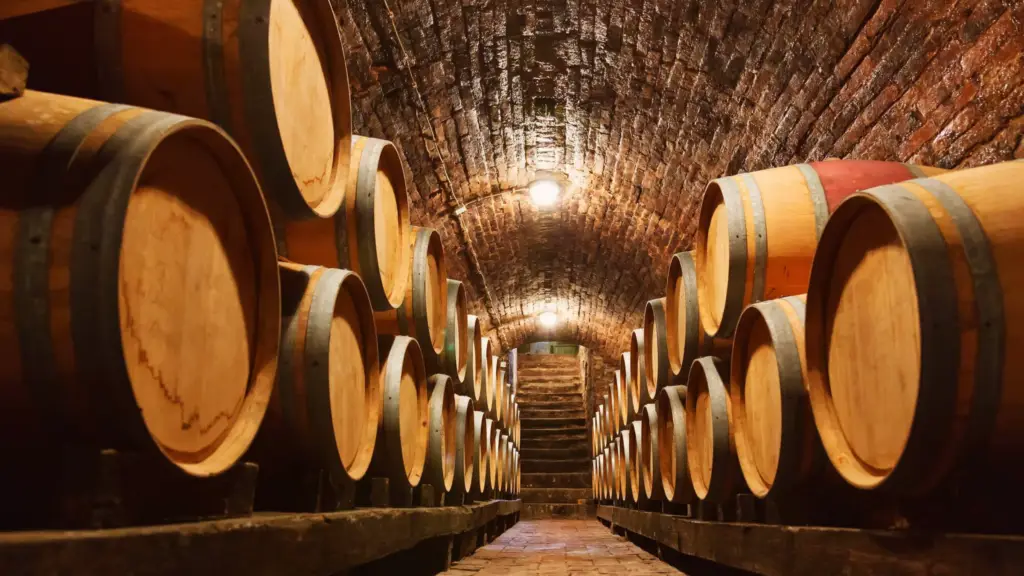
French Oak Vs American Oak in Rémy Martin Barrel Maturation
Freshly distilled Cognac is structurally incomplete. Clear, high in alcohol, and aromatically narrow, it carries the potential of the grape but not its final form. That transformation begins only once the eau-de-vie enters oak, where wood, oxygen, and time begin to reorganize its composition. The system built around Rémy Martin relies on French oak to […]
April 11, 2026