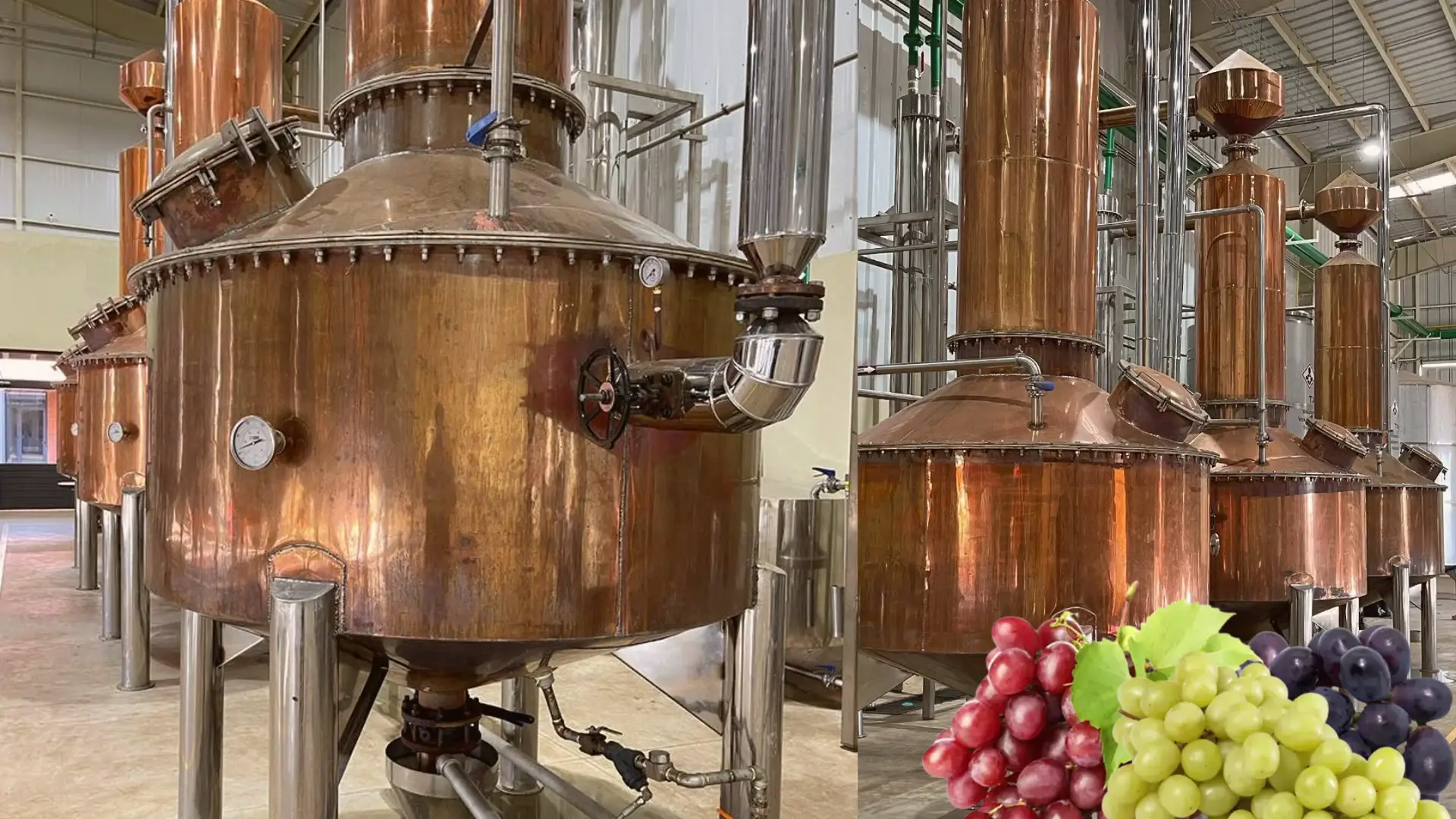
Behind every legally protected spirit stands a production system shaped by geography, law, and accumulated decision-making. Casa Real, Bodega Tacama, and Hennessy do not merely produce singani, pisco, and cognac. Each distillery embodies the structural logic of its category. Examining them side by side reveals how distilleries function as custodians of identity rather than engines of stylistic innovation.
Casa Real and the Architecture of Singani
Casa Real was founded in 1925 in Tarija, Bolivia, by the Aranjuez family. Its importance lies not in experimentation but in consolidation. Casa Real transformed singani from dispersed rural production into a standardised, legally defensible spirit.
The distillery sources Muscat of Alexandria grapes exclusively from high altitude vineyards located between 1,600 and 2,000 metres above sea level. This altitude governs harvest timing, acidity retention, and aromatic intensity. Casa Real’s role begins before fermentation. Vineyard management is structured to preserve floral compounds rather than maximise yield.
Fermentation is conducted shortly after harvest to prevent oxidation. Distillation occurs in copper pot stills, a practice aligned with the Denomination of Origin and essential for retaining aromatic volatility. No rectification or wood influence is introduced.
Casa Real Singani serves as the category’s reference expression. Its profile is linear, floral, and dry, shaped by altitude and single distillation rather than post-distillation intervention. Casa Real’s authority comes from restraint. It defines singani by maintaining what is excluded as much as by what is included.
Bodega Tacama and the Continuity of Pisco
Bodega Tacama operates from the Ica Valley in Peru and traces its origins to 1540, making it one of the oldest continuously operating vineyards in the Americas. Its longevity reflects adaptation rather than stasis.
Tacama’s pisco production is grounded in varietal differentiation. The distillery works with Quebranta, Italia, Torontel, and Albilla grapes, each fermented and distilled separately. This approach reinforces Pisco’s classification system, where grape variety determines style rather than aging or blending.
Distillation is carried out once in copper pot stills. Under Peruvian regulation, Tacama Quebranta Pisco is bottled at distillation strength without dilution. This requirement locks the spirit’s structure at the moment of distillation.
Tacama’s production system prioritises transparency. No oak aging is permitted. No additives are allowed. The distillery’s role is to preserve the character of each grape rather than reshape it. Tacama demonstrates how a distillery can support diversity without sacrificing definition.
Hennessy and the Engineering of Cognac
Hennessy was founded in 1765 by Richard Hennessy in the Cognac region of France. Unlike Casa Real and Tacama, Hennessy was built from the outset for export. Its production system reflects that orientation.
Hennessy sources Ugni Blanc grapes primarily from Grande Champagne and Petite Champagne. These grapes are selected for acidity and neutrality rather than aroma. Fermentation produces a low alcohol wine designed specifically for distillation.
Distillation is conducted twice in traditional Charentais copper stills. The resulting eau de vie is intentionally austere. Its purpose is not immediate expression but transformation through time.
Aging occurs in French oak barrels sourced from Limousin and Tronçais forests. Blending is central to Hennessy’s system. Hennessy VSOP Cognac exemplifies this approach, combining eaux de vie of different ages and origins to produce consistency at scale.
Hennessy’s authority lies in orchestration. Where Casa Real preserves, and Tacama differentiates, Hennessy constructs.
Structural Contrast Between the Distilleries
These three distilleries operate under fundamentally different assumptions.
Casa Real assumes that identity is fragile and must be protected through limitation.
Tacama assumes that identity is plural and can be expressed through varietal separation.
Hennessy assumes that identity is built through control, blending, and time.
None of these approaches is superior. Each reflects the environment, history, and market context in which the distillery operates.
Distilleries do not simply produce spirits. They enforce systems. By examining Casa Real, Bodega Tacama, and Hennessy as production architectures, Barlist moves beyond category labels and into the mechanics of identity.
Singani, pisco, and cognac remain distinct not because of tradition alone, but because distilleries chose different forms of discipline. These choices continue to shape how grape spirits exist in the world.

Distillery
Hennessy Cognac is renowned as the world's leading producer of cognac, representing a harmonious blend of tradition and…
Distillery
Viña Tacama is a distinguished winery and distillery located in the breathtaking Ica Valley of Peru. Established in…
Distillery
Casa Real Tarija, an esteemed distillery located in the heart of Bolivia's Tarija region, embodies a blend of…
Spirit
Hennessy VSOP Very Superior Old Pale Cognac
Hennessy VSOP Very Superior Old Pale Cognac is a distinguished blend that encapsulates a legacy of craftsmanship and…
Spirit
Demonio de los Andes Acholado Pisco
Demonio de los Andes Acholado Pisco is a distinguished Peruvian spirit that encapsulates the rich viticultural heritage of…
Spirit
Singani Casa Real Etiqueta Roja
Singani Casa Real Etiqueta Roja is a distinguished Bolivian singani that embodies the essence of craftsmanship and tradition…
Trending
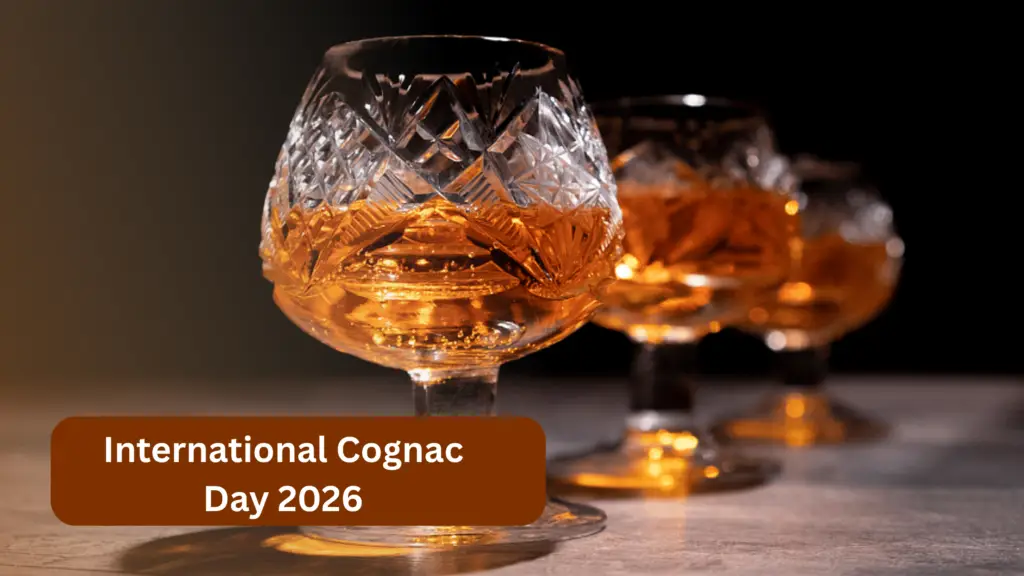
International Cognac Day: History, Appellation, and the Spirit of Charente
International Cognac Day is observed each year on June 4, but the spirit it recognizes belongs to a much longer calendar. Cognac is shaped by harvests, distillation seasons, oak maturation, and a legal framework that has turned a regional wine distillate into one of France’s most carefully protected spirits. Its identity begins in the Charente, […]
June 4, 2026
Distilleries
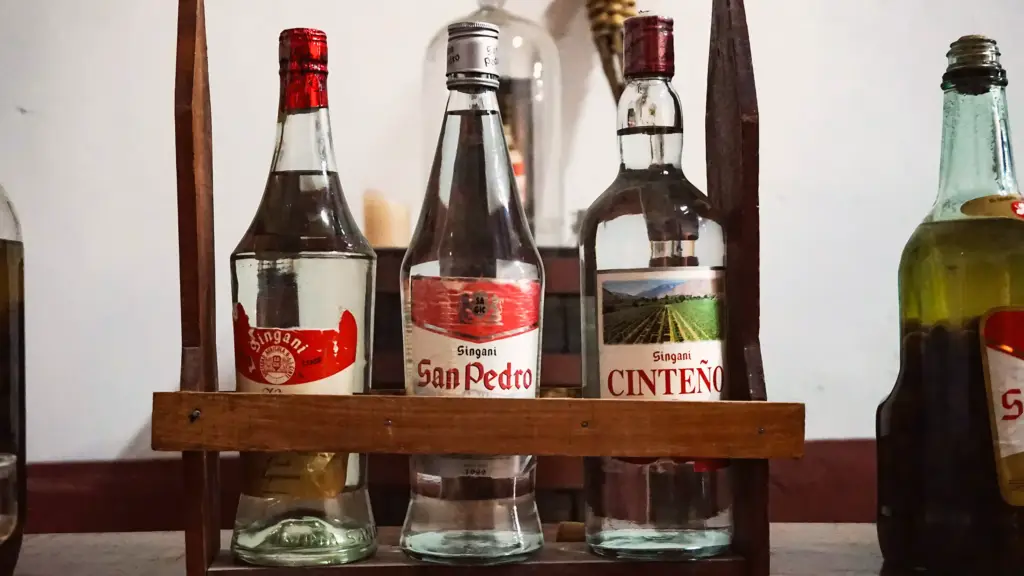
Singani: Bolivia’s High-Altitude Spirit and a Forgotten Andean Heritage
The vineyards of Tarija do not resemble traditional brandy landscapes. They rise sharply into the Andes, where sunlight is direct, air pressure is reduced, and diurnal temperature shifts slow the ripening cycle. At elevations between 1,600 and 2,200 meters, grapes develop differently. Sugar accumulates without losing acidity, and aromatics intensify rather than flatten. From this […]
April 19, 2026
Spirits
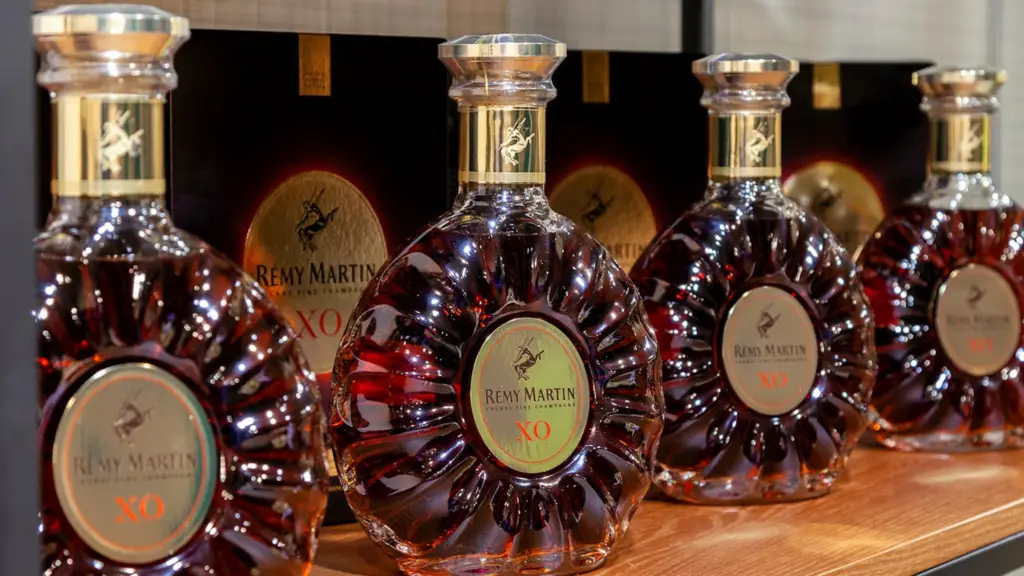
Pricing and Taxation in 19th-century European Spirits Consumption
In the early decades of the nineteenth century, the cost of a glass of spirits in London, Paris, or Warsaw was rarely determined by the distiller. It was determined by the state. A measure of whisky, Cognac, or vodka carried within it a structure of duties, controls, and transport costs that defined not only its […]
April 7, 2026