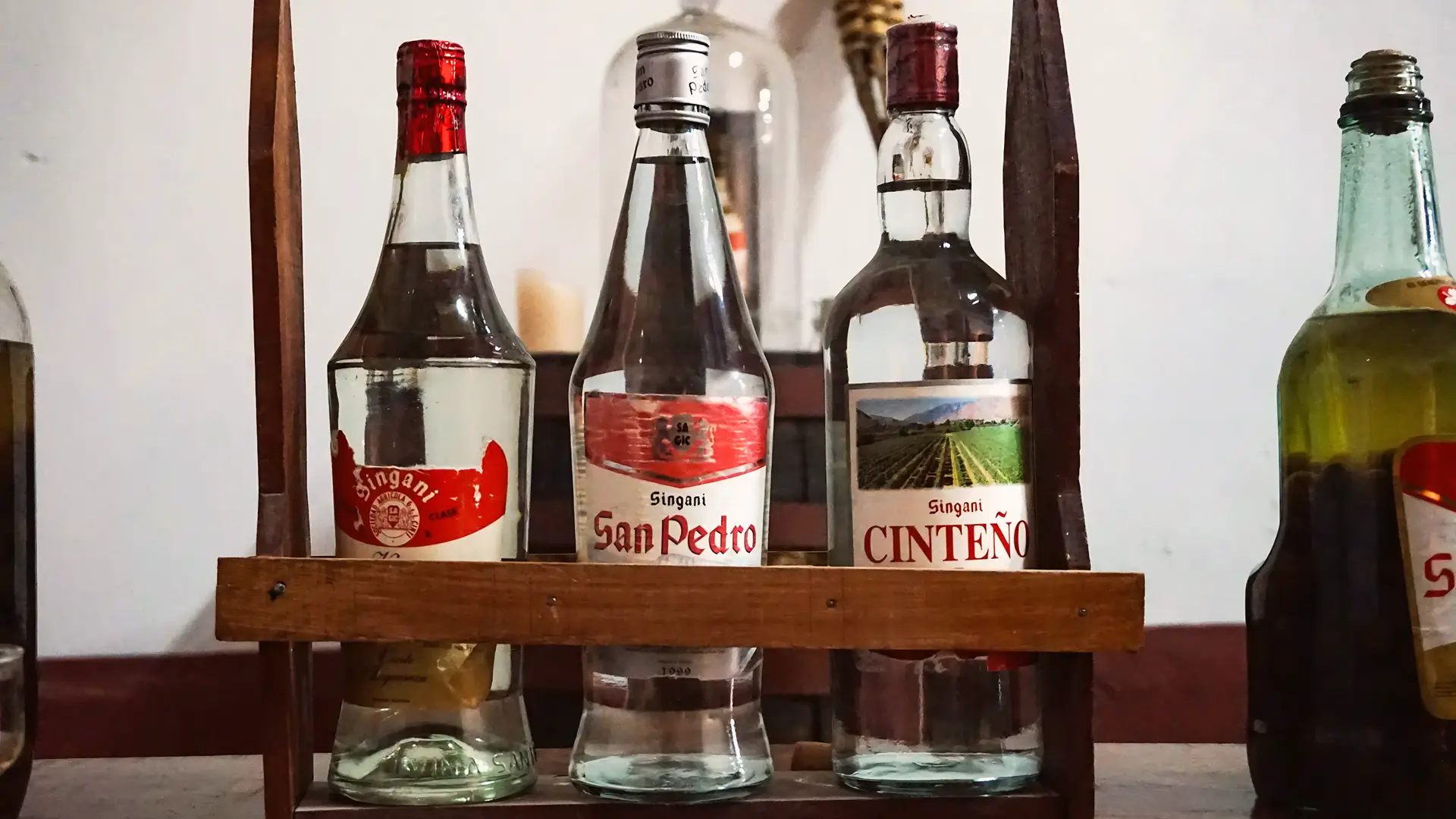
The vineyards of Tarija do not resemble traditional brandy landscapes. They rise sharply into the Andes, where sunlight is direct, air pressure is reduced, and diurnal temperature shifts slow the ripening cycle. At elevations between 1,600 and 2,200 meters, grapes develop differently. Sugar accumulates without losing acidity, and aromatics intensify rather than flatten.
From this environment, Singani emerges. Produced exclusively from Muscat of Alexandria, the spirit carries a level of floral clarity that distinguishes it from other grape distillates. Unlike the aged structures of Rémy Martin Cognac or the rustic evolution of Armagnac, Singani does not rely on wood to define its identity. What exists in the glass is already present in the vineyard.
From colonial distillation to a regional system
Distillation entered the Andes during the 16th century, alongside Spanish viticulture. Early production supported mining economies in Potosí, where alcohol functioned as both a commodity and a daily necessity. These first distillates were not yet distinct from European brandies.
A shift occurred as cultivation moved south toward Tarija. By the 17th and 18th centuries, distillation in this region began to reflect local conditions rather than imported methods. Without access to large-scale cooperage or the same aging infrastructure found in Cognac or Jerez, producers focused on preserving the raw aromatic profile of the grape.
By the 19th century, Singani had established itself as a regional constant. It was no longer an adaptation of European brandy. It had become something separate, defined by altitude, grape, and the absence of barrel influence.
A denomination built on restriction
Modern Singani is protected as a Bolivian denomination of origin, restricted to specific high-altitude zones in Tarija, Chuquisaca, and parts of Potosí. Production must occur above defined elevation thresholds, reinforcing the relationship between geography and outcome.
The regulations are narrow. Only Muscat of Alexandria is permitted. Distillation must occur from wine rather than pomace, distinguishing it from spirits such as grappa or orujo. Aging is not required, and in most cases avoided, to preserve primary aromatic compounds.
This framework limits expansion. Unlike rum, where producers such as Hampden Estate or Caribbean distilleries operate across varied systems, Singani cannot be replicated outside its defined environment. Its identity depends on constraints.
Fermentation shaped by altitude
At elevation, fermentation behaves with subtle differences. Lower atmospheric pressure and cooler nights extend fermentation time, allowing volatile compounds to remain intact. The resulting wine carries a high concentration of floral esters that must be preserved during distillation.
Copper pot stills are used to separate alcohol while retaining these aromatics. Unlike whisky distillation at The Glenlivet Distillery, where fermentation character is later reshaped through oak, Singani must retain its structure at the point of distillation. There is no secondary layer of transformation. Cut points are therefore critical. The objective is not to maximize yield, but to preserve precision.
A profile without intervention
Without barrel aging, Singani remains structurally transparent. In the glass, it presents jasmine, orange blossom, fresh grape, and citrus peel, supported by a clean, dry finish. There is no tannin framework, no vanillin from oak, and no oxidative depth.
This absence defines its position among grape spirits. It is closer in structure to unaged eau-de-vie than to Cognac, yet its altitude-driven aromatics create a distinct profile that cannot be replicated in lower elevations.
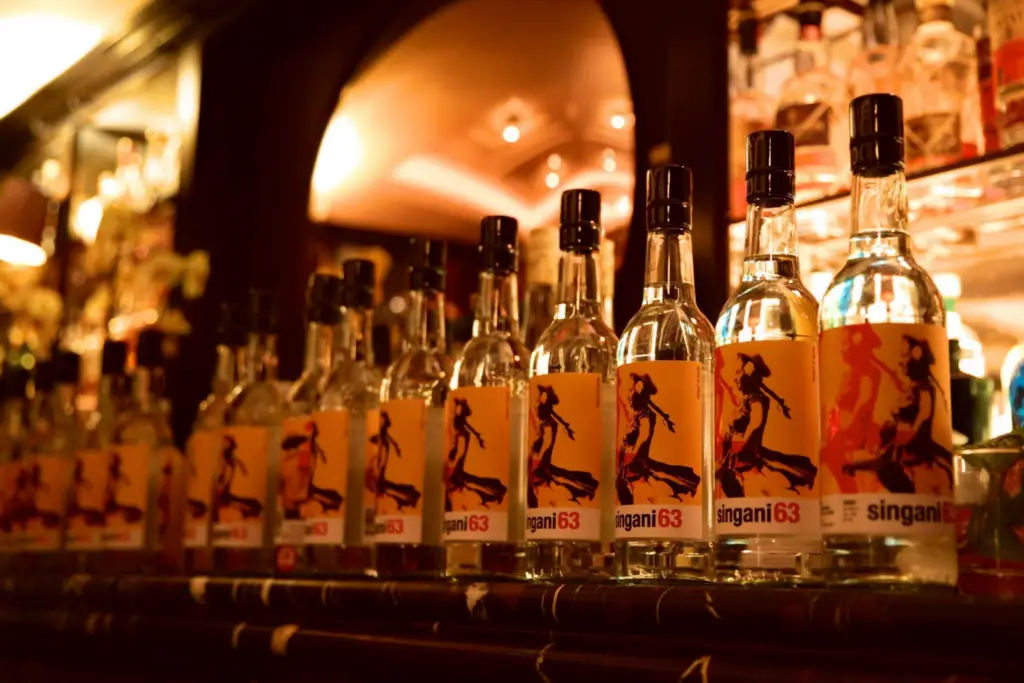
Producers such as Casa Real maintain this clarity through controlled fermentation and distillation, while brands such as Singani 63 have introduced the spirit to international markets without altering its core structure.
From Chuflay to contemporary adaptation
Within Bolivia, Singani is most commonly consumed in the Chuflay, a combination of Singani, lime, and ginger ale. The drink reflects the spirit’s structure, allowing its aromatics to remain intact rather than masked.
Beyond Bolivia, Singani has begun to appear in cocktail programs that require aromatic clarity. It can serve as a substitute for gin in certain builds or replace lighter grape spirits in sour-style cocktails. Its use remains limited, not because of technical constraints, but because of availability. Its structure supports versatility. Its distribution restricts it.
A spirit defined by its limits
Singani does not scale. Its production depends on altitude, a single grape variety, and a fermentation-distillation system that cannot be easily replicated elsewhere. Attempts to produce similar spirits outside Bolivia result in different outcomes.
This resistance to adaptation has preserved its identity. Unlike categories that expand through variation, Singani remains fixed to its origin. It is not shaped by market demand. It is shaped by geography.
Singani represents a production model where minimal intervention defines maximum expression. High-altitude viticulture concentrates the raw material, fermentation preserves it, and distillation carries it forward without transformation through aging.
In contrast to spirits that build complexity through wood or blending, Singani relies on precision at the earliest stages. What is removed from the process is as important as what is included. The result is a spirit that does not evolve through time in cask, but arrives complete at distillation, shaped entirely by altitude, grape, and control.

Distillery
Hampden Distillery, founded in 1753 in the heart of Jamaica's Trelawny Parish, stands as a testament to centuries…
Distillery
The Glenlivet Distillery is an iconic Scottish whisky producer situated in the picturesque region of Speyside, near Ballindalloch…
Distillery
Casa Real Tarija, an esteemed distillery located in the heart of Bolivia's Tarija region, embodies a blend of…
Distillery
Rémy Martin is a prestigious French distillery renowned for its exceptional production of cognac, with a rich heritage…
Spirit
Singani Casa Real Etiqueta Azul
Singani Casa Real Etiqueta Azul stands as a testament to the remarkable craftsmanship behind one of Bolivia's most…
Spirit
Singani 63 is heralded as the national spirit of Bolivia, boasting a rich legacy that spans over 500…
Spirit
Cognac Petite Champagne 49 YO The Whisky Agency Cognac Brandy
The Whisky Agency Single Cask 49 YO Very Fine Cogna is a remarkable example of extended maturation and…
Spirit
Grappa Cellini Cru Bianca Brandy
Grappa Cellini Cru Bianca is a distinguished Italian grappa that exemplifies the art of fine distillation and craftsmanship.…
Spirit
Singani Casa Real Etiqueta Roja
Singani Casa Real Etiqueta Roja is a distinguished Bolivian singani that embodies the essence of craftsmanship and tradition…
Distillery
Hampden Distillery, founded in 1753 in the heart of Jamaica's Trelawny Parish, stands as a testament to centuries…
Distillery
The Glenlivet Distillery is an iconic Scottish whisky producer situated in the picturesque region of Speyside, near Ballindalloch…
Distillery
Casa Real Tarija, an esteemed distillery located in the heart of Bolivia's Tarija region, embodies a blend of…
Distillery
Rémy Martin is a prestigious French distillery renowned for its exceptional production of cognac, with a rich heritage…
Spirit
Singani Casa Real Etiqueta Azul
Singani Casa Real Etiqueta Azul stands as a testament to the remarkable craftsmanship behind one of Bolivia's most…
Spirit
Singani 63 is heralded as the national spirit of Bolivia, boasting a rich legacy that spans over 500…
Spirit
Cognac Petite Champagne 49 YO The Whisky Agency Cognac Brandy
The Whisky Agency Single Cask 49 YO Very Fine Cogna is a remarkable example of extended maturation and…
Spirit
Grappa Cellini Cru Bianca Brandy
Grappa Cellini Cru Bianca is a distinguished Italian grappa that exemplifies the art of fine distillation and craftsmanship.…
Spirit
Singani Casa Real Etiqueta Roja
Singani Casa Real Etiqueta Roja is a distinguished Bolivian singani that embodies the essence of craftsmanship and tradition…
Partnership
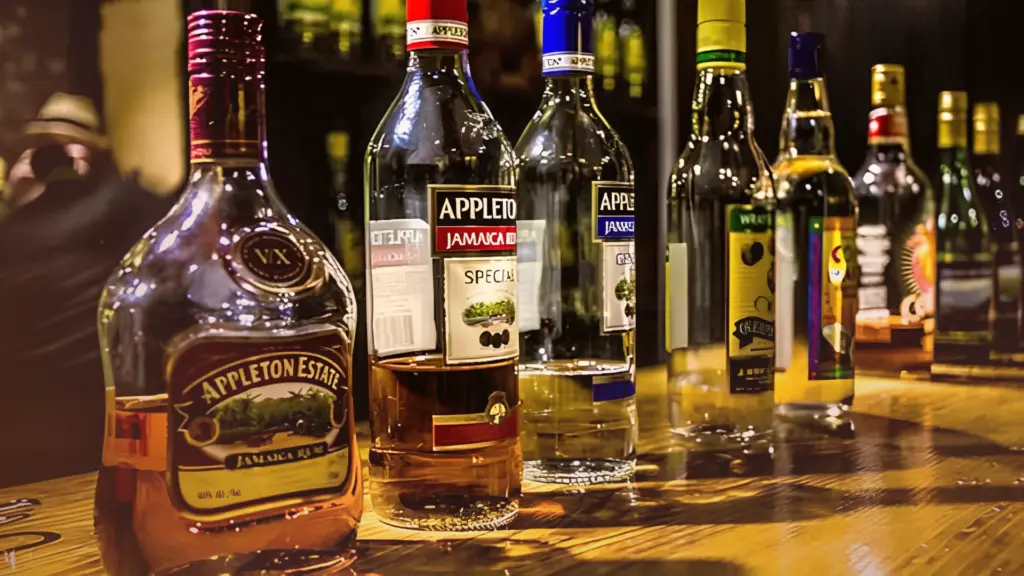
Jamaica Rum and the Sugar Estate Landscape Behind a Protected GI
Jamaica’s Rum story begins with sugar estates, limestone water, heavy fermentations, coastal trade, and a landscape where cane became both wealth and memory. The island’s reputation was not made by one house or one parish. It grew across estates, distilleries, ports, and rural communities where sugar production and rum making became inseparable from the country’s […]
September 13, 2026
Partnership
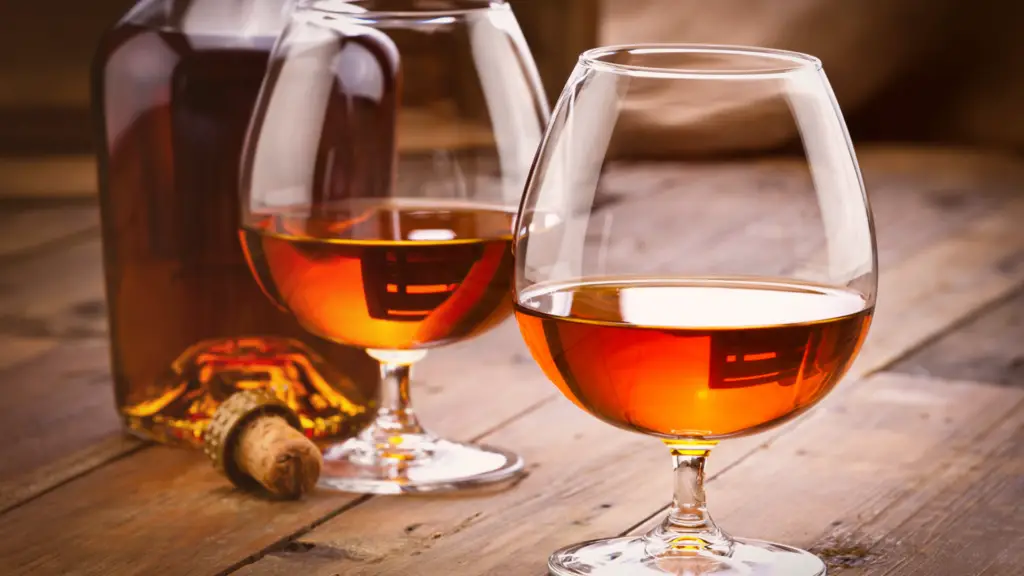
Cognac: The Legal and Geographic Identity of France’s Most Structured Spirit
The story of Cognac begins with a practical problem. The white wines of the Charente region travelled through river ports and Atlantic trade routes, but they were not naturally suited to long commercial journeys. They were often light, acidic, and fragile. Distillation changed their future. By concentrating wine into eau-de-vie, merchants and producers found a […]
August 2, 2026
Distilleries & Producers
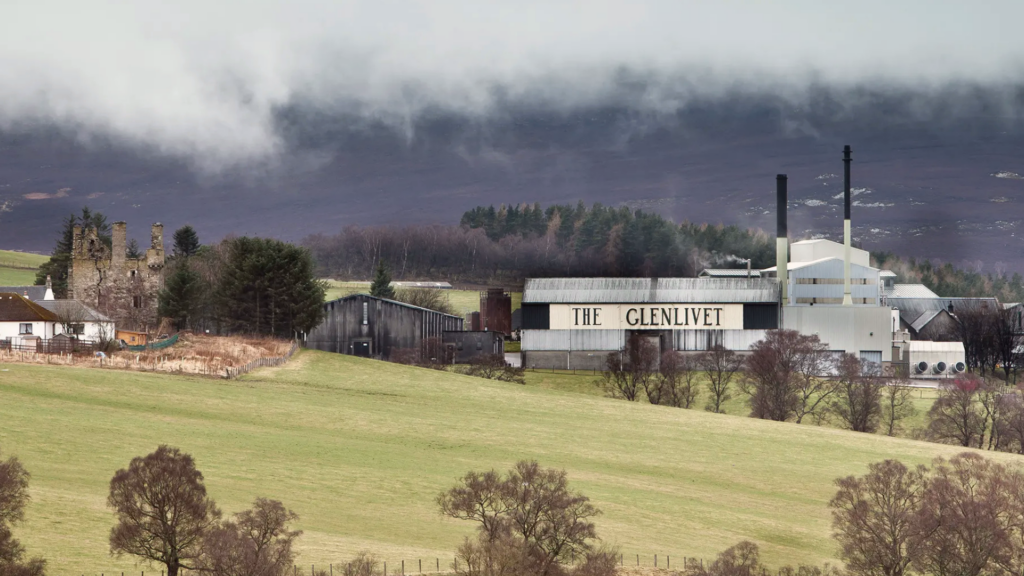
George Smith and The Glenlivet: The License That Changed Scotch Whisky
In the early 1800s, the Livet valley already had a reputation for whisky before it had legal certainty. Small Highland stills operated through geography, local protection, taxation pressure, and rural necessity. Whisky from the Glenlivet area was known beyond the valley, but much of the system that produced it remained outside formal law. The turning […]
June 6, 2026