From beer to bourbon is becoming one of the more revealing movements in Kentucky drinks culture.
The reported plan by Country Boy Brewing to open a Kentucky distillery is not only a company expansion story. It sits inside a larger shift in how craft beverage businesses think about production, hospitality, brand loyalty, and long-term survival in a more difficult alcohol market.
For a brewery, moving into distilling is not a simple change of category. Beer and whiskey both begin with grain, water, yeast, and fermentation, but they live by very different rules. Beer is made, packaged, and sold within a much shorter rhythm. Whiskey asks for capital, patience, warehousing, regulation, maturation, and a willingness to wait years before the most important product can fully reveal itself.
That is what makes the move interesting. Kentucky is already crowded with bourbon history, bourbon tourism, major distillers, craft producers, and global brand power. A brewery entering distilling there is not entering an empty field. It is stepping into one of the most symbolically loaded spirits landscapes in the world.
Why the Timing Matters: Beer to Bourbon
The timing is what gives this story weight.
For more than a decade, bourbon was often described in terms of growth. New warehouses went up, visitor centres expanded, premium releases attracted attention, and Kentucky whiskey became a global cultural marker. Producers filled barrels because the future looked hungry.
The picture is now more complicated. Recent reporting has pointed to softer demand, export pressure, tariff uncertainty, high inventories, and production adjustments among larger producers. Jim Beam‘s decision to pause production at its Clermont distillery in 2026 became one of the clearest signs that the bourbon boom had entered a more cautious phase.
That does not mean Kentucky whiskey is in decline as a cultural force. The state still dominates bourbon production, and whiskey remains deeply tied to employment, agriculture, tourism, hospitality, and local identity. The industry is not disappearing; it is being forced to think more carefully about scale, timing, and demand.
A brewery moving into distilling during this period is therefore not following an easy trend. It is making a long-horizon decision in a market that has become less forgiving.
Brewing and Distilling Share a Starting Point
Breweries understand fermentation.
They work with grain, water chemistry, yeast behaviour, temperature control, sanitation, consistency, flavour development, packaging, and consumer feedback. These skills do not automatically make a brewery a distillery, but they create a strong technical foundation.
Whiskey production begins in a world brewers recognise. Grain must be milled, cooked, converted, fermented, and managed with precision. Yeast performance matters, as does consistency across batches. A brewery already knows that small changes in raw materials, temperature, and process can change the final product.
The difference arrives after fermentation. Distillation concentrates alcohol and flavour compounds, while maturation transforms the spirit over time. Barrels introduce another layer of cost, risk, patience, and uncertainty.
A brewer can correct a beer programme relatively quickly. A whiskey producer cannot easily correct a warehouse filled with decisions made years earlier. That difference separates the two businesses more sharply than their shared grain base suggests.
Kentucky’s Advantage and Its Burden
Kentucky gives new distillers an immediate advantage.
The state already has a global association with bourbon. Its agricultural landscape, distilling history, warehouse architecture, visitor economy, and legal identity create a powerful frame for any producer entering whiskey.
That frame can help a brewery. A Kentucky brewery does not need to explain why bourbon matters in the state. Consumers already understand that whiskey belongs to the region’s public imagination.
The burden is credibility. In Kentucky, bourbon is not a novelty category that can be entered casually. New producers are measured against deep tradition, established names, family distilling histories, and highly informed consumers.
A brewery moving into bourbon must therefore do more than attach itself to local identity. It has to prove that its distilling work has discipline, patience, and a reason to exist beyond brand extension. That is the central challenge. Kentucky gives producers a story, but it also gives them a demanding audience.
What Breweries Bring to Spirits: Fact of Beer to Bourbon
Breweries bring something that many young spirits brands struggle to build: community before release.

A brewery often has taprooms, local followers, direct customer relationships, events, distribution experience, and an established hospitality rhythm. It knows how people gather around a brand before that brand becomes nationally visible.
That matters for distilling because whiskey takes time. A new distillery must often survive the gap between early production and mature stock. A brewery can use its existing business to support that waiting period, while spirits slowly develop in barrel.
The taproom model also teaches producers how guests respond to flavour, story, design, and atmosphere. That knowledge is valuable when building a spirits identity because modern distilleries are not only production sites. They are also places where education, hospitality, retail, and brand memory meet.
A brewery with a loyal local base may enter distilling with a public already willing to pay attention. That does not guarantee success, but it reduces the silence that many new distilleries face at the beginning.
Barrel Culture as a Bridge
Beer and bourbon already overlap through barrel culture.
For years, breweries have used whiskey barrels to age stouts, ales, barley wines, and experimental releases. These beers helped some consumers think about oak, ageing, spirit influence, sweetness, grain, roast, vanilla, spice, and time in a new way.
In Kentucky, that overlap feels especially natural because bourbon barrels are part of the state’s material culture. They move through distilleries, cooperages, warehouses, breweries, and secondary uses, carrying flavour and symbolism with them.
A brewery that has worked with barrels may already understand part of whiskey’s public language. It knows that barrels are not only containers. They are storytelling objects, production tools, and markers of patience.
Still, barrel-aged beer is not bourbon. The relationship can open a door, but it cannot replace distilling knowledge. A brewery must be careful not to treat whiskey as an extension of beer marketing.
The most serious crossover producers understand the difference. They use brewing experience as a foundation, then build a separate spirits discipline on top of it.
The Risk of the Long Game: The Insight of Beer to Bourbon
Bourbon is a long game by design.
Even before questions of branding and distribution appear, a distiller must make decisions about grain, yeast, fermentation, distillation, barrel entry, warehouse placement, and maturation. Those decisions will not be fully judged until much later.
This creates a different financial rhythm from beer. A brewery can release new products quickly, respond to trends, and adjust its offer in real time. Whiskey ties money into wood and asks the business to wait. That waiting period becomes more difficult in a market under pressure. When demand is growing quickly, waiting feels like confidence. When the market is uncertain, waiting feels like risk.
This is why a brewery to distillery move should not be treated as an easy diversification strategy. It is diversification into a category where time itself becomes part of the balance sheet. The decision only makes sense if the company has a clear identity, patient capital, and a realistic understanding of how long whiskey takes to build.
Why Smaller Producers Still Enter
The cautious bourbon market does not automatically discourage smaller producers.
Large companies and smaller producers face different pressures. Major distillers must manage enormous inventories, national and international distribution, warehouse scale, and expectations from mature brands. Smaller producers may operate with more limited volume, stronger local relationships, and a more direct hospitality model.
A brewery entering distilling can build gradually. It can use its existing audience, test its story carefully, and avoid pretending to compete immediately with the largest bourbon houses. Smaller producers also have room to be specific. They can connect whiskey to local grain, brewing heritage, regional culture, hospitality spaces, or a house fermentation philosophy. That specificity may matter more in a crowded market than broad claims of authenticity.
The opportunity is not to become another large bourbon brand overnight. The opportunity is to create a spirits identity that feels rooted, patient, and connected to an existing community. That kind of growth is slower, but it may be more durable.
The Town Branch Precedent
Kentucky already has a visible example of the brewery to distillery pathway.
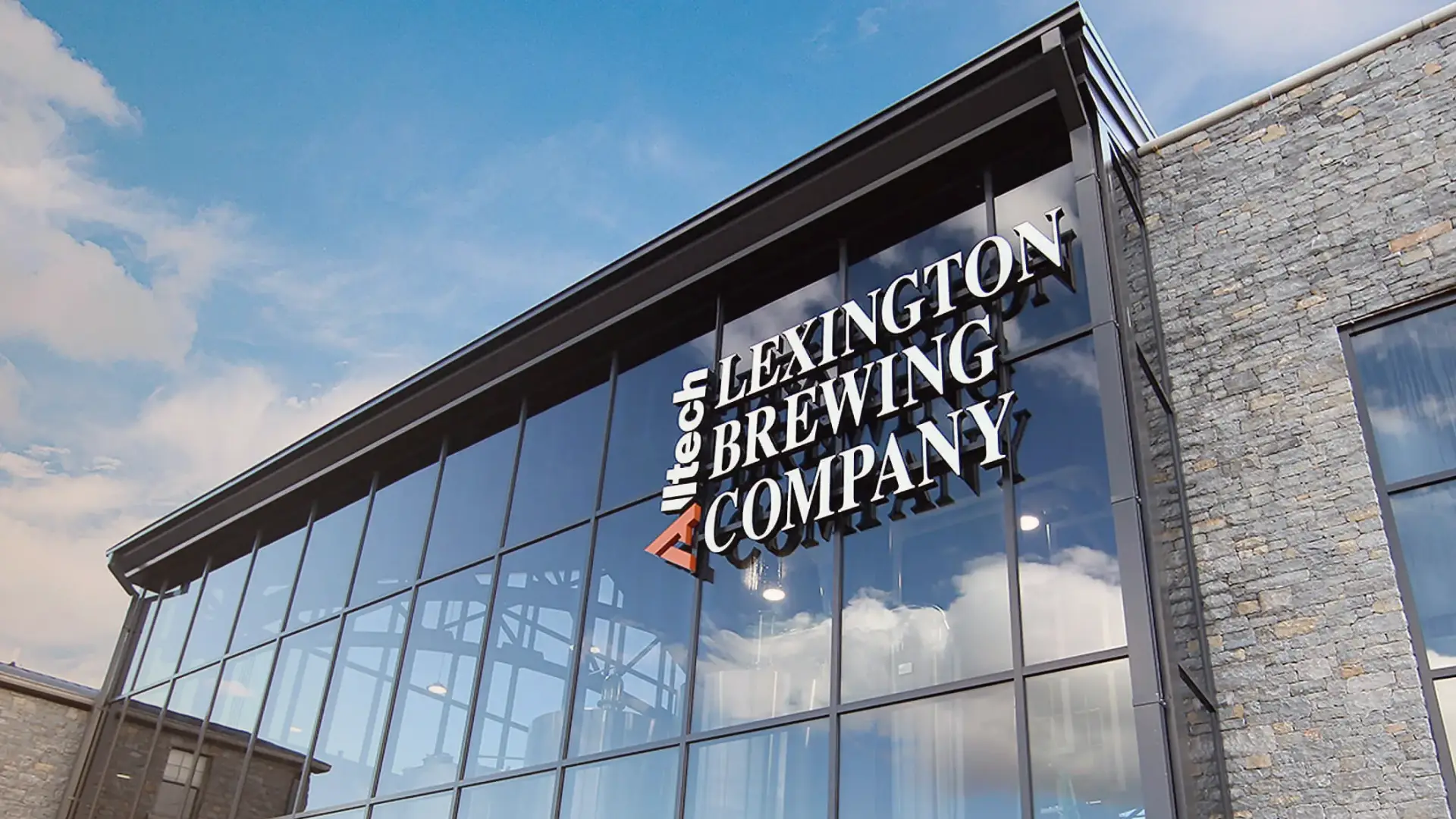
Lexington Brewing and Distilling Company, associated with Kentucky Ale and Town Branch, built a bridge between beer and whiskey before the current moment. Its distillery opened in 2012, and Town Branch became part of Lexington’s modern bourbon identity.
That precedent matters because it shows the crossover is not abstract. A brewing business can move into spirits and create a distinct distilling presence, especially when the brand understands that beer and whiskey require different forms of credibility.
The example also shows how urban Kentucky drinks culture has changed. Distilling is no longer only understood through rural warehouses and old family names. It can sit inside city districts, mixed beverage portfolios, craft hospitality, and modern visitor economies.
Country Boy Brewing’s reported move belongs to that broader pattern. It reflects a Kentucky drinks landscape where breweries, distilleries, bars, restaurants, and tourism spaces increasingly overlap. The deeper question is not whether breweries can distil. It is whether they can build spirits identities that deserve to last.
Beyond One Company
The Country Boy story is useful because it points beyond one business.
Craft breweries across the United States have faced their own pressures: crowded shelves, shifting consumer habits, changing taproom economics, and the need to create new reasons for customer loyalty. Moving into spirits can look attractive because it offers longer shelf life, higher perceived value, and a different relationship with place.
In Kentucky, that logic is intensified by bourbon’s cultural power. A brewery can enter distilling with a local vocabulary already available, but it must avoid the temptation to rely on that vocabulary too easily.
The most convincing producers will not simply say they are from Kentucky. They will explain what their fermentation knowledge, grain choices, production discipline, maturation decisions, and hospitality culture bring to the whiskey.
That explanation does not need to be loud. It needs to be precise. The future of brewery led distilling will depend on whether these companies can turn existing loyalty into genuine spirits authority.
What the Shift Reveals
From beer to bourbon is not a shortcut.
It is a sign that modern beverage companies are becoming more hybrid, more patient, and more aware that survival may require more than one production identity. Breweries are no longer only thinking in terms of taps, cans, and seasonal releases. Some are thinking in terms of barrels, warehouses, spirits education, and long-term brand architecture.
Kentucky makes that shift especially meaningful because bourbon carries unusual historical weight there. Entering the category is not simply a commercial expansion. It is a claim on a cultural language that many producers have spent generations building.
Country Boy Brewing’s reported move into distilling should therefore be read as part of a wider transition in American craft beverage culture. Beer knowledge, local community, and hospitality experience can support a spirits business, but they cannot replace patience or technical seriousness.
The strongest brewery to distillery projects will be the ones that respect both sides of the move. They will understand beer as a foundation and bourbon as a discipline.
That is why this story matters. It shows that Kentucky’s whiskey future may not belong only to old distilling families or global brand owners. It may also be shaped by producers who began with beer, learned their audience locally, and decided that the next chapter required time in wood.


Distillery
Two Brewers Distillery, founded in 2009 by Bob Baxter and Al Hansen, is situated in the picturesque landscape…
Spirit
Kentucky Jack Straight Bourbon Whisky
Kentucky Jack Straight Bourbon Whisky embodies the rich tradition and craftsmanship characteristic of American bourbon. Crafted in the…

Spirit
Kentucky Grit Corn Whiskey is crafted with a dedication to traditional whiskey-making principles, utilizing locally sourced grains from…
Partnership

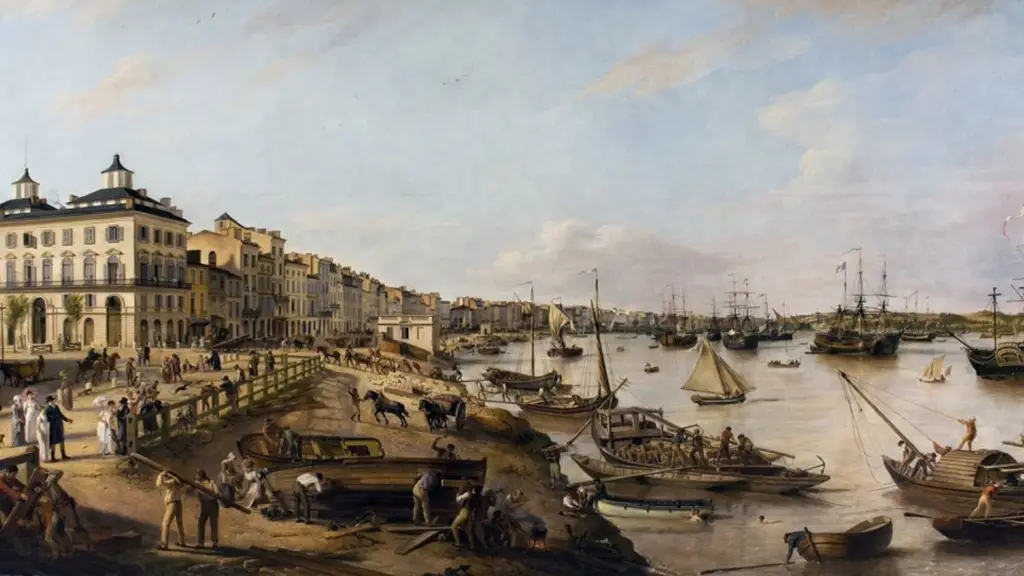
The Port of Bordeaux and the Trade Routes That Built Cognac
Cognac did not become a global spirit because of vineyards alone. Its rise depended on water, ships, and merchants long before it depended on distilleries. The identity of Cognac was shaped as much by the port of Bordeaux as by the chalk soils of Charente. Without Bordeaux’s access to Atlantic trade routes, cognac would likely […]
September 16, 2026
Partnership
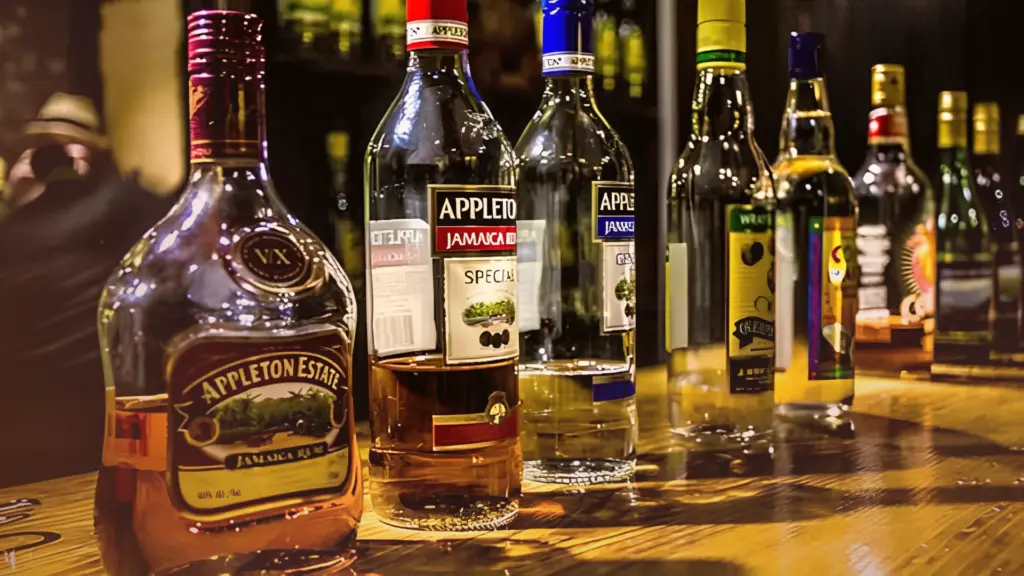
Jamaica Rum and the Sugar Estate Landscape Behind a Protected GI
Jamaica’s Rum story begins with sugar estates, limestone water, heavy fermentations, coastal trade, and a landscape where cane became both wealth and memory. The island’s reputation was not made by one house or one parish. It grew across estates, distilleries, ports, and rural communities where sugar production and rum making became inseparable from the country’s […]
September 13, 2026
Partnership
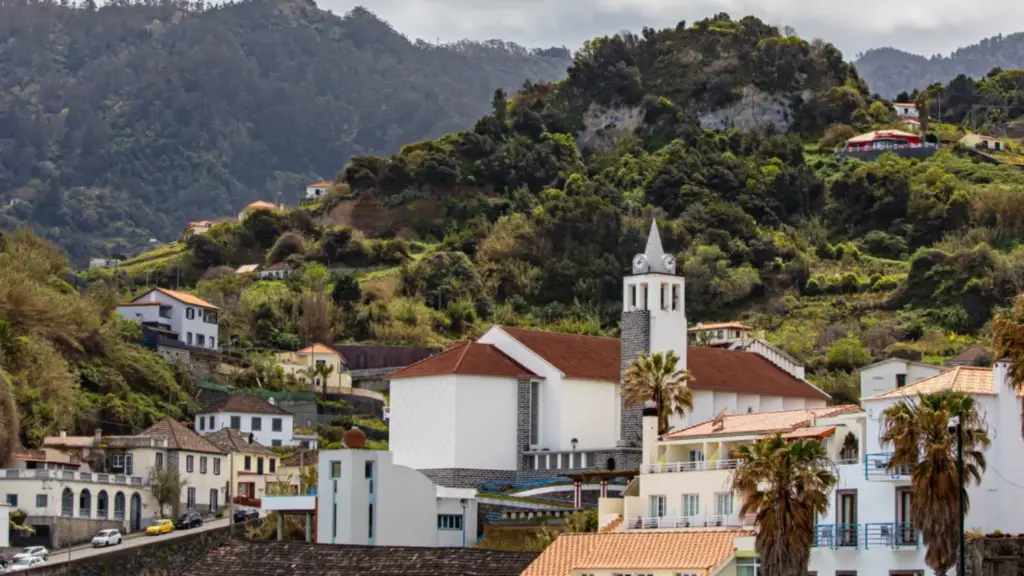
From Porto da Cruz to Calheta: The Distilleries That Define Madeiran Rum
Madeiran rum exists within a narrow technical and geographic framework that resists abstraction. Unlike Caribbean or Latin American rum traditions shaped by scale and export, rum production on Madeira remains tied to fresh sugarcane juice, seasonal distillation, and localised milling. From the northern coast at Porto da Cruz to the southern town of Calheta, a […]
September 9, 2026