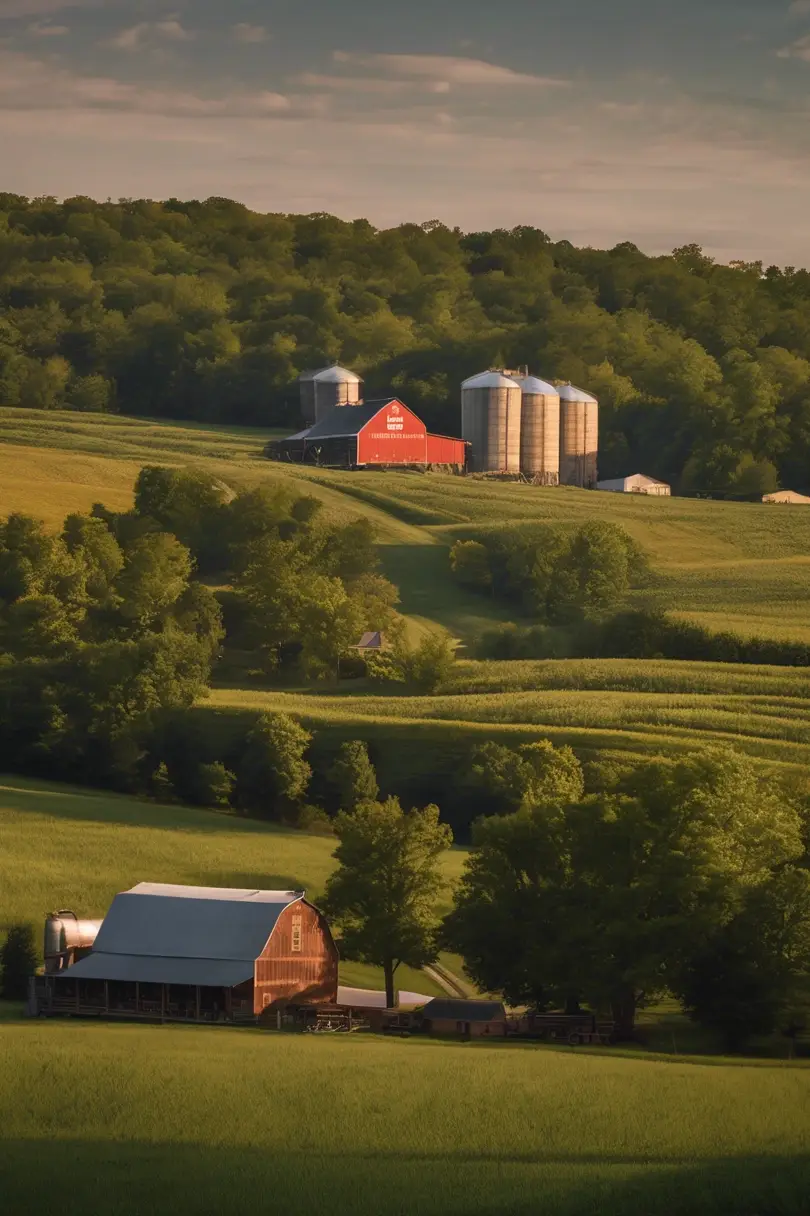
In the rolling bluegrass hills of Kentucky, where mist settles over limestone valleys and rivers carve through fertile farmland, a spirit was born that would come to define American craftsmanship. Bourbon is more than a drink in this land; it is a living tradition, a reflection of place and perseverance. Every barrel that rests in a Kentucky rickhouse carries echoes of history, telling the story of pioneers, distillers, and generations who transformed corn and oak into liquid heritage.
The Land That Shaped a Spirit
Kentucky’s unique geography made it the natural cradle of bourbon. The state’s limestone-rich water provides purity and minerals that enhance fermentation, giving bourbon its unmatched smoothness. The warm summers and cold winters create ideal conditions for aging, allowing the oak barrels to expand and contract so the whiskey breathes deeply into the wood. Early settlers quickly recognized these gifts of the land and began distilling surplus grain into whiskey, not as a luxury but as a necessity. Over time, what began as a frontier practice evolved into an art form that became synonymous with Kentucky itself.
Pioneers and the Early Distillers
The origins of bourbon stretch back to the late eighteenth century, when Scottish, Irish, and German immigrants brought their knowledge of distilling to the new frontier. They adapted their Old World traditions to the New World’s abundance of corn, which became bourbon’s defining ingredient. Figures such as Elijah Craig, often credited as an early innovator, experimented with charring oak barrels to enhance flavor and color. Whether by accident or intuition, this technique gave birth to the signature amber hue and caramel depth that define true bourbon. Communities formed around these stills, and with each generation, distilling methods became more refined, blending practicality with artistry.
The Evolution of a National Identity
By the early nineteenth century, Kentucky whiskey had developed a reputation for quality that reached far beyond its borders. The term “bourbon whiskey” began appearing on barrels shipped down the Ohio and Mississippi Rivers, named after Bourbon County where much of the early trade began. Distillers took pride in crafting spirits that reflected the honesty of the land and the integrity of their labor. As the young nation grew, bourbon became its liquid ambassador, a symbol of independence, resourcefulness, and American ingenuity.
The Science of Tradition
The creation of bourbon remains a precise harmony between nature and human skill. By law, true bourbon must be made from at least fifty-one percent corn, distilled to a specific proof, and aged in new charred oak barrels. These rules, enshrined in federal law in 1964 when bourbon was declared America’s native spirit, ensure consistency while preserving the soul of the craft. Yet beyond regulation lies intuition. Every master distiller relies on the senses- the aroma of fermenting mash, the sound of bubbling yeast, the sight of amber liquid drawn from a barrel, to guide each batch toward perfection.
Resilience Through History
Kentucky’s distilling heritage has faced challenges as enduring as its success. Wars, Prohibition, and economic hardship threatened to silence the stills, yet the spirit of bourbon endured. During Prohibition, a handful of distilleries secured licenses to produce medicinal whiskey, ensuring that knowledge and tradition survived the dry years. When legal production resumed, Kentucky’s distillers rebuilt the industry with renewed vigor, guided by a commitment to quality that honored their ancestors’ work. By the mid twentieth century, bourbon had reclaimed its rightful place as the pride of American spirits.
The Modern Bourbon Renaissance
In recent decades, bourbon has entered a new golden age. Global recognition has brought renewed respect for Kentucky as the heart of bourbon craftsmanship. Iconic names such as Jim Beam, Buffalo Trace, Maker’s Mark, and Woodford Reserve stand beside small, family-run distilleries that continue to innovate while preserving traditional methods. Barrel proof expressions, single barrel selections, and experimental aging have attracted enthusiasts from around the world, yet the essence remains unchanged, the careful balance of grain, fire, time, and care. The Kentucky Bourbon Trail now welcomes visitors eager to experience this heritage firsthand, transforming the state into a pilgrimage site for whiskey lovers.
A Legacy Etched in Oak
Bourbon is more than a product of Kentucky; it is the state’s enduring identity. It carries the scent of charred wood, the sweetness of corn, and the quiet wisdom of generations. To sip Kentucky bourbon is to taste the landscape itself, the limestone water, the changing seasons, and the patience of the people who shaped it. In every bottle lies a history of craftsmanship and community, a spirit that has grown alongside the nation it helped define. Kentucky remains the birthplace of bourbon not only by geography but by devotion, its rolling fields and aging warehouses continuing to nurture the essence of America’s native spirit.

Partnership

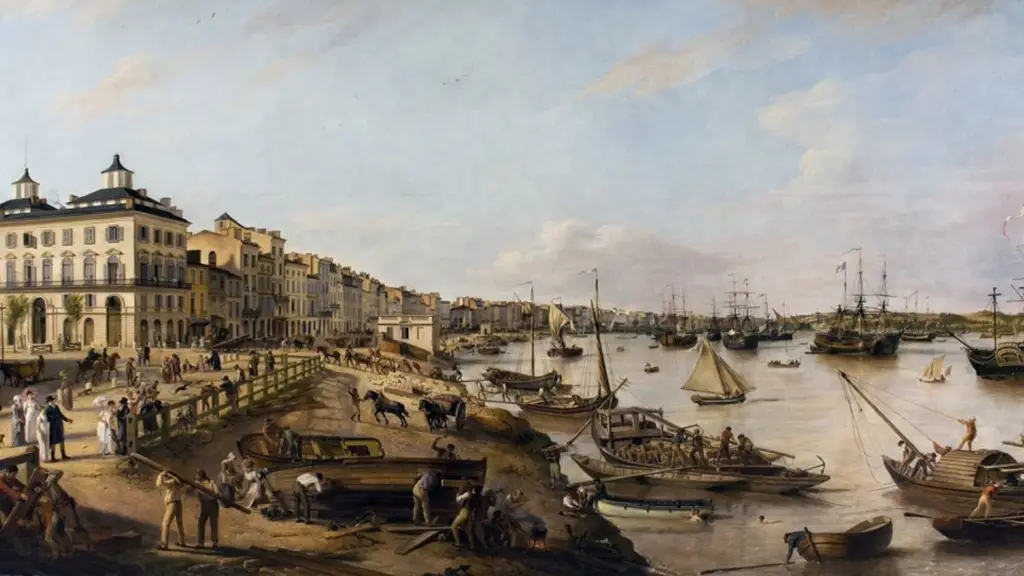
The Port of Bordeaux and the Trade Routes That Built Cognac
Cognac did not become a global spirit because of vineyards alone. Its rise depended on water, ships, and merchants long before it depended on distilleries. The identity of Cognac was shaped as much by the port of Bordeaux as by the chalk soils of Charente. Without Bordeaux’s access to Atlantic trade routes, cognac would likely […]
September 16, 2026
Partnership
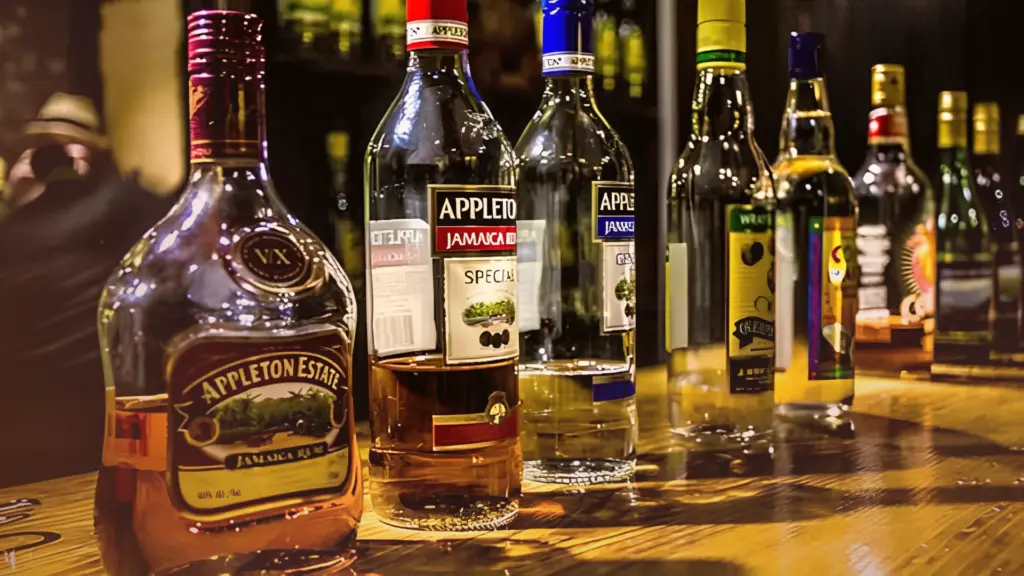
Jamaica Rum and the Sugar Estate Landscape Behind a Protected GI
Jamaica’s Rum story begins with sugar estates, limestone water, heavy fermentations, coastal trade, and a landscape where cane became both wealth and memory. The island’s reputation was not made by one house or one parish. It grew across estates, distilleries, ports, and rural communities where sugar production and rum making became inseparable from the country’s […]
September 13, 2026
Partnership
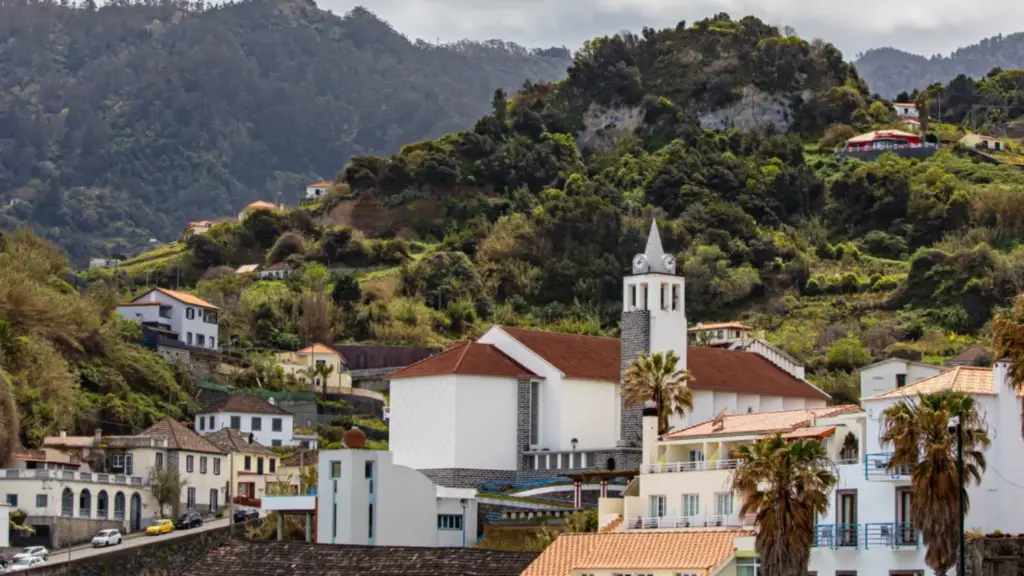
From Porto da Cruz to Calheta: The Distilleries That Define Madeiran Rum
Madeiran rum exists within a narrow technical and geographic framework that resists abstraction. Unlike Caribbean or Latin American rum traditions shaped by scale and export, rum production on Madeira remains tied to fresh sugarcane juice, seasonal distillation, and localised milling. From the northern coast at Porto da Cruz to the southern town of Calheta, a […]
September 9, 2026