New distilleries do not become relevant because they are new. They matter when their production decisions reveal something structural about where spirits are heading. In 2026, a small group of producers stand out not for scale or branding, but for how deliberately they position themselves within tradition, geography, and technical restraint.
These distilleries are not attempting to reinvent spirits. They are interrogating them.
What connects them is not style or category, but intent. Each entered production with a defined position on raw material, fermentation, distillation, and maturation. In an era crowded with launches, that clarity is increasingly rare.
Holyrood Distillery and the Return of Fermentation as Structure
Founded in 2019 in Edinburgh, Holyrood Distillery represents one of the most technically considered new whisky distilleries in Scotland. Its approach is shaped less by Scotch orthodoxy than by brewing science.
Holyrood places unusual emphasis on barley variety, yeast selection, and extended fermentation length. Its production team includes figures with brewing backgrounds, allowing experimentation with fermentation regimes rarely seen in Scotch whisky. Long fermentations and mixed yeast strains generate ester profiles more commonly associated with beer than malt whisky.
By 2026, as mature stock reaches bottling age, Holyrood’s early decisions will be fully visible in the glass. Its significance lies not in novelty, but in its disciplined return to fermentation as the primary driver of flavour.
Isle of Raasay Distillery and Island Identity Without Nostalgia – New Distilleries 2026
Opened in 2017 on the Inner Hebridean island of Raasay, Isle of Raasay Distillery has approached island whisky without romantic shorthand.
Rather than replicating established profiles from Islay or Skye, Raasay built its identity around cask composition as an architectural framework. The distillery matures spirit in a deliberate combination of ex-rye whiskey casks, virgin Chinkapin oak, and Bordeaux red wine casks.
This structure places maturation at the centre of flavour design.
By 2026, Raasay’s lightly peated and unpeated single malts will sit clearly outside traditional island categories. Its importance lies in demonstrating that island whisky can be defined by cask architecture rather than peat intensity alone.
Kythe Distillery and the Return of Grain Provenance
Located in Fife, Kythe Distillery began production in 2023 with a sharply focused mission. Its whisky is produced exclusively from barley grown on the distillery’s own farm and neighbouring fields.
This farm distillery model recalls pre-industrial Scotch practice, when grain origin was inseparable from spirit character. Kythe distils slowly, fills casks at lower strength, and prioritises long-term maturation over early release.
By 2026, Kythe will still be young in whisky terms. Its importance is structural rather than immediate. It signals renewed attention to grain provenance as a defining parameter, asking whether terroir in Scotch can be rebuilt from the ground up.

Distillery
Isle of Raasay Distillery, nestled on the scenic Isle of Raasay in the Inner Hebrides of Scotland, is…
Distillery
Kythe Distillery is an ambitious newcomer to the world of Scotch whisky, founded in 2022 with a vision…
Distillery
El Destilado Distillery is a distinctive spirit producer located in Oaxaca, Mexico, a region renowned for its vibrant…
Distillery
Holyrood Distillery, nestled in the heart of Edinburgh, is a vibrant and innovative producer of spirits that stands…
Spirit
Isle of Raasay Humboldtii Virgin Oak Finish Single Malt Scotch Whisky
Isle of Raasay Humboldtii Virgin Oak Finish Single Malt Scotch Whisky exemplifies the innovative spirit of modern Scotch…
Spirit
Isle of Raasay Hebridean Single Malt Scotch Whisky
The Isle of Raasay Hebridean Single Malt Scotch Whisky is the flagship offering from the Isle of Raasay…
Distilleries
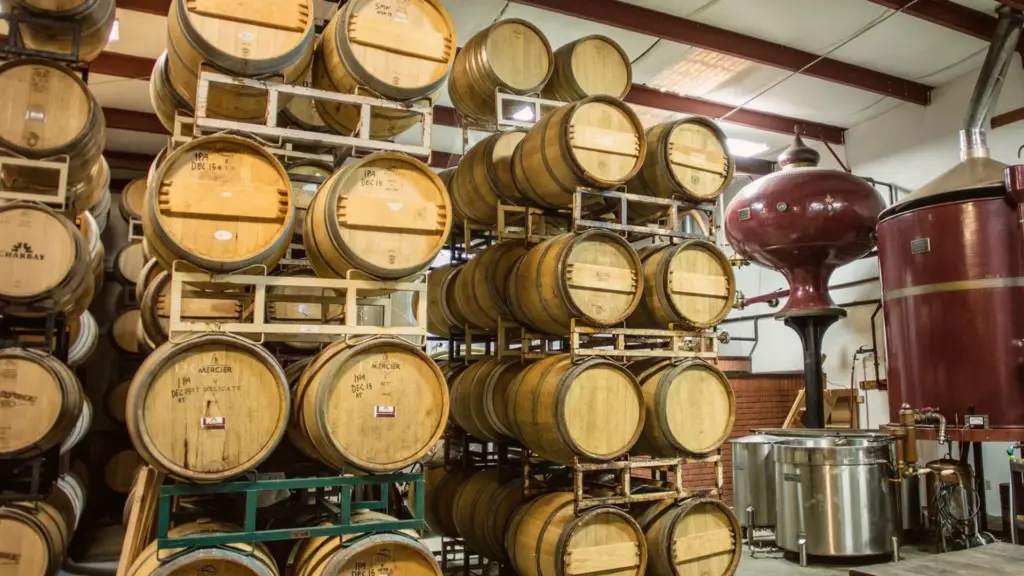
Charbay Distillery: From European Tradition to California Craft Distilling
The history of Charbay Distillery begins long before the family established itself in California. The Karakasevic family traces its winemaking and distilling tradition back generations in Europe, with the family recognised by the Austro-Hungarian Imperial Court of Empress Maria Theresa in 1751 as makers of wines and brandies. That inherited knowledge eventually travelled across continents […]
July 28, 2026
Distilleries
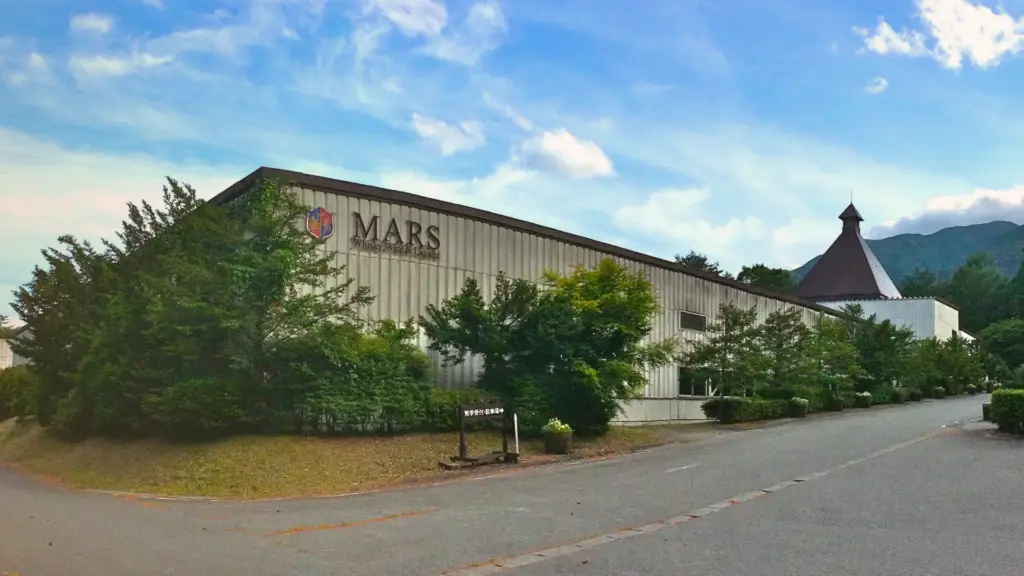
Mars Shinshu: The Distillery That Returned from Silence in Japan’s Central Alps
When the stills at Mars Shinshu Distillery began running again in 2011, they had been silent for 19 years. The buildings had not disappeared, and Hombo Shuzo had not abandoned whisky entirely. Even so, a distillery at rest is not a sealed piece of history. Equipment ages, stocks diminish, employees move on, and the market […]
July 1, 2026
Distilleries
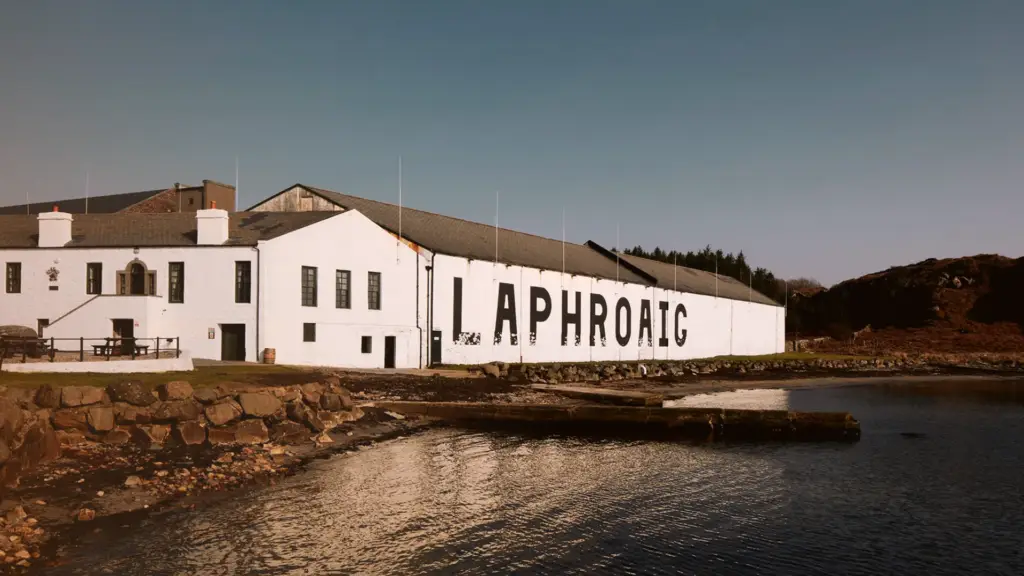
Laphroaig: The Islay Distillery That Turned Peat into a Global Identity
On the southern coast of Islay, the name Laphroaig stretches across a whitewashed warehouse facing a narrow bay. The lettering now belongs to one of the most recognisable names in Scotch whisky, yet the identity behind it was built from a tightly local set of materials: barley, peat, water, casks, coastal geography, and the decisions […]
June 15, 2026