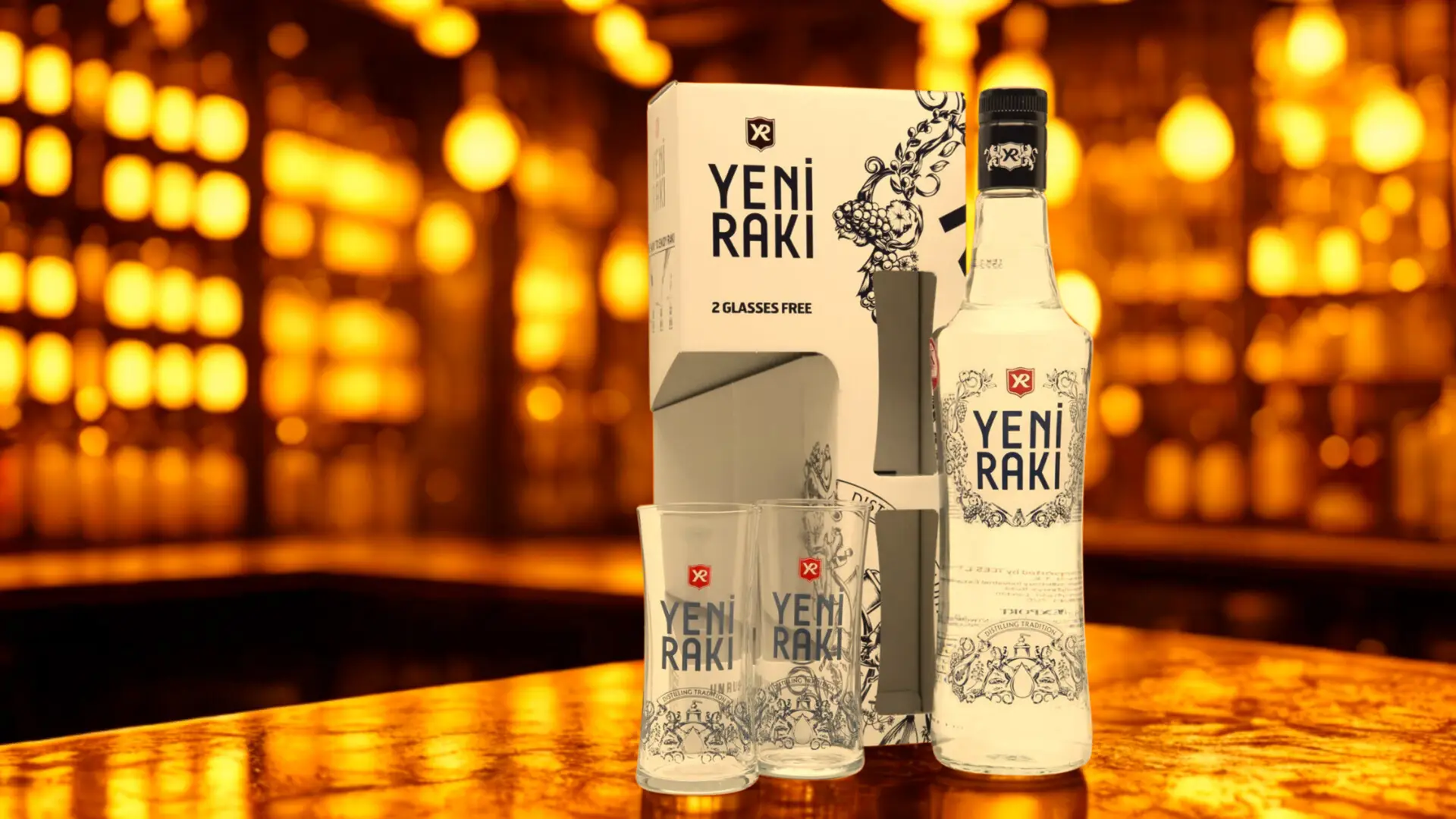
Rakı is not simply an anise-flavored spirit. It is a cultural system shaped by empire, reform, and shared ritual. Its identity formed across Anatolia and the Eastern Mediterranean, where grape distillation, aniseed, and imperial governance intersected. Over centuries, raki evolved from tavern spirit to national symbol, retaining a structure that resisted both prohibition and commodification.
Understanding rakı requires tracing how production sites, state control, and named spirits anchored its role in Turkish life.
Anise Spirits Before Rakı Took Form
Anise-based spirits circulated widely across the Eastern Mediterranean long before rakı became distinct. Arak-style distillates were produced from grapes and other bases across the Levant and Aegean between the 9th and 12th centuries, following the spread of distillation knowledge through Arab alchemical traditions.
What differentiated raki was its exclusive reliance on grape-based distillate combined with aniseed, rather than dates or sugarcane. This tied raki directly to Anatolia’s wine-growing regions. By the 16th century, written Ottoman sources already referenced raki as a defined drink, particularly in Istanbul and coastal cities with active tavern culture.
Ottoman Meyhanes and Early Production Centers
During the Ottoman period, rakı production remained largely artisanal. Distillation took place in small facilities attached to taverns or operated informally by non-Muslim communities. The meyhane emerged as raki’s social anchor.
By the 17th century, rakı was firmly associated with urban life in Istanbul, Izmir, and Bursa. While production was fragmented, grape sourcing and anise infusion followed consistent patterns. Rakı was diluted with water, consumed slowly, and paired with food, embedding ritual into the drink itself.
The lack of centralized distilleries during this period allowed raki to develop culturally before it was standardized industrially.
State Control and the Birth of Industrial Distilleries
The late Ottoman modernization period and the early Turkish Republic transformed raki production. Following the establishment of the Republic on 29 October 1923, alcohol production was nationalized under Tekel in 1926. This marked the first centralized control of rakı distillation.
Large-scale production was consolidated at state-operated facilities, most notably the Tekel Distillery sites in Istanbul and Tekirdağ. These locations standardized grape alcohol production, anise ratios, and bottling strength.
The flagship spirit of this era was Yeni Rakı, which became synonymous with raki itself. Yeni Rakı defined the modern profile through consistency rather than regional variation, embedding raki into everyday social life.
Rakı and the Secular Republic
Rakı’s symbolic role expanded under Mustafa Kemal Atatürk, who openly consumed rakı and associated it with secular modernity. Rakı tables became spaces of political discussion, literature, and social equality.
By the mid 20th century, nationwide distribution through Tekel ensured rakı’s presence across Turkey. Named expressions such as Yeni Rakı Klasik and later Yeni Rakı Âlâ reflected refinement within a controlled system rather than stylistic experimentation.
Rakı became not just tolerated, but culturally emblematic.
Privatization and the Emergence of Named Distilleries
The privatization of Tekel in 2004 marked a significant turning point in its structure. Production shifted into private hands, enabling distilleries to differentiate themselves through grape sourcing, distillation techniques, and anise quality.
The Tekirdağ Rakı Distillery gained prominence for producing Tekirdağ Rakısı, emphasizing high-quality grape alcohol from the Thrace region. Bottlings such as Tekirdağ Rakısı No. 10 highlighted copper still distillation and measured anise balance.
Similarly, Efe Distillery, based in the Aegean region, introduced triple distillation and small batch production. Spirits such as Efe Rakı Gold and Efe Göbek Rakısı focused on mouthfeel and grape character rather than strength.
These producers reintroduced distillery identity into a category long defined by state uniformity.
Rakı Today as Cultural Continuity
Despite diversification, rakı remains legally bound to grape distillate and aniseed. Neutral alcohol bases are prohibited, preserving rakı’s historical structure. This legal protection distinguishes rakı from other anise spirits and prevents dilution of identity.
In Istanbul neighborhoods such as Beyoğlu and Kadıköy, traditional meyhanes continue to serve rakı as a social ritual rather than a beverage. The structure of the rakı table remains unchanged, emphasizing shared dishes, time, and conversation.
Rakı’s endurance lies in this balance between controlled production and lived tradition.
Rakı’s lasting significance lies in how it absorbed empire, reform, and modern production without losing its social structure. By tracing named distilleries, documented spirits, and production shifts, this history connects rakı to a national identity shaped by continuity rather than reinvention. Rakı endures because its form allowed it to carry meaning across political and cultural change, remaining a shared language at the table.
At Barlist, we live and breathe the art of spirits. Every bottle, every glass, every drop carries a story waiting to be told. With Barlist, we bring those stories to life- a place where flavours meet histories, and where true craftsmanship shines through tens of thousands of spirits and distilleries worldwide.

Distillery
Tekel Distillery, a historic beacon of Turkish distillation, is known for its high-quality raki and whiskey offerings. With…
Distillery
Mey Içki, established in 2004, stands as Turkey's leading producer and distributor of alcoholic beverages, specializing mainly in…

History
Oktoberfest: Where Beer, History, and Bavarian Tradition Meet
Every autumn, the city of Munich undergoes a remarkable transformation. The streets become filled with traditional music, the aroma of Bavarian cuisine spreads through the city, and millions of visitors gather at Theresienwiese for a celebration unlike any other. Known around the world as Oktoberfest, this festival represents much more than beer. It is a […]
September 25, 2026
History
Royal Salute 21-Year-Old: A Celebration Born from Royal Tradition
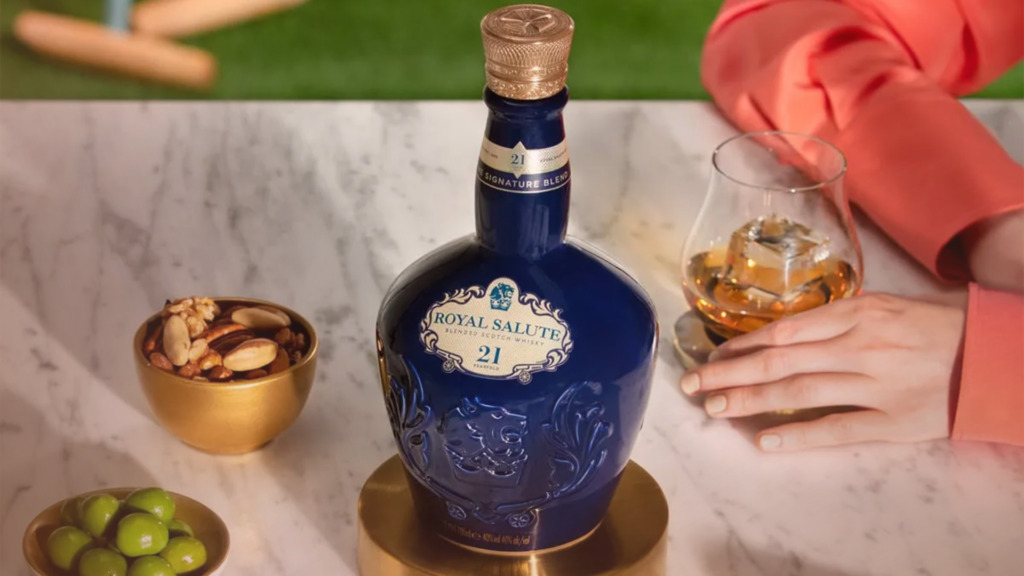
Some whiskies acquire ceremony around them after decades of reputation. Royal Salute 21-Year-Old began with ceremony already embedded in its identity. The blended Scotch was launched in 1953 in connection with the Coronation of Queen Elizabeth II, held at Westminster Abbey on 2 June that year. The occasion reached an audience unprecedented for a British […]
September 11, 2026
Community and Lifestyle
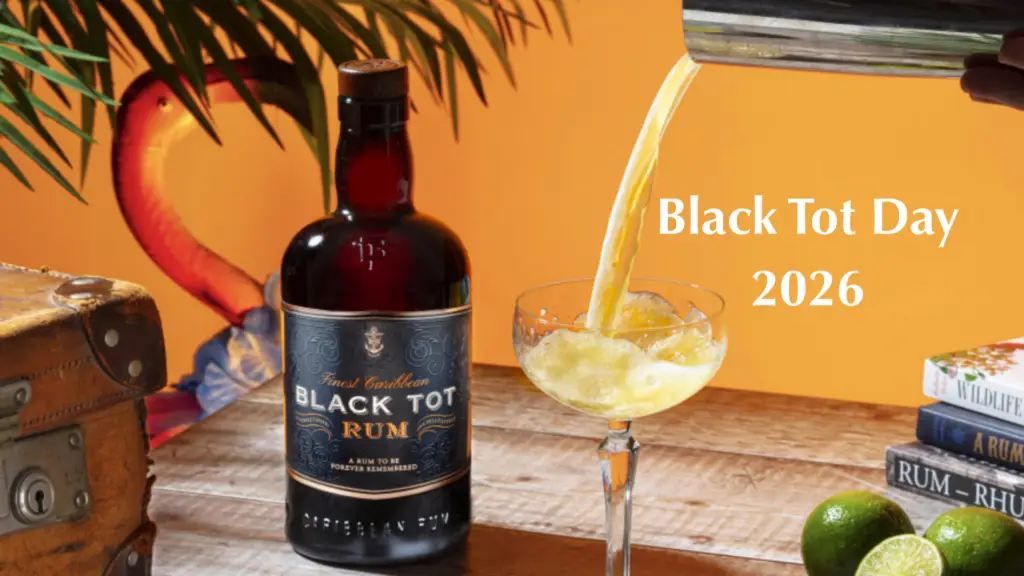
Black Tot Day 2026: Rum, Discipline, and the End of a Royal Navy Tradition
The Black Tot Day rum history begins with a contradiction at the heart of naval life. For centuries, rum was not simply a drink on Royal Navy ships. It was ration, reward, routine, social currency, disciplinary problem, imperial supply chain, and symbol of the lower deck. By the time the final daily tot was issued […]
July 31, 2026