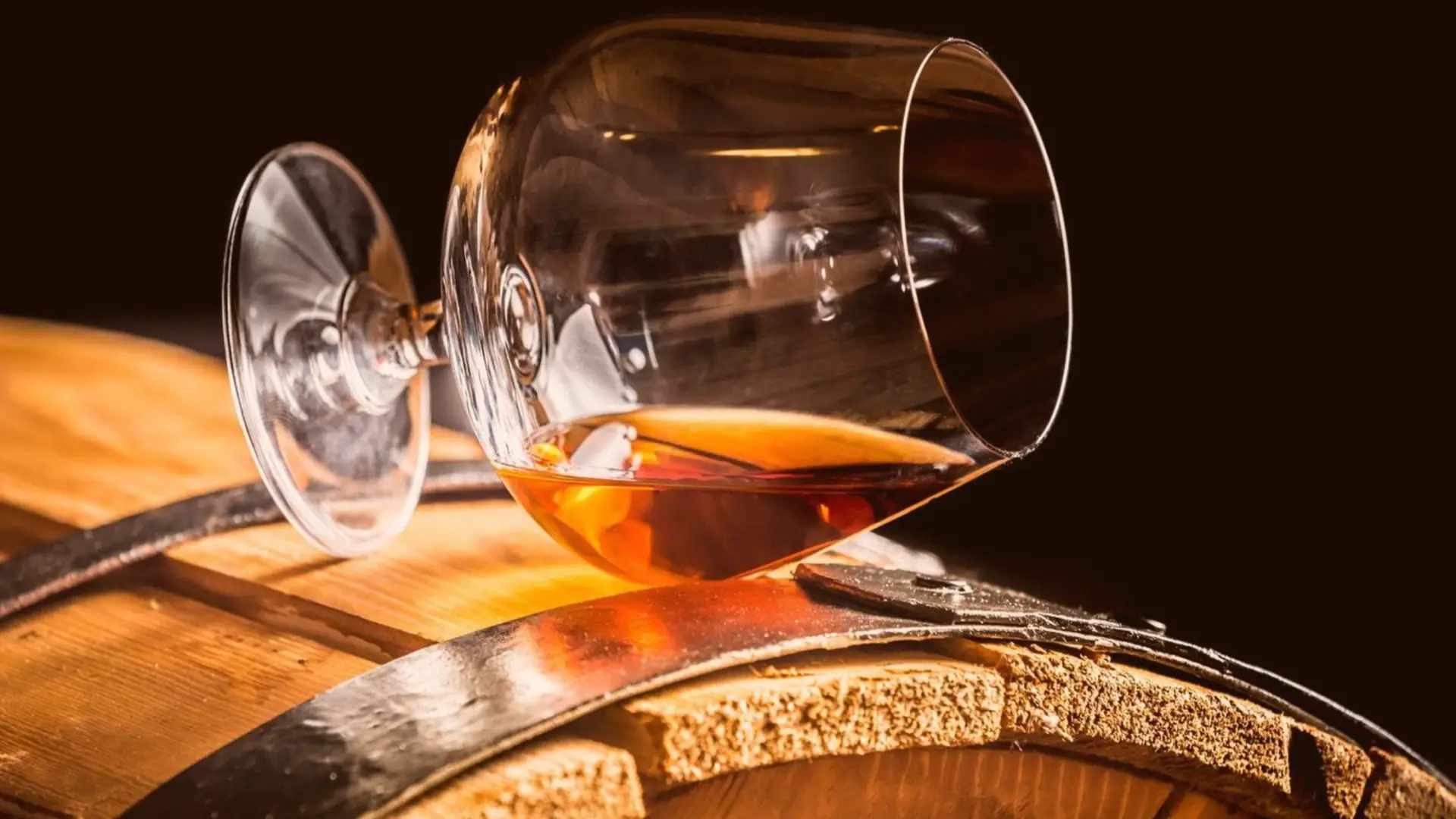
France’s three great brandy traditions did not evolve as variations of a single idea. Armagnac, Cognac, and Calvados emerged under different commercial pressures, agricultural realities, and regulatory timelines. Their differences are not stylistic preferences but structural outcomes. Each region treats time not as a number printed on a label, but as a system shaped by geography, production method, and historical intent.
To understand these spirits, it is necessary to look beyond abstract categories and focus on the distilleries and bottlings that anchored each tradition across generations.
Armagnac and Time Preserved Through Vintage
Armagnac is the oldest documented brandy tradition in France. In 1310, Prior Vital du Four described distilled wine in Gascony for medicinal use, establishing Armagnac’s historical primacy. Unlike Cognac, Armagnac developed inland, away from early export routes, which reduced pressure for uniformity and large-scale blending.
Traditional Armagnac relies on single continuous distillation using the Armagnac still, producing spirit at lower strength and higher aromatic density. This technical choice favors long maturation and vintage expression. Time in Armagnac is recorded rather than engineered.
This philosophy is evident in producers such as Château de Laubade, whose estate-bottled Armagnacs include historic vintages such as Laubade Vintage 1973, released after decades of aging in Gascon oak. Domaine Boingnères has long favored extended aging, with its Réserve Spéciale blending eaux-de-vie distilled before 1950, preserving time as a tangible record. At Delord, vintage releases, such as the 1964 vintage, demonstrate how Armagnac treats age as historical documentation rather than a stylistic variation.
In Armagnac, time is not standardized. It is archived.
Cognac and Time Engineered Through Blending
Cognac’s relationship with time developed under the demands of international trade. By the 17th century, merchants from Britain and the Netherlands were shipping distilled wine from the Charente region. Consistency became essential, leading to the formal delimitation of Cognac’s production area on 1 May 1909.
Cognac’s double distillation in Charentais copper pot stills produces a high proof eau de vie designed for long aging and controlled assembly. Unlike Armagnac, individual years are blended to preserve the house’s identity.
At Hennessy, the release of Hennessy XO in 1870 marked a turning point, introducing the concept of Extra Old Cognac composed of eaux-de-vie aged up to 30 years. Martell, founded in 1715, demonstrated blending continuity through Martell Cordon Bleu, first released in 1912, built around Borderies eaux-de-vie. Rémy Martin elevated blending as an architectural practice with Louis XIII, first released in 1874, containing components aged up to 100 years.
In Cognac, time is managed, assembled, and repeated rather than remembered.
Calvados and Time Anchored to Agriculture
Calvados occupies a distinct position because it begins with fruit rather than wine. In Normandy, apple orchards define the production calendar, tying fermentation and distillation directly to harvest conditions. Time enters the process before the spirit reaches the still.
Calvados received Appellation d’Origine Contrôlée status on 11 September 1942, later refined into Calvados Pays d’Auge, Calvados Domfrontais, and Calvados AOC. Pays d’Auge mandates double distillation, reinforcing structure and longevity.
Producers such as Christian Drouin illustrate this philosophy through bottlings like Calvados Pays d’Auge 30 Year Old, released in the early 2000s, where orchard selection and extended aging work in tandem. Boulard, founded in 1825, maintains continuity through expressions such as Boulard XO, blending Calvados aged a minimum of ten years. At Roger Groult, the 25-Year-Old bottling, released in the early 21st century, demonstrates how long maturation integrates fruit acidity with oak without erasing agricultural identity.
In Calvados, time follows the orchard.
Distillation Methods and the Behavior of Time
The distillation method determines how time behaves inside the cask. Armagnac’s single continuous distillation preserves weight and accelerates early development. Cognac’s double distillation produces a purer spirit that requires decades of integration. Calvados adapts the method to fruit composition and fermentation length.
These are structural decisions, not stylistic choices. The spirit entering the barrel defines how time will unfold.
Regulation and Regional Intent
Regulatory frameworks reinforce each region’s interpretation of time. Cognac enforces blending conventions and age classifications to protect continuity. Armagnac permits vintage bottling, preserving historical specificity. Calvados ties production rules to orchard composition and fermentation practices.
Together, these systems prevent convergence. Time remains a regional expression rather than a universal metric.
Three Regions, Three Interpretations of Maturity
Armagnac records time. Cognac engineers time. Calvados interprets time through agriculture. Each tradition endures because its methods align with the environment and history rather than market imitation.
Their differences explain why none can replace the others.
The lasting significance of Armagnac, Cognac, and Calvados lies in how each region defined time as a structural principle rather than a marketing claim. By tracing specific distilleries, documented bottlings, and production choices, this history connects modern drinkers to spirits shaped by discipline repeated across generations. It reinforces that time in spirits culture is not counted uniformly, but expressed according to place.

Spirit
Watson's Trawler Rum is a distinctive Navy style dark rum that exemplifies the rich tradition of rum blending,…
Spirit
Filliers Dry Gin 28 Sloe Gin is a distinguished product from the Filliers distillery, known for its high-quality…
Spirit
The Project Rum is an exclusive limited-edition rum that emerges from a collaboration between Havana Club and the…
Spirit
The Singleton of Glen Ord 14 YO Special Release 2024 Single Malt Scotch Whisky
The Singleton of Glen Ord 15 Years Old is a distinguished single malt whisky hailing from the Scottish…
Spirit
Fujimi The 7 Virtues Of The Samurai Whisky
Fujimi The 7 Virtues of the Samurai Whisky is a finely crafted blended whisky that represents the essence…
History
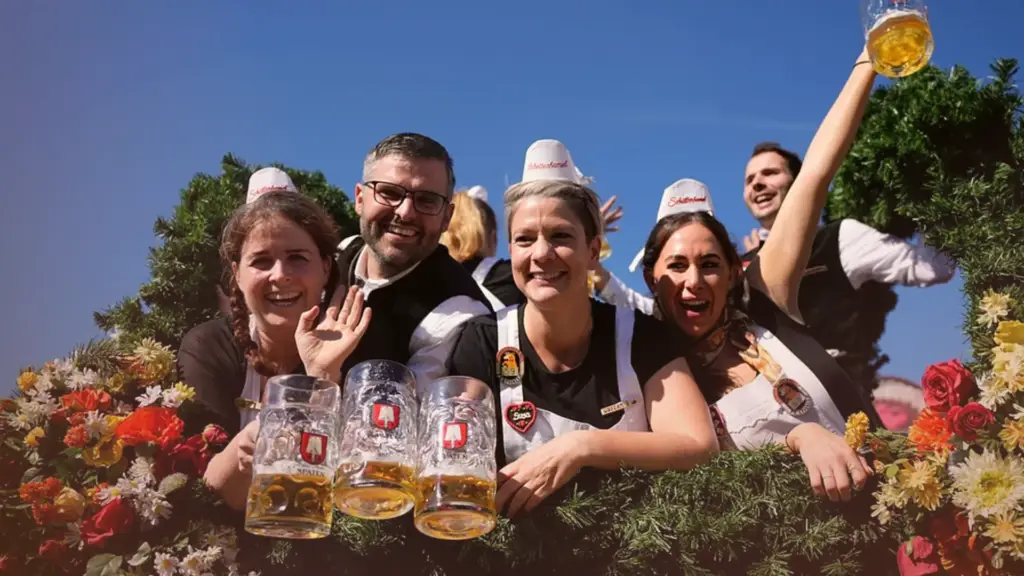
Oktoberfest: Where Beer, History, and Bavarian Tradition Meet
Every autumn, the city of Munich undergoes a remarkable transformation. The streets become filled with traditional music, the aroma of Bavarian cuisine spreads through the city, and millions of visitors gather at Theresienwiese for a celebration unlike any other. Known around the world as Oktoberfest, this festival represents much more than beer. It is a […]
September 25, 2026
History
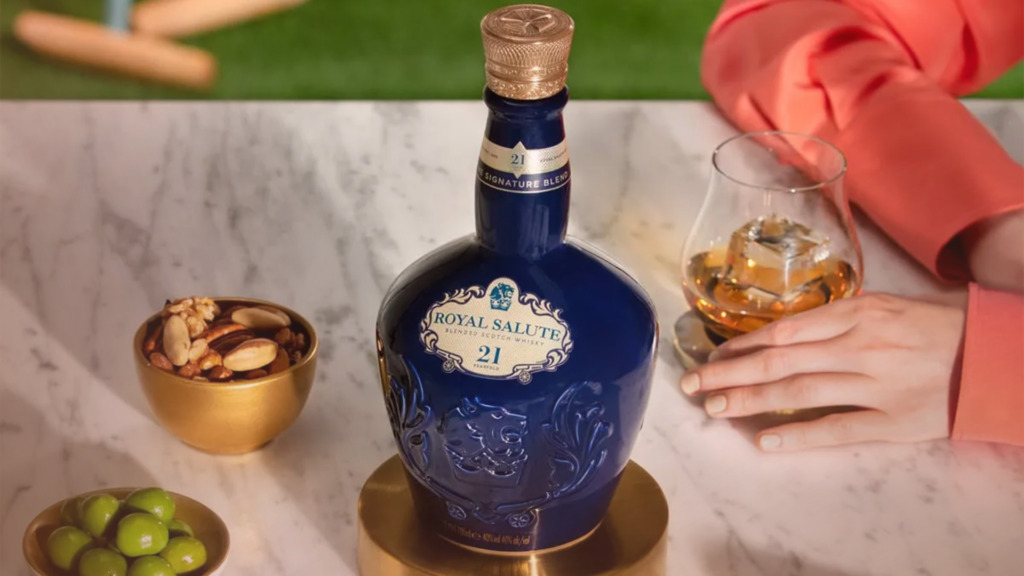
Royal Salute 21-Year-Old: A Celebration Born from Royal Tradition
Some whiskies acquire ceremony around them after decades of reputation. Royal Salute 21-Year-Old began with ceremony already embedded in its identity. The blended Scotch was launched in 1953 in connection with the Coronation of Queen Elizabeth II, held at Westminster Abbey on 2 June that year. The occasion reached an audience unprecedented for a British […]
September 11, 2026
Community and Lifestyle
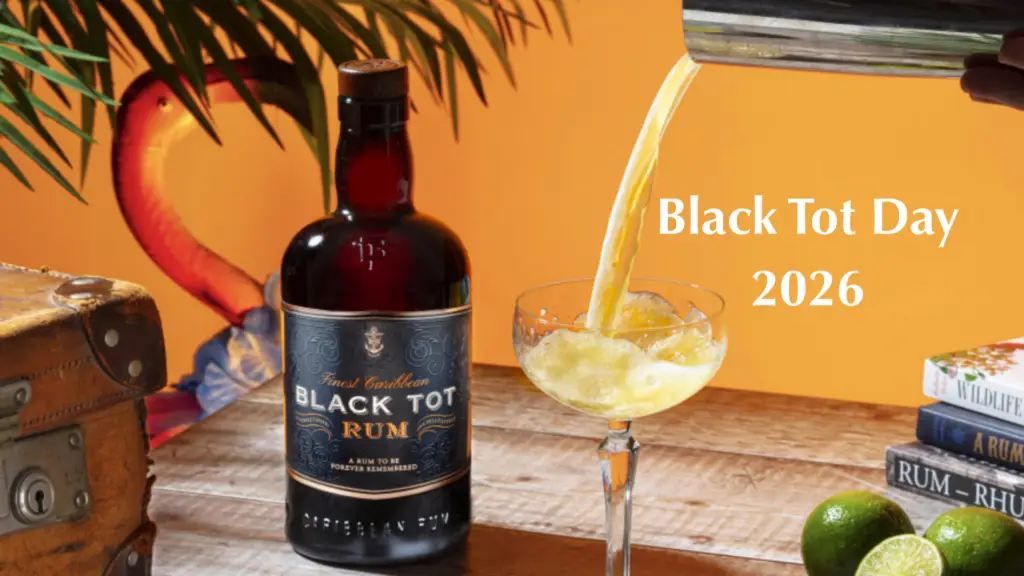
Black Tot Day 2026: Rum, Discipline, and the End of a Royal Navy Tradition
The Black Tot Day rum history begins with a contradiction at the heart of naval life. For centuries, rum was not simply a drink on Royal Navy ships. It was ration, reward, routine, social currency, disciplinary problem, imperial supply chain, and symbol of the lower deck. By the time the final daily tot was issued […]
July 31, 2026