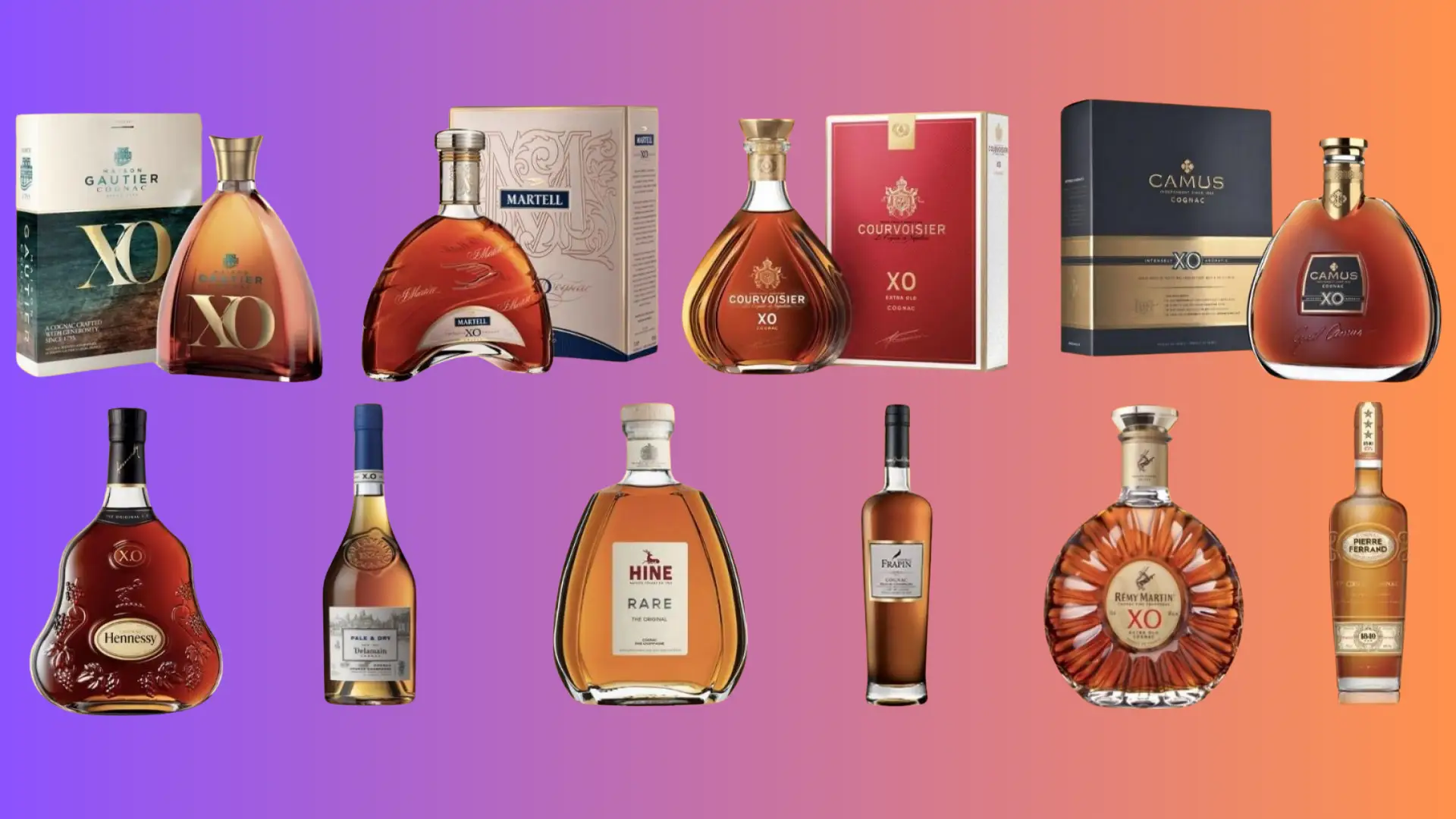
Cognac has always stood as a symbol of heritage, refinement, and French craftsmanship. Yet in 2025, the great Cognac houses are proving that tradition does not mean stagnation. Across the vineyards of the Charente region, producers are embracing innovation while honoring centuries of expertise. From sustainability to experimental blends, these houses are reshaping what Cognac means in the modern era.
Hennessy – Leading Through Scale and Innovation
As the world’s largest Cognac producer, Hennessy continues to influence global perception of the spirit. Founded in 1765, the house remains headquartered in Cognac, France, and in 2025, it unveiled new eco-friendly packaging and vineyard management techniques to reduce emissions. Its massive distribution power ensures that innovation reaches markets from New York to Shanghai.
Rémy Martin – The Terroir Advocate
Since its founding in 1724, Rémy Martin has focused on Cognacs from Grande Champagne and Petite Champagne crus. In 2025, the house is expanding its commitment to terroir with research into climate resilience. By working closely with growers to adapt to shifting conditions, Rémy Martin secures both tradition and sustainability for future generations.
Martell – Reviving Heritage with a Modern Lens
Established in 1715, Martell is one of the oldest Cognac houses still active today. In 2025, Martell has invested in virtual reality experiences that allow drinkers to tour its cellars from anywhere in the world. By merging digital storytelling with historic craftsmanship, Martell bridges three centuries of heritage with contemporary engagement.
Courvoisier – Redefining Elegance in Global Markets
Known as the “Cognac of Napoleon,” Courvoisier has long been associated with refinement. In 2025, it is expanding into new markets with limited-edition releases crafted in collaboration with contemporary designers. These partnerships highlight how Cognac can appeal to a new generation of consumers without losing its roots in Jarnac.
Camus – Family Tradition with Independent Spirit
Founded in 1863, Camus remains one of the last major family-owned Cognac houses. In 2025, it has emphasized its independence by launching small-batch editions focused on vineyard-specific expressions. This approach highlights terroir-driven character, reinforcing Camus’s identity as a house that blends tradition with individuality.
Delamain – Guardians of Grande Champagne
The Delamain family has produced Cognac since 1824, specializing exclusively in Grande Champagne. In 2025, Delamain has expanded its cellar-rested Cognacs aged for decades, offering rare expressions that honor time itself. Their commitment to small-scale, patient production makes them a cornerstone of authentic Cognac heritage.
Hine – Innovation Through Vintage Releases
Founded in 1763, Hine is unique for its focus on vintage Cognacs. In 2025, the house continues to bottle single-harvest years, offering drinkers a chance to taste history through carefully preserved vintages. This rare practice positions Hine as both a guardian of tradition and a bold innovator.
Frapin – Estate-Driven Excellence
The Frapin family has cultivated vines in Grande Champagne since 1270, making their house one of the oldest in Cognac. In 2025, Frapin has expanded its organic viticulture program, ensuring that its 240-hectare estate thrives sustainably. The combination of deep history and environmental awareness sets Frapin apart in today’s market.
Pierre Ferrand – Bridging Cognac and Cocktail Culture
Pierre Ferrand, created in the late 20th century, has redefined Cognac by aligning with the cocktail world. In 2025, the house continues to promote its Cognacs as versatile spirits for mixology while still producing aged expressions for connoisseurs. By appealing to bartenders globally, Ferrand has expanded Cognac’s role in modern drinking culture.
Château de Montifaud – A Multi-Generational Legacy
Family-owned since 1866, Château de Montifaud is celebrated for producing Cognacs across multiple generations. In 2025, the house remains dedicated to continuity, with its sixth generation leading innovations in vineyard technology. The balance of deep roots and modern tools ensures Montifaud continues to thrive in a competitive landscape.
Cognac’s Future in 2025
These ten houses prove that Cognac is not only a spirit of history but also of reinvention. By blending centuries-old expertise with new approaches to sustainability, technology, and cultural relevance, the great names of Cognac ensure the tradition continues to evolve. In 2025, Cognac stands as a spirit that honors the past while embracing the future.

Partnership
Guadeloupe Rhum Agricole: Exploring the French Caribbean’s Diverse Cane Spirit Tradition
Guadeloupe Rhum Agricole follows a broader path than the agricole tradition of neighbouring Martinique. Both territories belong to the French Caribbean and share a long relationship with fresh sugarcane juice, yet Guadeloupe rhum agricole developed within an archipelago where more than one rum production tradition has endured. Across volcanic Basse-Terre, limestone Grande-Terre and the distinctive […]
September 4, 2026

Distilleries & Producers
Roseisle Distillery: The High-Tech Speyside Giant Behind a New Generation of Whisky
In Speyside, where whisky is often associated with generations of tradition, Roseisle Distillery represents something very different. Built by Diageo near Elgin and officially opened in 2010, Roseisle was designed as a modern, large-scale malt whisky distillery, combining traditional pot-still production with advanced engineering, energy recovery and unusual flexibility in how its spirit can be […]
September 2, 2026

Interviews & Insights
Elmer T. Lee: The Master Who Revived Bourbon’s Soul
In 1949, a young Elmer T. Lee walked into the George T. Stagg Distillery in Frankfort, Kentucky, looking for a job. He had recently returned from the Second World War, where he had served as a radar bombardier aboard a B-29, and had graduated with honours in electrical engineering from the University of Kentucky. The […]
August 5, 2026