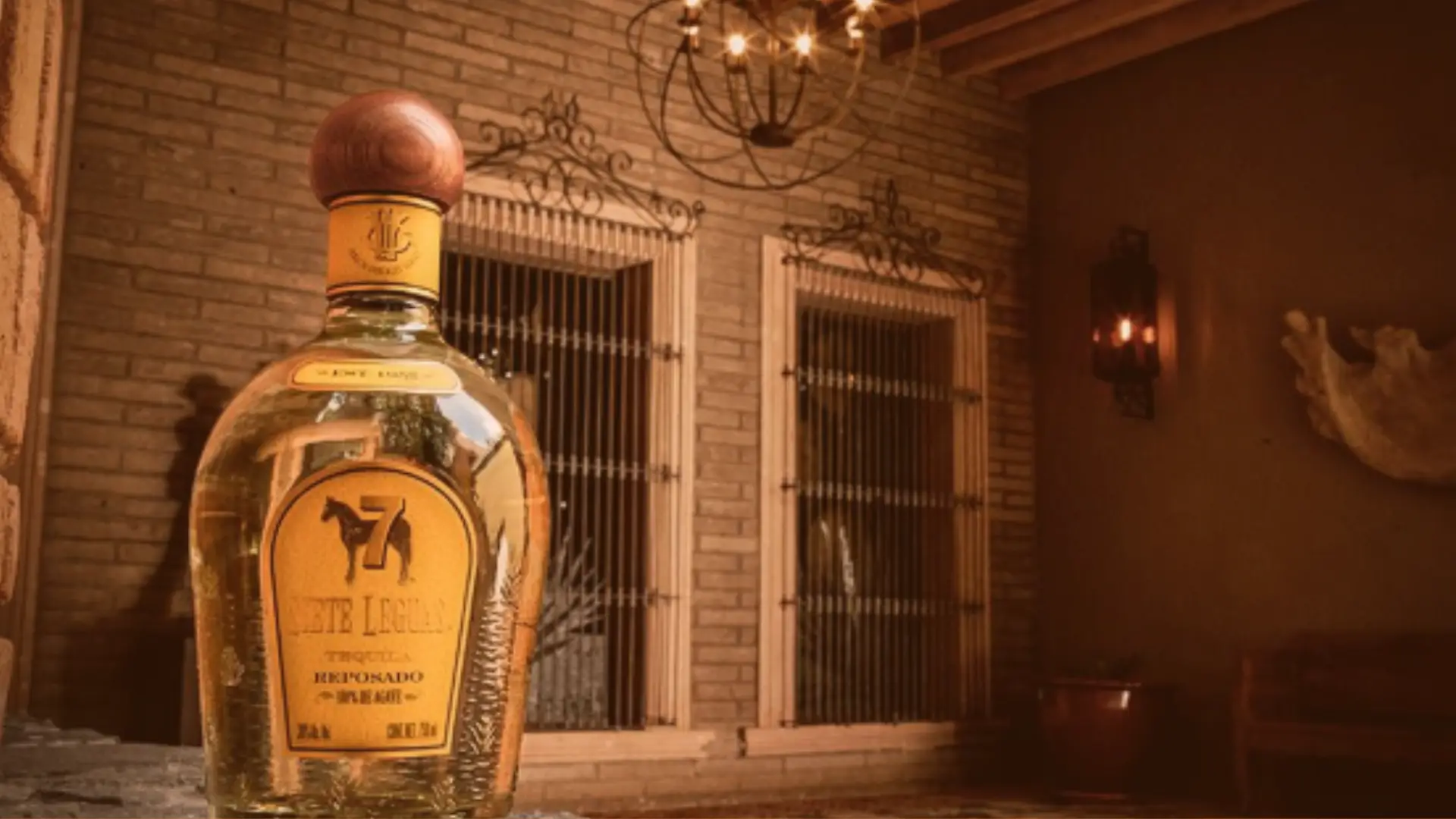
The story of tequila distilleries in Mexico begins with land, law, and continuity rather than brand mythology. Tequila is one of the few major spirits whose modern identity is inseparable from a protected geographical origin, and its rise from local agave distillate to a globally recognized category took shape through centuries of agricultural discipline in western Mexico. What people now call modern tequila craft is the result of tradition, family ownership, and regulatory definition working together to preserve authenticity while still allowing scale.
Tequila Distilleries in Mexico and the First Waves of Distillation
Distillation arrived in Mexico during the 1500s following Spanish colonization. Indigenous communities already produced fermented agave beverages, and European still technology made it possible to distill these drinks into stronger spirits. By the early 1600s, agave distillation was established across parts of Jalisco, although production remained informal and highly regional.
The town of Tequila gradually became a focal point because it sat close to agave fields and practical trade routes. Across the 18th and 19th centuries, families refined techniques, consolidated production, and built repeatable local knowledge. That slow concentration of skill is one reason tequila later emerged as a distinct spirit rather than a loose family of agave distillates.
The 1974 Denomination of Origin and Modern Tequila Identity
A defining turning point arrived in 1974, when the Mexican government established the Denomination of Origin for tequila. This legal framework restricted production to specific regions and anchored the category to the use of blue agave. For producers, the change was not simply symbolic. It formalized centuries of local practice and created enforceable boundaries that protected tequila from imitation.
The most important shift was philosophical as much as legal. The Denomination of Origin tied tequila to place and agriculture, reinforcing that tequila is shaped by geography and farming, not just by technique. Modern tequila craft, in other words, is built on the idea that origin is not optional.
Jalisco, Tequila Valley, and Los Altos as a Technical Map of Flavor
Jalisco remains the epicenter of tequila production, and two broad zones have come to represent different raw material behavior. The Tequila Valley surrounding Tequila is often associated with volcanic soils that can produce earthy, mineral-driven agave. The Los Altos Highlands near Arandas, with higher elevations and red clay soils, are commonly linked to sweeter, fruit-forward agave.
These differences affect fermentation behavior and final spirit character, so distilleries adjust cooking times, fermentation length, and distillation decisions to match what the agave brings. Geography is not marketing language here. It is a technical reality that helps explain why two tequilas made to the same legal standard can taste meaningfully different.
José Cuervo, 1795, and the First Scaled Tequila Exports
No discussion of modern tequila can avoid José Cuervo, one of the top Tequila Distilleries in Mexico, founded in 1795 in Tequila, Jalisco. The house played a central role in tequila’s transition from a regional product to an export commodity. By the mid nineteenth century, tequila was moving beyond Mexico in a more organized way, and producers like Cuervo built infrastructure that enabled consistency at scale.
Bottlings such as José Cuervo Tradicional Plata and José Cuervo Reserva de la Familia show the breadth of a producer that operates across different price tiers and styles while still leaning on the language of heritage. Cuervo’s influence is not only about volume. It helped shape global awareness of tequila as its own category.
Sauza, 1873, and the Early Case for Blue Agave
Another foundational name is Sauza, one of the best Tequila Distilleries in Mexico, founded in 1873 by Don Cenobio Sauza in Tequila, Jalisco. Long before regulation made it compulsory, Sauza advocated for blue agave as the defining raw material of tequila. That insistence on raw material specificity helped distinguish tequila from other agave spirits produced across Mexico.
Expressions such as Sauza Blanco and Hornitos Plata reflect a house built around consistency and accessibility. Sauza’s historic contribution is that it helped draw the technical boundaries of tequila early, narrowing the category toward the identity that would later be protected by law.
Traditional Methods, Highlands Transparency, and the Tahona Revival
Some producers became reference points for preserving older methods even as industrialization accelerated. Herradura, founded in 1870 in Amatitán, Jalisco, is often cited for maintaining practices such as brick ovens and natural fermentation while much of the category explored faster alternatives. Bottlings like Herradura Blanco and Herradura Reposado are frequently discussed in the context of texture and depth associated with slower, more traditional production.
In the Highlands, modern agricultural transparency gained visibility through Tequila Ocho, founded in 2008 by Carlos Camarena and Tomas Estes in Arandas, Jalisco. By introducing single estate and vintage specific bottling, Tequila Ocho Plata and Tequila Ocho Reposado pushed tequila back toward a field driven narrative at a time when blends dominated global perception.
A parallel craft signal came from the return of tahona crushing, a method that uses a large volcanic stone to extract agave juice. Industrial expansion nearly erased it, but a revival emerged in the early twenty first century. A leading example is Fortaleza, established in 2005 in Tequila, Jalisco by Guillermo Erickson Sauza. Bottles such as Fortaleza Blanco and Fortaleza Reposado, produced using stone ovens and tahona crushing, became emblematic of how tequila distilleries can meet modern demand while still defending historical texture and process.
CRT, Compliance, and the New Era of Consumer Scrutiny
Regulation did not stop in 1974. The Consejo Regulador del Tequila, commonly known as the CRT, was founded in 1994 to oversee compliance with tequila standards. The CRT enforces requirements around agave sourcing, production location, labeling, and export, ensuring tequila remains tied to geographic origin and agricultural practice.
In the era since 2010, tequila has faced renewed scrutiny from drinkers seeking clarity around additives, fermentation methods, and agave sourcing. Some distilleries respond by emphasizing traditional cooking methods, production transparency, and clearer communication about process. Cascahuín, founded in 1904 in El Arenal, Jalisco, is often referenced in this movement, including releases such as Cascahuín Tahona Blanco that point directly to historical production choices.
By anchoring discovery in named distilleries, identified spirits, and precise locations, Barlist turns curiosity into education. Through this lens, tequila distilleries in Mexico reveal tequila as a cultural product rooted in Mexican land, regulation, and long-standing craftsmanship, not a generic global category.


Distillery
Casa Herradura is a distinguished distillery located in Amatitán, Jalisco, Mexico, officially founded in 1870 by Aurelio López.…

Distillery
The Jose Cuervo Distillery, also known as Fábrica La Rojeña, holds the distinction of being the oldest active…

Distillery
Tequila Ocho Destileria, established in 2008, stands as a celebrated name in the world of premium tequila. Founded…
Spirit
Fortaleza Reposado Tequila stands out in the crowded field of agave spirits for its dedication to authentic craftsmanship…
Spirit
Cascahuin Tahona Blanco Tequila represents the quintessence of artisan tequila production, skillfully crafted in the picturesque valley of…
Distilleries & Producers
Master Distiller and the Human Craft Behind Great Spirits
Somewhere between lab precision and inherited sensory memory, the Master Distiller carries the responsibility of turning raw materials into a spirit with a recognizable identity. Modern production can measure temperatures, monitor fermentation curves, and track compliance across borders, yet the final character of whisky, rum, gin, or tequila still depends on human judgment that cannot […]
January 27, 2026
Distilleries
Charbay Distillery: From European Tradition to California Craft Distilling
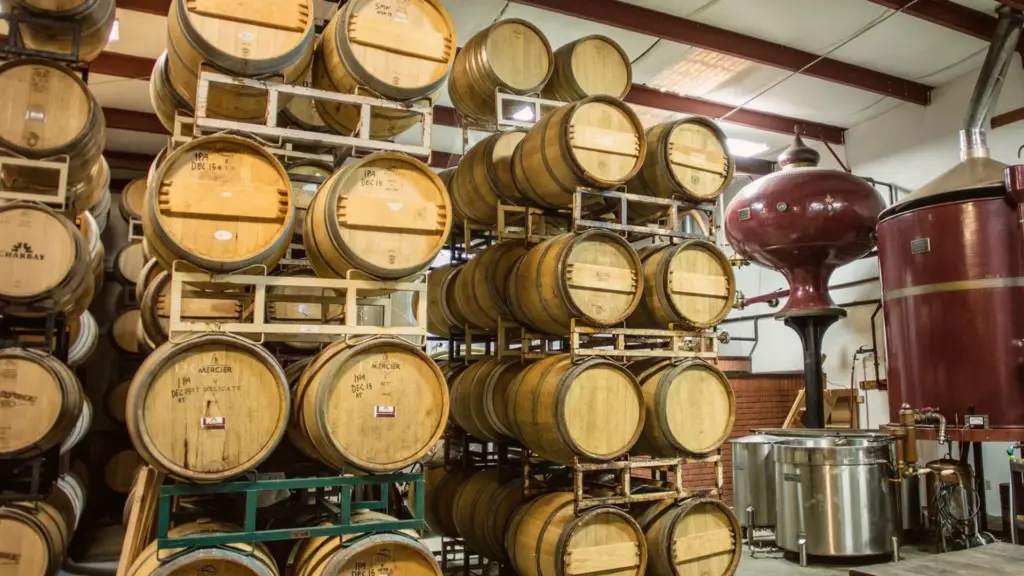
The history of Charbay Distillery begins long before the family established itself in California. The Karakasevic family traces its winemaking and distilling tradition back generations in Europe, with the family recognised by the Austro-Hungarian Imperial Court of Empress Maria Theresa in 1751 as makers of wines and brandies. That inherited knowledge eventually travelled across continents […]
July 28, 2026
Distilleries
Mars Shinshu: The Distillery That Returned from Silence in Japan’s Central Alps
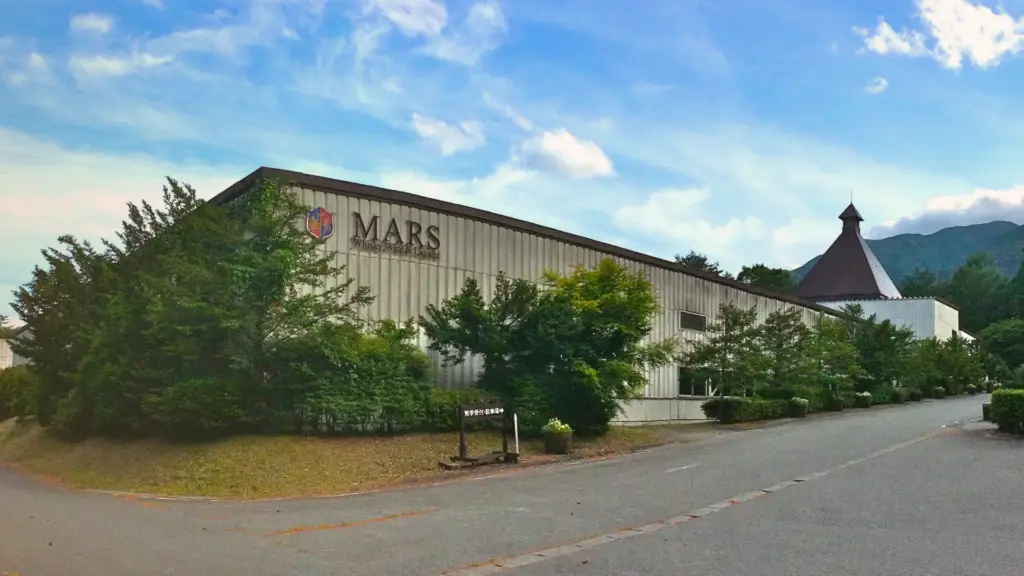
When the stills at Mars Shinshu Distillery began running again in 2011, they had been silent for 19 years. The buildings had not disappeared, and Hombo Shuzo had not abandoned whisky entirely. Even so, a distillery at rest is not a sealed piece of history. Equipment ages, stocks diminish, employees move on, and the market […]
July 1, 2026