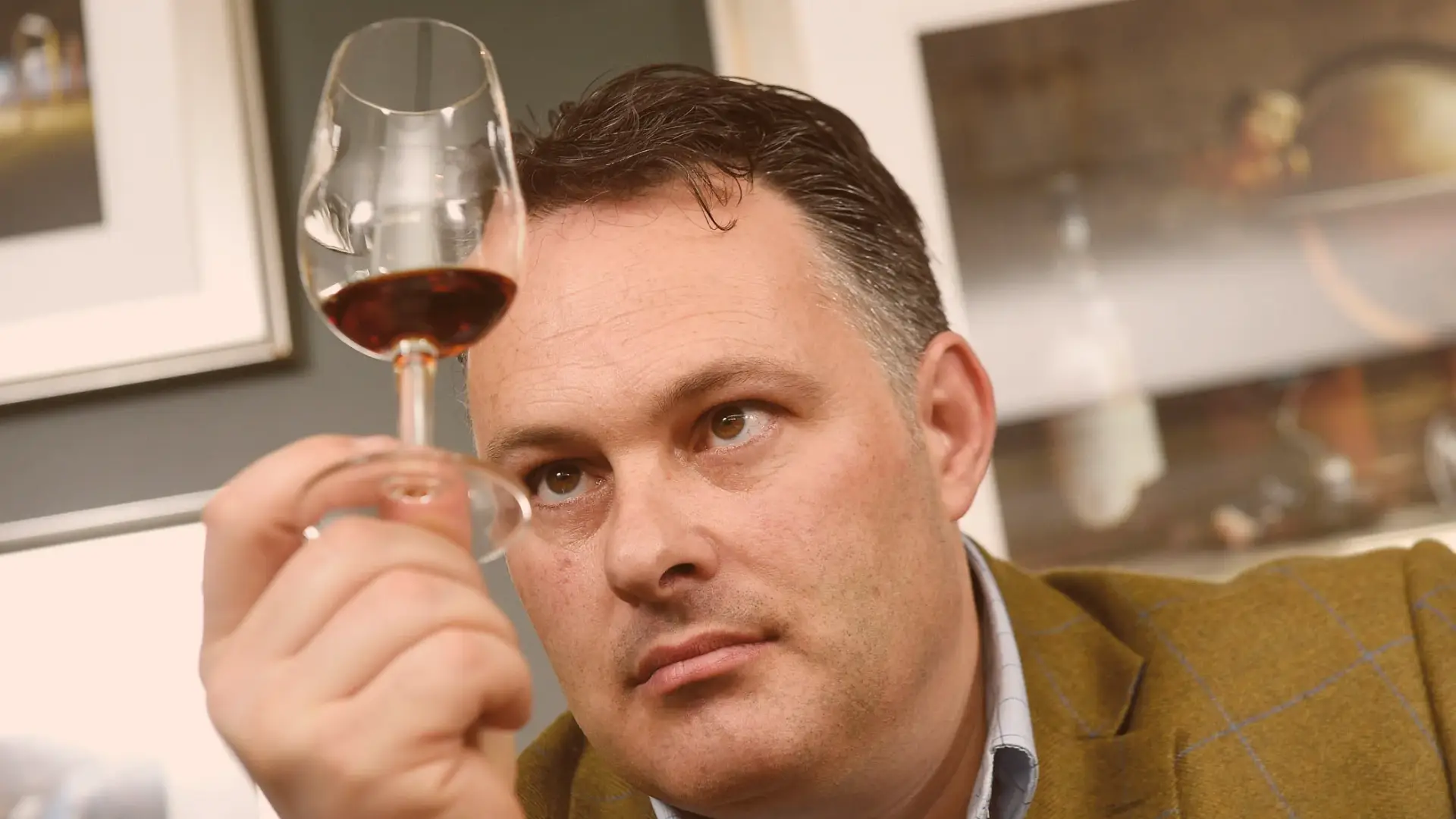
Somewhere between lab precision and inherited sensory memory, the Master Distiller carries the responsibility of turning raw materials into a spirit with a recognizable identity. Modern production can measure temperatures, monitor fermentation curves, and track compliance across borders, yet the final character of whisky, rum, gin, or tequila still depends on human judgment that cannot be automated. The Master Distiller is the guardian of that judgment, protecting a house style while making decisions that may only reveal their consequences years later in the glass.
Master Distiller as a Title Born from Law and Scale
The title Master Distiller began appearing with regularity as distillation moved from household practice into structured industry during the eighteenth and nineteenth centuries. In Scotland and Ireland, excise law and commercial demand pushed distilleries to formalize process, document spirit quality, and protect consistency across larger volumes. The person who understood still behavior, fermentation outcomes, and the house character became more than an operator. They became a custodian.
In the Caribbean, rum followed a different path shaped by tropical heat and agricultural variability. By the early 1700s, plantation distilleries relied on highly experienced overseers who understood how fermentation could change with climate and cane quality. Titles varied, but the role already existed in practice, balancing unpredictability with the need for a repeatable identity.
Master Distiller Decisions That Cannot Be Reversed
A Master Distiller does not simply run equipment. The work begins with raw material selection and continues through fermentation, distillation, and long maturation planning. Every choice compounds. A yeast decision made today may only show its full impact after years in oak, when esters, acids, and wood interaction have had time to settle into a coherent profile.
The most decisive moments often happen at the still, where cut points determine what is kept and what is discarded. Once those fractions are separated, there is no true undo button. This long horizon is what makes the role culturally significant. The Master Distiller is accountable not only to today’s release schedule, but to future stock that will represent the distillery years from now.
The Macallan and the Preservation of a House Style
In Scotch whisky, the modern distillery often protects continuity through a chain of roles that includes distilling, maturation, and blending. At The Macallan Distillery in Craigellachie in Speyside, the mission has long centered on precision and consistency at scale, with a reputation closely tied to sherry seasoned oak maturation.
One of the widely cited figures from the modern era is David Robertson, who joined The Macallan in 1994 and later held the Master Distiller title, becoming associated with the brand’s late twentieth century style decisions and high profile releases. The point is not celebrity. It is continuity. A bottle such as The Macallan Sherry Oak 18 Year Old stands as a reminder that house style is a long conversation between spirit weight, cut choices, and cask policy, maintained over decades by people trained to notice drift early.
Appleton Estate and Rum’s Reality of Variability
In rum, variability is not an occasional problem. It is the baseline. Cane quality shifts, yeast behavior changes, and climate influences fermentation in ways that cannot be fully standardized. At Appleton Estate in Jamaica’s Nassau Valley, the mastery is often expressed through blending and calibration rather than control, with long fermentation choices and still character forming the backbone of identity.
A defining modern appointment was Joy Spence, who became Master Blender in 1997, a milestone widely recognized across the spirits industry. Spirits such as Appleton Estate 12 Year Old Rare Casks reflect how a consistent profile can emerge from inputs that never behave the same way twice. In this world, the human craft is adaptation, knowing which lever to pull when nature changes the rules.
Tanqueray and the Discipline of Botanical Balance
Gin brings a different challenge. Neutral spirit provides a stable base, but botanical integration demands strict balance and repeatability. Tanqueray traces its origin to Charles Tanqueray and an early nineteenth century London formula that became a reference point for the style. Today, Tanqueray is made at Cameronbridge Distillery in Fife, Scotland, where the work is framed around protecting a consistent house signature across markets and batches.
A bottle such as Tanqueray London Dry Gin illustrates why the role is still human even in a recipe driven category. Botanical ratios, extraction behavior, and distillation decisions can drift in subtle ways. The Master Distiller exists to prevent that drift from becoming the new normal.
Fortaleza and Tequila as Agricultural Stewardship
In tequila, the relationship between distiller and land is unusually direct. Blue agave takes years to mature, so long-term planning becomes part of the production identity. At Fortaleza in Tequila, Jalisco, founder Guillermo Erickson Sauza launched the brand in 2005, emphasizing traditional production choices such as stone oven cooking and tahona style milling that place texture and cooked agave character at the center of the spirit.
Expressions like Fortaleza Blanco and Fortaleza Reposado reflect decisions that begin in fields and harvest timing, not only at the still. In this category, the Master Distiller often acts as a steward of raw material, method, and patience, protecting a philosophy that cannot be rushed without changing what the spirit is.
Sensory Memory, Public Trust, and the Modern Master Distiller
One of the least visible tools in a distillery is sensory memory. Years of smelling fermentations, tasting new make spirit, and monitoring maturation create an internal reference library that no instrument fully replaces. That memory is why apprenticeship matters, and why leadership turnover can quietly reshape a spirit even when the equipment does not change.
In the twenty-first century, the role has expanded. Regulatory compliance, sustainability expectations, and public representation now sit alongside production decisions. Yet the core purpose remains familiar. The Master Distiller translates process into identity, keeping a distillery honest to its own style while navigating the pressures of scale, transparency, and changing markets. Great spirits are not accidents of equipment or branding. They are the accumulated result of human choices made carefully, repeatedly, and often years before anyone tastes the outcome.
Distillery
The Macallan Distillery is a beacon of heritage and craftsmanship located in the heart of Speyside, in the…
Distillery
Appleton Estate, crafted in the heart of Jamaica, represents the pinnacle of authentic Jamaican rum production. Renowned for…
Distillery
Tanqueray is a revered brand of gin renowned for its robust flavors and artisanal production methods. Founded in…
Spirit
Fortaleza Reposado Tequila stands out in the crowded field of agave spirits for its dedication to authentic craftsmanship…
Spirit
Tanqueray London Dry Gin is a quintessential spirit that has stood the test of time, recognized globally as…
Spirit
The Macallan 18 YO Sherry Oak Cask Highland Single Malt Scotch Whisky
The Macallan 18 YO Sherry Oak Cask is one of the most celebrated single malt Scotch whiskies, renowned…
Spirit
Tequila Fortaleza Blanco is a distinguished representation of artisanal tequila, reflecting both the rich traditions and meticulous craftsmanship…
Partnership
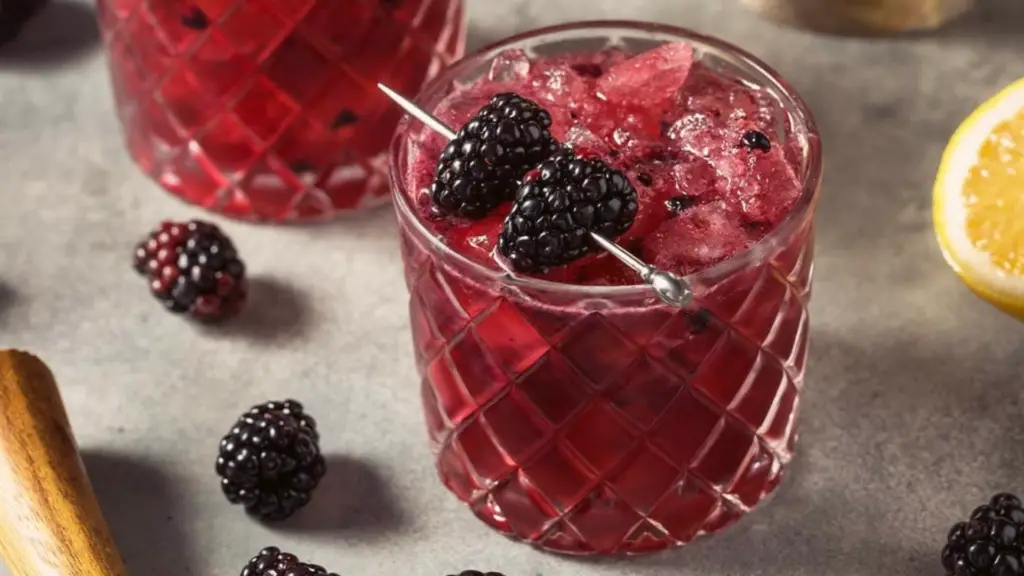
Bramble Cocktail: London Origins, Fresh Fruit Acidity, and the Modern Gin Classic
In 1980s London, as the city’s cocktail culture began to re-emerge after decades of decline, a new style of drink appeared that would quietly redefine how fruit could function in a modern cocktail. The Bramble, created in 1984 by Dick Bradsell at Fred’s Club in Soho, was not conceived as a reinterpretation of a classic, […]
July 9, 2026
Cocktail of The Week
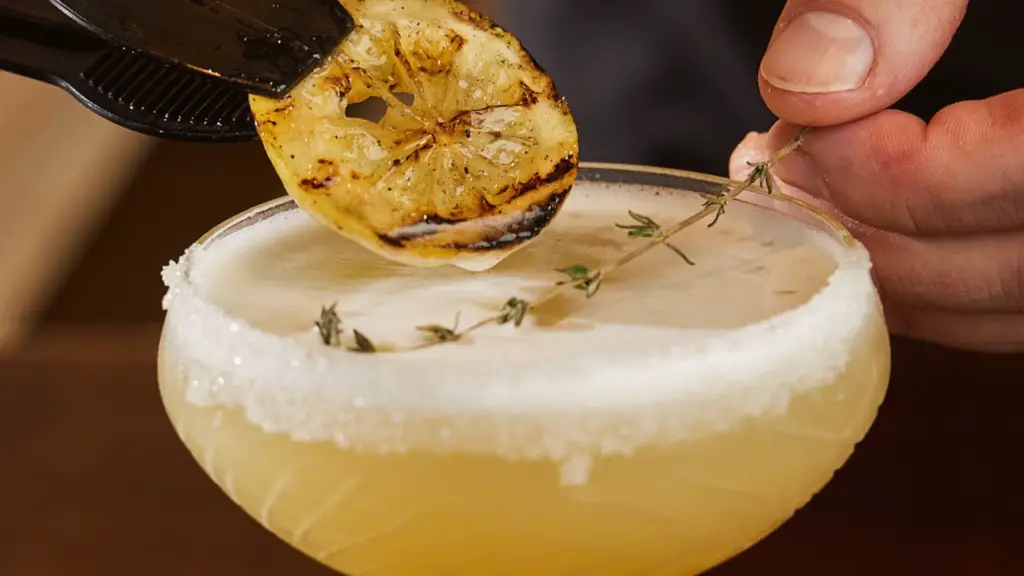
Bee’s Knees: Prohibition Precision, Honey Structure, and the Evolution of a Gin Sour
During the 1920s, under the restrictions of Prohibition, American drinkers and bartenders became used to cocktails that corrected, softened, or disguised rough spirits. Among them, the Bee’s Knees stands out for one reason: it did not disappear when better spirits returned. Instead, it moved beyond its Prohibition association, becoming one of the clearest demonstrations of […]
July 2, 2026
Trends and Innovations
The Digital Decanter: How Alcohol E-Commerce Redefined Premium Spirits
A decade ago, acquiring a premium bottle of whisky or tequila required physical presence. The process unfolded inside specialist retailers, where access depended on geography, relationships, and availability. That structure has shifted. The rise of alcohol e-commerce has transformed acquisition into a digital experience, using Digital Decanter, where selection, storytelling, and delivery operate within a […]
May 21, 2026