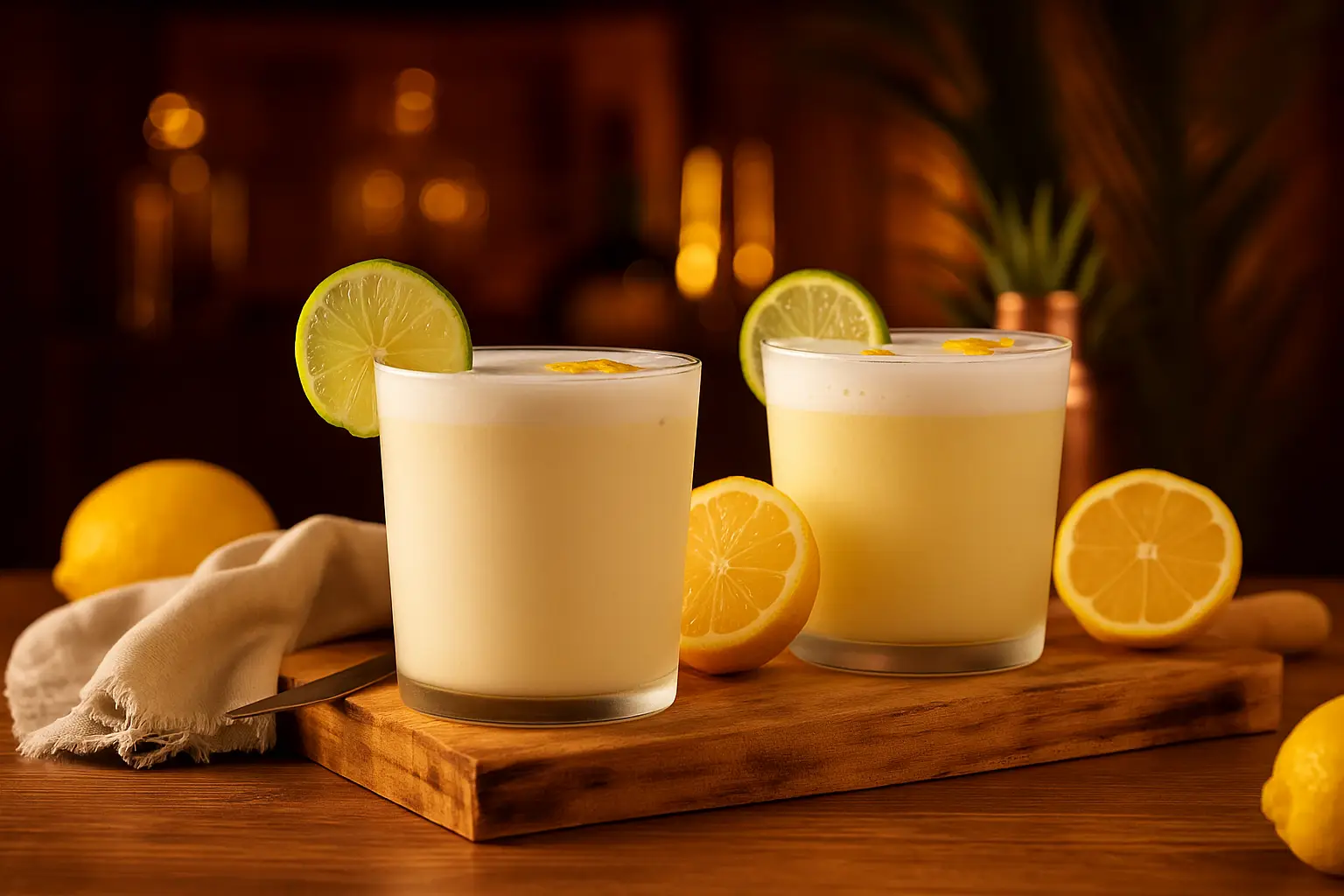
Among classic cocktails, few inspire as much pride, passion, and rivalry as the Pisco Sour. In Peru, it is celebrated every year on the first Saturday of February as the nation’s official drink. In Chile, it is equally defended as a cornerstone of cultural heritage. This dual claim has sparked decades of debate, and to understand it, one must trace the intertwined histories of both pisco and the sour that bears its name.
The Birth of Pisco
Pisco’s story begins in the 16th century, when Spanish settlers introduced grapevines to South America. By the early 1600s, brandy distilled from grapes was already being produced in the coastal valleys of Peru, particularly near the town of Pisco, whose name would ultimately become synonymous with the spirit. In Chile, grape distillation developed shortly after, centered in the Elqui Valley.
Both nations claim precedence. Peru emphasizes the town of Pisco itself as proof of authenticity, while Chile points to its uninterrupted cultivation and the development of its own legal protections. The dispute is less about fact than about identity, and over the centuries it has grown into a matter of national pride.
Victor Morris and the Cocktail’s Invention
The cocktail itself came much later. Its invention is credited to Victor Vaughen Morris, an American bartender who opened Morris’ Bar in Lima in 1916. A native of Salt Lake City, Morris adapted the whiskey sour by replacing whiskey with pisco, blending it with lime juice, simple syrup, egg white, and Angostura bitters.
By the 1920s, the drink had become a sensation among Lima’s social elite and expatriate community. Its refinement is largely attributed to Mario Bruiget, a Peruvian bartender at Morris’ Bar. Bruiget adjusted proportions, perfected the frothy texture created by egg whites, and added the bitters garnish that has become the cocktail’s hallmark. By mid-century, the Pisco Sour was firmly entrenched in Peruvian culture, and in 2003, the Peruvian government officially declared it part of the nation’s cultural heritage.
Chile’s Counterclaim
Chile has never conceded the drink’s origins to Peru. Chilean producers emphasize their continuous tradition of pisco making since the colonial period and argue that the cocktail was also enjoyed in Chile during the early 20th century. The Chilean Pisco Sour tends to differ in style, often using lemon instead of lime and omitting bitters altogether. Chilean law also defines pisco differently: it is typically distilled to proof without dilution, producing a lighter spirit that distinguishes it from its Peruvian counterpart.
The dispute extends far beyond cocktail culture. Both nations have clashed in international courts and trade agreements over the exclusive right to the name “pisco.” Some regions recognize only Peruvian pisco, while others permit both denominations. These contested rulings ensure that the rivalry continues not only in South America but also across global markets.
A Tale of Two Sours
For cocktail enthusiasts, the rivalry enhances the drink’s allure. The Peruvian Pisco Sour is stronger, more aromatic, and structured around lime, bitters, and egg white, offering balance and complexity. The Chilean version is lighter and simpler, focusing instead on showcasing the purity of the spirit without the embellishments.
Both versions carry centuries of viticulture, craftsmanship, and cultural meaning. They are more than recipes; they are emblems of national identity, shaped by geography, law, and history.
A Symbol Beyond Borders
The Pisco Sour is more than just a cocktail. It is a narrative of migration, adaptation, and cultural pride. From Victor Morris’ pioneering bar in 1916 to the Peruvian heritage declaration of 2003, the drink embodies the spirit of invention and hospitality. At the same time, it reflects Chile’s enduring claim and its own deep-rooted legacy of grape-based distillation.
In the end, the rivalry may never be resolved, and perhaps that is part of its charm. The Pisco Sour is not only a refreshing blend of citrus, spirit, and foam. It is a living symbol of identity and heritage, a reminder of how drinks can embody the soul of nations.

Partnership
Illegal Cocktail: The Mezcal Cocktail That Reframes the Daiquiri Structure
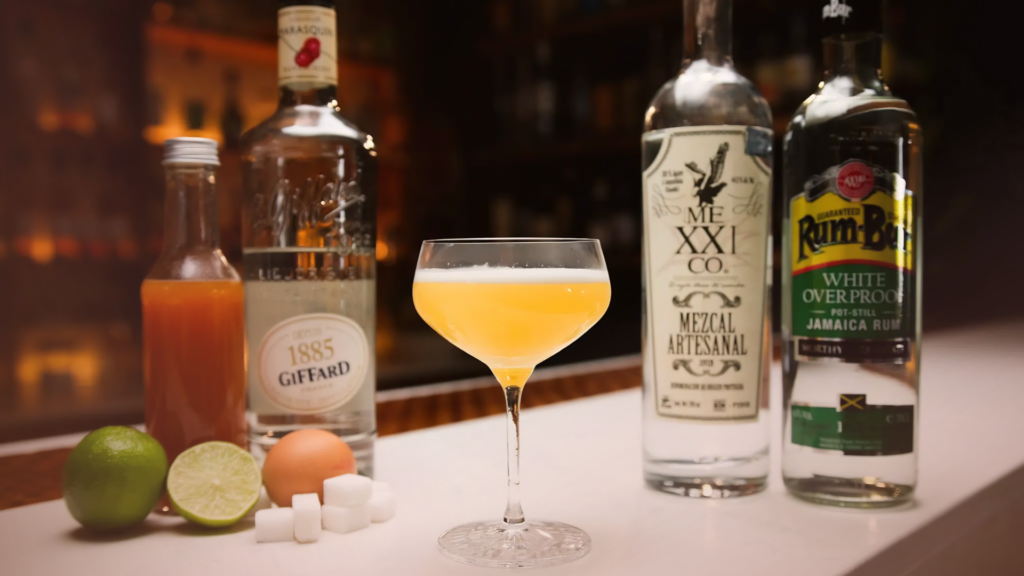
The Illegal cocktail follows a familiar outline, but the result is distinctly different. Built around mezcal, lime, falernum, maraschino, simple syrup, and a measure of Jamaican overproof rum, it takes the logic of a sour and shifts it into a drier, more aromatic profile. The drink is credited to Italian bartender Samuele Ambrosi, with its […]
September 24, 2026
Partnership
IBA Tiki: Codifying Tropical Structure Within Modern Cocktail Standards
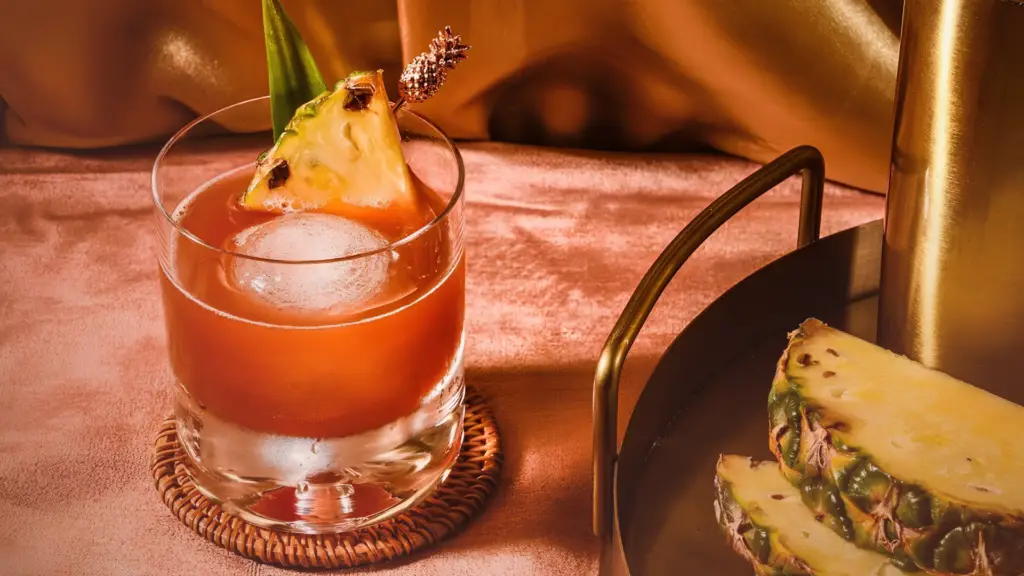
Tiki has never been a single drink, but in this case the name points to one specific modern cocktail. The IBA Tiki is not a broad label for tropical classics such as the Mai Tai or the Zombie. It is a defined drink connected to the International Bartenders Association, Cuban bartending culture, and a recent […]
September 17, 2026
Cocktails
Garnish and the Final Expression of the Cocktail
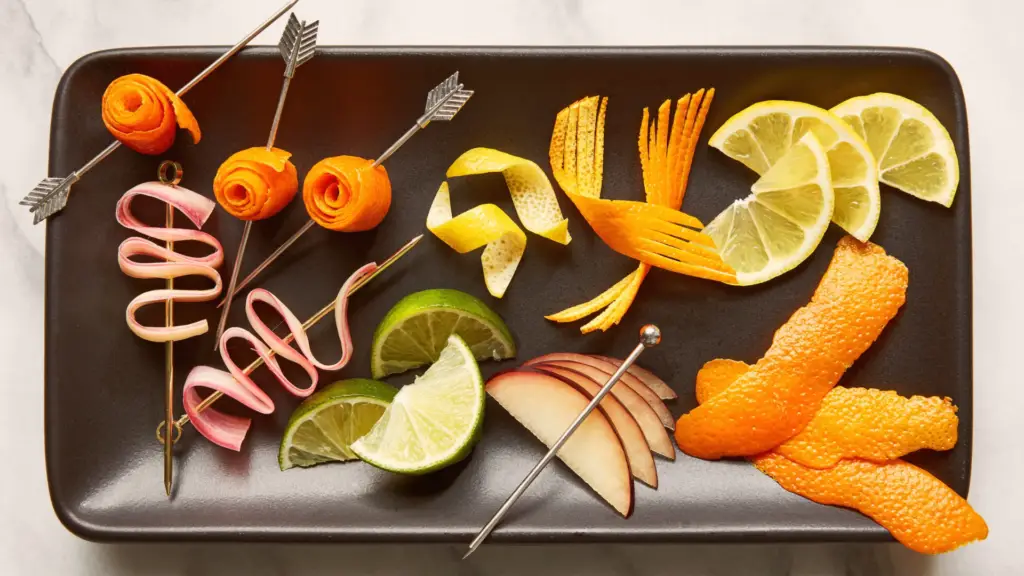
The Garnish arrives at the end of preparation, yet it often leads the guest’s first impression. Before the drink reaches the palate, the eye registers colour and form while the nose encounters aroma rising from the glass. Garnish therefore belongs to the sensory language of the cocktail. It can clarify identity, prepare expectations, and complete […]
September 15, 2026