The early cocktail direction of 2026
The first months of 2026 have not produced a single defining new cocktail in the traditional sense. Instead, what is emerging is quieter but more revealing. New cocktails are appearing through repositioning rather than invention. Existing formats are placed into new settings, familiar structures are adjusted, and ingredients are introduced in ways that change how a drink is perceived rather than how it is built.
This does not make the drinks less important. It makes them more indicative of where the industry is moving.
The Paddock Paloma and the shift inside American tradition
In April 2026, at Churchill Downs, a noticeable change took place within one of the most tradition-driven drinking environments in the United States. Alongside the Mint Julep, the Kentucky Derby introduced a new signature cocktail known as the Paddock Paloma.
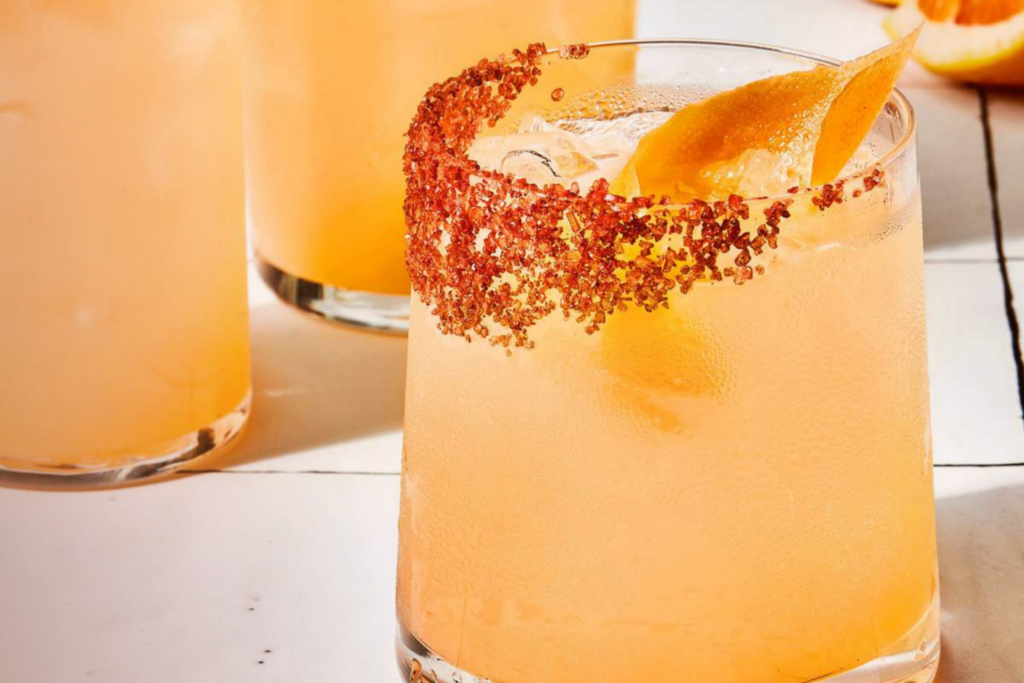
The drink is built with Tequila Herradura Reposado, grapefruit soda, and lime. Structurally, it is simple and direct. It sits within the highball format, designed for refreshment, clarity, and speed of service.
Its importance lies in context rather than composition. The Kentucky Derby has long been associated with bourbon and with drinks that reinforce that identity. Introducing a tequila-based cocktail into that environment reflects a broader shift in American drinking culture. Agave spirits are no longer treated as seasonal or secondary. They are being positioned within major national events.
Even the garnish supports this integration. The cocktail is finished with a jockey-themed pick, linking the drink visually to the race itself. The drink aligns with the event rather than standing apart from it.
Ube and the expansion of flavour through culture and image
At the same time, a different kind of shift is unfolding, particularly in the United Kingdom. In early 2026, ube, the purple yam widely used in Filipino desserts, began appearing more frequently in drinks across both cafés and cocktail bars.
Its appeal is immediate but not superficial. The colour is striking, but the flavour remains accessible, often perceived as soft, slightly nutty, or similar to vanilla. This balance allows it to feel new without becoming unfamiliar.
Bars in London have started incorporating ube into cocktail menus, while larger chains have introduced it through coffee and dessert-style drinks. Its success is tied to two factors. It works visually in a culture where drinks are often shared through images, and it carries a cultural identity that extends beyond appearance.
Ube does not change the structure of cocktails. It changes how flavour is communicated and understood.
The continued rise of altered classics
Another consistent pattern in 2026 is the continued development of modified classics. Instead of introducing entirely new formats, many bars are working from existing templates and making controlled adjustments.
The Negroni Sour is one of the clearest examples of new cocktails introduced in early 2026. The core identity of the Negroni remains intact, but citrus and texture are introduced to change its balance and mouthfeel. The result is recognisable, but different enough to feel current.
This approach reflects how guests engage with menus. Familiar structures reduce hesitation and allow variation to feel approachable. For bars, it creates flexibility without requiring complete reinvention. The idea of a new cocktail is shifting toward refinement rather than replacement.
Why simple builds continue to define the moment
Across these developments, a shared logic becomes visible. Many of the most relevant new cocktails in 2026 are defined by clarity and efficiency. Highballs, spritz-style drinks, and citrus-forward combinations remain dominant because they work within modern service environments. They are quick to produce, easy to replicate, and consistent in delivery.
Flavour trends follow this structure. Grapefruit, mango, and guava appear frequently because they integrate easily into simple builds and are widely understood across different markets. Complexity has not disappeared. It has moved away from construction and into context, ingredient choice, and presentation.
What these early releases suggest
Taken together, these examples point toward a clear direction. The Paddock Paloma, the rise of ube in drinks, and the continued evolution of classics all demonstrate that cocktails are no longer defined solely by what is in the glass.
Instead, emphasis is placed on where a drink appears, how quickly it is understood, and what meaning it carries within a specific setting. The structure remains familiar. The interpretation changes.
The early cocktail releases of 2026 show an industry that is no longer driven by constant reinvention. Familiar forms have become a foundation rather than a limitation. A Paloma, a fresh new cocktail introduced at the Kentucky Derby, an ube-based drink in London, or a Negroni adapted into a sour are not radical departures on their own. Their significance comes from placement and intent.
The modern cocktail evolves through adjustment, context, and clarity. The drink itself may remain recognisable, but the role it plays continues to change.
Cocktail
The Negroni is one of Italy’s most celebrated cocktails, a symbol of refinement and balance that has remained…
Spirit
Herradura Reposado Tequila is renowned for its craftsmanship and quality, being the first tequila reposado ever created. The…
Cocktail
The Negroni is one of Italy’s most celebrated cocktails, a symbol of refinement and balance that has remained…
Spirit
Herradura Reposado Tequila is renowned for its craftsmanship and quality, being the first tequila reposado ever created. The…
Partnership
Alquímico in Cartagena: The Multi-Level Bar Where Precision Operates as One System
Within the historic walled city of Cartagena, Alquímico occupies a restored three-storey colonial building that has, since its opening in 2016, evolved into one of the most structurally complex cocktail operations in the world. What appears as a high-energy nightlife destination is, in practice, a fully integrated system combining agriculture, production, and service at scale, […]
September 12, 2026

Partnership
Tres Monos in Buenos Aires: The High-Energy Bar Redefining Cocktail Craft
Volume comes first. Not just music, but movement, conversation, the rhythm of a room that rarely settles. At Tres Monos in Buenos Aires, energy is not an accessory to the experience; it is the structure that holds everything together. What appears spontaneous is, in reality, tightly controlled, with every drink, every gesture, and every interaction […]
September 5, 2026
Bars and Cocktails
How Tres Monos Reframed the Negroni as an Argentine Cocktail Story
The Negroni has travelled further than most cocktails because it is easy to recognise but difficult to exhaust. Its structure is fixed enough to be remembered, yet open enough to be interpreted. That balance explains why bars across the world continue to return to it, not only as a drink, but as a framework for […]
July 22, 2026