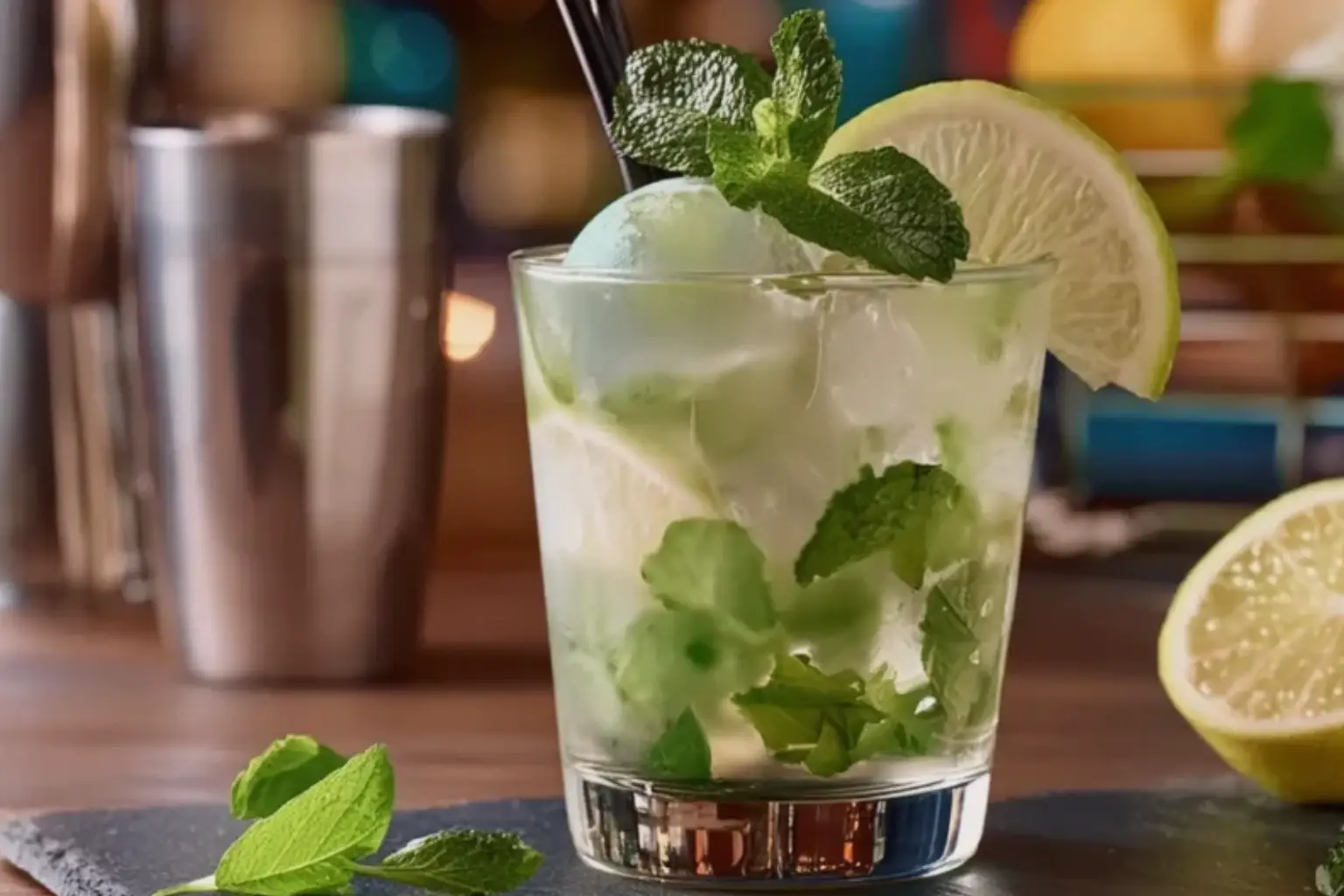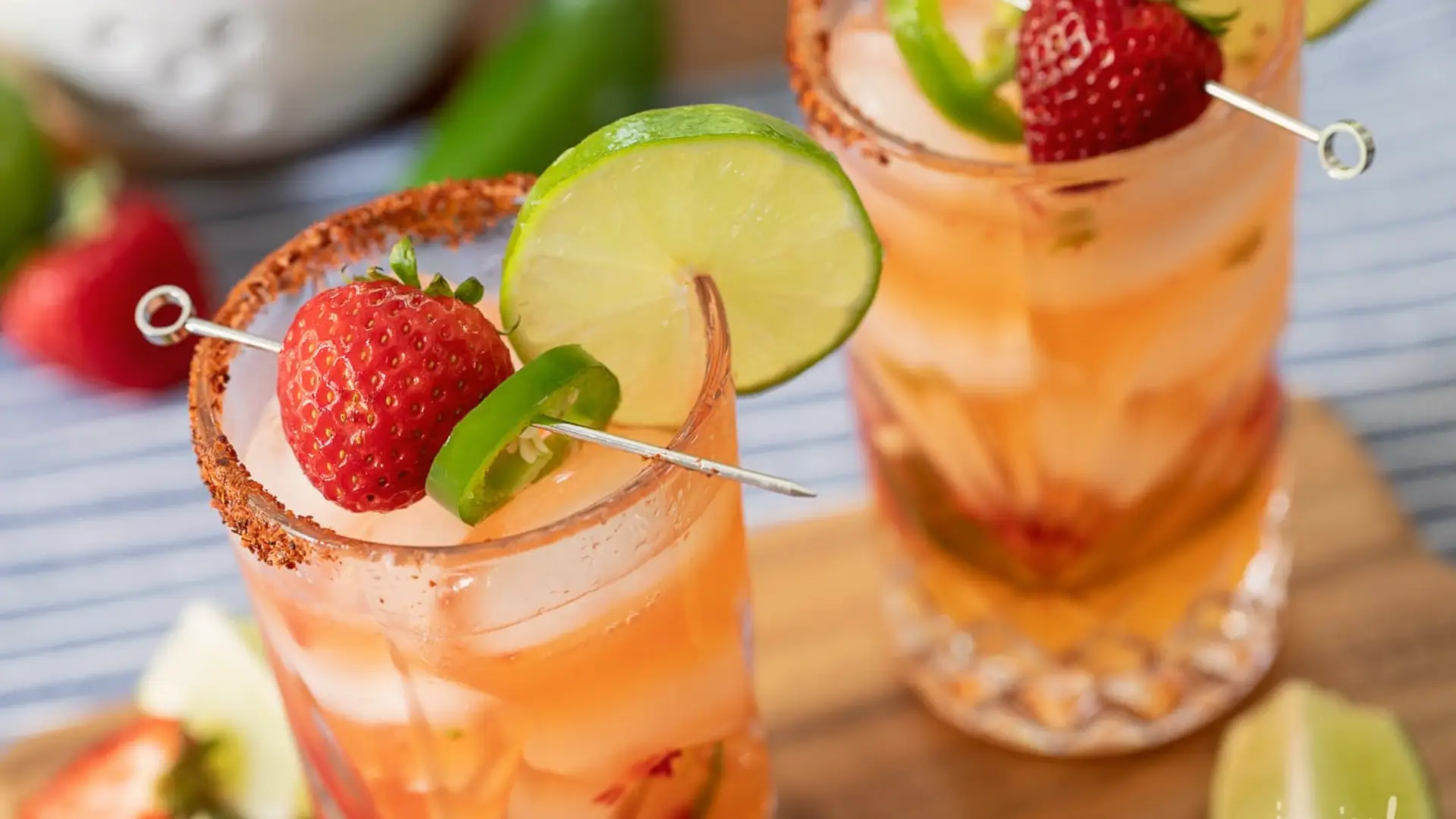
Sweet heat cocktail culture is not as new as its current trend language suggests.
Fruit and chilli have shared space for generations in markets, kitchens, street food, pickles, sauces, snacks, and drinks across Mexico, wider Latin America, South Asia, and Southeast Asia. Mango and chilli, pineapple and pepper, citrus and salt, tamarind and spice, watermelon and heat all belong to culinary systems that understood contrast long before the phrase became fashionable.
What has changed is the setting. The combination has moved from food culture into cocktail menus, ready-to-drink products, flavour laboratories, social media, and brand development meetings. It is no longer treated only as a regional taste. It has become a design language for modern drinks.
That shift deserves attention because it reveals something larger about cocktail culture. Guests are no longer satisfied with sweetness alone, and bartenders are no longer building flavour only through spirit, citrus, sugar, and bitterness. Texture, aroma, heat, memory, cuisine, and timing all matter.
Sweet heat is therefore more than a seasonal flavour trend. At its best, it is a way of making drinks feel alive.
A Trend with Older Roots
The food and beverage industry likes to rename old pleasures. In 2026, the language of “fricy”, a blend of fruity and spicy, became a convenient shorthand for the pairing of sweet fruit with chilli, pepper, or other forms of heat. The term may be new, but the taste is not.
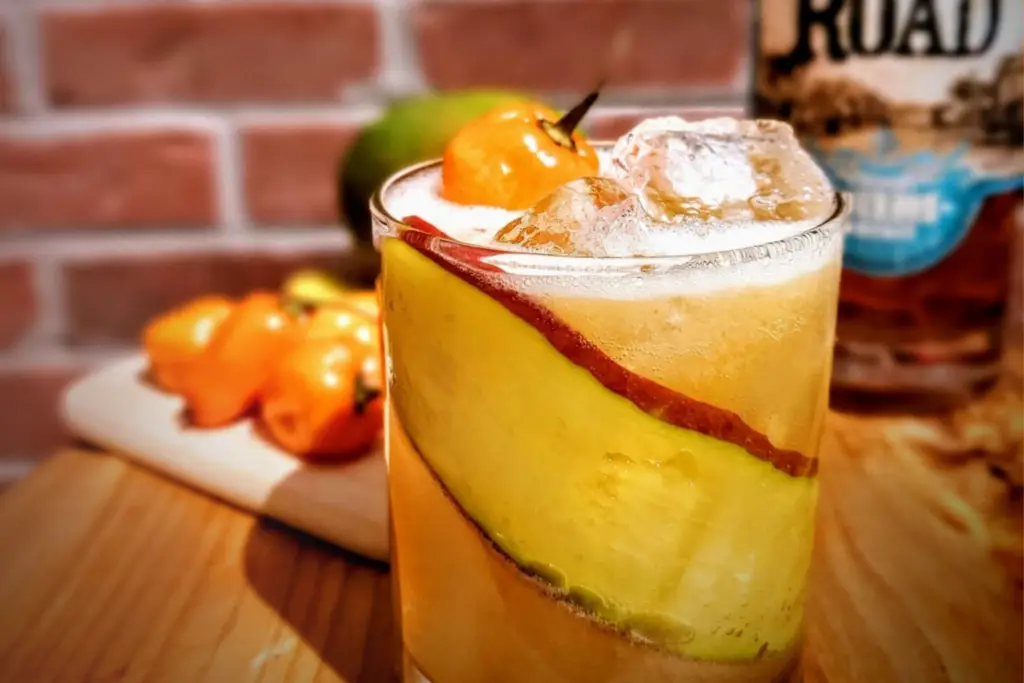
Many cuisines have long used heat to sharpen fruit rather than hide it. Chilli can make mango feel brighter, salt can make citrus more vivid, and pepper can give tropical fruit a savoury edge. These combinations work because they create movement across the palate rather than delivering one simple note.
Cocktail culture has often borrowed from food before giving those ideas a new form. The Bloody Mary built a drinks identity around savoury spice. The Michelada placed beer, citrus, salt, and heat into a broader drinking tradition. Agave-based cocktails later gave bartenders a natural platform for chilli, tropical fruit, lime, and mineral flavours.
The current sweet heat moment belongs to that longer history. Its danger is that the industry may present it as a discovery when, in reality, it is often a reframing of flavour knowledge that already existed in everyday food cultures.
Why Fruit and Heat Work Together
The appeal of sweet heat is not only cultural. It is sensory. Fruit often brings aroma, acidity, sweetness, colour, and freshness. Chilli and pepper bring heat, fragrance, dryness, and a physical sensation that sits somewhere between flavour and feeling.
That physical sensation is important. Chilli heat is not experienced in the same way as sweetness or sourness. It works through the trigeminal system, the part of sensory perception that responds to temperature, tingling, irritation, and texture.
This means heat can change how a drink feels without simply adding another flavour. It may lengthen the finish, increase salivation, create anticipation, or make fruit seem more vivid by contrast. The challenge is control. A drink built around heat can become unpleasant if the spice dominates the fruit, alcohol structure, acidity, and dilution. Heat for its own sake usually grows tired quickly.
The best examples understand timing. Fruit often arrives first through aroma and sweetness, while chilli heat builds more slowly. A well-designed drink can use that delay to create a beginning, middle, and finish rather than a single burst of intensity.
From Bar Technique to Culinary Thinking
Modern bartending has moved closer to the kitchen.
This does not mean cocktails should become food or that every drink requires a chef’s vocabulary. It means bartenders increasingly think about preservation, fermentation, acidity, seasoning, texture, temperature, smoke, salt, and regional pantry ingredients.
Sweet heat fits naturally into that movement. It asks the bartender to think like a cook: how much contrast is needed, where the heat should appear, and whether sweetness needs acidity, bitterness, salt, or herbal structure to keep it from becoming heavy.
The pairing also encourages better use of produce. Fruit is not only a sweetener. It can bring perfume, texture, colour, acidity, and a sense of season. Chilli is not only a source of intensity. Different varieties may carry green, smoky, floral, earthy, or fruity notes before the heat even begins.
That level of attention separates thoughtful cocktail design from novelty. A drink does not become interesting simply because it contains a spicy ingredient. It becomes interesting when that ingredient has a role. This is where many weak-trend drinks fail. They add spice as a label rather than as a structure.
The Role of Agave Spirits
Agave spirits have been especially important in the rise of sweet heat cocktails. Tequila and mezcal already belong to food cultures in which citrus, chilli, salt, herbs, fruit, smoke, and roasted flavours have long been present. That makes them natural partners for drinks that place fruit and heat in conversation.
The connection should still be handled carefully. Not every spicy fruit cocktail with an agave base is culturally deep. Some are merely fashionable combinations built around borrowed symbols. The stronger examples respect context. They recognise that agave spirits carry agricultural, regional, and production histories that should not be reduced to a backdrop for bright colours and chilli garnish.
Sweet heat works with agave because the spirit can carry both freshness and weight. Fruit may draw out aromatic lift, while heat can echo the earthy, vegetal, smoky, or mineral aspects of the base.
The broader lesson applies beyond agave. Rum, gin, vodka, whisky, and brandy can all appear in sweet heat structures, but the base spirit should be chosen for a reason. Otherwise, the fruit and spice become louder than the drink itself.
RTDs and the Mainstreaming of Heat
Ready-to-drink products have helped move sweet heat from specialist bars into wider beverage culture.
The format rewards clear flavour signals. Fruit, chilli, citrus, tropical notes, and spice are easy to understand quickly on a can or bottle. They promise energy, refreshment, and sensory impact without requiring detailed knowledge of spirits or cocktail technique.
That simplicity is commercially useful. A consumer does not need to understand the history of a cocktail to recognise mango and chilli, pineapple and pepper, or watermelon and spice as an appealing contrast. The risk is flattening. Packaged drinks can turn complex culinary ideas into broad flavour labels, especially when the heat is simplified into generic spice and the fruit is reduced to sweetness.
The best ready-to-drink development will depend on balance, not only branding. A successful product must consider sweetness, acidity, carbonation, alcohol strength, aroma stability, shelf life, and how heat changes over time.
This is where the category becomes technically interesting. Sweet heat may sound playful, but the production challenge is serious. A flavour that feels lively in a bar does not automatically remain balanced in a packaged format.
Low Alcohol, No Alcohol, and Sensory Compensation
Sweet heat also matters because modern drinkers are paying closer attention to alcohol strength.
Moderation has changed the way many drinks are designed. When alcohol is reduced or removed, a drink can lose weight, warmth, texture, and length. Heat offers one way to rebuild some of that sensory presence without relying entirely on sugar.
This does not make spice a substitute for alcohol. It provides a different kind of structure. Chilli, pepper, ginger, carbonation, bitterness, acidity, and tannin can all create shape in low and no alcohol drinks. Fruit then adds approachability and aroma, making the drink feel generous rather than thin.
The wider movement towards moderation has therefore made sweet heat more useful. It gives producers and bartenders a tool for creating intensity without increasing strength. That matters for hospitality. A guest choosing a lower alcohol or alcohol free option still expects a drink with personality. Sweet heat can help deliver that personality when it is used with restraint.
Social Media and the Visual Language of Heat
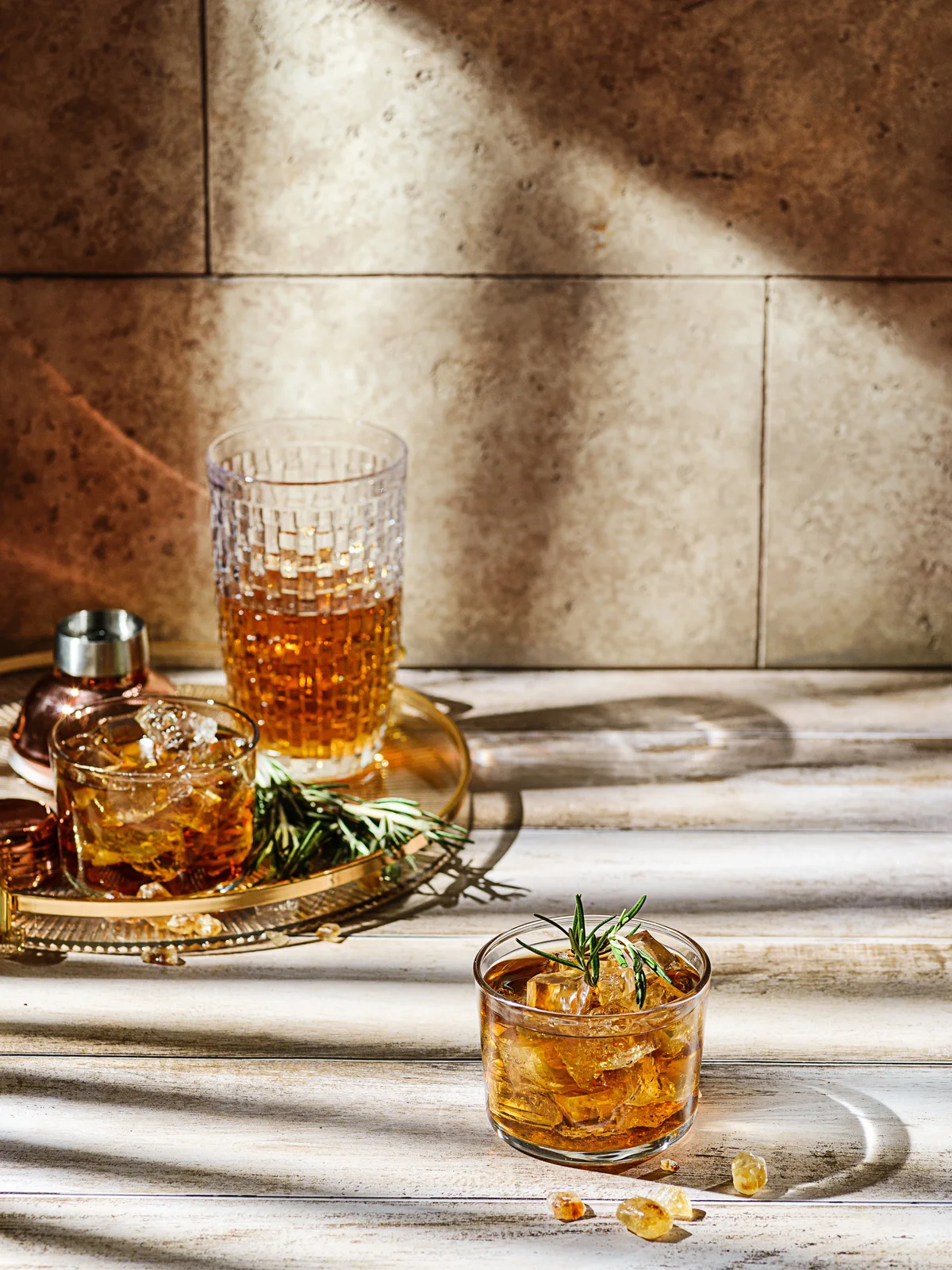
Sweet heat travels well online. Bright fruit, chilli rims, vivid colours, and dramatic presentation are easy to photograph. The contrast can be understood before the drink is tasted, which makes it useful in a social media environment built around quick recognition.
That visibility has helped accelerate the trend. A drink can be shared because it looks exciting, not because the viewer understands its balance. For bars and brands, this creates both opportunity and pressure. A visually striking drink may bring attention, but it must survive the moment after the photograph. Guests remember whether the flavour was coherent.
The strongest modern cocktail programmes understand that appearance is part of hospitality but not a replacement for it. The drink must look inviting, smell expressive, and feel balanced across the full experience. Sweet heat rewards that discipline. It gives bartenders colour, aroma, and sensation, but it punishes laziness quickly. Too much sugar feels childish, too much chilli feels aggressive, and too much decoration turns the drink into a costume.
Cultural Borrowing and Responsibility
A serious article about sweet heat cannot ignore cultural borrowing.
Many of the combinations now appearing in drinks culture come from food traditions shaped by specific places, climates, ingredients, and communities. When those ideas move into international cocktail menus, they can be celebrated, misunderstood, or stripped of meaning.
Bars do not need to avoid inspiration from other cuisines. Cocktail history has always developed through movement, trade, migration, and exchange. The question is whether that movement is handled with knowledge and respect. Names matter. Ingredient sourcing matters. Staff education matters. Menu language matters. So does the willingness to acknowledge that a flavour combination did not appear from nowhere.
A mango chilli profile, for example, may be treated as a playful trend in one market while existing as everyday knowledge in another. A bar that understands this difference can tell a richer story and avoid claiming novelty where continuity exists.
The best use of sweet heat will therefore be culturally literate. It should not turn regional food traditions into decorative shorthand for excitement.
What It Means for Modern Bars
For bars, the rise of sweet heat is useful because it meets several demands at once. It gives guests flavour intensity, visual appeal, freshness, familiarity, and a sense of discovery. It also allows bartenders to connect cocktails with food, seasonality, local produce, regional ingredients, and lower alcohol design.
Yet the trend will only last if it matures beyond the obvious combinations. Repeating fruit plus chilli across every menu will quickly become predictable. The more interesting future lies in subtlety. Pepper with orchard fruit, chilli with tropical acidity, warming spice with stone fruit, botanical heat with gin, or gentle savoury seasoning with citrus can all move the idea beyond simple fire.
Bars that succeed with this style will not be the ones that make the hottest drinks. They will be the ones who understand how heat changes flavour over time and how fruit can carry that heat without collapsing into sweetness. Sweet heat is not a shortcut to creativity. It is a test of balance.
Sweet heat has become fashionable because it gives modern drinks something many guests now seek: contrast.
It offers fruit without simple sweetness, spice without pure aggression, and sensory excitement without necessarily depending on higher alcohol strength. It also connects cocktail culture with cuisines that have long understood how pleasure can come from tension.
The trend is strongest when bartenders treat it as structure rather than decoration. Fruit, heat, acidity, salt, bitterness, texture, and aroma must work together. When they do, the drink gains movement and memory. The danger is superficiality. A borrowed flavour can become a costume. A chilli garnish can replace thought. A regional tradition can be flattened into a marketable word.
Modern cocktails are becoming more culinary, more sensory, more interested in global flavour, and more aware of how guests move between alcohol, low alcohol, and no alcohol occasions. Fruit and spice did not suddenly discover each other in 2026. The industry simply found a new way to talk about an old pleasure. The task now is to handle that pleasure with intelligence.

Cocktail
The Cantarito is a vibrant and citrus-driven cocktail rooted in the traditions of Jalisco, Mexico, where tequila culture…

Cocktail
Apple Cider Punch is a festive beverage that highlights the crisp and comforting flavors of apples, making it…
Cocktail
The Bloody Mary is a classic cocktail celebrated for its bold, savory, and complex flavor profile. Traditionally made…

Partnership
Boban Lazarević: Built in a Training Room, Proven on a World Stage in 20224
Before Boban Lazarević won the title, before the stage lights, there was repetition. In Belgrade, bartending doesn’t always begin behind a busy counter. For many, it begins in a classroom. Inside Bar Central Belgrade, run by the Bartenders Association of Serbia, drinks are broken down long before they are served. Recipes are practised until they […]
August 17, 2026

Partnership
Jigger and Pony: The Craft of Hospitality Behind Asia’s Most Consistent Cocktail Bar
Energy carries the room at Jigger and Pony. Not noise, not spectacle, but a steady, deliberate rhythm shaped by people who understand that a bar lives or dies by how it makes guests feel. Set within Amara Singapore in Singapore, the bar has built its reputation not on a single defining drink or concept, but […]
August 15, 2026

Partnership
Gohar Gasparyan: Building Precision in a Scene That Had to Start From Zero
By the time Gohar Gasparyan stepped onto the World Cocktail Championship stage in 2024, Armenia was not expected to win. Not because of a lack of talent, but because the country’s cocktail culture was still finding its footing. Unlike established markets, where bartending is shaped by decades of accumulated technique, Armenia’s scene was newer, more […]
July 27, 2026