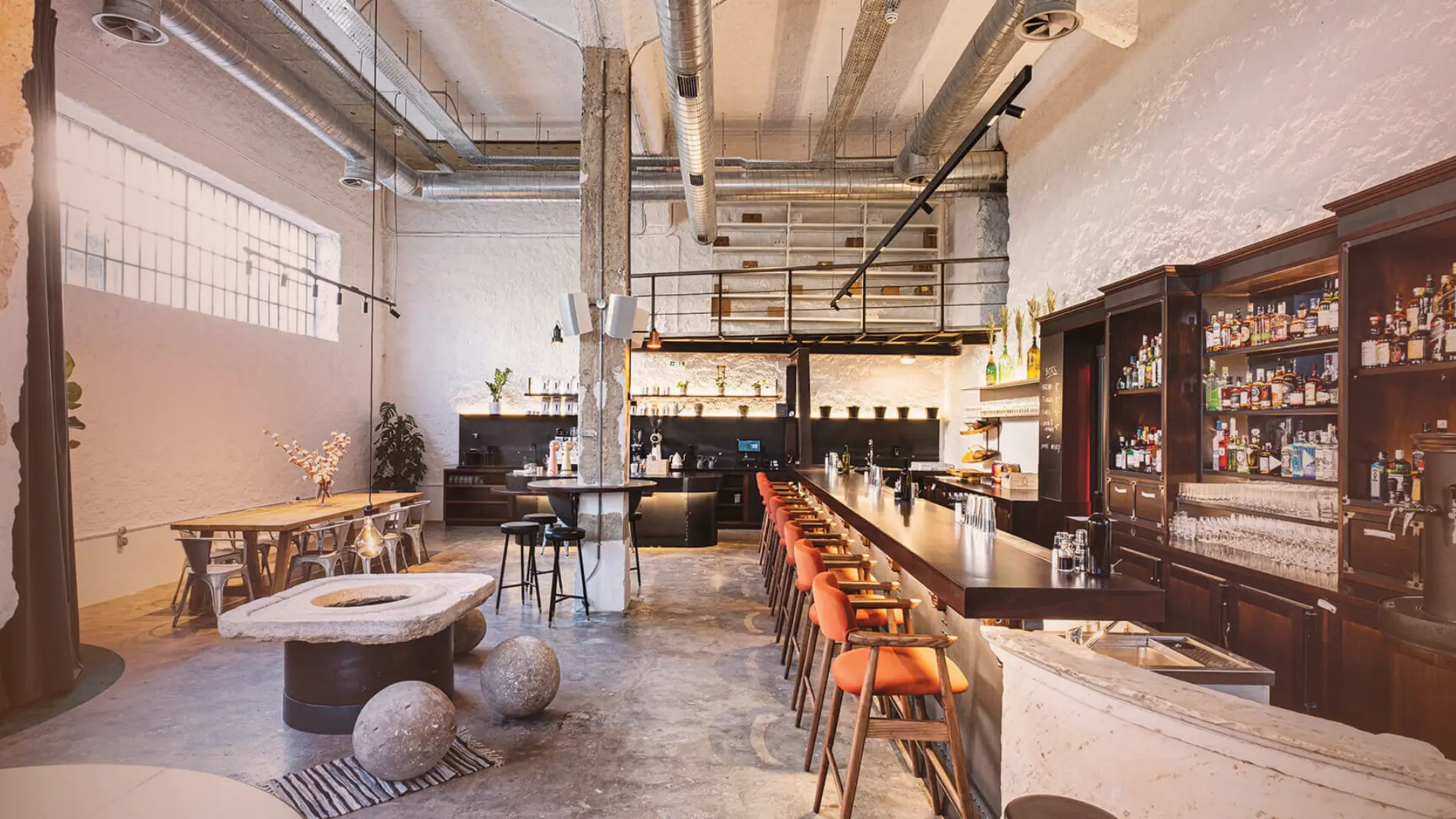
The first impression inside Line Athens is not visual, but aromatic. Fermentation is at work here, quietly shaping the room long before a drink reaches the table. In Athens, where bar culture has steadily evolved into one of Europe’s most dynamic scenes, Line has carved out a distinct position by building its identity around process, transformation, and a rethinking of how ingredients are created and used.
This is not a bar that begins with bottles. It begins with raw material. Behind the concept are Vasilis Kyritsis and Eftychis Vasilakis, whose work has consistently pushed the boundaries of ingredient-driven bartending. At Line, their focus shifts from sourcing to producing, creating a system where fermentation, preservation, and zero-waste thinking define the structure of the menu.
Ingredients Built In-House
What distinguishes Line is the decision to treat ingredients as something to be developed rather than acquired. The bar operates with an in-house fermentation program that produces kombuchas, lacto-fermented bases, and other components designed to form the backbone of its cocktails.
This approach allows for a level of control that extends beyond flavour. By building ingredients from the ground up, the team can shape acidity, texture, and aromatic profile with precision. The result is a menu where drinks feel constructed from first principles, rather than assembled from existing products.
Even when familiar spirits are used, they are integrated into a framework that is driven by these house-made elements. The balance of a cocktail is often determined not by the base spirit, but by the fermented structures surrounding it.
Fermentation as a Working Language
At Line, fermentation is not a technique applied occasionally. It is the foundation of the bar’s identity. Each stage of the process, from initial preparation to final serve, is designed to explore how ingredients evolve over time.
Flavours develop through controlled transformation, creating profiles that carry depth, acidity, and complexity without relying on traditional modifiers. This allows the bar to move beyond standard cocktail structures, developing drinks that feel distinct without losing clarity.
The influence of this approach can be seen even in interpretations of familiar formats. A drink may echo the structure of a Highball or another classic template, yet the flavour profile is shaped entirely by fermentation, giving it a character that is both recognisable and new.
Zero-Waste as Structural Principle
Sustainability at Line is not an added consideration. It is embedded into the way the bar operates. Ingredients are used in full, with by-products from one preparation often becoming the base for another.
This zero-waste system reduces dependency on external supply while encouraging a continuous cycle of reuse and transformation. Peels, pulp, and leftover materials are reintegrated into the process, ensuring that nothing is treated as disposable.
The effect is both practical and creative. Limitations become opportunities, leading to drinks that reflect resourcefulness as much as technical skill.
Signature Direction Through Process
Line does not define itself through a single signature cocktail. Instead, its identity is expressed through the consistency of its process. Each drink carries the imprint of fermentation and in-house production, creating a unified language across the menu.
Signature serves often highlight the bar’s ability to translate raw ingredients into structured cocktails. Acidity, texture, and aroma are carefully balanced, resulting in drinks that feel alive, evolving, and precise at the same time.
This approach shifts attention away from individual recipes and toward the system that produces them. The “signature” of Line becomes its method, rather than a specific drink.
Recognition and a New Direction for European Bars
Line Athens has gained international recognition, including placement on The World’s 50 Best Bars list, reflecting its influence on contemporary cocktail culture.
More importantly, it represents a broader movement within the industry. As bars increasingly explore sustainability and ingredient-driven approaches, Line stands at the forefront, demonstrating how these ideas can be integrated without compromising quality or creativity.
Its success signals a shift toward bars that prioritise production, process, and environmental awareness, redefining what it means to operate at a high level.
A Space That Reflects the System
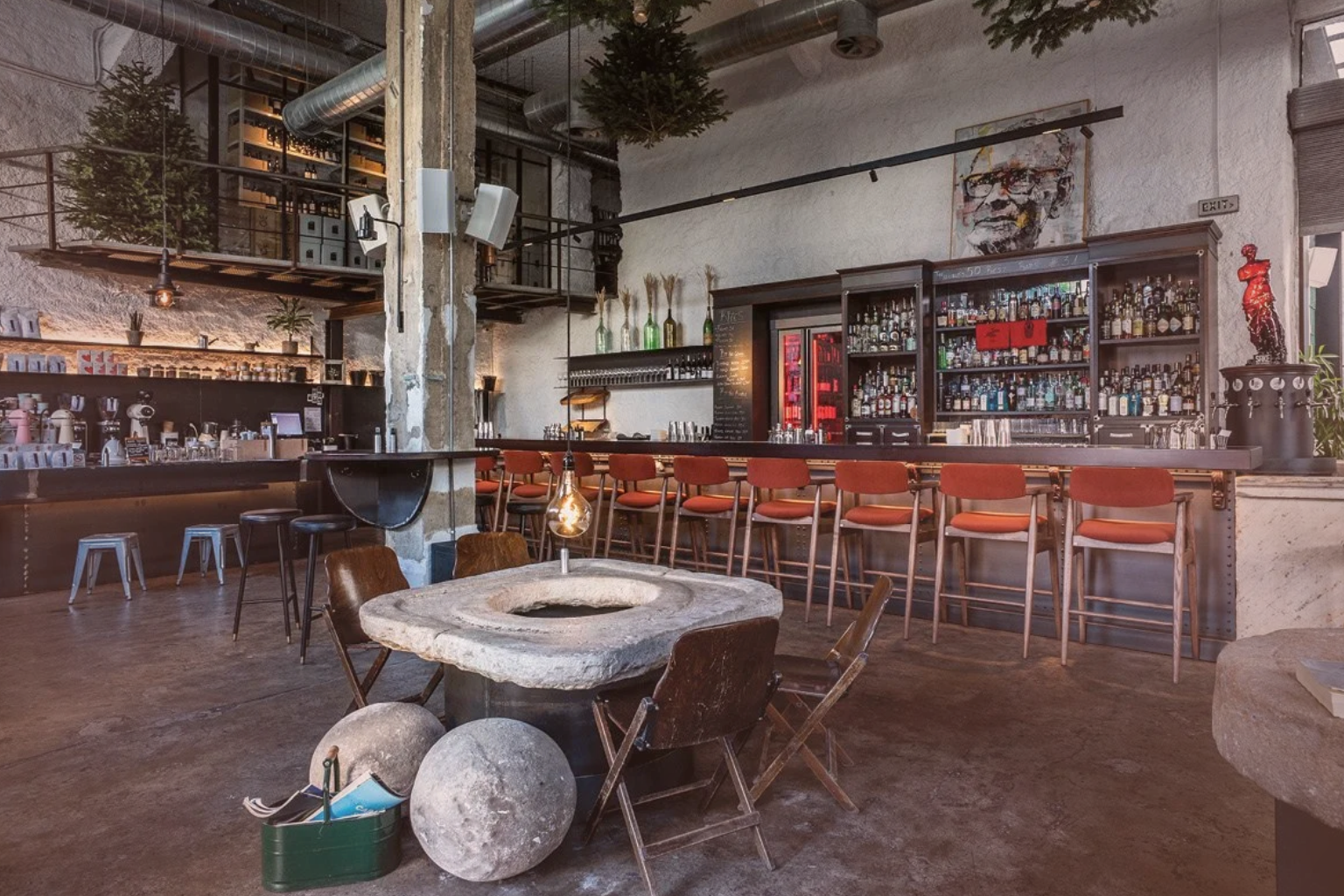
The environment at Line mirrors its philosophy. The design is functional and open, allowing elements of production to remain visible without turning them into spectacle.
Guests are able to observe aspects of the process, gaining insight into how drinks are built. This transparency creates a connection between the preparation and the final serve, reinforcing the idea that the drink is the result of an ongoing system, not a single moment of assembly. Service remains direct and informed, guiding guests through the menu while maintaining a sense of ease.
Where Process Defines Identity
Line Athens offers a perspective on modern bartending that shifts the focus from product to process. By building its cocktails around fermentation and zero-waste principles, it creates a model where innovation is driven by transformation rather than addition.
The absence of a single defining drink is not a limitation, but a reflection of its philosophy. Each cocktail becomes part of a larger system, contributing to a cohesive and evolving identity.
In a landscape where bars often compete through novelty, Line stands apart by refining the fundamentals. It demonstrates that control, sustainability, and creativity can operate together, shaping a future where the way a drink is made becomes as important as how it tastes.

Renowned international hospitality consultant, founder of Barpartners, and IBA Vice President of Classic Mixology, bringing over 25 years of luxury hotel bar operations.

In partnership with International Bartenders Association
The International Bartenders’ Association stands at the crossroads of exchange between new and established generations of professionals.
Cocktail
The Pink Lady is a cocktail that perfectly captures the elegance and charm of early twentieth-century drinking culture,…
Cocktail
The Spicy Tropical Paloma is a vibrant reinterpretation of the classic Mexican highball, combining the bright citrus backbone…
Cocktail
The Clover Club is a classic pre-Prohibition cocktail that exudes elegance, refinement, and a delicate balance of flavors.…
Cocktail
Citrus Coke is a refreshing and lively cocktail that elevates the classic cola experience by introducing bright, zesty…
Partnership
Lady Bee: Structure, Scale, and the Quiet Discipline of Contemporary Peruvian Bartending
There are bars that announce themselves through concept, and others that build recognition through repetition. Lady Bee belongs firmly to the latter. Located in Lima, the bar has developed its reputation not through spectacle, but through consistency, technical control, and a steady refinement of classic structures within a contemporary Peruvian context. Since opening in 2017, […]
September 26, 2026
Partnership
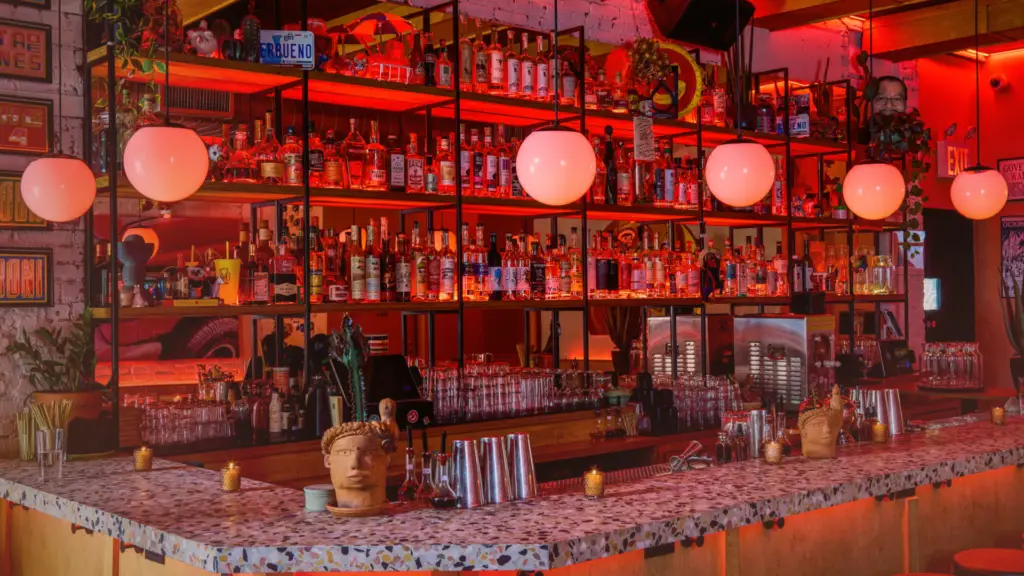
Superbueno in New York: Precision, Identity, and the Return of Clarity in Cocktail Design
Not every bar in New York needs to announce itself loudly to be noticed. Superbueno opened in 2023 with a smaller room, a focused menu, and a level of clarity that quickly separated it from the noise. Within a year, it had already entered The World’s 50 Best Bars list, a rare trajectory that says […]
September 19, 2026
Partnership
French Guiana Rum: Discovering Pure Cane Juice Spirits Beyond the Caribbean Spotlight
French Guiana is often overlooked in discussions of rum. It does not belong to the Caribbean island chain, and its production is far smaller than that of Martinique or Guadeloupe. Yet its cane-juice tradition holds a distinct place within the French overseas rum world. Located on the north-eastern coast of South America, French Guiana is […]
September 18, 2026