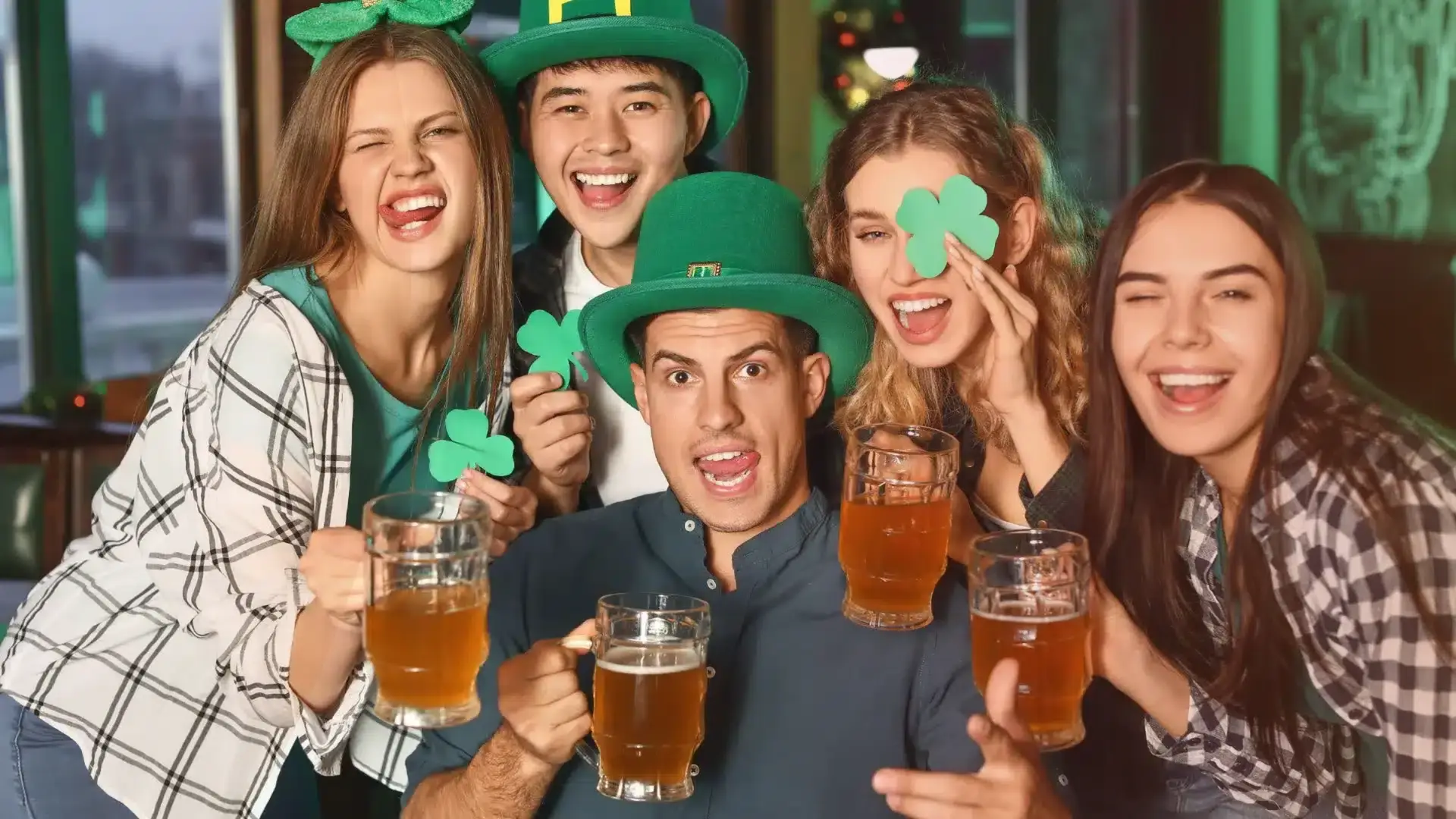
Not every whiskey belongs on March 17. Some are made for quiet evenings. Others are built for reflection. St Patrick’s Day asks for something different. It asks for a whiskey that can move between conversation, celebration, and continuity without losing its character.
The question is not simply what is best. It is what fits the rhythm of the day.
Irish whiskey offers that flexibility. Its balance, shaped by triple distillation and blending traditions, allows it to move easily from neat pours to shared rounds. The best Irish whiskey to drink on St Patrick’s Day in 2026 is therefore not a single answer, but a selection shaped by how the day unfolds.
The first glass and the structure of familiarity on St Patrick’s Day 2026
Every St Patrick’s Day begins with something recognizable. The first pour sets the tone, and few bottles define Irish whiskey as clearly as Jameson Original from Midleton Distillery.
Light in body with soft spice, vanilla, and orchard fruit, it delivers exactly what Irish whiskey is known for. Approachability without loss of structure. It can be taken neat, with a small amount of water, or extended into a highball without disrupting its balance.
Alongside it, Tullamore D.E.W. Original offers a slightly grain-forward softness with gentle citrus and toasted wood. Powers Gold Label introduces a firmer spice profile, reflecting a more traditional Dublin style.
For many, this is where St Patrick’s Day begins. Not because these whiskeys are complex, but because they are consistent and widely understood.
Depth and continuity in single pot still whiskey
As the day progresses, the focus often shifts toward depth. This is where single pot still whiskey becomes essential. Produced from both malted and unmalted barley and distilled in copper pot stills, it remains one of Ireland’s most distinctive contributions to global whiskey.
Redbreast 12 Year Old remains the defining reference. Its layered profile of dried fruit, spice, and toasted oak carries weight without heaviness. It invites slower drinking and sustained attention.
Other expressions expand this structure. Green Spot, matured in a combination of bourbon and sherry casks, offers a fresher, orchard-driven profile with a lighter texture. Yellow Spot 12 Year Old deepens the style with Malaga cask influence, introducing richer fruit and subtle sweetness.
On St Patrick’s Day in 2026, these whiskeys mark a transition. They move the experience from shared energy toward individual appreciation, without breaking the continuity of the day.
Precision and clarity in single malt Irish whiskey
There are moments within the celebration that call for restraint rather than intensity. Irish single malt whiskey answers that need through clarity and controlled structure.
From Bushmills Distillery, Bushmills 10 Year Old delivers orchard fruit, vanilla, and gentle spice shaped by maturation in bourbon and sherry casks. It is precise, balanced, and accessible without dilution of identity.
More contemporary expressions, such as Teeling Single Malt, introduce a broader cask influence, incorporating wine casks that add dried fruit complexity and aromatic lift. Meanwhile, releases from Dingle Distillery emphasize small-batch production and coastal maturation, creating subtle maritime influence.
For St Patrick’s Day in 2026, single malt whiskey suits quieter intervals. It is not the center of the crowd, but the pause between moments.
Whiskey for the table and the rhythm of sharing
St Patrick’s Day is defined as much by repetition as by celebration. Glasses are refilled, conversations overlap, and the table becomes the focal point. In these moments, the best whiskey is one that moves easily across the group.
Teeling Small Batch, finished in rum casks, introduces a soft sweetness that broadens appeal without losing structure. Jameson Black Barrel, with its deeper char influence, adds toasted wood and spice while remaining accessible.
These whiskeys are designed for movement rather than analysis. They adapt to the energy of the room, supporting conversation rather than interrupting it.
The expanding landscape of Irish whiskey
The Irish whiskey category on St. Patrick’s Day reflects both continuity and expansion. Established producers continue to define the core of the category, but newer distilleries are reshaping its boundaries.
Waterford Distillery focuses on barley origin, linking agricultural variation directly to flavor. Dingle Distillery maintains a small-scale approach that emphasizes control and locality.
These producers do not replace tradition. They extend it. Their presence signals a category that is no longer static but evolving within its own framework.
How Irish whiskey is served on the day
Despite global attention, the way Irish whiskey is consumed on St Patrick’s Day 2026 remains simple. Neat pours dominate. A small addition of water may open the aroma, but intervention is minimal.
Highballs, combining whiskey with soda or ginger ale, provide a lighter alternative for extended gatherings. More elaborate cocktails exist, but they are secondary to the ritual of direct consumption.
The emphasis remains on consistency. The same serves, repeated across time and place, reinforce the structure of the day.
What defines the right whiskey for St Patrick’s Day
The best Irish whiskey to drink on St Patrick’s Day is not determined by rarity or price. It is determined by suitability.
A first glass requires familiarity. A second may introduce depth. A shared round needs accessibility. A quieter moment benefits from precision. Irish whiskey succeeds because it can move through all of these states without losing coherence.
That adaptability is what anchors it within the celebration.
The structure of St Patrick’s Day is built on repetition, but not on uniformity. Each pour carries a slightly different intention, shaped by time, place, and company.
Barlist approaches Irish whiskey as a system where production, culture, and ritual intersect. Distilleries such as Midleton and Bushmills maintain continuity, while Teeling, Dingle, and Waterford expand the category’s direction.
Within this framework, the choice of whiskey becomes part of a larger narrative. The glass reflects both history and present practice. The balance between them defines the day more clearly than any single bottle.

Distillery
Waterford Distillery is a pioneering micro distillery located in Waterford, Ireland. Established in 2015, it was created by…
Distillery
Teeling Whiskey Distillery stands as a beacon of innovation and craftsmanship in the realm of Irish whiskey, embodying…
Spirit
Bushmills 10 Year Old Single Malt Irish Whiskey
Bushmills 10 YO Sherry Cask Finish Whiskey is a meticulously crafted single malt that reflects the heritage and…
Spirit
Redbreast 12-Year-Old Irish Whiskey is a quintessential example of pot still whiskey, celebrated for its rich complexity and…
Spirit
Tullamore D.E.W. XO Caribbean Rum Cask Finish Irish Whiskey
Tullamore D.E.W. XO Caribbean Rum Cask Finish Irish Whiskey is a unique and innovative expression that epitomizes the…
Spirit
Yellow Spot 12 Year Old Irish Whiskey is a distinguished expression of the artisanal craftsmanship ingrained in the…
Spirit
Powers Gold Label Blended Irish Whiskey
Powers Gold Label Blended Irish Whiskey is renowned for its rich history and craftsmanship, deeply rooted in Irish…
Distilleries & Producers
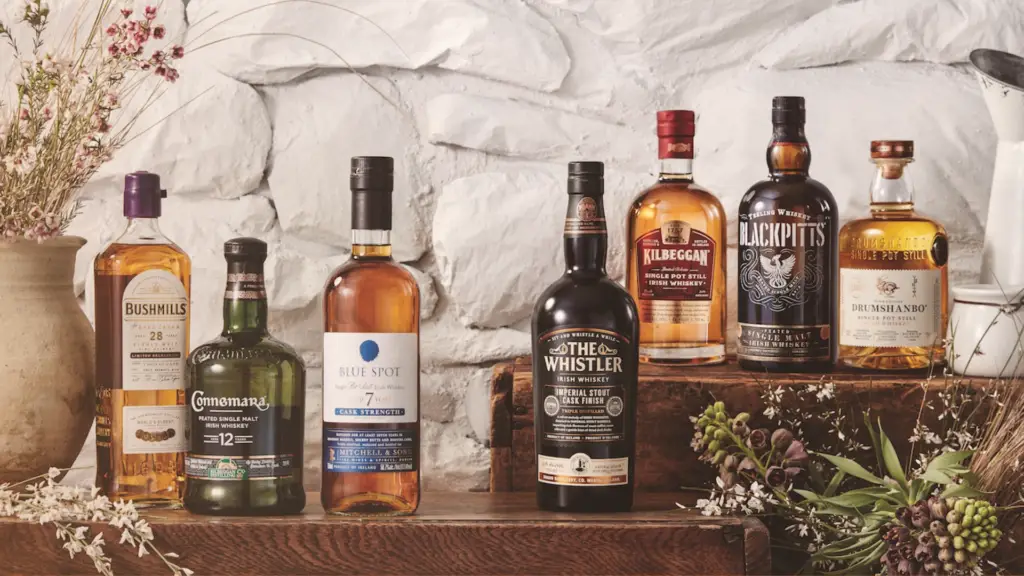
The Revival of Irish Whiskey: How Cooley Distillery Challenged an Industry in Decline
By the late 1980s, Irish whiskey carried a celebrated past but supported very little competition. An industry that had once included dozens of distilleries had contracted to two working production sites controlled by the same company. Historic distilleries had closed, regional distinctions had weakened, and the possibility of establishing an independent Irish whiskey producer appeared […]
June 10, 2026
Distilleries & Producers
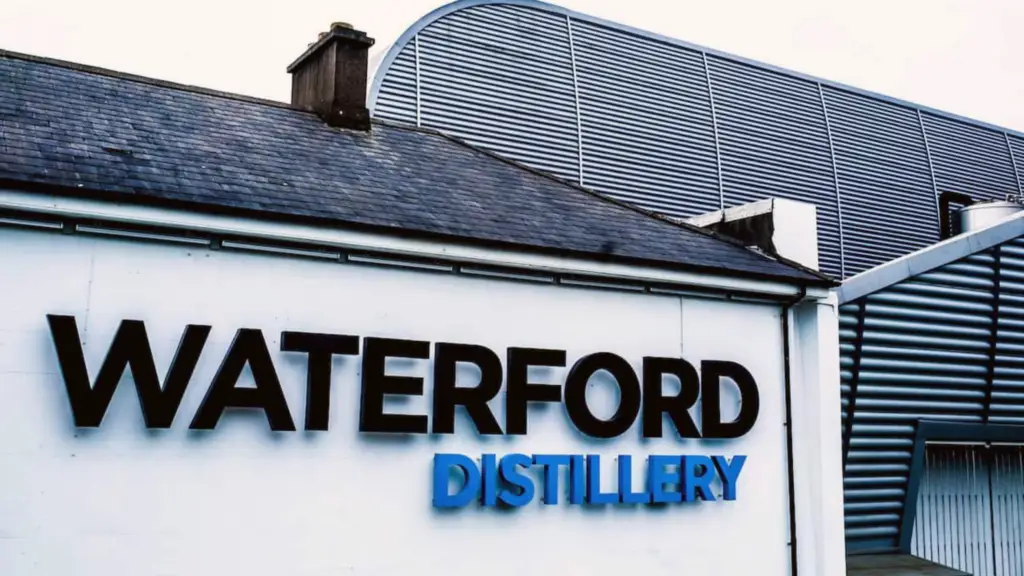
Waterford Distillery Rise and Fall: Barley, Data, and Irish Whiskey Innovation
Whiskey has always been a balance between tradition and innovation. Rarely has this balance been tested as rigorously as at Waterford Distillery. Founded in 2015 by Mark Reynier, former director of Bruichladdich, Waterford sought to redefine Irish whiskey by making terroir, barley provenance, and farm-level traceability central to production. Every batch of whiskey was designed […]
March 7, 2026
Community and Lifestyle
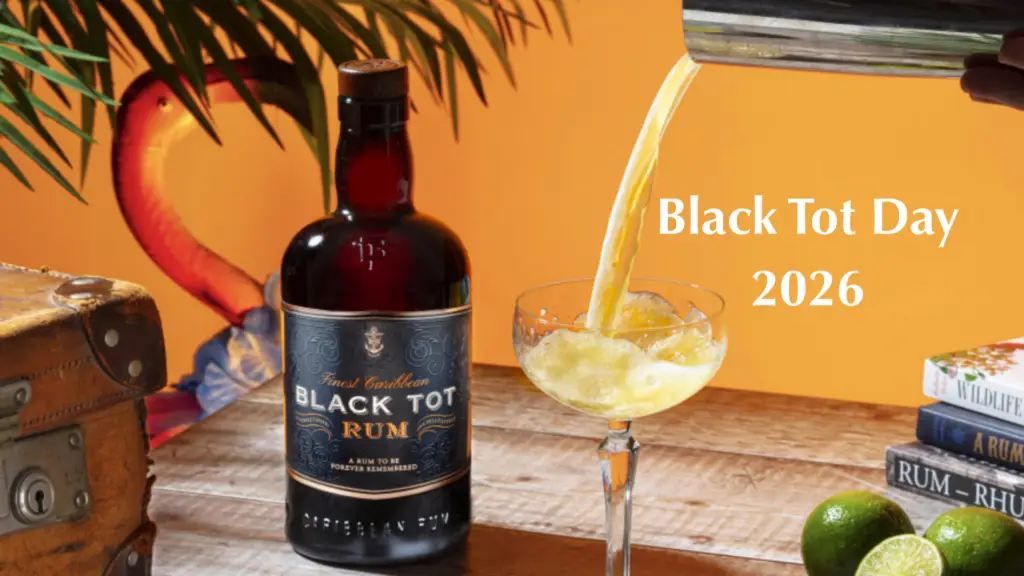
Black Tot Day 2026: Rum, Discipline, and the End of a Royal Navy Tradition
The Black Tot Day rum history begins with a contradiction at the heart of naval life. For centuries, rum was not simply a drink on Royal Navy ships. It was ration, reward, routine, social currency, disciplinary problem, imperial supply chain, and symbol of the lower deck. By the time the final daily tot was issued […]
July 31, 2026