Before the sour became a familiar cocktail category, there was punch. Large bowls of spirits, citrus, sugar, water and other ingredients had been part of drinking culture for centuries, particularly across maritime and colonial trade networks. The sour took some of that structure and reduced it to an individual serving.
By the mid-19th century, the format was becoming recognisable in American bars. The Oxford Companion to Spirits & Cocktails identifies the sour as an American drink of the 1850s, with an early printed reference appearing in the New York Times in 1857. Its essential construction was remarkably straightforward: a base spirit, citrus and a sweetening agent, sometimes accompanied by water or egg white.
That simplicity proved extraordinarily adaptable. Whiskey could replace brandy, rum could replace whiskey, and local spirits could be combined with the same basic relationship between strength, acidity and sweetness. The sour became less a single recipe than a practical framework for building a balanced drink.
This is why its influence extends so far beyond the six cocktails considered here. The sour structure helped establish a method of balancing spirits against fresh acidity and sweetness that remains fundamental to professional bartending.
The Whiskey Sour Establishes the Pattern
The Whiskey Sour provides perhaps the clearest expression of the original American tradition. Early references to whiskey sours appear before the drink became firmly established in nineteenth-century cocktail literature, while the 1862 edition of Jerry Thomas’s The Bar-Tender’s Guide helped place the sour within the emerging professional canon. The Oxford Companion notes an even earlier printed reference from 1826, followed by the drink’s clear establishment in the 1860s.
The basic combination of American whiskey, lemon juice and sugar solved a practical problem as well as a flavour one. Lemon softened the sharper character of whiskey without concealing its identity, while sugar supplied the balance necessary to make the drink approachable.
The formula evolved. Some 19th-century versions contained more water and less citrus, producing a longer drink closer to punch. Later versions became shorter and sharper. Egg white eventually became associated with certain interpretations, while red wine floats produced variations that developed into drinks such as the New York Sour.
The Whiskey Sour therefore represents more than one classic recipe. It demonstrates how a basic sour structure could develop into an entire family of drinks.
The Sour Travels Beyond America
The Daiquiri shows how the sour became an international language.
Its essential combination of white rum, lime and sugar is exceptionally simple, yet its history connects American engineers, Cuban rum production, Havana’s bar culture and some of the most influential drinkers of the twentieth century.
The drink is traditionally associated with Jennings Stockton Cox Jr., an American engineer working near the Cuban settlement of Daiquiri in the 1890s. The historical evidence is more complicated than the familiar creation story, because rum, lime and sugar had already been combined throughout the Caribbean for generations. Cox is better understood as an important figure in the drink’s early documented history than as the unquestionable inventor of the combination.
Its later history was just as important.
At El Floridita in Havana, bartender Constantino Ribalaigua Vert developed sophisticated versions of the Daiquiri and helped transform it into a major cocktail. His frozen versions also demonstrated how new technology could alter the texture and presentation of an established sour. Ernest Hemingway became associated with his own variation, while John F. Kennedy was also known to favour the drink.
The Daiquiri subsequently suffered during the era of commercial sour mixes, artificial flavours and frozen cocktail machines. The modern cocktail revival helped restore its reputation by returning attention to fresh lime, proper dilution and precise proportions.
Today, a well-made Daiquiri is one of the clearest tests of a bartender’s technique because there is nowhere for poor ingredients or inaccurate balance to hide.
The Sidecar Brings Brandy Into the Canon
The Sidecar represents another important stage in the development of the sour. Instead of whiskey or rum, it uses Cognac, combined with triple sec and fresh lemon juice.
Its precise origin remains disputed, with competing claims involving London and Paris and several stories concerning the drink’s name. What is less controversial is its place within the classic cocktail canon. The Sidecar demonstrates how the sour structure could accommodate a richer and more mature spirit while retaining the fundamental relationship between strength, citrus and sweetness.
The International Bartenders Association currently lists the Sidecar with Cognac, triple sec and fresh lemon juice.
The drink also reveals an important historical transition. By the early twentieth century, citrus-based drinks were increasingly being absorbed into the broader category of cocktails. What had once been identified specifically as a sour could now become part of the mainstream cocktail repertoire. The Oxford Companion identifies the Daiquiri and other citrus drinks as important in this transformation.
The Sidecar therefore belongs to both histories: the older sour tradition and the emerging international cocktail culture of the twentieth century.
Six Sours, Six Different Drinking Cultures
The Margarita Takes Tequila Worldwide
The Margarita demonstrates perhaps more clearly than any other sour how a cocktail can influence the international reputation of a spirit.
Its classic structure is tequila, lime juice and triple sec. The IBA currently lists 100% agave tequila, triple sec and freshly squeezed lime juice as its core ingredients, with a half salt rim as an optional garnish.
Its origins are contested. Several creation stories have become attached to the drink, including the famous account involving Margarita Sames in Acapulco in 1948. Earlier documentary evidence, however, complicates any claim that one person definitively invented the Margarita. The Oxford Companion traces a tequila, lime and Cointreau combination to William J. Tarling’s 1937 Café Royal Cocktail Book, where it appeared as the Picador. A 1939 recipe from Charlie Connolly at New York’s Cotton Club also contained tequila, Cointreau and lime, with a salt rim.
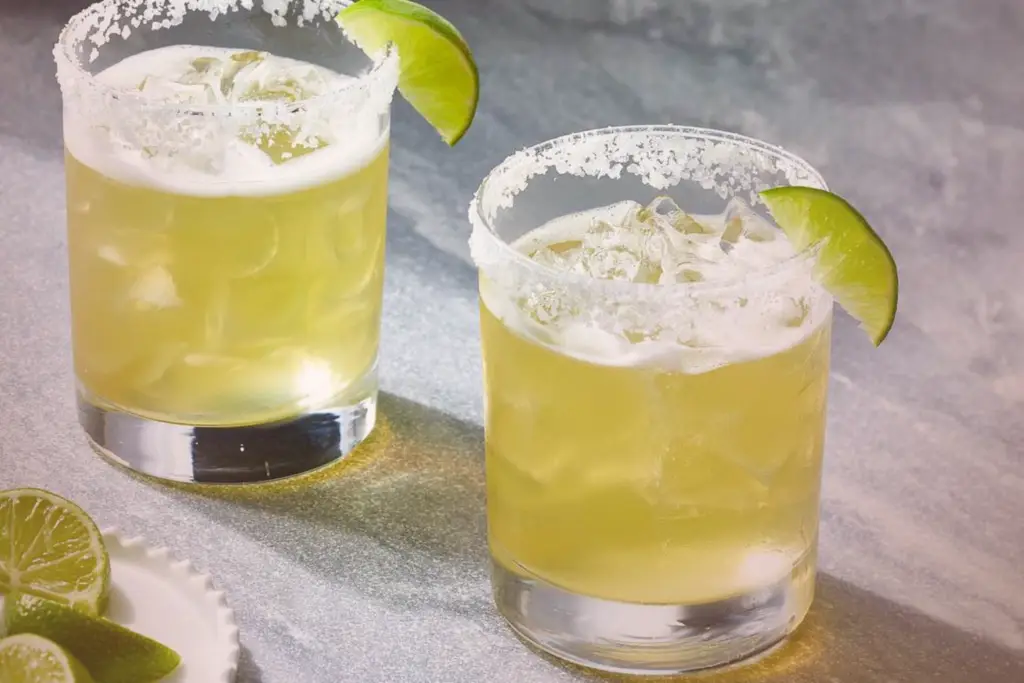
The Margarita’s historical importance lies partly in what happened after those early recipes.
It helped turn tequila from a relatively unfamiliar Mexican spirit into one of the world’s major cocktail bases. Later decades brought frozen Margaritas, commercial mixes and highly flavoured versions, but the cocktail revival also produced a return to 100% agave tequila, fresh citrus and more precise preparation. The Oxford Companion notes that the quality of modern Margaritas has benefited from both better tequila and the return of precision bartending.
The Margarita is therefore both a classic sour and an important chapter in the international history of tequila.
Pisco Sour and the Question of National Identity
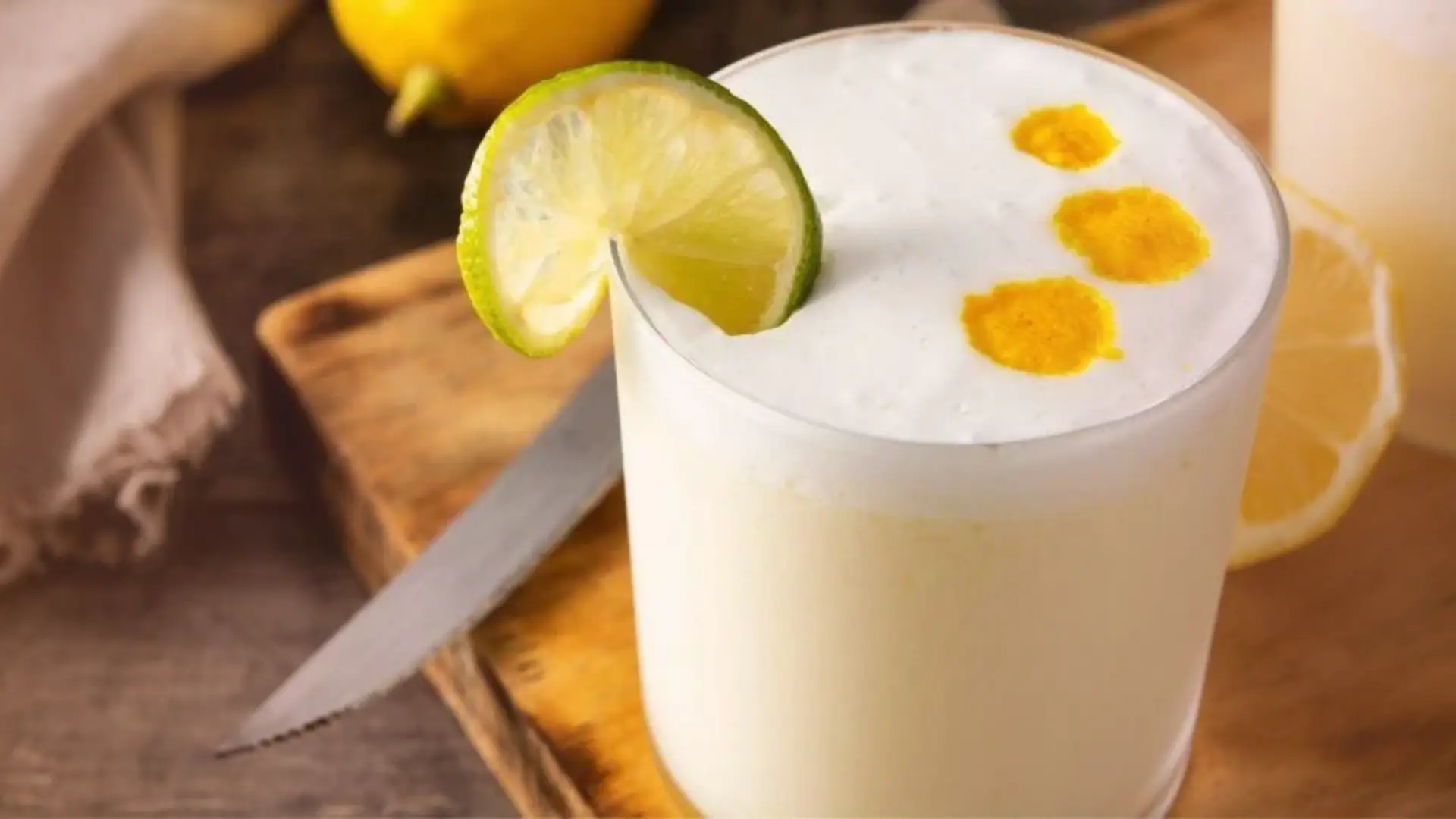
The Pisco Sour takes the sour structure into South America, where the cocktail became closely associated with the identity of Peru and remains part of a broader dispute over the cultural ownership of pisco between Peru and Chile.
The basic drink combines pisco, citrus, sugar and, in the modern Peruvian version, egg white. The IBA‘s current recipe specifies pisco, fresh lemon juice, simple syrup and egg white, finished with aromatic bitters.
The drink’s history is connected to the development of pisco in South America and the international bar culture of the early twentieth century. Victor Morris, an American bartender who operated Morris’s Bar in Lima, is widely associated with the drink’s early development, although later bartenders and Peruvian cocktail culture played important roles in establishing the version recognised today.
The Pisco Sour demonstrates something the Whiskey Sour could not have shown on its own. The sour template does not merely travel geographically. It becomes part of local identity.
Pisco gives the drink its distinctive aromatic character, while egg white adds texture and bitters contribute another layer of aroma. The underlying structure remains familiar, but the ingredients make the drink unmistakably connected to its place.
That combination of universal technique and regional identity is one of the reasons the sour family has endured.
The Gimlet Connects the Bar to the Sea
The Gimlet has one of the most unusual histories among classic sours because its development is closely connected to preserved lime juice and the British merchant navy.
The story begins with the Merchant Shipping Act of 1867, which required British merchant ships to carry lime juice to help prevent scurvy. In the same year, Lauchlan Rose patented a method of preserving lime juice without alcohol. Rose’s Lime Juice Cordial subsequently became widely available and was marketed for use with spirits.
Gin gradually became the spirit most closely associated with the preserved lime.
The name Gimlet appears in print by the early twentieth century, with Harry MacElhone’s Harry’s ABC of Mixing Cocktails helping establish the familiar name and combination. Earlier records also contain related gin and lime drinks, making the exact origin difficult to reduce to a single creator.
The Gimlet later changed considerably. Vodka versions became popular, ratios became drier, and the preserved cordial was sometimes replaced by fresh lime and sugar.
That modern reinterpretation reflects a broader change in bartending. Contemporary bars increasingly prefer fresh citrus and house-made ingredients over industrial mixes. The historical irony is that the Gimlet’s defining ingredient was once a technological solution to the problem of preserving lime, whereas modern bartenders often recreate the drink with fresh fruit.
Why These Six Still Matter in 2026
The sour is not a museum category.
Its underlying structure remains central to contemporary bartending because it gives bartenders an exceptionally flexible framework for balancing spirits, acidity, sweetness and texture. The modern revival of classic cocktails has also restored the importance of fresh citrus and careful technique after decades in which commercial sour mixes and heavily processed ingredients had become common.
That relevance is visible in current bar culture. Contemporary bartenders continue to reinterpret classics rather than simply reproducing them, while current cocktail writing is increasingly interested in ingredient provenance, sustainability, regional flavour and techniques that make better use of raw materials. At the same time, established classics remain important reference points for professional bartenders. The IBA describes its official cocktail list as a reference for professionals and students and notes that many classic drinks continue to return to the spotlight.
The six drinks in this article demonstrate why.
The Whiskey Sour established the American template. The Daiquiri showed how a rum sour could become a Cuban classic and an international benchmark. The Sidecar brought Cognac into the same structure. The Margarita helped make tequila a global cocktail spirit. The Pisco Sour turned a sour into an expression of South American identity. The Gimlet connected naval history, preserved citrus and gin before being transformed again by modern bartenders.
Their recipes are relatively simple. Their histories are not. That contrast is precisely what makes the sour family so important to cocktail culture. A few ingredients can carry stories about maritime trade, colonial agriculture, professional bartending, national identity, industrial food production, spirits history and the modern cocktail revival.
The sour became one of the bar’s most adaptable languages because its structure was simple enough to travel and flexible enough to absorb local ingredients. More than a century after the category emerged in recognisable form, bartenders are still using that same basic relationship between spirit, citrus and sweetness to create drinks that belong to their own time and place.
That may be the most convincing definition of a classic: not a recipe frozen in history, but a structure that continues to give bartenders something useful to work with.
Bar
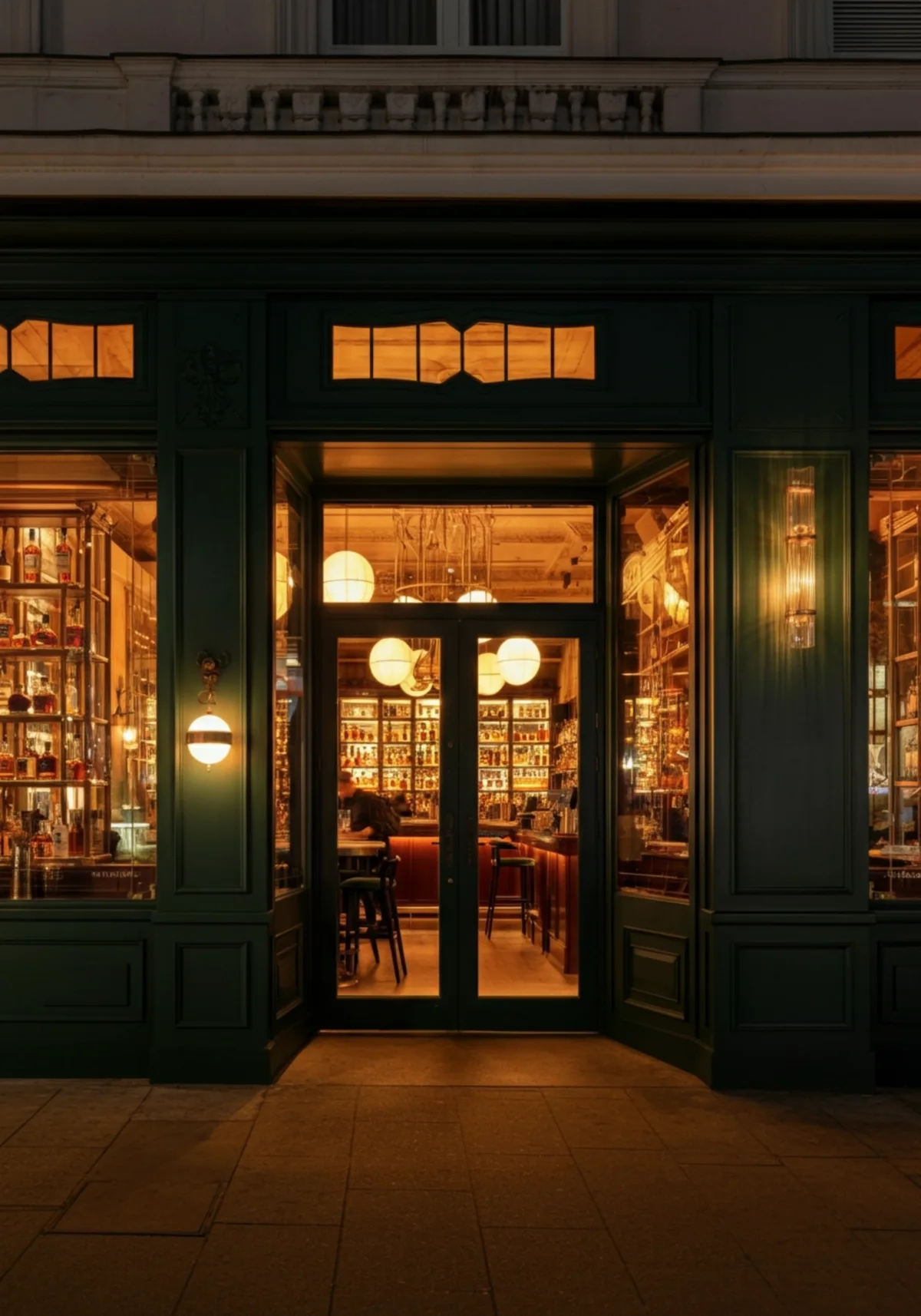
Sidecar is a distinguished two-level artisanal cocktail bar and restaurant nestled within the bustling M Block Market of…
Bar
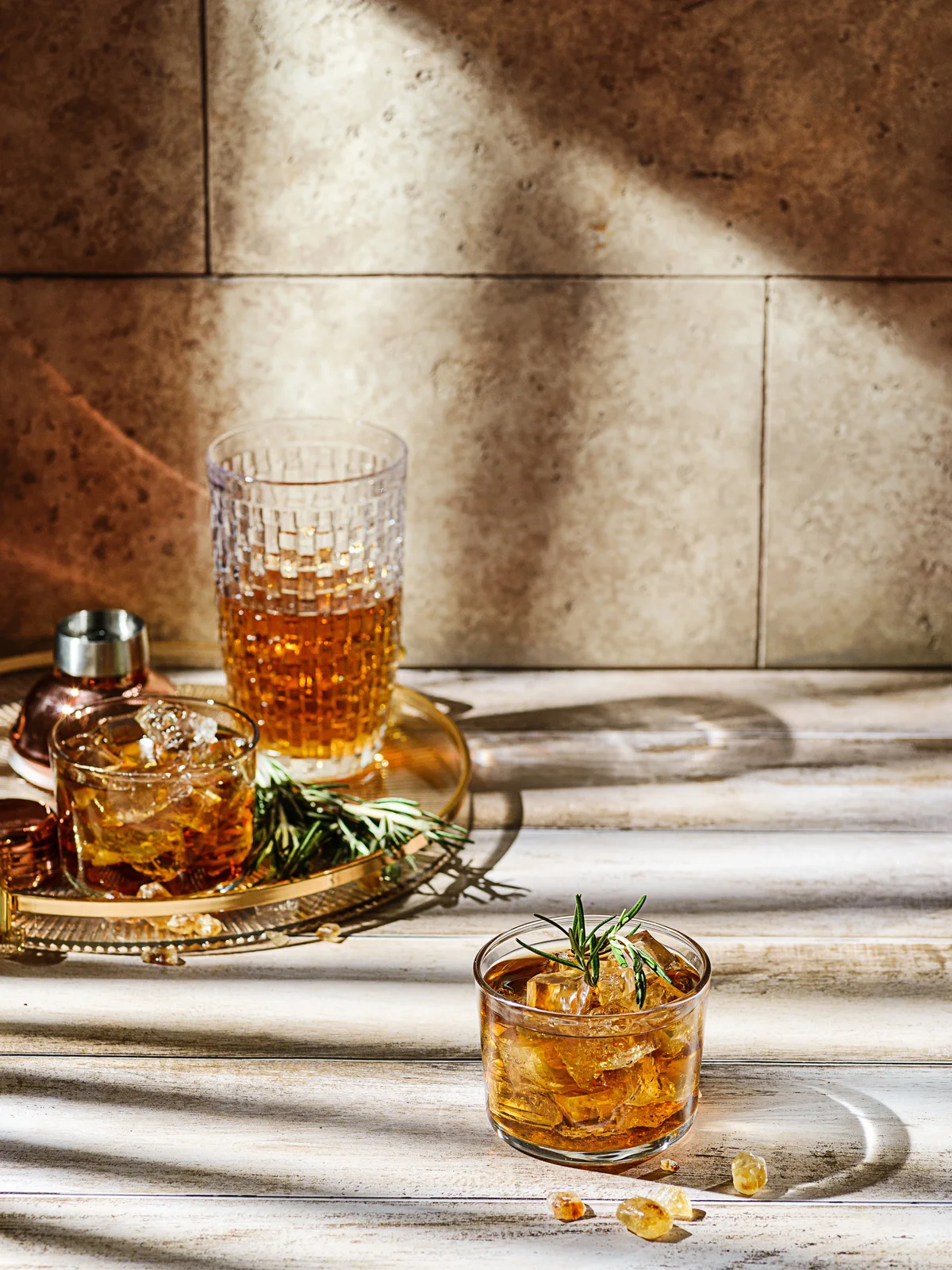
El Floridita, located at 557 Obispo Street in Havana, Cuba, is one of the country’s most iconic bars—celebrated…
Cocktail
The Gimlet is a classic and elegantly simple cocktail, celebrated for its crisp, refreshing flavor and timeless appeal.…
Cocktail
The Daiquiri stands as one of the purest expressions of cocktail craft, celebrated for its elegance, simplicity, and…
Cocktail
The Pisco Sour is one of South America’s most iconic cocktails and a national treasure of both Peru…
Cocktail
The Margarita is one of the most enduring and beloved cocktails in the world, often regarded as the…
Bars and Cocktails
Hospitality and Cocktail Culture: The Foundation of Bartending
A well-made cocktail may earn attention, but hospitality determines the meaning of the exchange. It begins before an order is taken, in the way a guest is acknowledged, understood and given a place within the room. Bartending becomes hospitality when technical skill is directed towards another person rather than displayed for its own sake. Service […]
September 29, 2026
Partnership
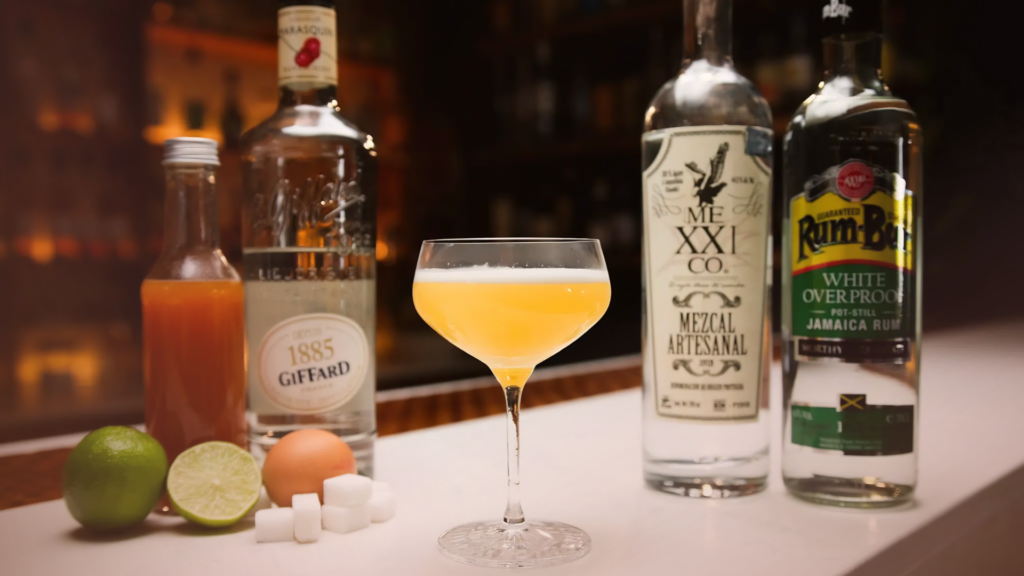
Illegal Cocktail: The Mezcal Cocktail That Reframes the Daiquiri Structure
The Illegal cocktail follows a familiar outline, but the result is distinctly different. Built around mezcal, lime, falernum, maraschino, simple syrup, and a measure of Jamaican overproof rum, it takes the logic of a sour and shifts it into a drier, more aromatic profile. The drink is credited to Italian bartender Samuele Ambrosi, with its […]
September 24, 2026
Partnership
IBA Tiki: Codifying Tropical Structure Within Modern Cocktail Standards
Tiki has never been a single drink, but in this case the name points to one specific modern cocktail. The IBA Tiki is not a broad label for tropical classics such as the Mai Tai or the Zombie. It is a defined drink connected to the International Bartenders Association, Cuban bartending culture, and a recent […]
September 17, 2026