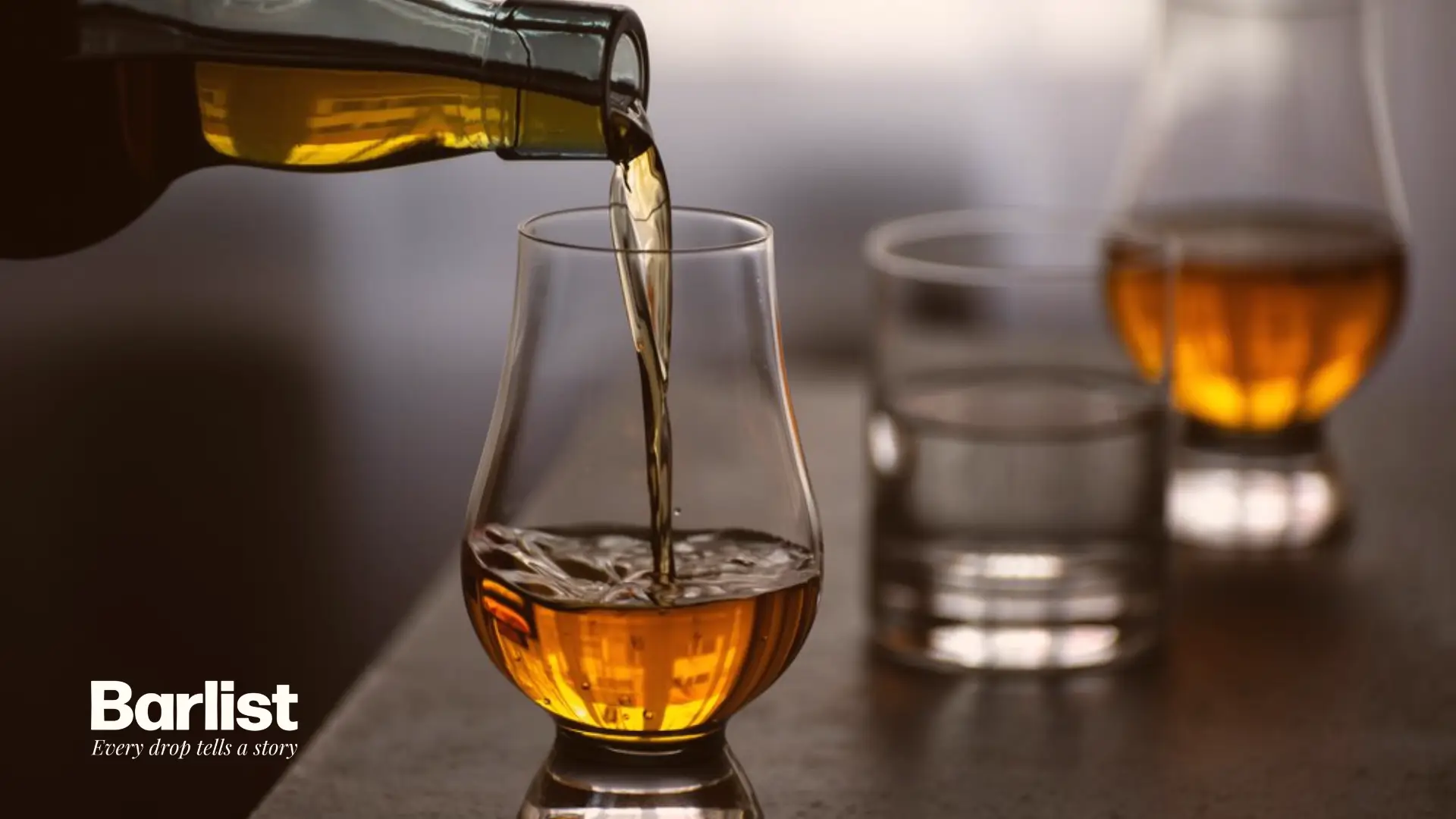
Every bottle of Whisky tells the story of a landscape. From barley fields brushed by coastal wind to rivers that flow through ancient stone, the land itself becomes part of the spirit. The concept of terroir, long recognized in wine since the 1700s, found its way into the world of whisky during the nineteenth century, when Scottish producers began linking flavor to geography. By the 1820s, distillers were already describing regional styles such as Islay, Highland, and Lowland, each shaped by its environment. Two centuries later, this connection between land and flavor has evolved into a defining philosophy for modern distilling.
The Meaning of Terroir in Whisky
The word terroir originates from the French term for land, and its influence on whisky has deepened with time. In whisky production, terroir includes the grain, soil, water, and climate that contribute to flavor before a spirit ever touches oak. During the late 1800s, Scotland’s first official distilling regions were established by excise authorities, helping codify the idea that geography could define identity.
In Speyside, fertile valleys and gentle rain produce whiskies known for fruit and honey tones. On Islay, an island famed for peat-rich soil and maritime air, producers such as Laphroaig and Bowmore, founded in 1815, built reputations around smoky and coastal expressions. Across the world, distillers now recognize that nature is not merely a backdrop but an ingredient in every glass of Whisky.
The Influence of Grain and Soil
Grain has always been the foundation of terroir. Barley, cultivated in Scotland since at least the fifteenth century, absorbs minerals and nutrients from the soil, shaping flavor from the ground up. The Industrial Revolution of the 1800s brought consistency, but it also distanced distillers from their agricultural origins.
In the twenty-first century, producers began reclaiming this connection. Bruichladdich Distillery, reopened in 2001 on Islay, led a movement to highlight single-farm barley production, tracing grain back to specific fields. Waterford Distillery in Ireland, founded in 2015, expanded the idea further, mapping more than 40 farms and cataloging each harvest’s environmental data. This modern approach redefines Whisky as an agricultural expression of soil and season rather than an industrial product.
The Role of Climate in Maturation
Climate shapes the character of whisky as surely as grain or water. During the aging process, casks breathe with the rhythm of their surroundings. In Kentucky, extreme seasonal changes accelerate maturation, giving Bourbon its amber color and caramel sweetness. The distilling boom that began there in the 1780s continues to this day, with more than 11 million barrels now aging across the state.
In the Scottish Highlands, cooler air slows evaporation, creating balance and nuance in long-aged single malts. Japanese distilleries such as Yamazaki, founded in 1923, and Hakushu, established in 1973, rely on distinct mountain climates to achieve subtlety and precision. Farther south, the tropical heat of Taiwan, where Kavalan Distillery began production in 2005, and the warmth of India, home to Amrut Distilleries since 1948, produce whiskies that mature rapidly with remarkable complexity.
Wherever it rests, the cask becomes a silent witness to its climate, capturing temperature, humidity, and air within the spirit it holds.
Water as a Signature of Place
Water defines both fermentation and flavor. In Scotland, distilleries historically established themselves near natural springs and rivers. The River Spey, known since the 1800s for its purity, supports some of the most renowned producers, including Macallan, founded in 1824, and Glenfiddich, established in 1887. The mineral balance of these sources shapes mouthfeel and aroma, creating regional differences that remain unmistakable.
Water filtered through granite or limestone softens the spirit, producing the gentle texture found in Lowland whiskies. Across continents, distillers continue to rely on local water sources to preserve authenticity, proving that purity of place remains essential to character.
The Modern Return to Provenance
Throughout the twentieth century, large-scale blending dominated global whisky trade, often prioritizing consistency over distinction. By the 1950s, industrialization had blurred regional boundaries. In the early 2000s, however, a new generation of distillers began restoring provenance as a core value. Single-estate bottlings, traceable ingredients, and detailed production data brought terroir back into focus.
Today, consumers seek transparency and connection to origin. Each bottle of Whisky now serves as a bridge between past and present — between natural landscape and human craftsmanship.
Where Barlist Meets the Spirit of the Land
For the Barlist community, terroir represents the harmony between nature and technique. Every distillery, from the barley fields of Ireland to the peatlands of Scotland and the mountains of Japan, tells a story shaped by time, temperature, and terrain. Whisky remains the purest expression of geography in liquid form, proof that the essence of a place can be distilled and shared across the world.

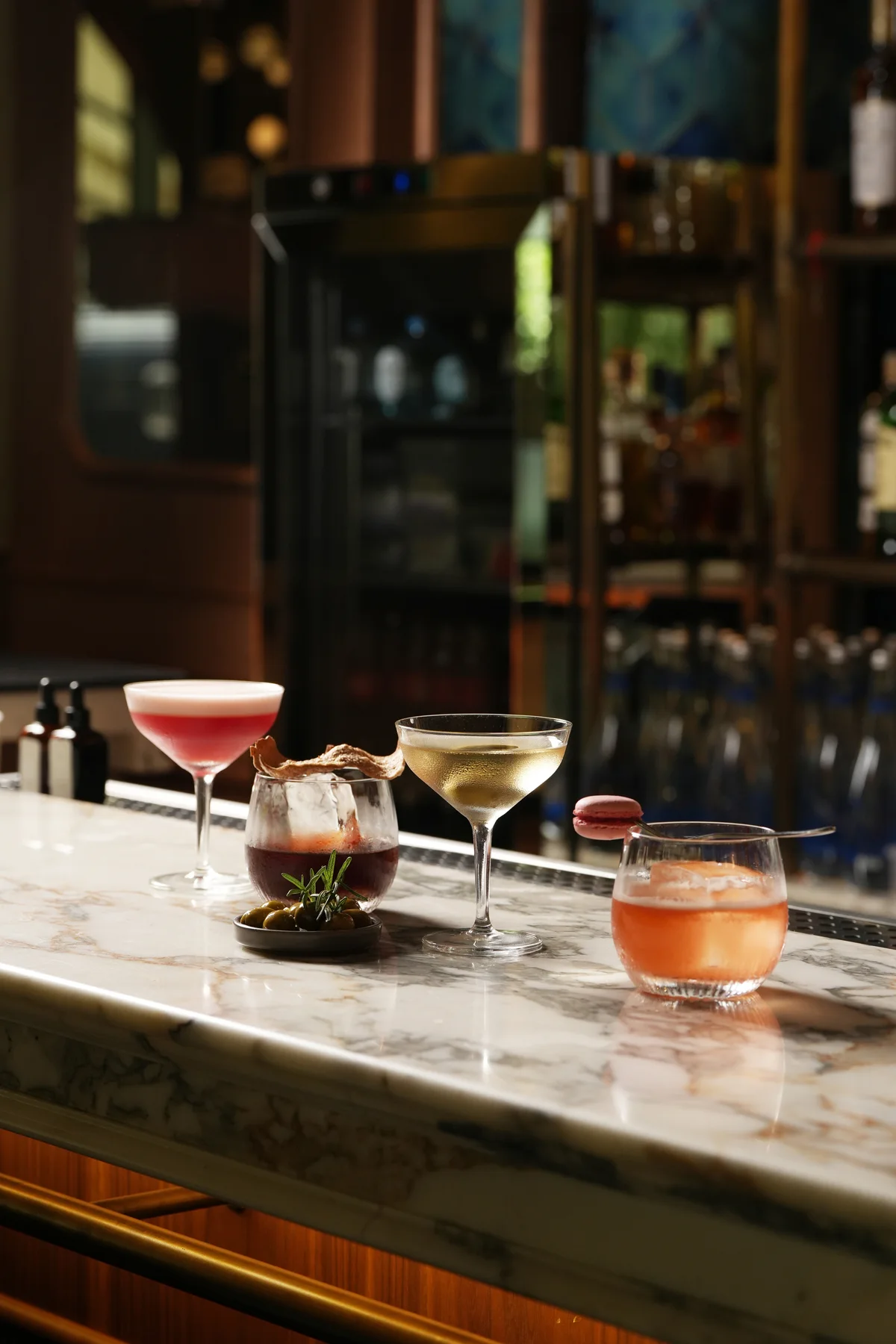
Distillery
Hakushu Distillery, often referred to as the 'mountain forest distillery', is the second malt whisky distillery owned by…
Distillery
Kavalan Distillery, renowned for its premium Taiwanese whisky, is situated in the picturesque Yilan County of Taiwan. Established…
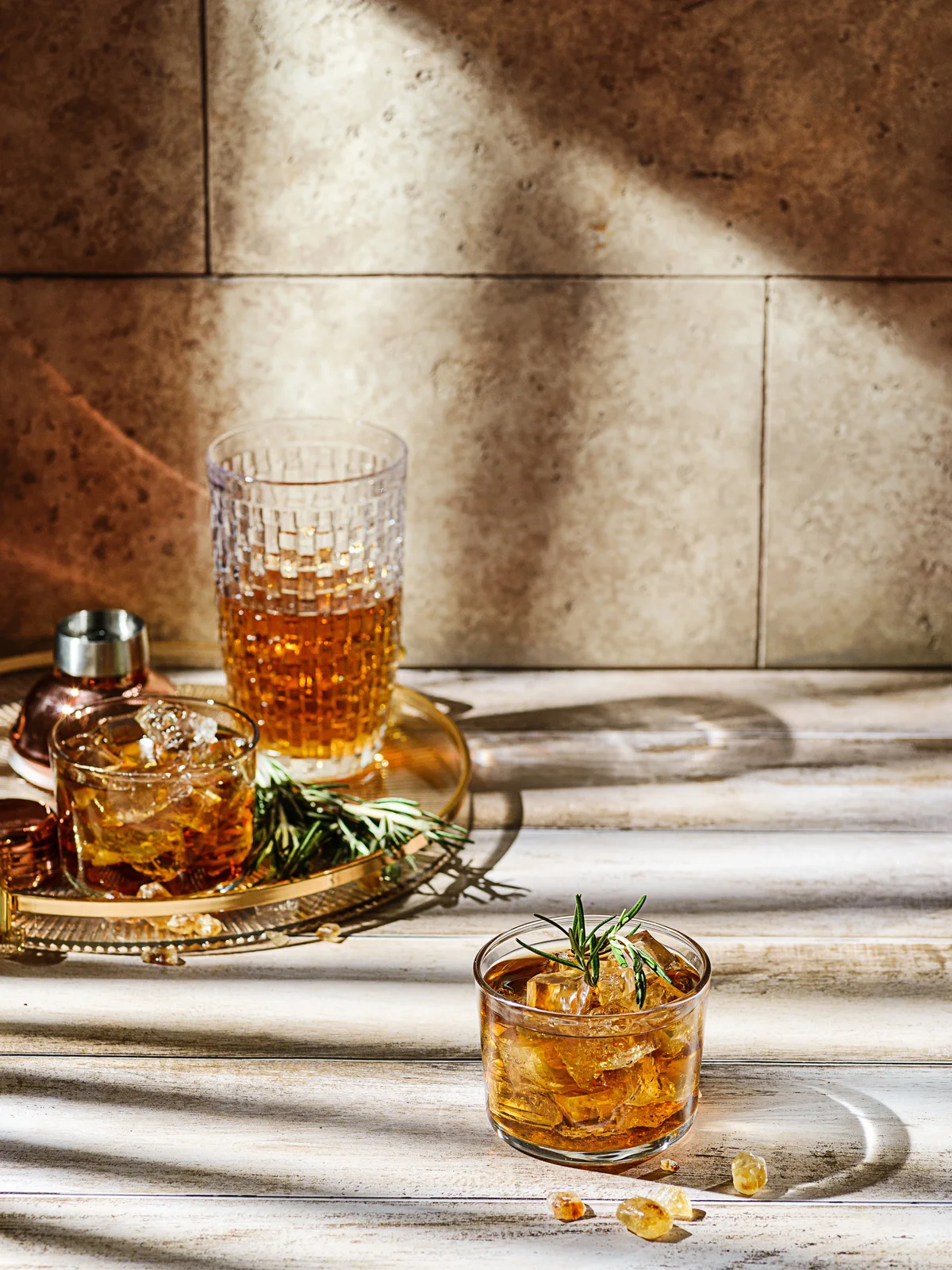
Spirit
The Hakushu Peated Malt 2021 Edition Single Malt Japanese Whisky
The Hakushu Peated Malt 2021 Edition is a distinguished expression from the House of Suntory, representing a meticulous…
History
The Paris Judgement of Spirits: How Japanese Whisky Challenged Scotch Dominance
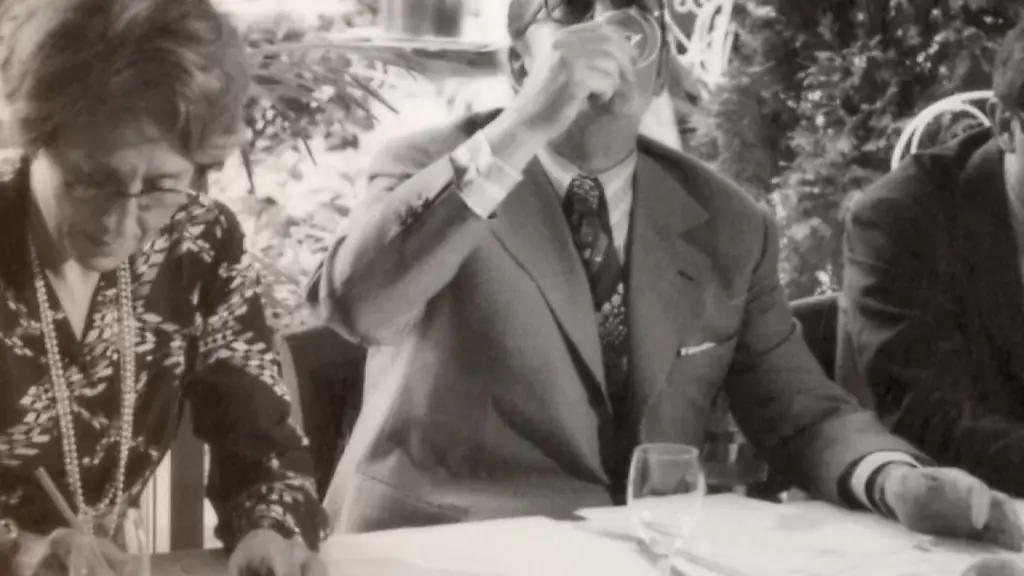
There was no single room in Paris where Japanese whisky defeated Scotch in one decisive afternoon. Unlike the famous 1976 wine tasting that placed California alongside France, whisky’s shift in hierarchy unfolded over several years, through blind tastings, international competitions, specialist publications, and a gradual shift in critical opinion. For much of the 1900s, Scotch whisky […]
June 11, 2026
Features & Updates
Award Winners 2026 and What They Reveal About Spirits
Early 2026 did not produce one dominant style Award Winners 2026: Awards rarely define a category on their own, but they often reveal how it is being judged. In the first months of 2026, results across major competitions showed a consistent pattern. The leading distilleries and spirits were not unified by a single flavour profile […]
May 26, 2026
Trends and Innovations
The Digital Decanter: How Alcohol E-Commerce Redefined Premium Spirits
A decade ago, acquiring a premium bottle of whisky or tequila required physical presence. The process unfolded inside specialist retailers, where access depended on geography, relationships, and availability. That structure has shifted. The rise of alcohol e-commerce has transformed acquisition into a digital experience, using Digital Decanter, where selection, storytelling, and delivery operate within a […]
May 21, 2026