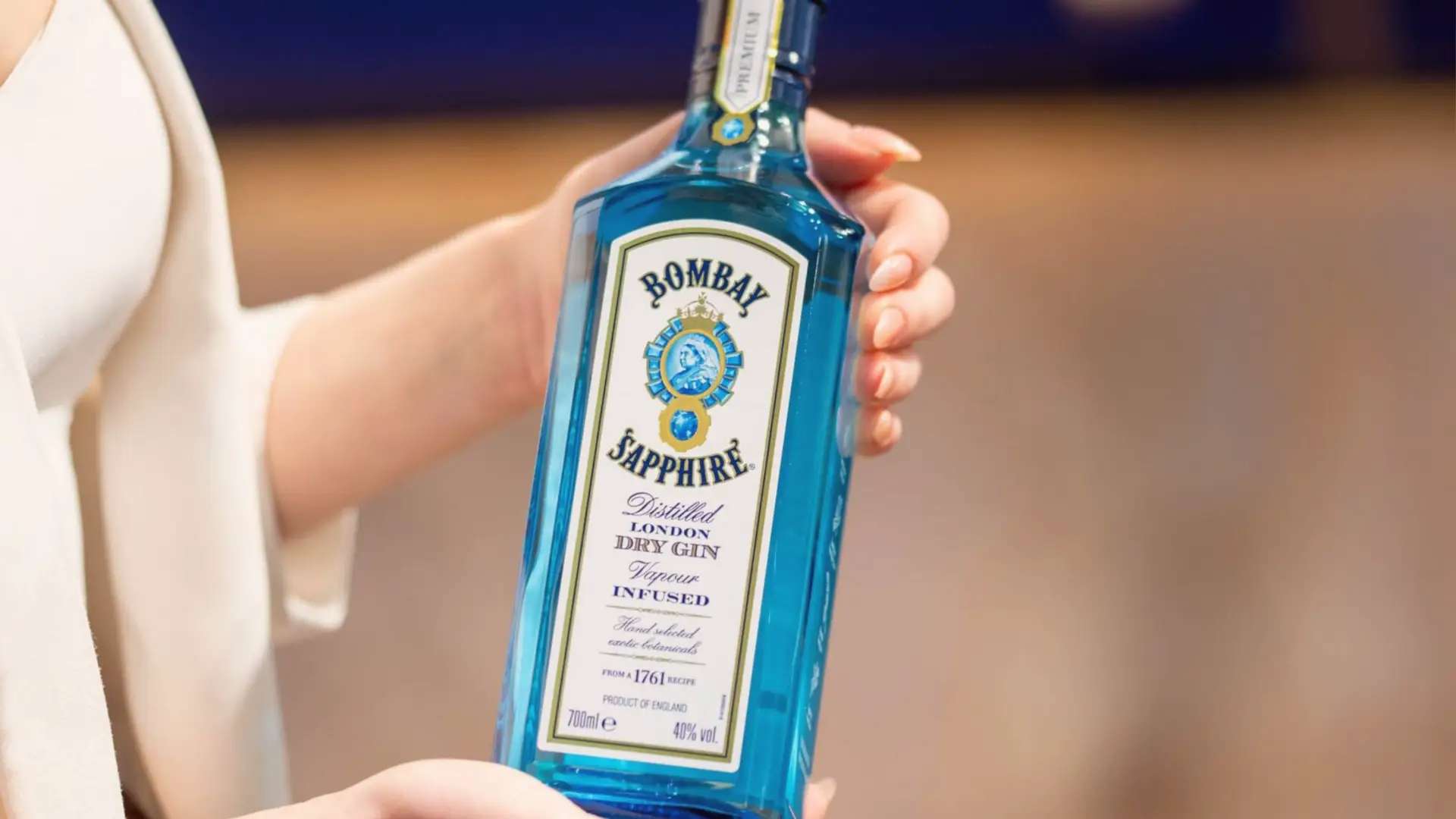
Every gin carries a geography within it. To understand gin is to understand movement, trade, and the quiet exchange of ingredients across continents. What begins as juniper distillation in the Netherlands evolves into a global spirit shaped by empire, medicine, and adaptation.
From Dutch Genever to Global Gin
In the seventeenth century, distillers in the Netherlands produced juniper-based spirits known as Genever. Originally valued for medicinal properties, it was encountered by British soldiers who carried it home under the phrase Dutch courage. When William III of England ascended the English throne and restricted French brandy imports, domestic production surged. England adapted genever into what would become gin, shifting both style and identity.
At the same time, East India Company ships were returning with botanicals from across expanding trade routes. Coriander from the Mediterranean, cassia from China, and cardamom from India entered distillation. Each botanical altered aroma, structure, and balance. Gin was no longer a single recipe. It became a reflection of global access.
Distilleries such as Lucas Bols, with origins dating back to 1575, preserved genever traditions, while London producers like Beefeater Distillery and Tanqueray Distillery refined the London Dry style that came to define modern gin. Expressions such as Bombay Sapphire later expanded botanical complexity, emphasizing vapor infusion techniques and globally sourced ingredients.
The Tonic That Completed the Story
One of gin’s most defining moments did not occur in the still, but in the glass. British officers stationed in colonial India consumed quinine to prevent malaria. Bitter on its own, it was mixed with sugar, soda water, and gin. The result was the Gin and Tonic, a drink born from necessity that became a global standard.
This combination carried more than refreshment. It embodied trade, medicine, and adaptation. Juniper from Europe, quinine from South America, sugar from colonial plantations, and carbonation from industrial innovation converged in a single glass.
At Barlist, gin is not simply a botanical spirit. It is a record of movement. Every ingredient marks a place, every variation reflects a moment in time. What you taste is not just flavor. It is a map, drawn in citrus, spice, and juniper.

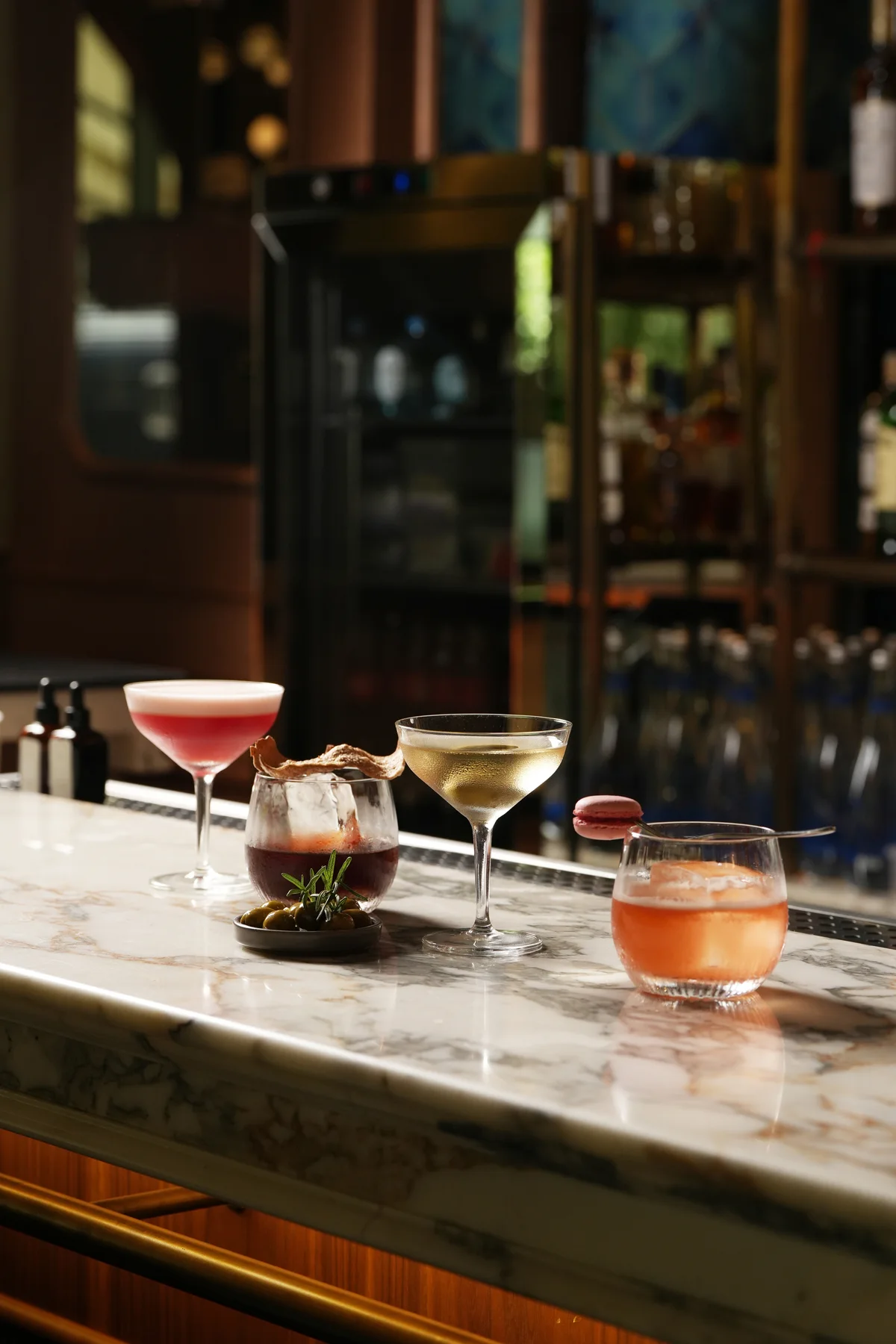
Distillery
Lucas Bols Distillery is a historic establishment in the heart of Amsterdam, renowned as the world's oldest distilled…
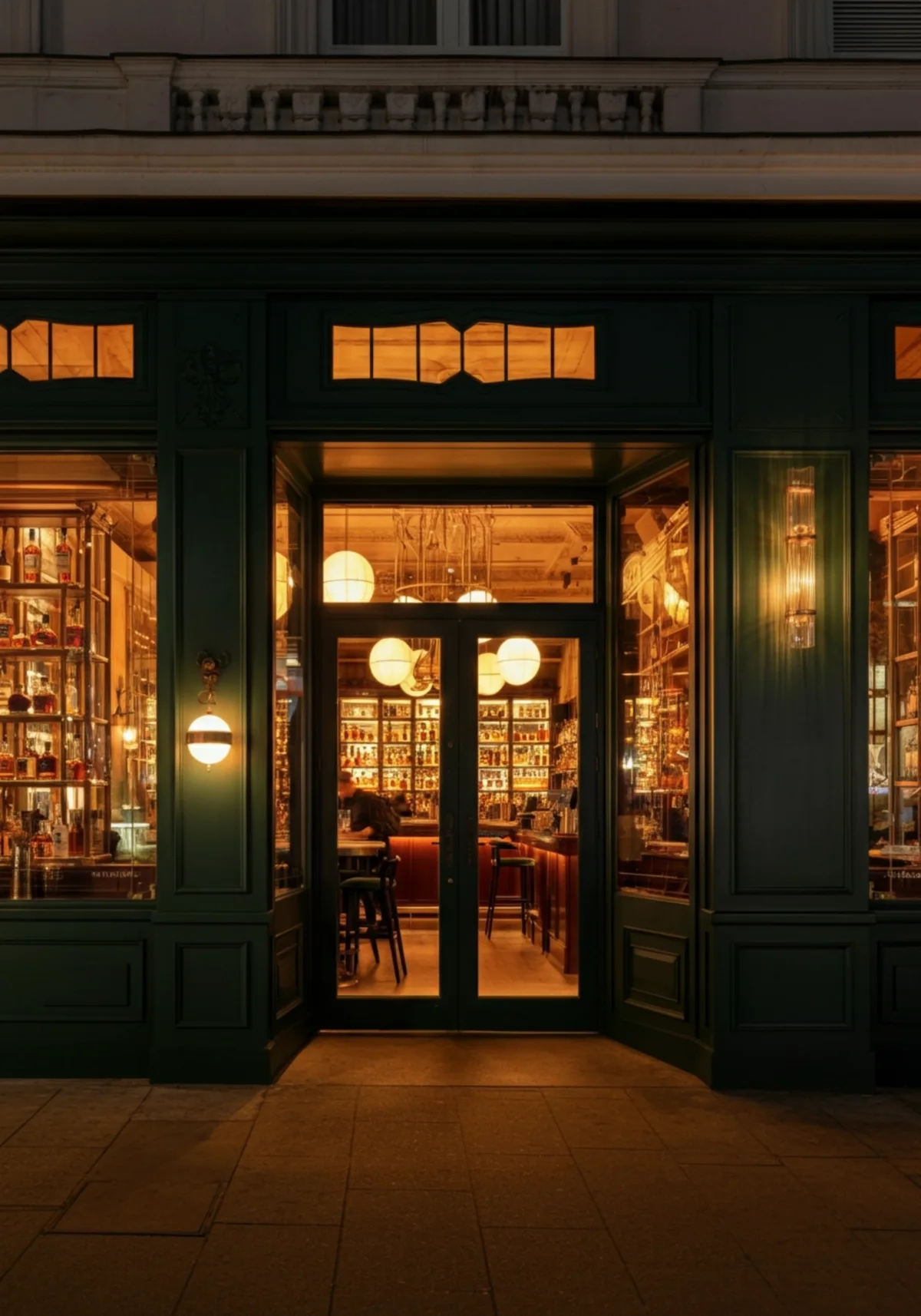
Distillery
The Beefeater Gin Distillery, nestled in the vibrant heart of Kennington, London, is a bastion of distillation tradition…
Distillery
Tanqueray is a revered brand of gin renowned for its robust flavors and artisanal production methods. Founded in…
Spirit
Bombay Sapphire London Dry Gin
Bombay Sapphire Gin is a premier London Dry gin renowned worldwide for its exceptional smoothness, aromatic complexity, and…
Spirit
Patron Limited Edition 7 Anos Tequila Extra Anejo
Patrón Limited Edition 7 Años Tequila Extra Añejo represents a pinnacle of luxury within the tequila category, showcasing…
Spirit
Genever Style Gin is a unique spirit that represents a traditional style rooted deeply in the history of…
Spirit
Connoisseurs Choice Blair Athol 2005 Single Malt Scotch Whisky
Connoisseurs Choice Blair Athol 2005 Single Malt Scotch Whisky is a distinguished release from the Highland region of…
Spirit
Ben Nevis 1966 50 YO Calvados Cask Finish Single Malt Whisky
The Ben Nevis 50 Year Old Calvados Cask Finish Single Malt Whisky is a remarkable expression that showcases…
Spirit
Jameson Cold Brew Irish Whiskey
Jameson Cold Brew is a distinctive spirit that marries the iconic smoothness of Jameson Irish whiskey with the…
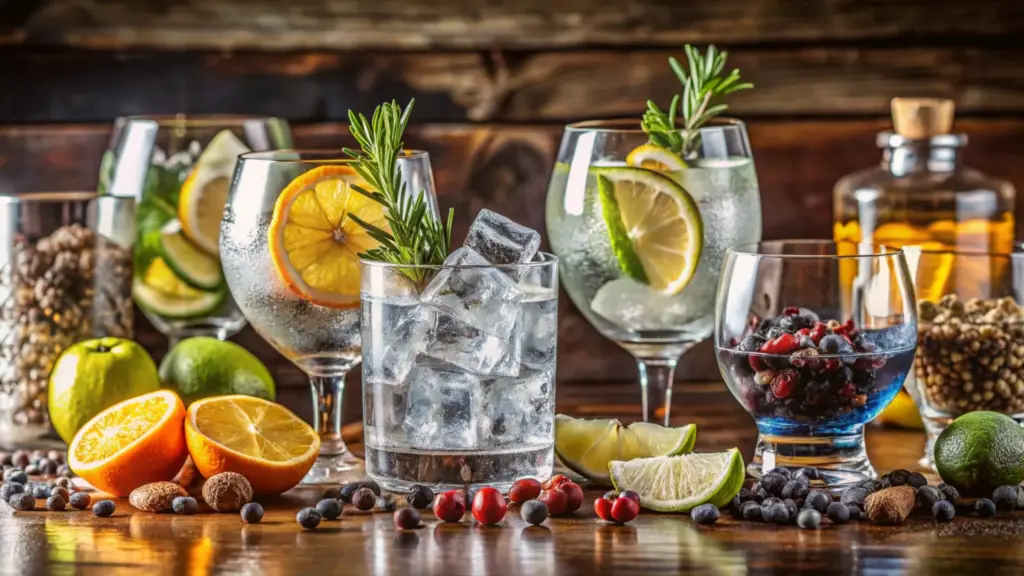
Barlist
Gin as a Global Spirit: Geography, Trade, and the Evolution
Every gin carries a geography within it. To understand the journey of Gin as a Global Spirit is to understand movement, trade, and the quiet exchange of ingredients across continents. What begins as juniper distillation in the Netherlands evolves into a global spirit shaped by empire, medicine, and adaptation. The earliest foundation of gin is […]
April 15, 2026
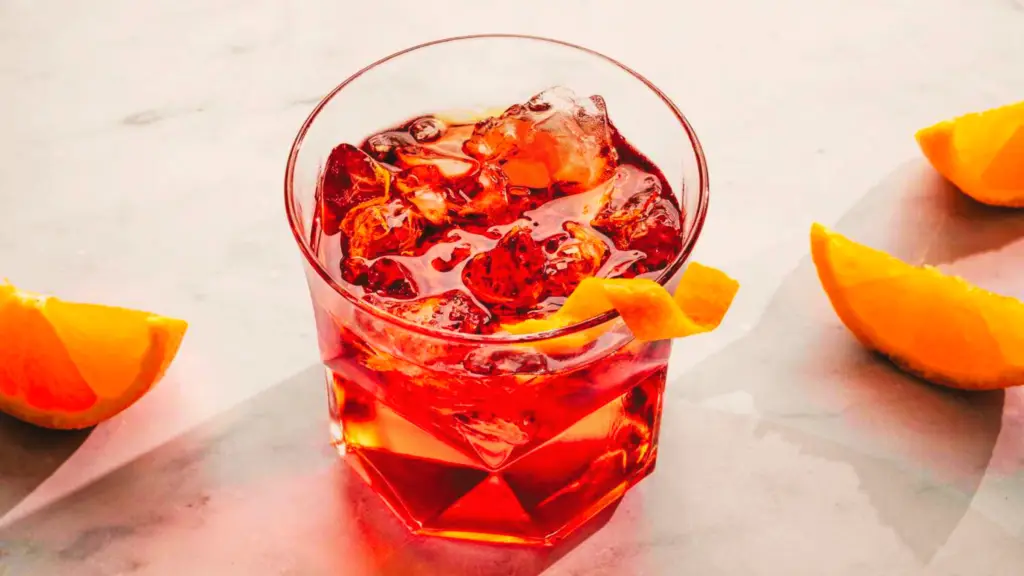
Cocktails
The Negroni: How Three Ingredients Changed Cocktail History
In 1919, inside a café in Florence, a simple request reshaped cocktail history. Count Camillo Negroni asked for something stronger than his usual Americano. Bartender Fosco Scarselli replaced soda water with gin, keeping Campari and sweet vermouth intact. Equal parts. Three ingredients. The Negroni was born. Three Ingredients of The Negroni and Infinite Precision The […]
March 31, 2026
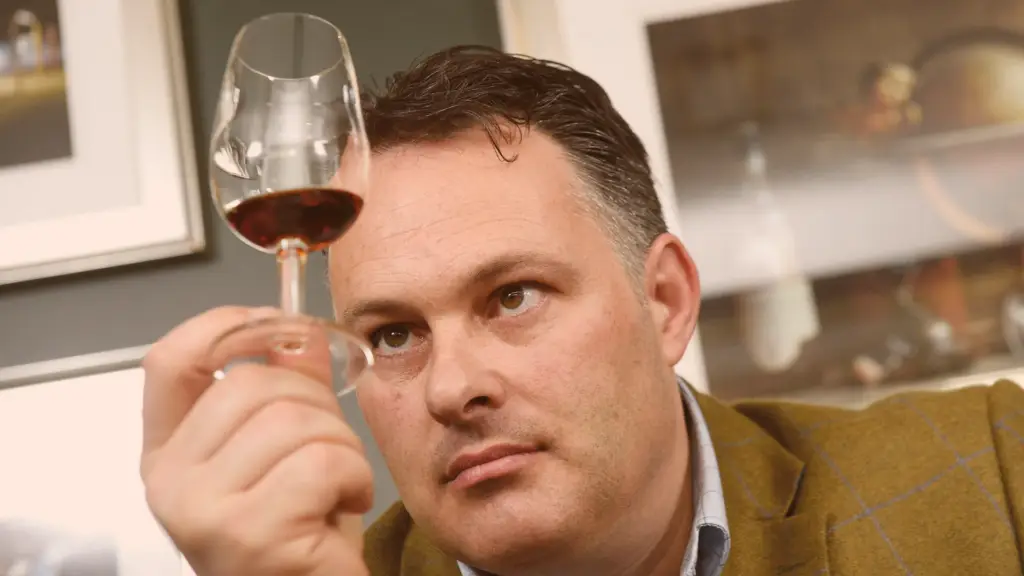
Distilleries & Producers
Master Distiller and the Human Craft Behind Great Spirits
Somewhere between lab precision and inherited sensory memory, the Master Distiller carries the responsibility of turning raw materials into a spirit with a recognizable identity. Modern production can measure temperatures, monitor fermentation curves, and track compliance across borders, yet the final character of whisky, rum, gin, or tequila still depends on human judgment that cannot […]
January 27, 2026