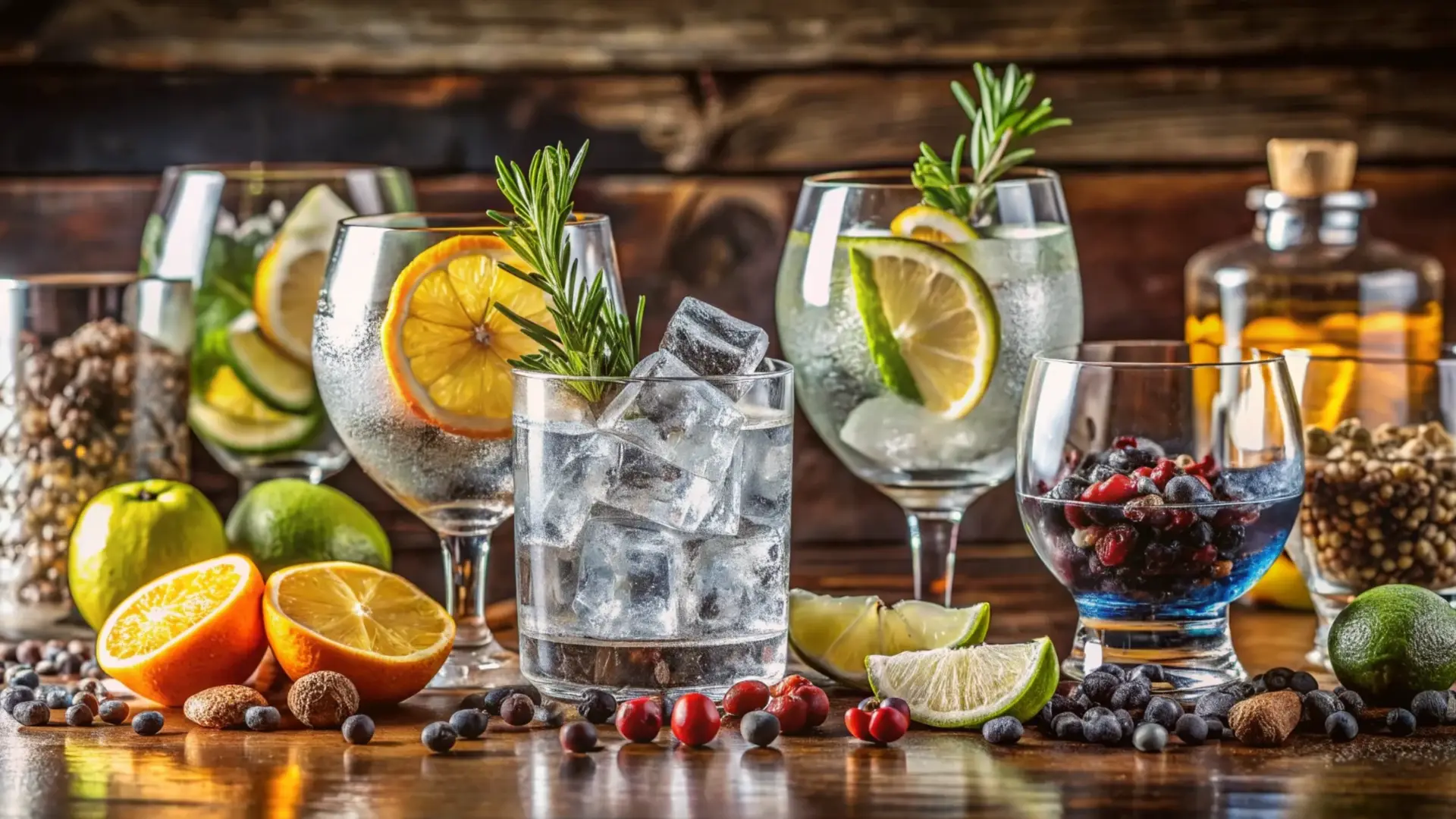
Every gin carries a geography within it. To understand the journey of Gin as a Global Spirit is to understand movement, trade, and the quiet exchange of ingredients across continents. What begins as juniper distillation in the Netherlands evolves into a global spirit shaped by empire, medicine, and adaptation.
The earliest foundation of gin is rooted in the Netherlands, where distillers refined a juniper-based spirit known as genever. Initially developed within a medicinal framework, it was valued for its perceived therapeutic properties rather than recreational use. British soldiers encountered this spirit during military campaigns and brought it back to England under the phrase Dutch courage, a term that would later enter cultural memory.
The transformation accelerated in the late 17th century when William III of England ascended to the English throne and restricted French brandy imports. Domestic spirit production expanded rapidly, and genever began evolving into a distinctly English interpretation. This shift marked the early divergence between Dutch genever traditions and what would become modern gin.
From Genever to London Dry: The Industrial Evolution of Gin
As production developed in England, distillation techniques became more refined and increasingly standardized. Gin gradually moved away from malt-heavy genever bases toward a cleaner spirit focused on neutrality and botanical precision. This transition laid the foundation for what is now recognized as London Dry gin.
By the nineteenth century, distilleries such as Beefeater Gin Distillery and Tanqueray Distillery established production approaches centered on consistent distillation, controlled botanical balance, and a dry structural profile. These producers helped define gin as a category built on technical precision rather than variability.
At the same time, traditional Dutch production was preserved by houses such as Lucas Bols, which maintained continuity with genever’s malt-based origins dating back to the sixteenth century. This created a dual lineage that still defines gin today: Dutch malt spirit tradition on one side, and British industrial refinement on the other.
The Botanical Revolution and Global Trade Routes
Gin’s evolution accelerated as global trade networks expanded. The spirit became a structural vessel for botanical exchange, absorbing ingredients from multiple continents and transforming them into a unified aromatic system.
Coriander from the Mediterranean, cassia from China, angelica root from Northern Europe, and cardamom from India all entered distillation practice. Each botanical altered the spirit’s balance, shaping its aroma, texture, and finish. Over time, gin shifted from a fixed formulation into a flexible framework for global botanical expression.
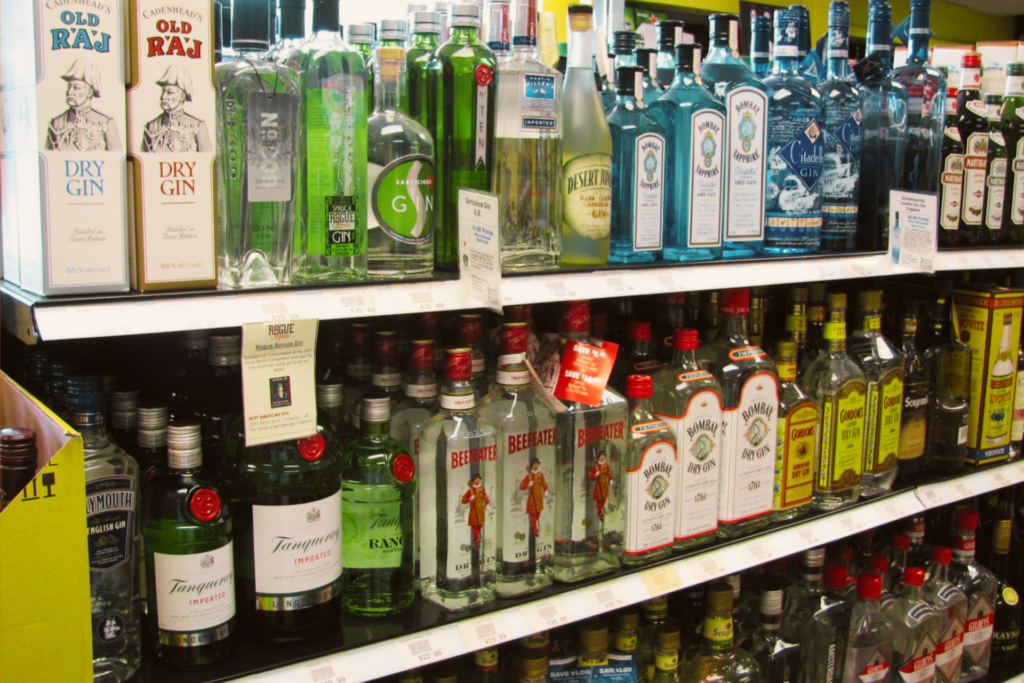
Modern expressions such as Bombay Sapphire further expanded this complexity through vapor infusion techniques. This method extracts delicate aromatic compounds without direct boiling, allowing botanical character to remain lighter, cleaner, and more controlled. It reinforced gin’s identity as a spirit defined by precision layering rather than singular dominance.
Gin as a Global Spirit: Gin and the Colonial Tonic System
One of gin’s most defining historical transformations occurred outside distillation, within colonial medical practice. British officers stationed in India consumed quinine as a preventive against malaria, but its intense bitterness necessitated modification for regular use.
By combining quinine with sugar, soda water, and gin, they created the foundation of the Gin and Tonic. What began as a medical necessity evolved into a global drinking format, embedding gin into everyday culture far beyond its European origins.
This combination reflected layered global systems. Juniper originated in Europe, quinine from South America, sugar from colonial agricultural economies, and carbonation from industrial innovation. The Gin and Tonic thus became one of the clearest examples of global convergence in a single glass.
Contemporary Gin and Structural Continuity
In the modern era, gin continues to evolve while preserving its structural identity. Distilleries now operate with advanced control over distillation cuts, botanical ratios, and infusion techniques. Yet the core principle remains unchanged: gin is a spirit defined by adaptation.
From traditional houses like Beefeater Gin Distillery to globally distributed brands such as Bombay Sapphire, the category continues to balance heritage with innovation. Each expression reflects not only flavor design but also the historical layering of trade, science, and cultural exchange.
Gin today functions as both a technical spirit and a cultural archive. While production methods have modernized, its identity remains rooted in movement across borders and centuries.
Barlist Reflection: Gin as a Map of the World
Gin is not defined simply by juniper or botanical complexity. It is defined by circulation. Every stage of its evolution reflects systems of exchange- medicinal, commercial, and cultural. From Dutch genever stills to London industrial distilleries, from colonial tonic mixtures to modern vapor-infused expressions, gin continues to operate as a record of global interaction.
What you taste is not only a spirit. It is a geography assembled over time, shaped by trade routes, distilling innovation, and historical necessity. In gin, the world is not represented. It is distilled.

Distillery
Lucas Bols Distillery is a historic establishment in the heart of Amsterdam, renowned as the world's oldest distilled…
Distillery
The Beefeater Gin Distillery, nestled in the vibrant heart of Kennington, London, is a bastion of distillation tradition…
Distillery
The Bombay Sapphire Distillery is renowned for its premium gin production, set within the historic Laverstoke Mill located…
Distillery
Tanqueray is a revered brand of gin renowned for its robust flavors and artisanal production methods. Founded in…
Spirit
N°3 London Dry Gin is a pinnacle of traditional gin craftsmanship, created by the esteemed Berry Bros. &…
Distillery
Lucas Bols Distillery is a historic establishment in the heart of Amsterdam, renowned as the world's oldest distilled…
Distillery
The Beefeater Gin Distillery, nestled in the vibrant heart of Kennington, London, is a bastion of distillation tradition…
Distillery
The Bombay Sapphire Distillery is renowned for its premium gin production, set within the historic Laverstoke Mill located…
Distillery
Tanqueray is a revered brand of gin renowned for its robust flavors and artisanal production methods. Founded in…
Spirit
N°3 London Dry Gin is a pinnacle of traditional gin craftsmanship, created by the esteemed Berry Bros. &…
Cocktail of The Week
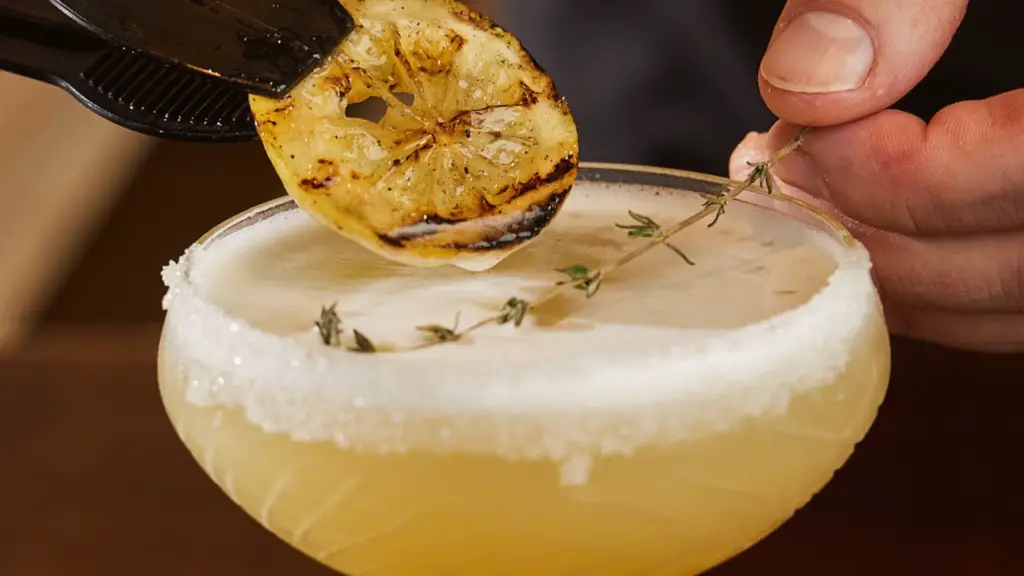
Bee’s Knees: Prohibition Precision, Honey Structure, and the Evolution of a Gin Sour
During the 1920s, under the restrictions of Prohibition, American drinkers and bartenders became used to cocktails that corrected, softened, or disguised rough spirits. Among them, the Bee’s Knees stands out for one reason: it did not disappear when better spirits returned. Instead, it moved beyond its Prohibition association, becoming one of the clearest demonstrations of […]
July 2, 2026
Cocktails
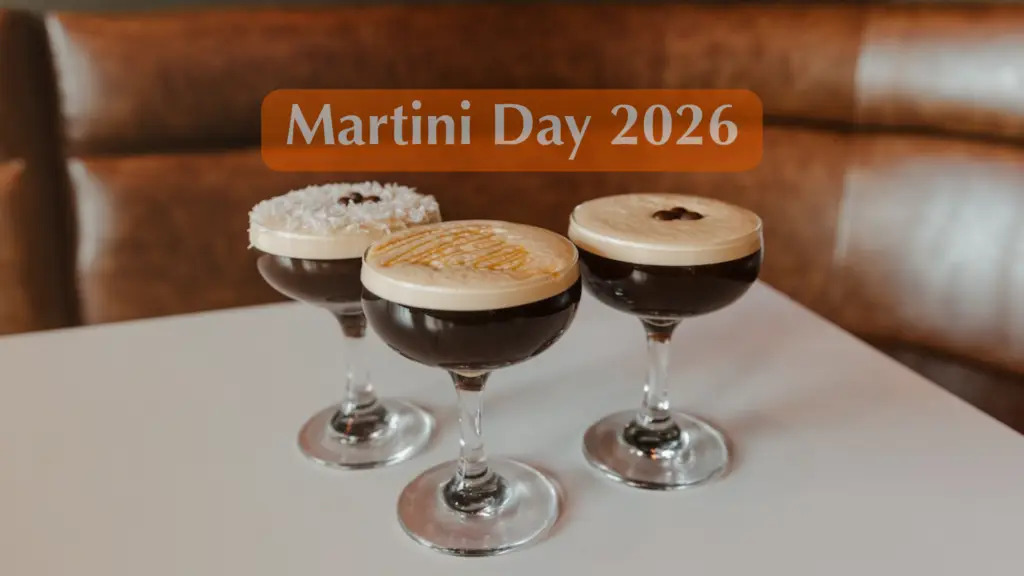
National Martini Day 2026: The History of an International Bar Standard
Observed each year on 19 June, National Martini Day places one of the world’s most recognisable cocktails back at the centre of bar culture. In 2026, the date falls on a Friday. The observance itself has no clearly documented founder or official institutional origin. Still, the Martini carries a history far older and more complex […]
June 19, 2026
Trends and Innovations
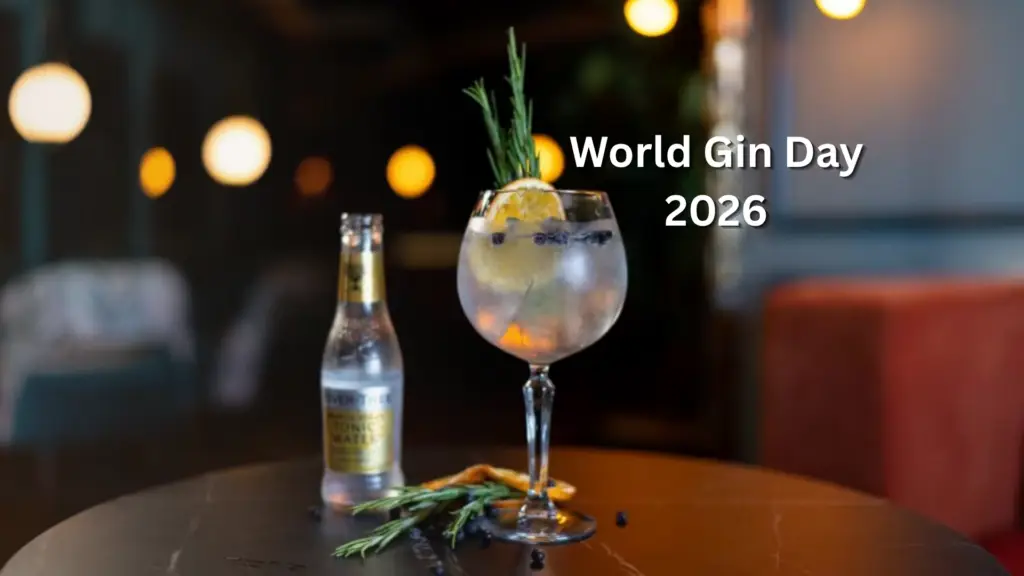
World Gin Day: From a Birmingham Gathering to a Global Record of Juniper
World Gin Day is held on the second Saturday of June. In 2026, it fell on 13 June. The date is modern, but the history gathered around it reaches back through Low Countries distilling, English taxation, 18th-century social crisis, industrial production, cocktail culture, and the international revival of botanical spirits. The event began in Birmingham […]
June 13, 2026