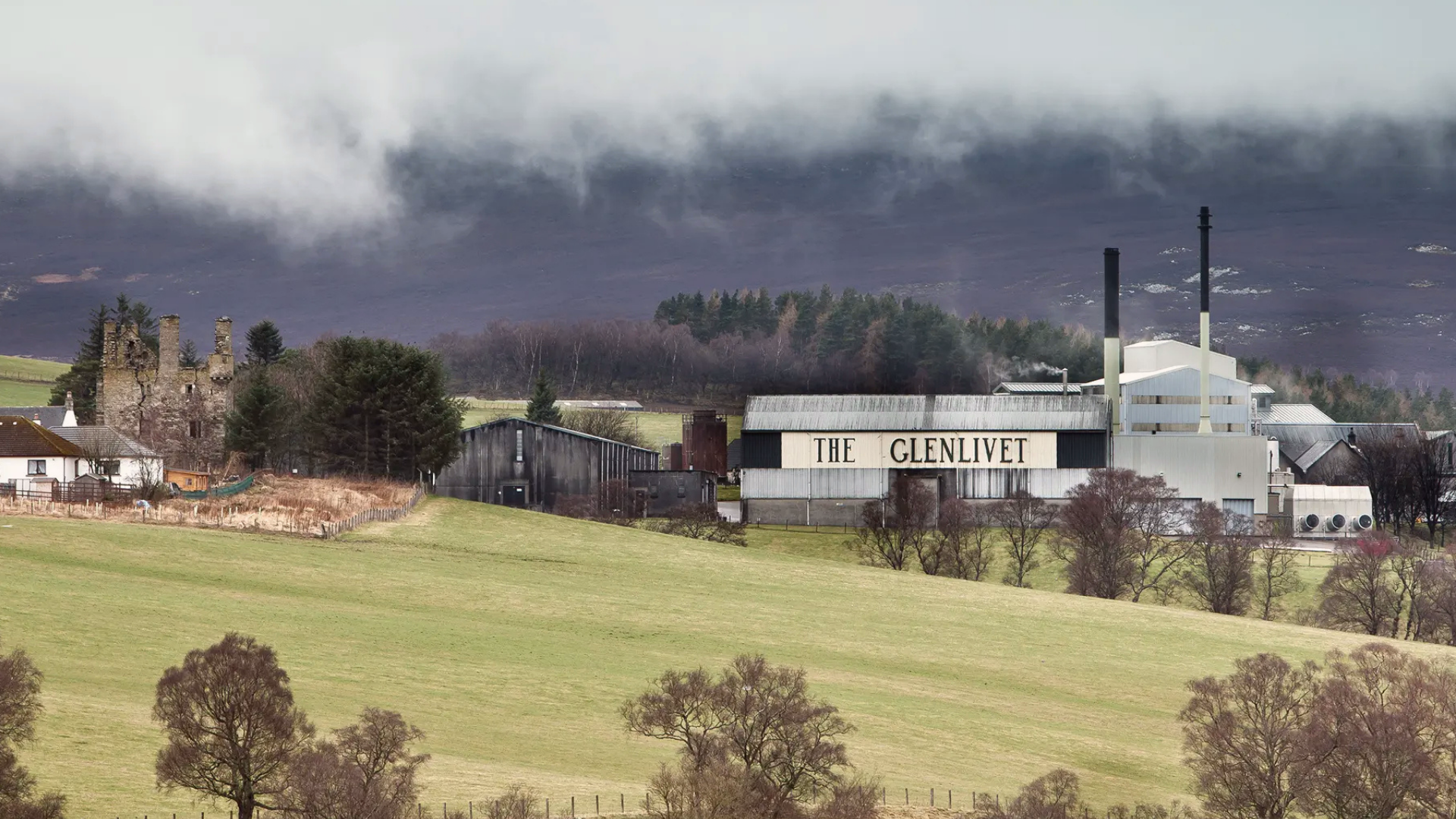
In the early 1800s, the Livet valley already had a reputation for whisky before it had legal certainty. Small Highland stills operated through geography, local protection, taxation pressure, and rural necessity. Whisky from the Glenlivet area was known beyond the valley, but much of the system that produced it remained outside formal law.
The turning point came through legislation and risk. The Excise Act of 1823 changed the economics of legal distilling by making licensed production more practical. In 1824, George Smith took out a licence and established The Glenlivet at Upper Drumin.
That decision did not simply create a distillery. It helped move Highland whisky from hidden production into a regulated structure where place, reputation, and legal identity could begin working together. The Glenlivet became important because it stood at the point where local whisky culture met the modern Scotch whisky industry.
The Livet Valley Before Legal Distilling
Before George Smith’s licence, the Livet valley was already associated with illicit whisky. Its geography made secrecy possible. Hills, glens, farm tracks, water sources, and distance from enforcement centres gave small distillers enough protection to operate outside the law.
This was not unusual in Highland Scotland. Distilling was often part of rural life. Barley could be converted into spirit, stored more easily than grain, and traded in informal markets. For tenant farmers, whisky production could support income in regions where agriculture alone was uncertain. The reputation of Glenlivet whisky was already strong before the name became legally protected. That reputation created the opportunity George Smith would later formalise.
The Excise Act and George Smith’s Decision
The Excise Act of 1823 lowered the cost of legal distilling and created a framework in which licensed production could compete more realistically with illicit whisky. It did not end illegal distilling immediately, but it changed the direction of the industry.
George Smith, a tenant farmer at Upper Drumin, became one of the first Highland distillers to accept that new legal path. In 1824, he obtained a licence and began producing whisky legally in the Glenlivet district.
The decision was controversial. Many illicit distillers hoped the new system would fail. A licensed producer threatened the informal economy that had sustained local whisky production for generations. Historical accounts describe hostility toward Smith after he accepted the licence, with the Duke of Gordon traditionally linked to his support during this period.
Smith’s decision mattered because it turned reputation into structure. Legal production allowed whisky to be made openly, traded more confidently, and defended as a named product.
Upper Drumin and the First Glenlivet System
The original Glenlivet operation at Upper Drumin was not a modern industrial distillery in the latter sense. It was a legal Highland production site built from a local whisky tradition that already existed. What changed was accountability. The licence placed George Smith’s whisky inside a regulated system. Production could now be attached to a specific producer, a specific place, and a specific commercial identity.
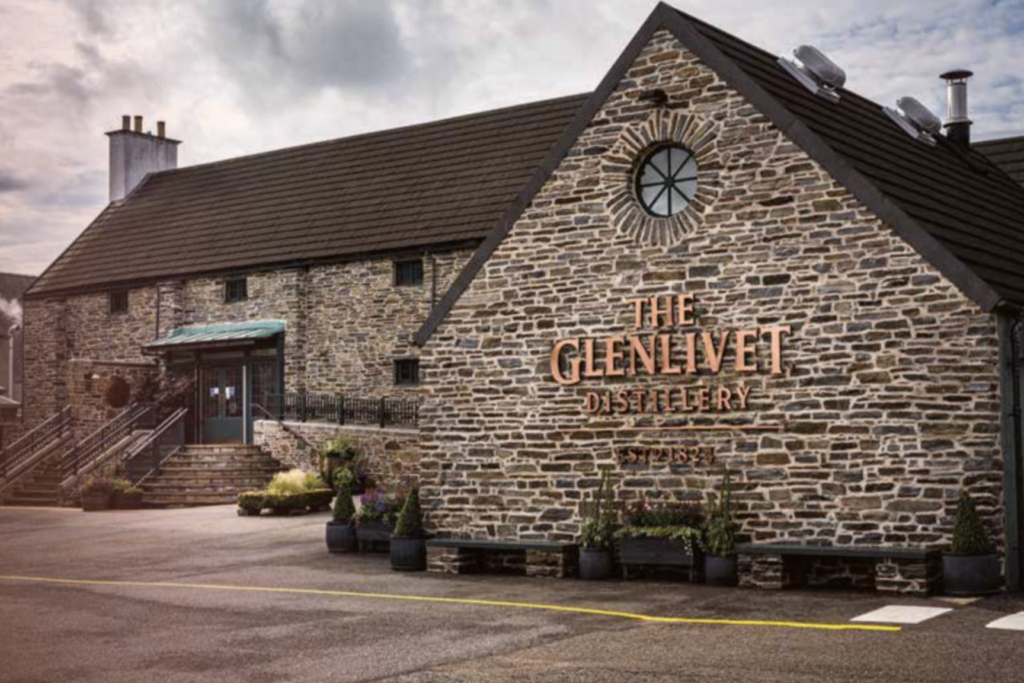
That shift helped distinguish The Glenlivet from the broader Glenlivet reputation. The valley had a name. Smith’s distillery gave that name a legal and commercial centre. By the middle of the 1800s, demand had grown enough to require expansion.
Expansion, Fire, and the Move to Minmore
In 1849, George Smith established a second site, Cairngorm-Delnabo, to help meet rising demand. By the 1850s, operating two separate production sites had become inefficient. Plans were made to consolidate production at a larger site at Minmore, further down the valley.
The transition became urgent in 1858, when the old Upper Drumin distillery was destroyed by fire. Salvageable equipment was moved to the new Minmore site, and production began there in 1859.
This move marked an important stage in The Glenlivet’s development. The distillery was no longer only a licensed response to illicit Highland whisky. It had become a growing production system with expanded capacity, family continuity, and a clearer commercial future.
A Name Worth Defending
George Smith died in 1871, and his son John Gordon Smith inherited the distillery. By then, the reputation of Glenlivet whisky had become valuable enough that other distillers were using the Glenlivet name alongside their own.
This created one of the most important identity disputes in early Scotch whisky branding. John Gordon Smith pursued legal protection for the name, and in 1884, a ruling helped distinguish The Glenlivet from other whiskies using Glenlivet as a geographical suffix.
The outcome did not erase every use of the word Glenlivet by other distilleries, but it protected the definite identity of The Glenlivet as the Smith family’s whisky. The word “The” became more than grammar. It became a marker of legal distinction. This was not an appellation system in the modern sense. It was brand identity protection, built around reputation, place, and producer continuity.
Andrew Usher and the Wider Whisky Market
The Glenlivet’s influence extended beyond its own stills. Andrew Usher of Edinburgh played an important role in bringing Glenlivet whisky into wider commercial circulation during the 1800s. His work connected Highland malt whisky to the emerging world of vatted and blended Scotch.
This mattered because the growth of Scotch whisky did not depend only on single distilleries. It depended on merchants, blenders, agents, transport networks, and consistency. Glenlivet whisky had a reputation for moving through these systems, and its legal status helped strengthen trust. The Glenlivet, therefore, sits at a critical junction in Scotch history. It was both a Highland malt with local identity and a whisky capable of entering broader commercial structures.
The License as a Structural Turning Point
George Smith did not invent Scotch whisky, and The Glenlivet did not create Highland distilling. Its importance lies elsewhere. The licence of 1824 showed that a distillery could move from local reputation into legal production without losing identity. It showed that regulation could support quality rather than destroy it. It also helped establish a model in which Scotch whisky would depend on place, producer identity, commercial protection, and repeatable production.
That is why The Glenlivet remains more than an old distillery. It represents one of the early moments when Scotch whisky began to become a modern industry. The Glenlivet story is not only about George Smith taking out a licence. It is about the transformation of whisky from a hidden practice into a protected identity.
Before 1824, the Livet valley had a reputation. After 1824, that reputation began to operate within law, production structure, and commercial continuity. From Upper Drumin to Minmore, from George Smith to John Gordon Smith, and from local demand to broader Scotch whisky markets, The Glenlivet shows how legitimacy became part of whisky itself.
The license changed more than one distillery. It changed the conditions under which Scotch whisky could become reliable, defensible, and enduring. In that sense, George Smith’s decision remains one of the defining structural moments in Scotch whisky history.


Distillery
The Glenlivet Distillery is an iconic Scottish whisky producer situated in the picturesque region of Speyside, near Ballindalloch…

Spirit
Glenlivet 12 YO Double Oak Single Malt Scotch Whisky
Glenlivet 12 Year Old is a celebrated expression hailing from the Speyside region of Scotland, famed for its…

Spirit
Glenlivet 12 YO Single Malt Scotch Whisky
The Glenlivet 12 Year Old Single Malt Scotch Whisky is a distinguished expression that epitomizes the elegance and…
Spirit
Glenlivet 12 YO Double Oak Single Malt Scotch Whisky
Glenlivet 12 Year Old Double Oak Scotch Whisky is an exemplary representation of Speyside craftsmanship, renowned for its…
Distillery
The Glenlivet Distillery is an iconic Scottish whisky producer situated in the picturesque region of Speyside, near Ballindalloch…
Spirit
Glenlivet 12 YO Double Oak Single Malt Scotch Whisky
Glenlivet 12 Year Old is a celebrated expression hailing from the Speyside region of Scotland, famed for its…
Spirit
Glenlivet 12 YO Single Malt Scotch Whisky
The Glenlivet 12 Year Old Single Malt Scotch Whisky is a distinguished expression that epitomizes the elegance and…
Spirit
Glenlivet 12 YO Double Oak Single Malt Scotch Whisky
Glenlivet 12 Year Old Double Oak Scotch Whisky is an exemplary representation of Speyside craftsmanship, renowned for its…
Distilleries
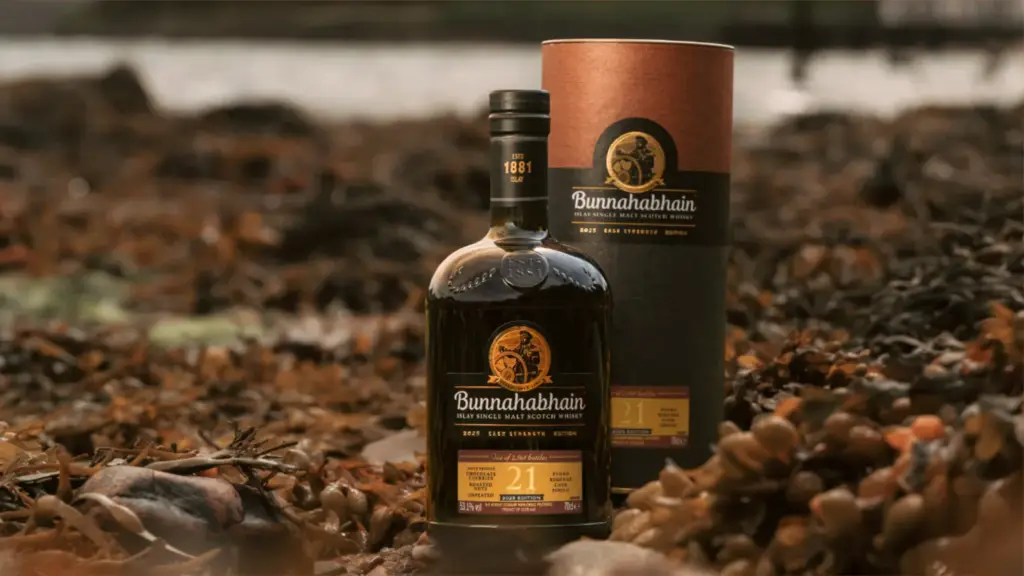
Bunnahabhain: How One Distillery Broke Islay’s Peat Identity
A distillery at the edge of Islay’s map On the northeastern coast of Islay, facing the Sound of Islay toward the Isle of Jura, the landscape shifts. The Atlantic influence is still present, but it arrives differently. The coastline is less exposed than the southern shore where peat smoke dominates the identity of distilleries such […]
April 24, 2026
Barlist
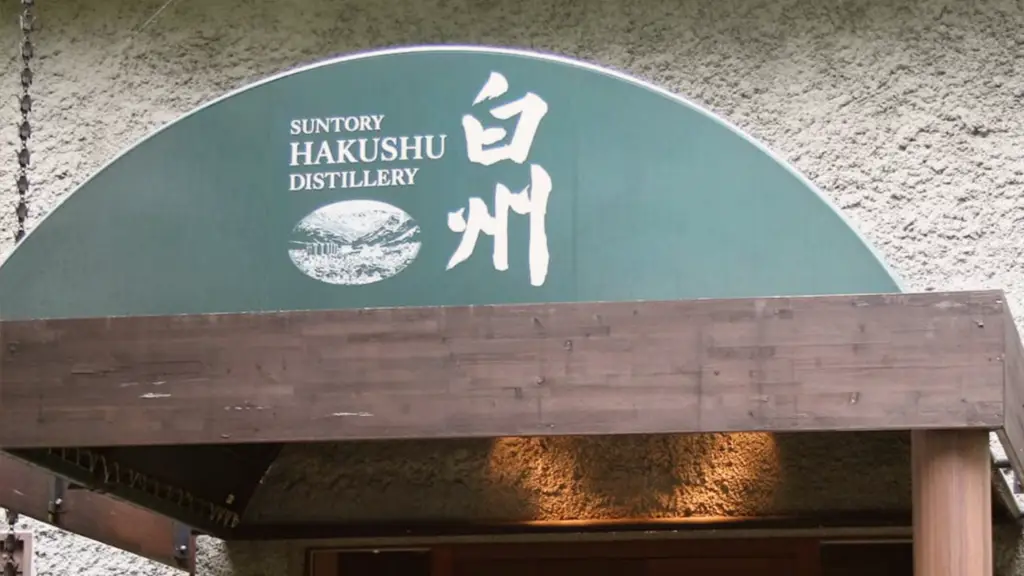
Hakushu Distillery: The Decision to Distil Inside a Forest Rather Than a City
The Southern Japanese Alps do not suggest whisky at first glance. The air is thinner, filtered through dense forest, and the terrain isolates rather than connects. Yet in 1973, Hakushu Distillery was established here under the direction of Keizo Saji, marking a decisive departure from the logic that had shaped earlier whisky production in Japan. […]
April 23, 2026
Discovery and Education
Japanese Sake and the Brewing System That Defines Its Identity
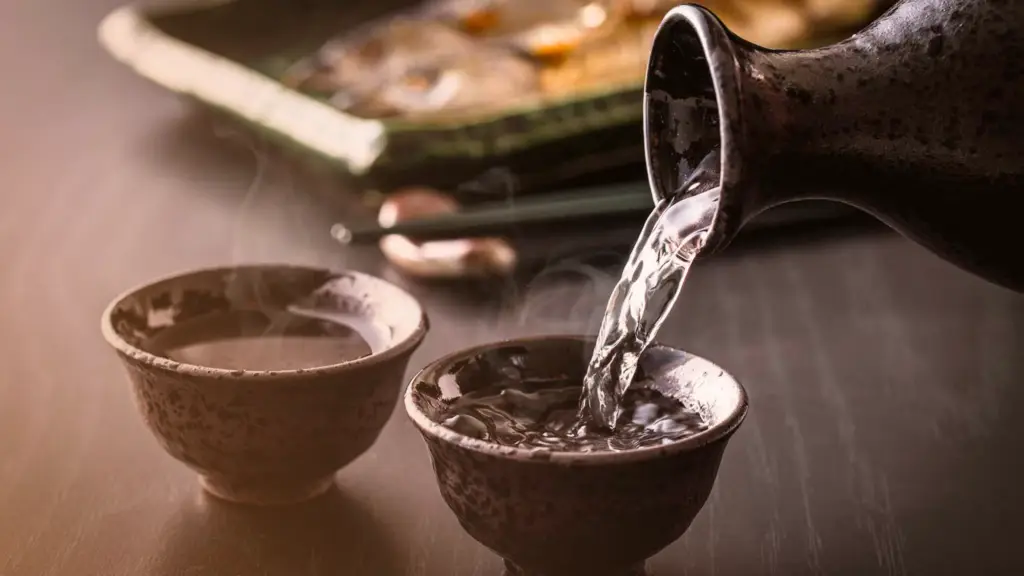
Steam rises inside a kura before dawn, long before fermentation begins. Rice is washed, soaked, and steamed with precision that leaves little margin for error. At this stage, nothing resembles alcohol. Yet every decision made here determines how that alcohol will form. Sake (not the Japanese Sake) does not begin with fermentation alone. It begins […]
April 20, 2026