Sugarcane appears uncomplicated. A tall grass cultivated in heat and humidity, its juice is sweet and immediate. Yet from this single plant emerged three distinct spirits shaped by colonial systems, agricultural discipline, and global trade. Cachaça vs rhum agricole vs rum is not a superficial comparison of flavor. It is a study in control, geography, and historical consequence.
From Brazil’s engenhos to the volcanic slopes of Martinique and the maritime distilleries of Barbados, the same cane gave rise to different philosophies. The divergence begins at harvest and extends through fermentation, distillation, regulation, and aging. To understand cachaça, rhum agricole, and rum is to examine how culture transforms agriculture.
Cane Juice or Molasses
The primary distinction among cachaça, rhum agricole, and rum lies in the handling of raw materials.
Cachaça is distilled exclusively in Brazil from fresh sugarcane juice. The cane is crushed shortly after harvest, fermented rapidly, and distilled in pot or column stills. Brazilian law recognizes cachaça as a protected national category, legally distinct from rum. Historic producers such as Ypióca demonstrate industrial longevity, while estates like Avuá Cachaça and Leblon Cachaça reflect contemporary craft expression.
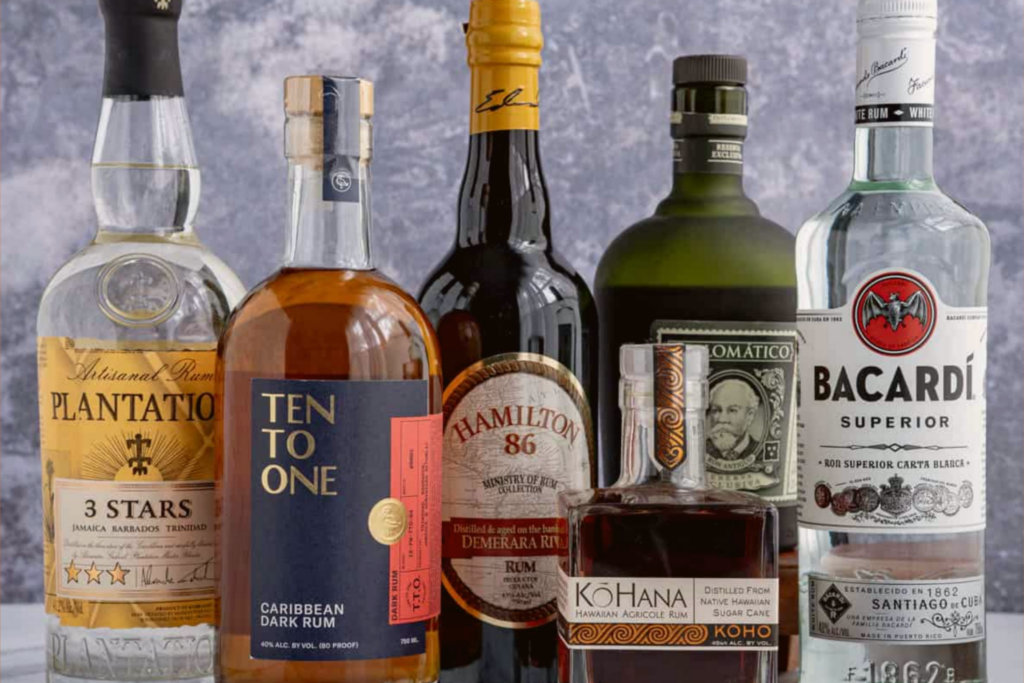
Rhum agricole is also distilled from fresh cane juice, but primarily within the French Caribbean. In Martinique, production operates under the Appellation d’Origine Contrôlée status granted in 1996, which regulates cane varieties, harvest methods, fermentation timelines, distillation strength, and aging terminology. Producers such as Rhum Clément and Neisson anchor agricole in estate agriculture and defined terroir.
Rum, by contrast, is most commonly produced from molasses, the residual syrup left after sugar crystallization. Molasses fermentation yields deeper caramelized profiles and allowed rum production to scale wherever sugar refining existed. Mount Gay illustrates how molasses-based rum became embedded in Atlantic commerce.
In cachaça vs rhum agricole vs rum, fresh juice versus molasses is the foundational technical divide.
Colonial Resistance, Agricultural Regulation, and Maritime Trade
Technical difference alone does not explain identity. The deeper distinction in cachaça vs rhum agricole vs rum is political.
Cachaça emerged in sixteenth-century Brazil within Portuguese sugar plantations. Frequently banned by colonial authorities to protect imported brandy markets, it evolved into a symbol of autonomy. By the eighteenth century, it was associated with movements such as the Inconfidência Mineira. What began as a plantation byproduct became a national emblem. Cachaça reflects resistance rooted in the land.
Rhum agricole developed in the nineteenth century as Caribbean sugar economies faced decline. Rather than exporting raw sugar alone, French territories pivoted to cane-juice distillation. Agricole was codified, classified, and regulated. Where cachaça expressed independence, agricole expressed agricultural discipline under the French legal structure.
Rum expanded along Atlantic trade routes during the seventeenth and eighteenth centuries. Molasses-based distillation converted sugar waste into a commodity. Rum fueled naval rations, trade systems, and colonial economies. If cachaça represents resistance and agricole represents terroir, rum represents movement and adaptation.
Understanding cachaça vs rhum agricole vs rum, therefore, requires examining who controlled land, labor, and distribution.
What the Glass Reveals in Cachaça vs Rhum Agricole vs Rum
Despite common botanical origin, cachaça vs rhum agricole vs rum diverge clearly in sensory architecture.
Cachaça often presents bright cane aromatics, green apple, herbal grassiness, and occasional earthy funk. When aged, it may mature in oak or in native Brazilian woods such as amburana or bálsamo, contributing resinous spice and distinctive aromatic lift.
Rhum agricole typically displays fresh cane aroma, citrus peel, white pepper, and mineral dryness. Its structure is linear and defined. Under the Martinique AOC, aging terms such as VSOP and XO parallel brandy classification systems, reinforcing agricultural precision.
Molasses-based rum frequently reveals caramel, brown sugar, banana, baking spice, and vanilla. Tropical aging accelerates wood interaction, creating bold extraction within shorter chronological periods.
The divergence in cachaça vs rhum agricole vs rum is structural rather than cosmetic.
Aging Philosophy in Cachaça vs Rhum Agricole vs Rum
Aging traditions further distinguish cachaça, rhum agricole vs rum.
Cachaça may be unaged or matured in a variety of woods, including indigenous Brazilian species that introduce unique spice and aromatic signatures. Rhum agricole aging in Martinique follows strict regulatory labeling. Rum aging varies dramatically by region, with tropical climates intensifying evaporation and extraction.
Heat accelerates transformation. In Barbados, Jamaica, and other tropical regions, high temperatures increase interaction between spirit and oak. In contrast, continental aging produces slower integration. Climate shapes outcome as decisively as recipe.
Time behaves differently across these systems.
Why Cachaça vs Rhum Agricole vs Rum Still Matters
Today, cachaça anchors the Caipirinha in Brazil. Agricole forms the base of Ti’ Punch in Martinique and is often consumed neat. Rum dominates international cocktail culture, appearing in Daiquiris, Negronis, and countless variations.
Yet beneath these contemporary uses lies historical architecture. The comparison of cachaça vs rhum agricole vs rum clarifies how identical raw material can produce divergent traditions shaped by colonial policy, legal classification, and trade routes.
One plant yielded three identities.
Barlist approaches spirits as systems shaped by agriculture, regulation, and culture. The examination of cachaça vs rhum agricole vs rum reveals that sugarcane alone does not determine outcome. Land ownership, economic pressure, and legal frameworks refine the final glass.
From Brazilian engenhos to Martinique estates and Barbadian warehouses, cane is constant. Human structures are not. In tracing those differences, Barlist underscores that even the most elemental ingredient carries layered history.

Partnership

The Port of Bordeaux and the Trade Routes That Built Cognac
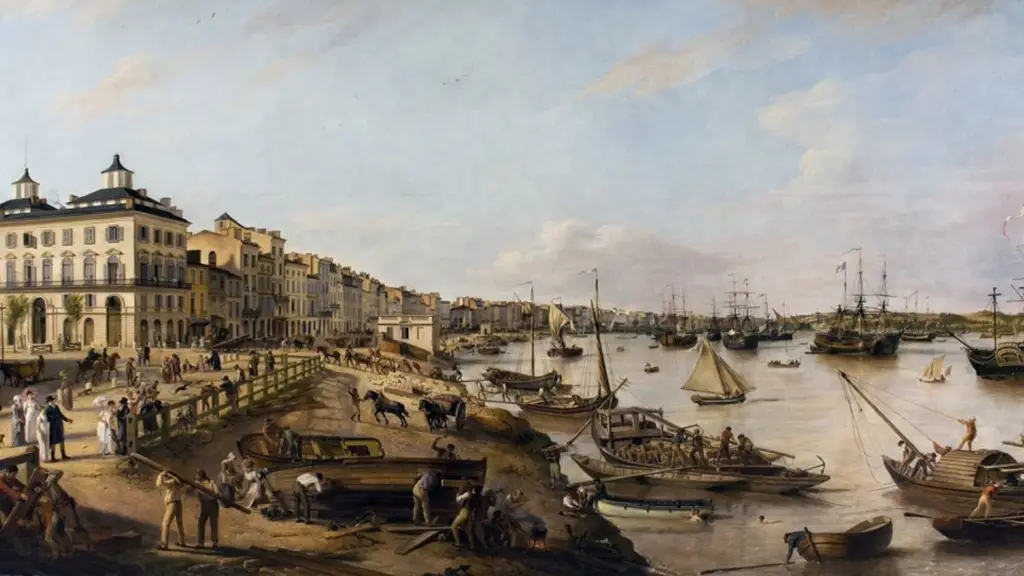
Cognac did not become a global spirit because of vineyards alone. Its rise depended on water, ships, and merchants long before it depended on distilleries. The identity of Cognac was shaped as much by the port of Bordeaux as by the chalk soils of Charente. Without Bordeaux’s access to Atlantic trade routes, cognac would likely […]
September 16, 2026
Partnership
Jamaica Rum and the Sugar Estate Landscape Behind a Protected GI
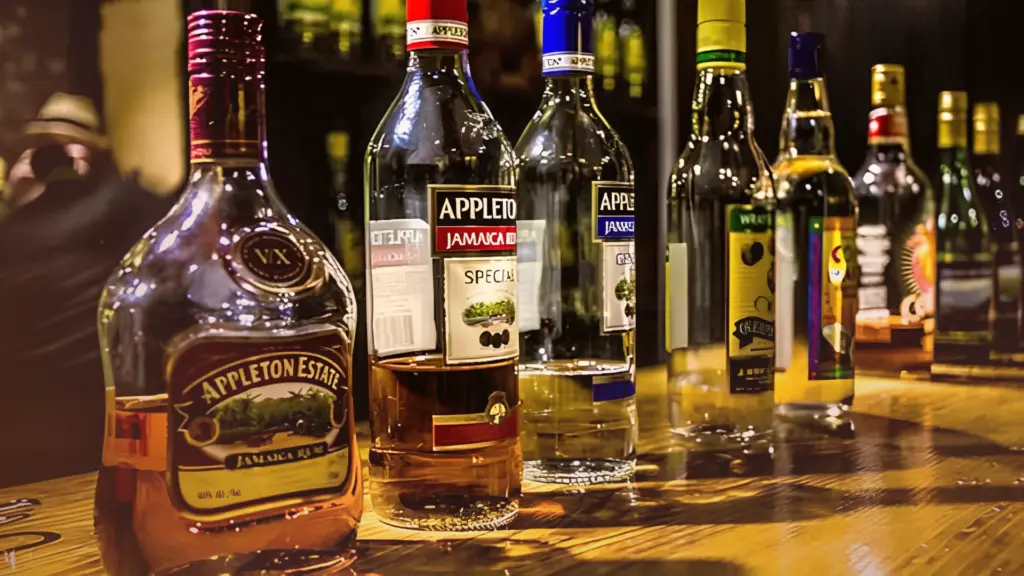
Jamaica’s Rum story begins with sugar estates, limestone water, heavy fermentations, coastal trade, and a landscape where cane became both wealth and memory. The island’s reputation was not made by one house or one parish. It grew across estates, distilleries, ports, and rural communities where sugar production and rum making became inseparable from the country’s […]
September 13, 2026
Partnership
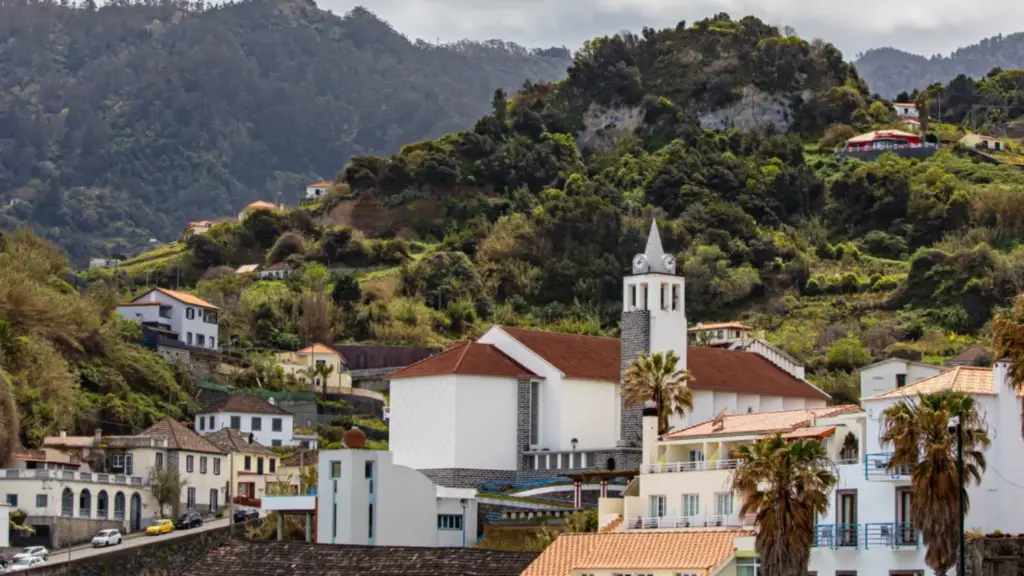
From Porto da Cruz to Calheta: The Distilleries That Define Madeiran Rum
Madeiran rum exists within a narrow technical and geographic framework that resists abstraction. Unlike Caribbean or Latin American rum traditions shaped by scale and export, rum production on Madeira remains tied to fresh sugarcane juice, seasonal distillation, and localised milling. From the northern coast at Porto da Cruz to the southern town of Calheta, a […]
September 9, 2026