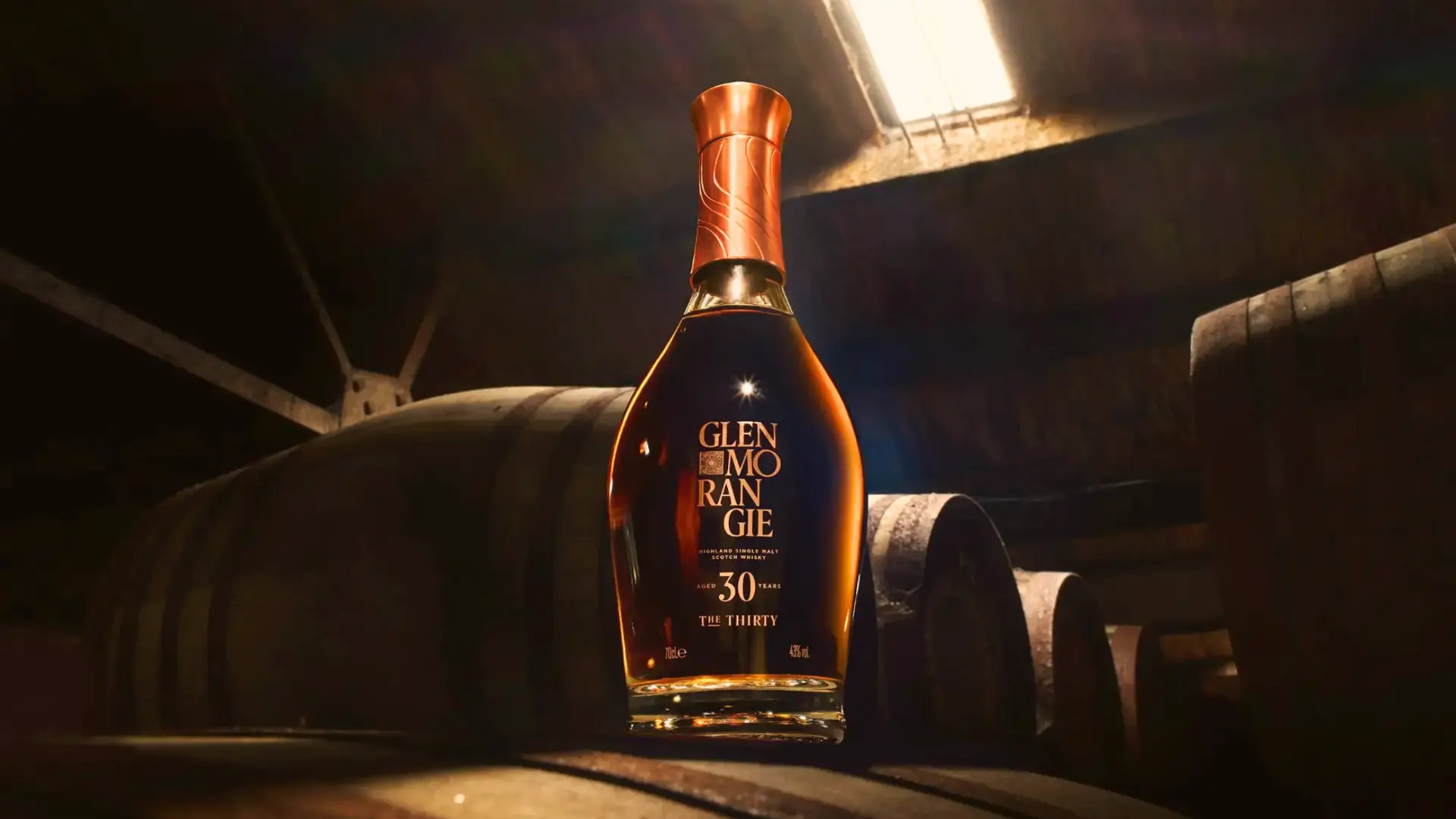
The first months of 2026 did not arrive with a single defining bottle or a headline-grabbing category disruption. Instead, they unfolded through a series of measured decisions across distilleries, brands, and markets. New spirit releases appeared steadily, but what connected them was not novelty. It was intent.
Across whisky, agave spirits, and emerging categories, producers began reinforcing what they already were, rather than experimenting with what they were not. The result is a quarter that feels less like innovation in isolation and more like a recalibration of direction.
Whisky returned to structure, not spectacle
Whisky in early 2026, one of the most demanding among new spirit releases, does not announce a change. It absorbs it quietly, tightening around familiar frameworks rather than expanding beyond them.
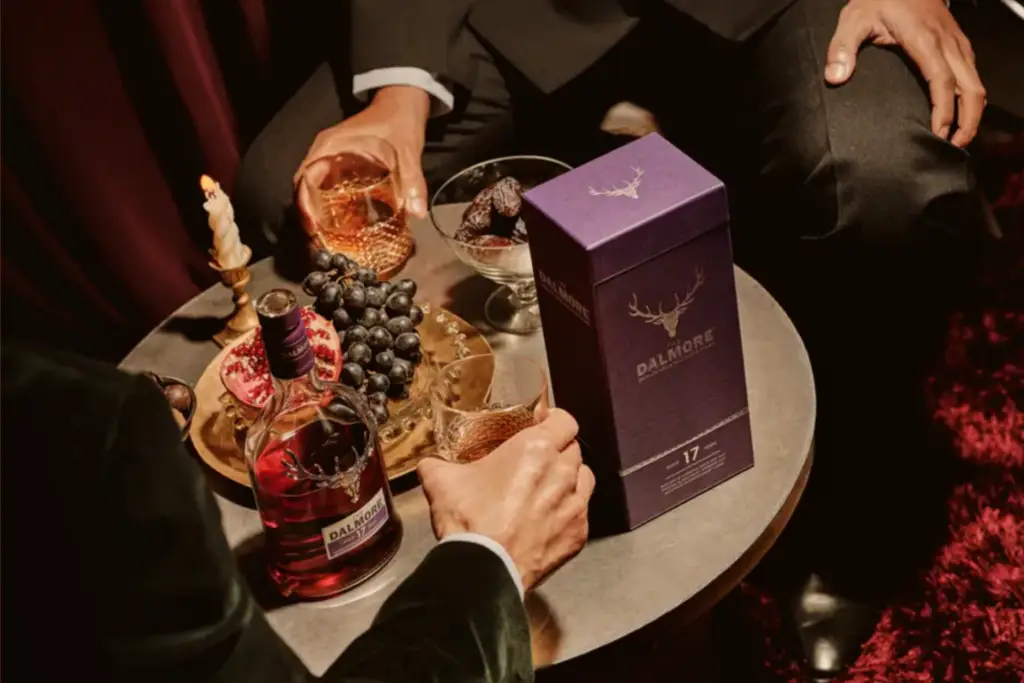
The Dalmore’s 17 Year Old (Principal Collection continuation) extends an established grammar rather than rewriting it. American white oak provides structural weight, while layers of Amoroso, Apostoles, and Matusalem sherry influence build depth through accumulation rather than contrast. Nothing here attempts disruption; the logic is additive, almost architectural in its restraint.
Smoke behaves differently at Lagavulin Distillery. The Lagavulin 11 Year Old Sweet Peat reframes intensity not as force but as calibration. Peat remains central, yet it is now positioned in conversation with bourbon cask sweetness, softening edges that once leaned more uncompromising. The identity is unchanged, but the emphasis has shifted slightly off centre.
Ardbeg Distillery’s Cask Strength 10 Year Old, one of the new spirit releases, pushes in the opposite direction, not by adding complexity but by removing distance. Without dilution, the whisky arrives closer to its raw structural form. Peat, citrus oil, and maritime smoke are no longer mediated; they sit in direct alignment, unsoftened by adjustment.
In Taiwan, Kavalan Distillery’s 15-Year-Old carries a different kind of significance. It is not defined by cask combination alone – bourbon, Oloroso, and fortified wine still shape its profile- but by the introduction of age as a declared identity. For a distillery long framed through climate-driven maturation speed, the statement is not flavour evolution but temporal recognition.
Elsewhere, The Glenlivet Distillery continues to move through controlled flavour articulation, its small batch direction leaning into descriptive framing rather than structural reinvention. Knob Creek, working through high-char single barrel expression, refines intensity through selection rather than redesign.
Across all of this, Compass Box returns once again to grain whisky as conceptual material. Hedonism 2026 Edition remains consistent with its own internal language, where blending functions less as correction and more as composition.
Taken together, these movements do not point outward toward expansion. They pull inward. Whisky in this moment is less concerned with redefining itself than with clarifying what already exists within it.
Agave spirits expanded across multiple directions
In agave, movement is not linear. Meximodo Tequila reflects the continued rise of transparency-led tequila production, where additive-free positioning is no longer differentiation but expectation. Mezcal Reina, one of the most demanding among new spirit releases, expands distribution with varietal emphasis, highlighting Espadín, Tobalá, and Arroqueño as structural expressions of diversity rather than deviation.
Sotol Romo, one of the top and hottest among the new spirit releases, gains visibility during mainstream cultural moments, reflecting sotol’s gradual integration into broader agave-adjacent awareness. At the same time, Laelia Tequila Añejo reinforces the opposite direction: value creation through time, maturation, and oak structure rather than varietal expansion. Agave is no longer one movement. It is several systems operating in parallel.
Flavour began to define category movement
The collaboration between Absolut and Tabasco creates a structured tension between neutrality and heat. The Absolut x Tabasco Vodka introduces pepper-driven intensity into a category traditionally defined by clarity rather than expression.
At Ukiyo Spirits, gin built around nashi pear and shiso reflects a shift toward ingredient specificity rather than aromatic generalisation. Malibu continues its flavour-led expansion with Malibu Pink (Guava edition), reinforcing tropical fruit directionality as a defining pattern in the flavoured rum category.
At Citadelle Gin, the Citadelle 0.0, one of the new spirit releases, reflects the formal integration of non-alcoholic spirits into established distilling houses rather than standalone innovation. A separate experimental category, such as Calabasa palm-based distillate, reflects early-stage raw material exploration rather than a stabilised segment.
Convenience continued to reshape consumption
Convenience formats continue to expand structural influence. The Malibu x Dole pineapple RTD reflects the continued industrialisation of cocktail-inspired consumption, where immediacy replaces preparation.
MOTH extends its range with fruit-led ready-to-drink cocktails, reinforcing RTDs as a permanent category rather than a parallel one. Here, structure is defined less by mixology and more by portability, stability, and repeatability.
What Q1 2026 actually reveals
Taken individually, these releases appear unrelated. Together, they describe a clear structural pattern. Whisky consolidates. Agave disperses. Flavour becomes more precise. RTDs become more central. Non-alcoholic categories integrate rather than separate. None of this is abrupt. It is incremental, but directional. The first quarter of 2026 shows no single trend. It shows how trends themselves are now formed.
The industry is shifting away from isolated innovation toward continuous recalibration. Distilleries are not asking what replaces their identity. They are asking how far it can be extended without breaking. The result is not a louder change. It is slower, more structural evolution – one that becomes visible only when viewed as a system rather than a sequence of releases.

Spirit
The Dalmore 17-Year-Old Single Malt Whisky is a remarkable expression from one of Scotland's most distinguished distilleries, renowned…
Spirit
Lagavulin 11 YO Sweet Peat Whisky
Lagavulin 11 Year Old Sweet Peat Whisky represents a unique offering from the iconic Islay distillery, renowned for…
Spirit
Malibu Pink Guava Rum represents a vibrant and innovative venture into the rum landscape, merging the tropical sweetness…
Spirit
Mezcal Reina Tobalá is a remarkable spirit that embodies the artistry and heritage of traditional mezcal production. Crafted…
Spirit
Ardbeg 10 YO Cask Strength Whisky
Ardbeg 10 YO Cask Strength is a unique expression from the Ardbeg Distillery, standing as a testament to…
Spirit
Sotol Romo represents an ultra-premium expression of the traditional Mexican spirit known as sotol, made exclusively from 100%…
Spirit
Kavalan 15 YO Single Malt Whisky
Kavalan 15 YO Single Malt Whisky stands as a luminous testament to the artistry and diligence of the…
Spirit
Citadelle 0.0 Non-Alcoholic Gin
Citadelle 0.0 is a landmark creation in the realm of non-alcoholic spirits, brought to life by the renowned…
Spirit
Laelia Añejo Tequila represents a pinnacle of artisanal tequila crafting, embodying the essence of traditional methods with modern…
Spirit
Absolut x Tabasco Vodka is a collaborative spirit that merges the rich heritage of Absolut Vodka with the…
Spirit
Meximodo Tequila Blanco represents a bold vision that encapsulates both craftsmanship and empowerment, as it is created by…
Spirit
The Dalmore 17-Year-Old Single Malt Whisky is a remarkable expression from one of Scotland's most distinguished distilleries, renowned…
Spirit
Lagavulin 11 YO Sweet Peat Whisky
Lagavulin 11 Year Old Sweet Peat Whisky represents a unique offering from the iconic Islay distillery, renowned for…
Spirit
Malibu Pink Guava Rum represents a vibrant and innovative venture into the rum landscape, merging the tropical sweetness…
Spirit
Mezcal Reina Tobalá is a remarkable spirit that embodies the artistry and heritage of traditional mezcal production. Crafted…
Spirit
Ardbeg 10 YO Cask Strength Whisky
Ardbeg 10 YO Cask Strength is a unique expression from the Ardbeg Distillery, standing as a testament to…
Spirit
Sotol Romo represents an ultra-premium expression of the traditional Mexican spirit known as sotol, made exclusively from 100%…
Spirit
Kavalan 15 YO Single Malt Whisky
Kavalan 15 YO Single Malt Whisky stands as a luminous testament to the artistry and diligence of the…
Spirit
Citadelle 0.0 Non-Alcoholic Gin
Citadelle 0.0 is a landmark creation in the realm of non-alcoholic spirits, brought to life by the renowned…
Spirit
Laelia Añejo Tequila represents a pinnacle of artisanal tequila crafting, embodying the essence of traditional methods with modern…
Spirit
Absolut x Tabasco Vodka is a collaborative spirit that merges the rich heritage of Absolut Vodka with the…
Spirit
Meximodo Tequila Blanco represents a bold vision that encapsulates both craftsmanship and empowerment, as it is created by…
Discovery and Education
Feis Ile: How a Small Islay Festival Became Whisky’s Global Pilgrimage
Islay is not a large island, but few places in the whisky world carry so much weight. Its coastline, peat bogs, warehouses, ferry routes, village halls, and distillery courtyards have shaped one of Scotland’s most recognisable spirit landscapes. Long before Fèis Ìle became a global whisky pilgrimage, it began as something more local and more […]
June 7, 2026
Distilleries & Producers
Ardbeg Distillery’s Closure Years and the Choices That Rebuilt Its Islay Identity
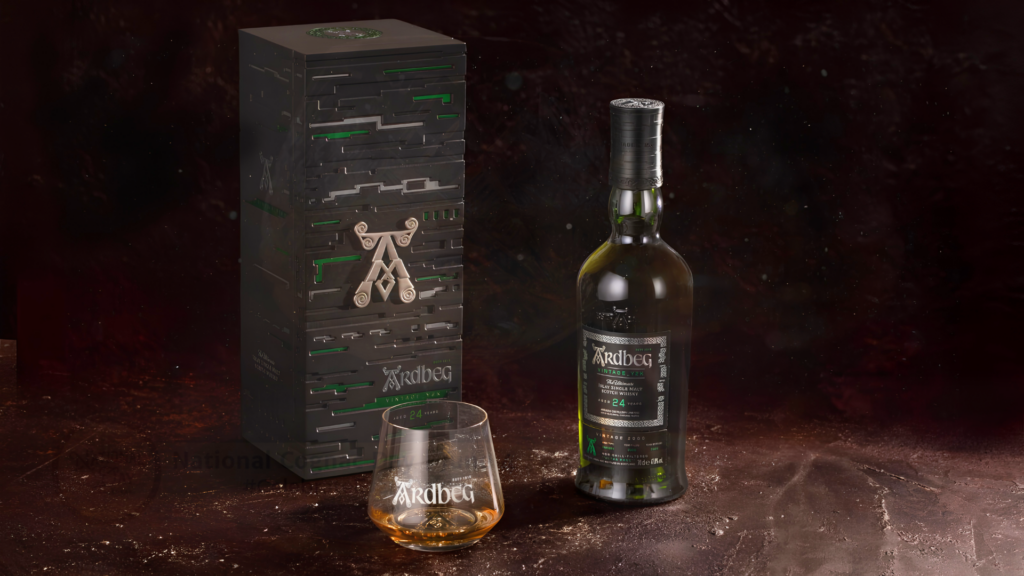
Few Scotch whisky distilleries have experienced a history as uncertain as Ardbeg Distillery. Today, Ardbeg stands among the most recognisable names in heavily peated whisky, celebrated for expressions such as Ardbeg 10 Years Old, Ardbeg Uigeadail, and Ardbeg Corryvreckan. Yet the distillery’s modern success was far from inevitable. Between the early 1980s and the late […]
June 1, 2026
Partnership

Pisco: A Spirit Claimed by Two Nations
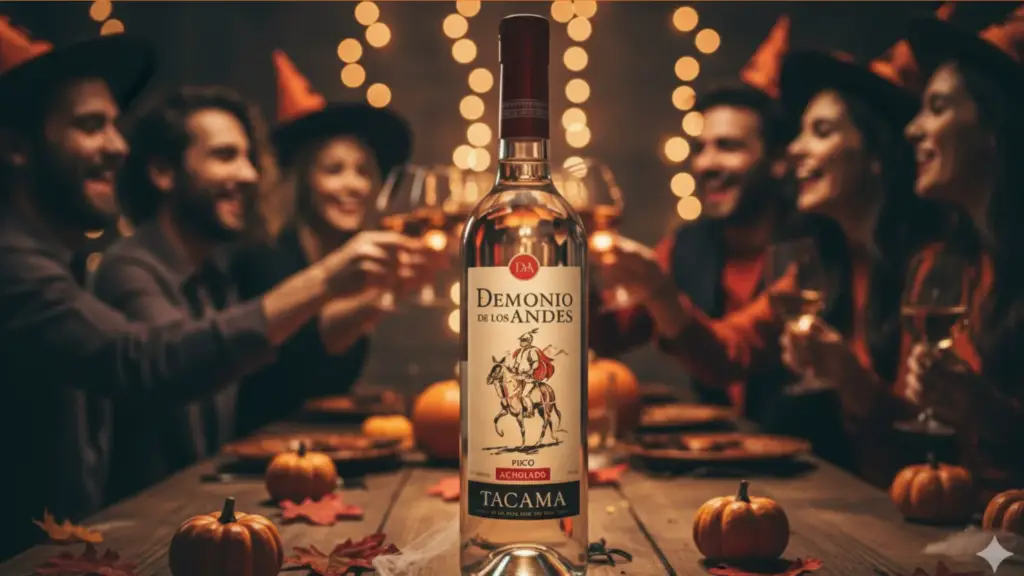
Pisco is one of the few spirits whose identity is divided by national borders rather than defined by them. Both Peru and Chile claim pisco as a national spirit, each supported by legal frameworks, historical narratives, and active production. This dual claim is not a modern branding dispute. It is the outcome of colonial administration, […]
October 7, 2026