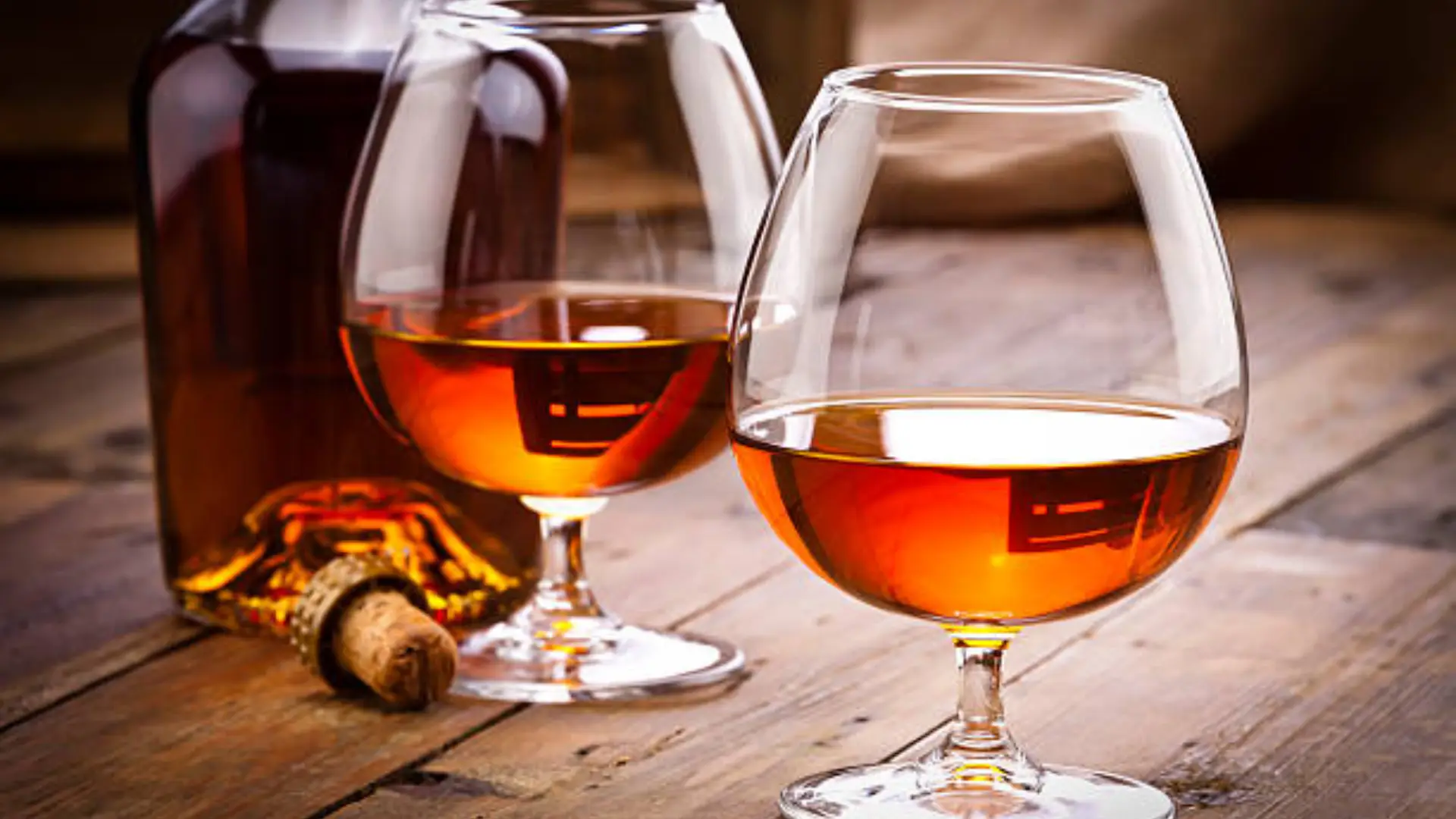
Across centuries and continents, brandy has stood as a symbol of transformation, a spirit born from vineyards, patience, and fire. Distilled from wine and matured through time and oak, it represents both artistry and science, simplicity and depth. From the cobbled streets of Cognac and Armagnac to the grand cellars of Jerez and other corners of the world, brandy reflects humanity’s enduring fascination with turning the ordinary into the extraordinary. It is a liquid chronicle of the vine’s journey through heat and patience, shaped by the hands of those who understand that perfection requires both control and surrender.
From Vineyard to Still
The story of Brandy begins with the grape. Long before distillation became a refined art, winemakers discovered that heating fermented wine could concentrate its essence and preserve its strength. The earliest records trace back to the sixteenth century, when European traders and distillers sought ways to stabilize wine for long sea voyages. What emerged from these experiments was more than preservation; it was the discovery of an entirely new spirit. Through distillation, wine was transformed, gaining purity, intensity, and longevity.
In regions such as Cognac in France and Jerez in Spain, this process evolved into identity and heritage. The soil, grape varieties, and local climate gave distinct expression to each region’s brandy, while generations of artisans perfected the use of copper pot stills. Each distillation preserved the essence of the vineyard, capturing the sun and soil of its origin in concentrated form.
The Fire That Defines Character
To create brandy is to understand the language of fire. Distillers know that flame is both ally and adversary, capable of revealing character or destroying it entirely. During distillation, the liquid passes through copper stills heated with precision, where the flame extracts aroma and essence. In Cognac, double distillation creates an elegant and structured spirit, while in Armagnac, a single slow distillation gives rustic charm and boldness. Fire becomes the silent sculptor of brandy’s personality, guiding the transformation of fruit into spirit.
After distillation, the journey continues in oak casks where time and wood shape the spirit’s soul. Brandy’s deep amber hue, soft texture, and layered aroma are all born from this aging process. In quiet cellars, evaporation gently reduces volume while concentrating flavor, creating what distillers call the “angel’s share.” This slow metamorphosis produces the warmth and harmony that define exceptional brandy.
The Great Houses and Their Heritage
The evolution of brandy is inseparable from the great houses that preserved its legacy. In France, names such as Hennessy, Rémy Martin, and Martell established the prestige of Cognac, while Janneau and Delord carried forward the robust tradition of Armagnac. In Spain, Brandy de Jerez producers like Fundador and González Byass refined a unique solera aging method that imparts sweetness and depth. Each region upholds its own philosophy, yet all share a devotion to patience, precision, and the pursuit of harmony between nature and craft.
A Spirit of Culture and Ceremony
Throughout history, brandy has been more than a drink. It has served as a symbol of refinement, comfort, and celebration. European courts raised glasses of brandy in honor of victory and peace. Explorers carried it across oceans for courage and warmth. Scholars and poets found inspiration in its golden glow. Its versatility allowed it to transcend boundaries, becoming a part of rituals, gatherings, and simple moments of reflection. Classic cocktails such as the Sidecar and the Brandy Alexander reveal its adaptability, transforming the centuries-old spirit into something modern and ever relevant.
Brandy’s Modern Renaissance
Today, brandy enjoys a revival guided by both tradition and innovation. Younger distillers experiment with new grape varieties, sustainable production, and creative cask finishes. At the same time, master blenders continue to uphold classic styles that honor the wisdom of the past. Regions such as South Africa, Australia, and the United States now craft distinctive interpretations that rival old-world expressions while celebrating their own terroirs. This renewal has inspired a new generation of enthusiasts who seek authenticity, craftsmanship, and emotional connection in every sip.
The Soul of Transformation
Every glass of brandy tells the story of creation through transformation. It captures the patience of growers, the intuition of distillers, and the slow artistry of time. Within its golden color and complex aroma lies the union of earth, flame, and spirit. Brandy endures because it speaks to something timeless, the human desire to shape beauty from what nature provides. To taste it is to experience the vineyard reborn, the flame refined, and the moment preserved. Brandy remains not only a spirit of the vine but a tribute to the strength and creativity that define craftsmanship itself.

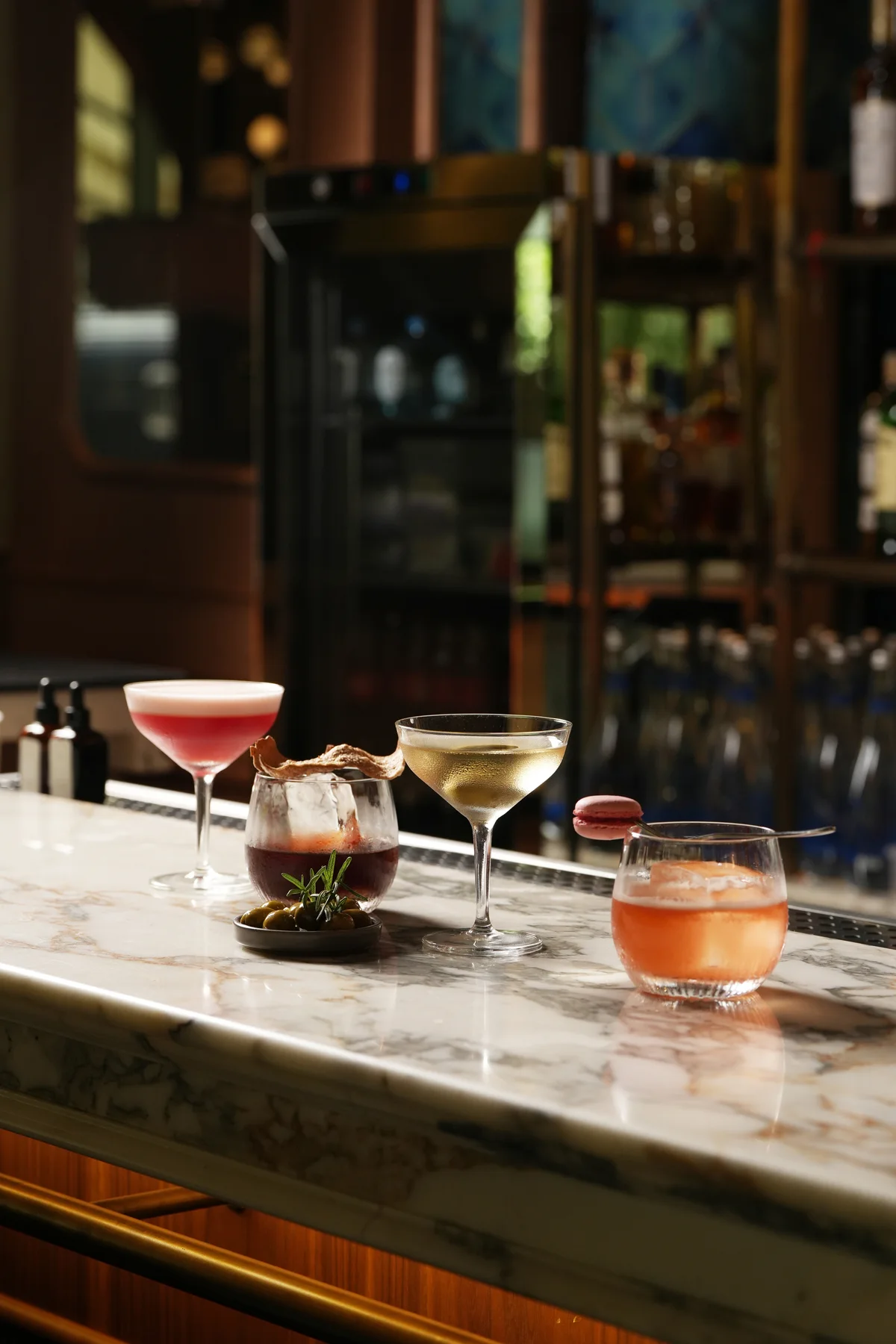
Distillery
Hennessy Cognac is renowned as the world's leading producer of cognac, representing a harmonious blend of tradition and…
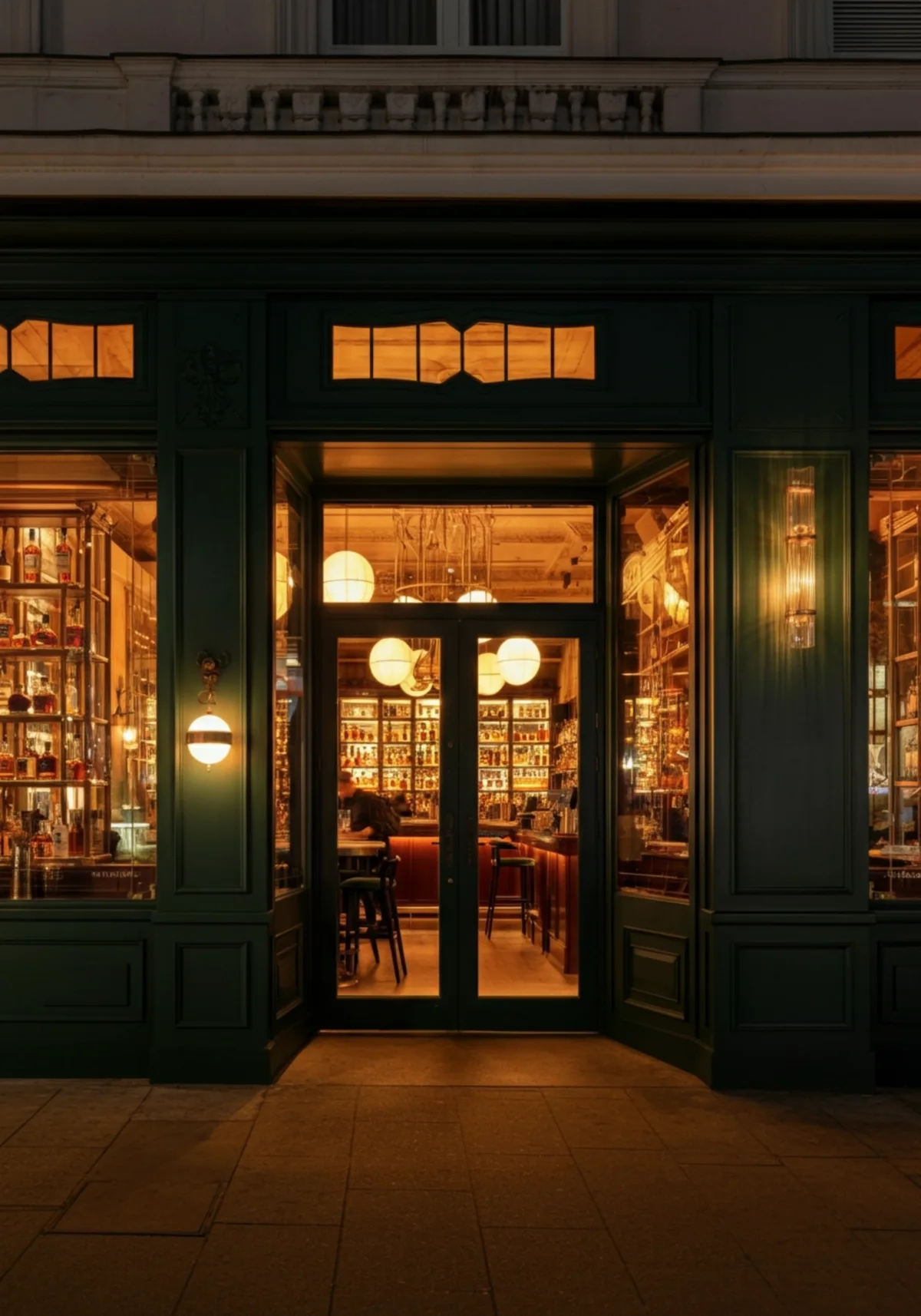
Distillery
Carlos I Distillery is renowned for its premium brandies, particularly the iconic Carlos I brandy which was first…
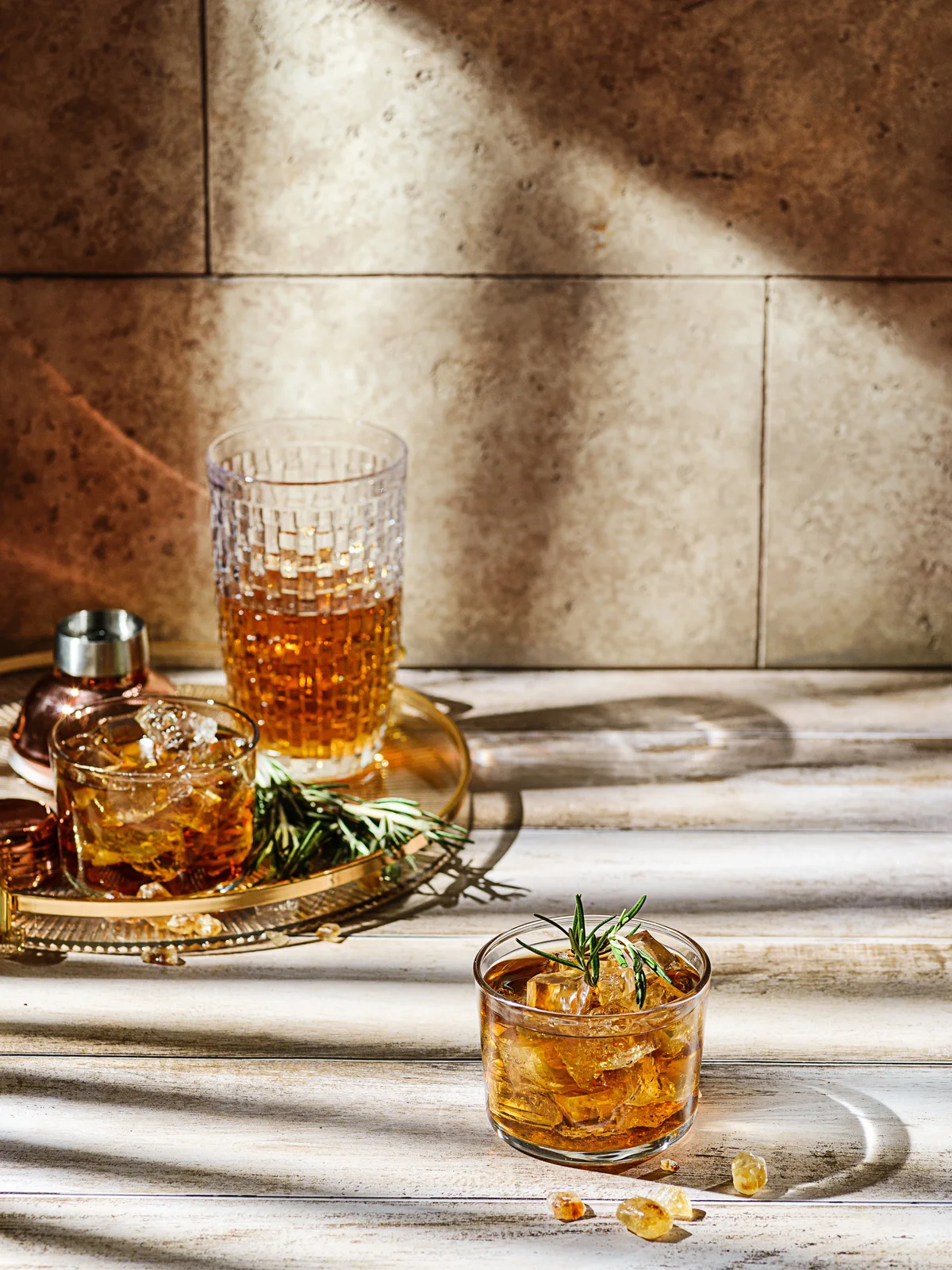
Spirit
Hennessy Paradis Imperial Cognac
Hennessy Paradis Imperial Cognac is regarded as the jewel of the Hennessy collection, showcasing the pinnacle of craftmanship…
Spirit
Carlos III Solera Reserva Brandy De Jerez
Carlos III Solera Reserva is a distinguished Spanish brandy known for its rich flavor profile and exceptional craftsmanship.…
Trending
International Cognac Day: History, Appellation, and the Spirit of Charente
International Cognac Day is observed each year on June 4, but the spirit it recognizes belongs to a much longer calendar. Cognac is shaped by harvests, distillation seasons, oak maturation, and a legal framework that has turned a regional wine distillate into one of France’s most carefully protected spirits. Its identity begins in the Charente, […]
June 4, 2026
Spirits
Pricing and Taxation in 19th-century European Spirits Consumption
In the early decades of the nineteenth century, the cost of a glass of spirits in London, Paris, or Warsaw was rarely determined by the distiller. It was determined by the state. A measure of whisky, Cognac, or vodka carried within it a structure of duties, controls, and transport costs that defined not only its […]
April 7, 2026
Trends and Innovations
Luxury Packaging in Spirits: Perception Versus Liquid Quality
Weight arrives before aroma. A heavy glass bottle, a magnetized closure, an embossed crest, and a velvet-lined box signal prestige before the cork is drawn. In the global spirits market, presentation often precedes palate. Luxury Packaging in Spirits operates at the intersection of psychology, design, and economics, shaping perception long before liquid quality can be […]
April 1, 2026