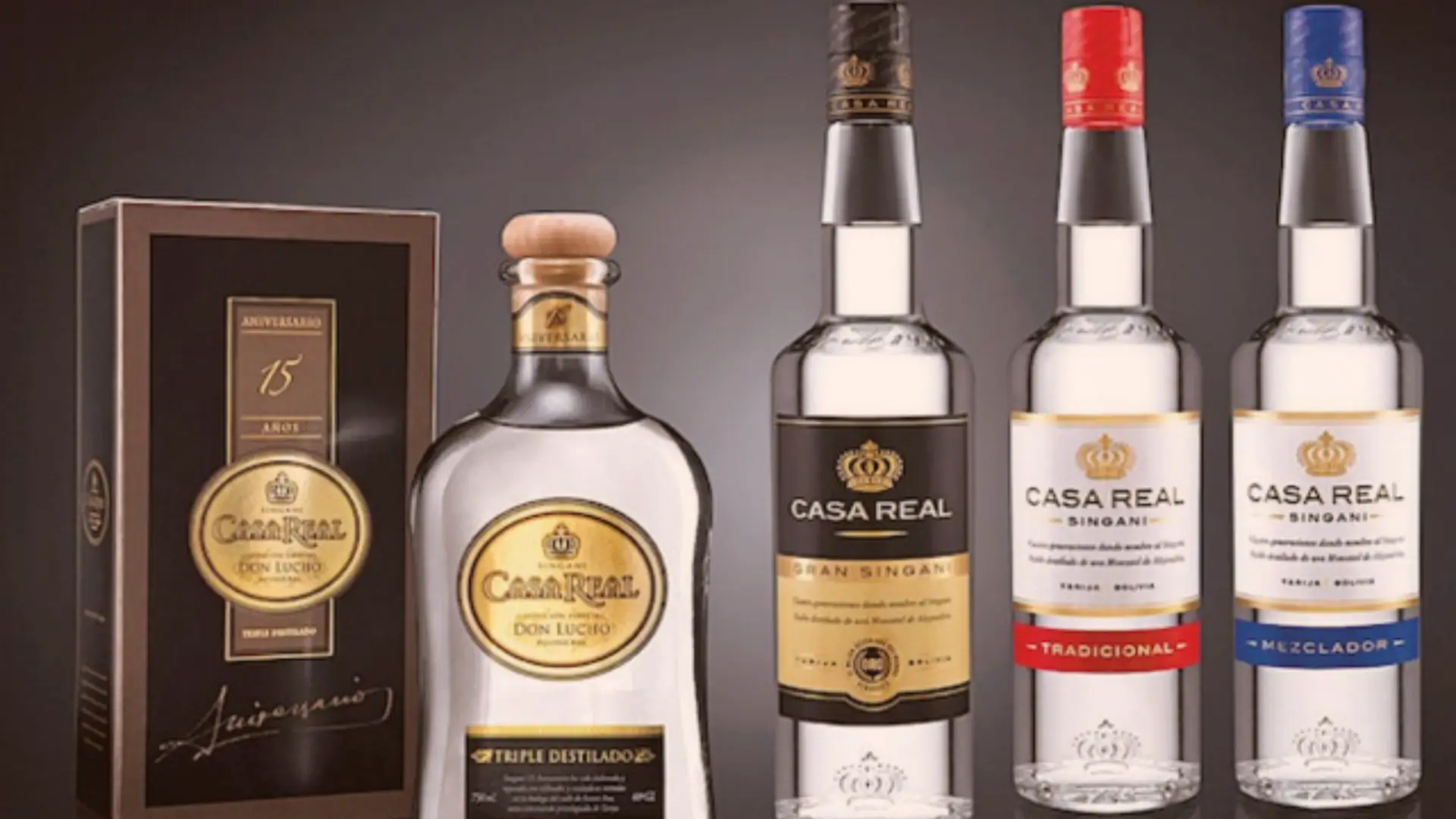
Grape distillates are frequently grouped as if raw material alone defines identity. The assumption is tidy and misleading. A spirit made from Muscat at 2,000 metres in Bolivia does not share production logic with a Quebranta distillate from Peru’s coastal desert, nor with a double-distilled eau-de-vie aged for years in French oak. Casa Real Singani, Tacama Quebranta Pisco, and Hennessy VSOP Cognac emerge from entirely different systems shaped by altitude, climate, trade routes, and legal doctrine. Comparison requires structural precision rather than category shorthand.
Each of these spirits reflects a condition it cannot escape.
High Altitude Aromatics and the Origins of Singani
Singani’s identity begins above 1,600 metres in Bolivia’s Tarija Valley. Spanish colonists introduced vines to the Andean region in the sixteenth century, seeking to produce sacramental wine in territories too distant from European supply. Over time, the Muscat of Alexandria grape adapted to extreme altitude. Intense ultraviolet radiation, wide diurnal temperature swings, and slow ripening cycles amplified floral aromatics while preserving acidity.
Bolivia formalized Singani under a Denomination of Origin in 1992, restricting production to high altitude zones and exclusively to Muscat of Alexandria. This is not stylistic branding. It is a legal definition. Altitude is mandatory, not optional.
Casa Real, produced by Casa Real Tarija in Tarija, has become the modern benchmark. Distilled once in copper pot stills, the spirit is bottled unaged to preserve volatile compounds. Oak would mute its defining perfume. The objective is aromatic clarity rather than transformation.
Singani is therefore built around preservation. The grape’s floral intensity is the structural core, and production decisions protect it from dilution or oxidative interference.
Coastal Desert Precision and the Logic of Pisco
Peru’s Pisco is produced in a different geographic region. The Ica Valley, home to Bodega Tacama, founded in 1540, lies within one of the driest deserts on earth. Irrigation channels from Andean meltwater sustain vineyards near sea level. Sun exposure is relentless. Sugar accumulation is rapid. Aromatic volatility is not the defining trait.
Tacama Quebranta Pisco is produced from the Quebranta grape, a non-aromatic variety believed to have emerged from natural crossings of imported Spanish vines in the colonial era. Unlike Muscat, Quebranta does not project a floral perfume. It builds body and weight. Its contribution is texture and fermentation character.
Peruvian Pisco regulations prohibit dilution with water after distillation. The spirit must be bottled at distillation strength. It is distilled once, typically in copper pot stills, and rested briefly in inert containers such as stainless steel or glass. Wood aging is not permitted.
If singani protects aromatics, pisco protects immediacy. Time is deliberately minimized. The finished spirit represents a frozen moment in fermentation and distillation, not an evolving relationship with oak.
Chalk Soils, Acidity, and the Architecture of Cognac
Cognac’s origins lie in western France, in the departments of Charente and Charentaise. Chalk-rich soils and a temperate maritime climate produce grapes unsuitable for fine table wine but ideal for distillation. Ugni Blanc, the dominant variety, is intentionally neutral. It yields high acidity and low sugar, creating a stable base wine resistant to spoilage.
The regulatory framework of the Cognac Appellation d’Origine Contrôlée, formalized in 1936, governs harvest timing, distillation method, aging duration, and blending protocols. Hennessy, established in 1765 by Richard Hennessy, became synonymous with export-driven Cognac production, shaping global perception of the category.
Hennessy V.S.O.P, first commercialized in the early nineteenth century and formalized under the VSOP designation meaning Very Superior Old Pale, must age for a minimum period in French oak. Distillation occurs twice in Charentais copper pot stills. The first run produces brouillis. The second refines the spirit into eau-de-vie suitable for maturation.
Here, distillation is not preservation. It is preparation. Oak aging defines the category. Without years in a barrel, Cognac remains incomplete.
Distillation as Endpoint Versus Beginning
The contrast becomes stark at the still. Casa Real Singani and Tacama Quebranta Pisco undergo single distillation. Their objective is retention. Volatile compounds and fermentation character are preserved. The distillate is the final product.
Hennessy VSOP Cognac undergoes double distillation designed to strip and refine. The resulting eau-de-vie is austere, almost severe in youth. Only through extended barrel aging does complexity emerge. Vanillin, tannin integration, oxidative softening, and gradual concentration through evaporation define its maturity.
In the case of singani and pisco, distillation concludes the story. In Cognac, it initiates it.
Time as Structural Variable
Time operates differently in each system. Singani excludes wood entirely. Aging would distort altitude-driven aromatics. The spirit is stabilized but not oxidized.
Pisco rests briefly but resists transformation. Freshness remains central.
Cognac depends on time. VSOP classification requires minimum barrel maturation. Oak barrels, often from Limousin or Tronçais forests, introduce structure, color, and layered aromatic complexity. Blending further refines house style consistency.
One category resists time. Another captures immediacy. The third requires patience.
Market Orientation and Historical Trajectory
Singani evolved largely within Bolivia’s domestic context. Its regulatory structure prioritizes altitude authenticity over international volume.
Pisco developed dual national identities in Peru and Chile, though Peruvian Pisco maintains stricter non-dilution and non-aging laws. Cocktail culture, particularly the Pisco Sour, expanded its export footprint.
Cognac was designed for trade. By the eighteenth century, houses like Hennessy were exporting to Britain and beyond. Aging in barrel facilitated transport stability, and blending ensured predictable flavor across markets. These spirits reflect trade histories as much as geography.
Casa Real Singani, Tacama Quebranta Pisco, and Hennessy VSOP Cognac do not occupy a shared spectrum. They are responses to different constraints. Altitude intensifies Muscat aromatics in Bolivia. Desert sun stabilizes Quebranta texture in Peru. Chalk soils and a maritime climate in western France produce acidic wines destined for oak aging.
Raw material alone obscures this divergence. Production logic clarifies it.
Barlist frames grape distillates not as interchangeable expressions but as systems shaped by legal intent, geography, and time. In doing so, comparison becomes analytical rather than reductive. These spirits coexist without convergence, each defined by conditions that cannot be transplanted elsewhere.

Distillery
Hennessy Cognac is renowned as the world's leading producer of cognac, representing a harmonious blend of tradition and…
Distillery
Casa Real Tarija, an esteemed distillery located in the heart of Bolivia's Tarija region, embodies a blend of…
Spirit
Rujero Singani is a celebrated Bolivian brandy that embodies the rich heritage of distillation rooted in the high…
Spirit
Demonio de los Andes Acholado Pisco
Demonio de los Andes Acholado Pisco is a distinguished Peruvian spirit that encapsulates the rich viticultural heritage of…
Spirit
Hennessy VSOP Limited Edition with Jackson Wang
The Hennessy VSOP Limited Edition with Jackson Wang is a distinguished expression of the iconic Hennessy brand, celebrating…
Spirit
Singani Casa Real Etiqueta Roja
Singani Casa Real Etiqueta Roja is a distinguished Bolivian singani that embodies the essence of craftsmanship and tradition…
Spirit
Casa Real Gran Singani is a hallmark of Bolivian craftsmanship, embodying the essence of the country’s rich viticultural…
Trending
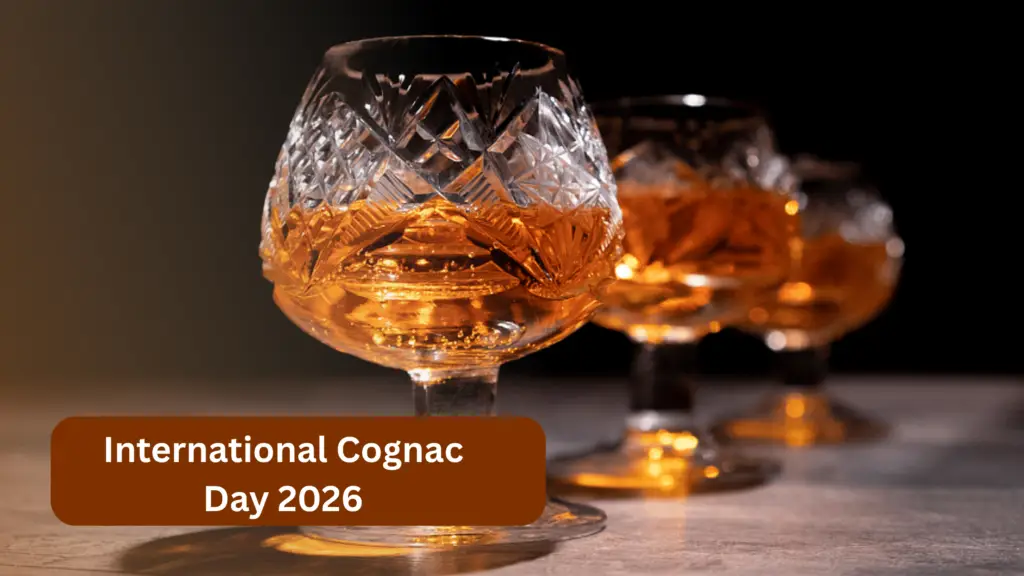
International Cognac Day: History, Appellation, and the Spirit of Charente
International Cognac Day is observed each year on June 4, but the spirit it recognizes belongs to a much longer calendar. Cognac is shaped by harvests, distillation seasons, oak maturation, and a legal framework that has turned a regional wine distillate into one of France’s most carefully protected spirits. Its identity begins in the Charente, […]
June 4, 2026
Distilleries
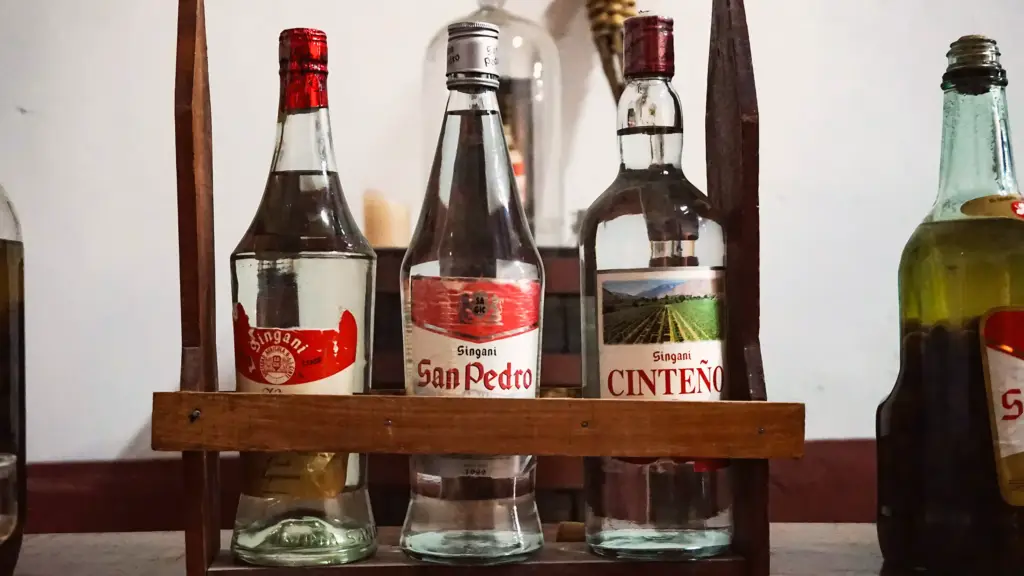
Singani: Bolivia’s High-Altitude Spirit and a Forgotten Andean Heritage
The vineyards of Tarija do not resemble traditional brandy landscapes. They rise sharply into the Andes, where sunlight is direct, air pressure is reduced, and diurnal temperature shifts slow the ripening cycle. At elevations between 1,600 and 2,200 meters, grapes develop differently. Sugar accumulates without losing acidity, and aromatics intensify rather than flatten. From this […]
April 19, 2026
Spirits
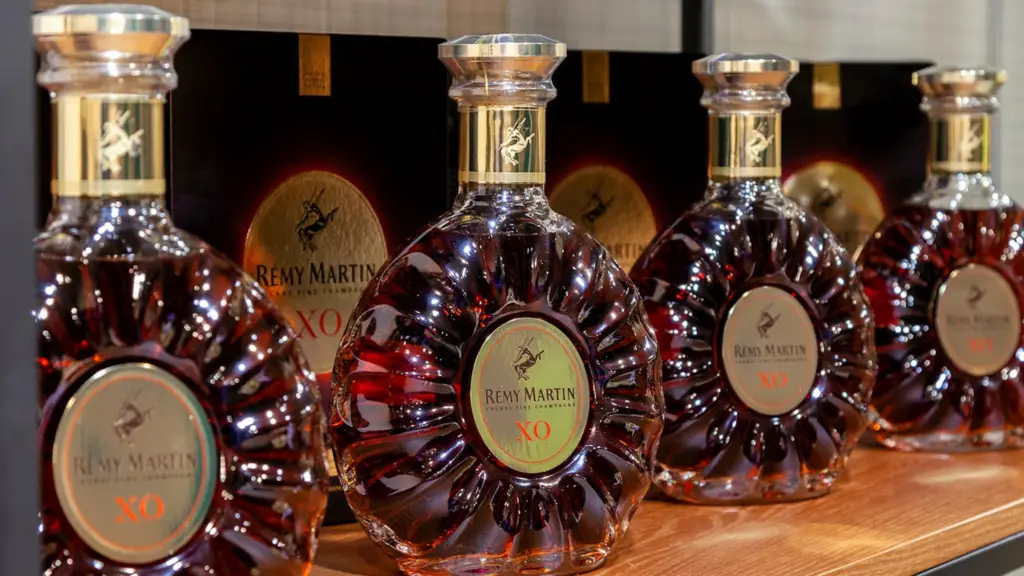
Pricing and Taxation in 19th-century European Spirits Consumption
In the early decades of the nineteenth century, the cost of a glass of spirits in London, Paris, or Warsaw was rarely determined by the distiller. It was determined by the state. A measure of whisky, Cognac, or vodka carried within it a structure of duties, controls, and transport costs that defined not only its […]
April 7, 2026