Cocktails in 2026 are not defined by one dominant style. Classic drinks remain firmly established, but the way they are being served and interpreted continues to change. Bartenders are working with lighter formats, aperitivo traditions, regional ingredients, savoury flavours, nostalgic recipes and more deliberate presentations, while drinkers are becoming increasingly interested in quality rather than simply ordering more.
That makes a list of the most important cocktails of 2026 different from a ranking of the year’s best-selling drinks. The drinks that matter are not necessarily those appearing most often on menus. They are the cocktails that explain something about how modern bars work, while also giving enthusiasts a foundation in the techniques and flavour structures that have shaped cocktail history.
The ten drinks below represent that balance. Some are among the world’s most established classics. Others reflect the directions that are becoming increasingly visible in contemporary bars. Together, they provide a useful map of cocktail culture in 2026.
The Top 10 Cocktails That Still Define the Bars in 2026
Margarita
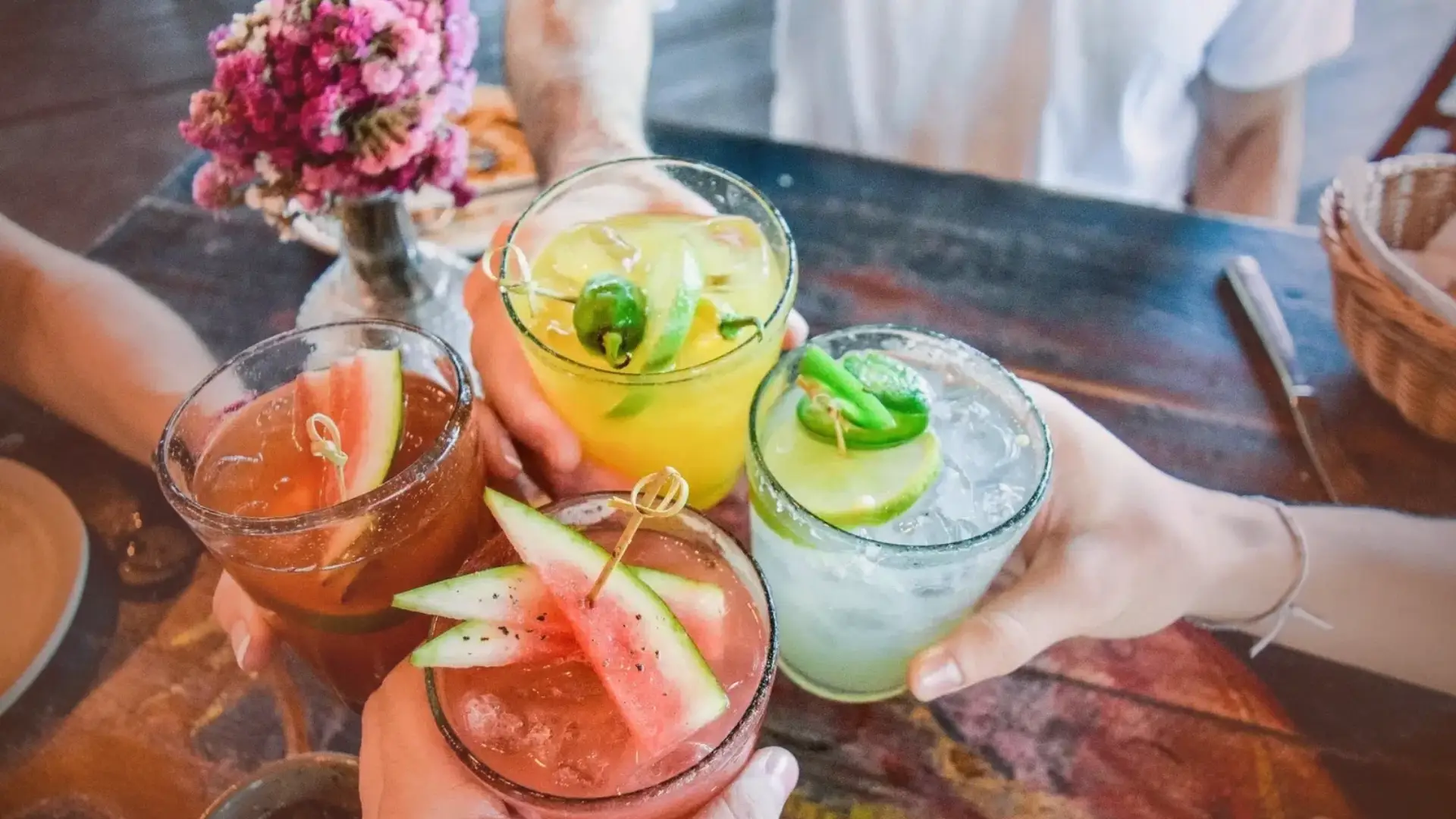
Few cocktails demonstrate the continuing importance of simplicity better than the Margarita. Built around tequila, citrus and orange liqueur, it can be precise and restrained or adapted through different tequilas, agave styles, citrus varieties and levels of sweetness.
Its continued prominence in 2026 is significant because the Margarita sits comfortably between classic cocktail structure and contemporary experimentation. The drink works with premium tequila, seasonal fruit, savoury ingredients and modern techniques without losing its recognisable identity.
For an enthusiast, understanding the Margarita means understanding balance. The relationship between agave spirit, acidity, sweetness and dilution determines whether the drink feels sharp, rounded, dry or heavy.
It is also one of the clearest examples of why the quality of the base spirit matters. A Margarita made with a characterful 100% agave tequila can express vegetal, peppery, earthy and citrus notes that disappear beneath excessive sweetness or poor dilution.
The Margarita remains essential because modern bartenders can change almost everything around its structure while keeping the drink recognisable.
Negroni
The Negroni represents another fundamental cocktail structure: spirit, bitterness and fortified wine working in equal proportion.
Traditionally made with gin, Campari and sweet vermouth, the drink combines juniper, bitter botanicals, sweetness and aromatic complexity in a format that has become one of the defining drinks of modern cocktail culture.
Its importance goes beyond its recipe. The Negroni teaches an enthusiast how different ingredients can contribute simultaneously to aroma, bitterness, sweetness and texture. It also demonstrates why vermouth is an active ingredient rather than an afterthought.
The cocktail has become remarkably adaptable. Bartenders now build Negroni variations around different gins, amari, vermouths and other bitter aperitivi, but the original remains the reference point.
Its continuing relevance also reflects the wider return of aperitivo culture, which is one of the strongest currents in contemporary drinking.
Dry Martini
The Dry Martini remains one of the most demanding simple cocktails because its apparent minimalism exposes every decision made by the bartender.
The classic relationship between gin, dry vermouth, dilution and temperature creates a drink in which small changes can have a major effect. The choice of gin alters the botanical character, the vermouth changes the aromatic and textural balance, and dilution determines how the spirit ultimately presents in the glass.
The Martini’s modern importance is partly historical and partly technical. It belongs to the professional canon, but it also provides an unusually clear demonstration of how a bartender’s judgement affects a finished drink.
In 2026, the Martini is benefiting from the broader movement towards carefully made classics. Contemporary bars are increasingly placing greater emphasis on ingredients, technique and precision rather than relying on elaborate presentation.
For enthusiasts, learning to recognise the relationship between gin and vermouth is more useful than memorising one supposedly perfect ratio.
Old Fashioned
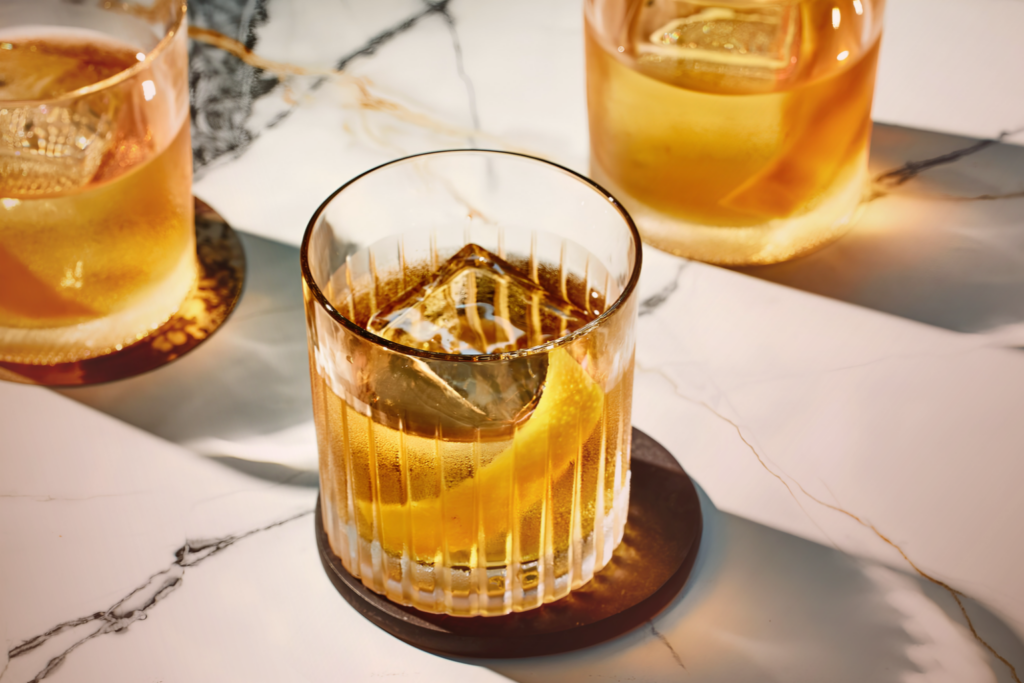
The Old Fashioned remains one of the clearest demonstrations of how a cocktail can be built around the character of its base spirit. Its traditional structure is deliberately restrained: whiskey, sugar, bitters and water. There is nowhere for poor ingredients or careless dilution to hide.
The drink also illustrates the relationship between historical cocktails and modern interpretation. The Old Fashioned has existed in several forms over its long history, and today’s versions can be built with bourbon, Rye whiskey or other aged spirits while retaining the same basic principle.
Its continued popularity is understandable. As modern drinkers become more interested in premium spirits and thoughtful preparation, cocktails that allow the base spirit to remain clearly identifiable have considerable appeal.
A well-made Old Fashioned does not need theatrical technique. It needs a good whiskey, controlled dilution, appropriate sweetness and enough bitters to give the drink structure.
Spritz
The Spritz has become one of the defining formats of contemporary drinking because it combines flavour, refreshment, lower strength and sociability.
The modern format is associated particularly with Aperol, Campari, sparkling wine and soda, although the broader Spritz tradition is much more diverse. The structure can accommodate different aperitivi, wines, liqueurs and regional ingredients.
Its current relevance is closely connected with the growing popularity of lighter drinking occasions. Consumers are increasingly interested in cocktails that allow them to socialise without the intensity of a full-strength spirit-forward drink.
The rise of the Hugo Spritz demonstrates how quickly the format can evolve. Built around elderflower liqueur, sparkling wine, soda and mint, the Hugo has gained significant momentum in the UK during 2026, with sales rising sharply while the established Aperol Spritz continues to dominate the category.
The important lesson is that the Spritz is no longer one recipe. It is a flexible drinking format.
Daiquiri
The Daiquiri is perhaps the best example of a classic that rewards technical precision while appearing deceptively simple. The traditional version combines white rum, fresh lime juice and sugar. There are no elaborate garnishes or complicated ingredients to distract from the balance between spirit, acidity and sweetness.
Its importance in 2026 comes partly from the broader revival of classic cocktails and the growing interest in drinks that prioritise execution. Contemporary bartenders are increasingly treating familiar recipes as foundations for experimentation rather than outdated formulas.
The Daiquiri also gives enthusiasts a useful way to understand rum. Different styles of rum can alter the drink’s fruitiness, weight, fermentation character and finish, meaning that the recipe can function almost like a tasting framework.
A properly balanced Daiquiri is therefore not simply a refreshing rum cocktail. It is a lesson in proportion.
Piña Colada
The Piña Colada might appear at first to belong to a very different part of cocktail culture from the Martini or Negroni, but its continued popularity demonstrates how modern drinkers are rediscovering pleasure, nostalgia and tropical drinks.
Built around rum, coconut and pineapple, the cocktail has traditionally been associated with holidays, resorts and relaxed drinking. In recent years, however, bartenders have increasingly approached tropical cocktails with the same technical seriousness applied to classic stirred drinks. That shift matters.
The modern Piña Colada can involve different rum styles, fresh pineapple, clarified coconut preparations, controlled dilution and carefully considered sweetness. Its tropical identity remains intact, but the execution can become considerably more sophisticated.
Bacardi’s 2026 cocktail research places the Piña Colada among the year’s globally prominent cocktails, reflecting its continued relevance rather than simply its nostalgic reputation. For enthusiasts, the drink demonstrates that sophistication does not necessarily mean dryness or restraint. Texture, aroma and pleasure can be equally important parts of serious cocktail making.
Hugo Spritz
The Hugo Spritz deserves separate attention in 2026 because its rise illustrates how a relatively straightforward regional drink can become an international bar trend.
The combination of elderflower liqueur, sparkling wine, soda and mint produces a lighter and more aromatic alternative to the traditional bitter Spritz. Its floral character and lower-intensity structure make it particularly suited to daytime and early-evening drinking.
The Hugo’s growth also reflects a wider movement towards drinks that fit changing social occasions. Recent 2026 reporting has highlighted the rise of earlier drinking occasions and the popularity of lighter cocktails among younger legal-age consumers.
Porn Star Martini
The Porn Star Martini is one of the clearest examples of a cocktail returning from an earlier period of popularity and being reconsidered by modern drinkers.
Created in London in the early 2000s, the cocktail combines vanilla vodka, passion fruit and sweetness, traditionally accompanied by a sparkling wine serve. Its name, presentation and intensely fruity profile initially placed it firmly within the era of visually expressive cocktails.
Its renewed popularity in 2026 is revealing.
Recent reporting from the United States shows the drink appearing prominently on contemporary cocktail menus, with bartenders developing clarified, frozen and sparkling interpretations.
The revival reflects the broader return of nostalgic drinks. Modern cocktail culture is increasingly willing to revisit recipes that were once dismissed as overly sweet or fashionable, then reinterpret them using better ingredients and more precise techniques.
The Porn Star Martini therefore belongs in a 2026 list not because it is an old classic, but because its revival demonstrates how quickly the definition of a serious cocktail can change.
Paloma
The Paloma provides another important perspective on modern cocktail culture because it places tequila and grapefruit at the centre of a long-drinking format that remains highly adaptable.
The combination of agave spirit, grapefruit, acidity, sweetness and carbonation makes the drink particularly suited to contemporary preferences for refreshing cocktails. It can also accommodate different tequila styles, fresh grapefruit, clarified citrus, saline and other modern techniques.
The wider growth of agave spirits has strengthened the position of cocktails such as the Paloma, Margarita and other tequila- and mezcal-based drinks.
For enthusiasts, the Paloma demonstrates that tequila is not confined to short, spirit-forward serves. Its vegetal, peppery and earthy qualities can work equally well in longer drinks where carbonation and citrus create a different expression of the spirit.
Mojito
The Mojito remains one of the world’s most recognisable rum cocktails and continues to appear prominently in global cocktail consumption data. Bacardi’s 2026 report places it second in its global top-ten cocktail ranking, behind the Margarita.
Its structure is straightforward: rum, lime, sugar, mint and soda. Yet the drink requires careful handling because muddling, dilution, carbonation and mint extraction can significantly alter the result.
The Mojito also demonstrates the importance of freshness in contemporary cocktail preparation. Mint that is bruised excessively can introduce unwanted bitterness, while insufficient dilution can leave the drink harsh and unbalanced.
Its continued popularity is therefore not simply a matter of familiarity. The Mojito remains relevant because it combines a globally recognised flavour profile with a technique that rewards proper preparation. For an enthusiast, it is one of the best drinks through which to understand the relationship between fresh ingredients, dilution and refreshment.
What These Ten Cocktails Say About 2026- The Classic Is Not Disappearing
The most important characteristic of cocktail culture in 2026 is that the classic repertoire remains remarkably strong.
The Margarita, Negroni, Dry Martini, Old Fashioned and Daiquiri continue to provide the technical and historical foundation of professional bartending. The IBA’s official cocktail list remains an important reference for bartenders and hospitality students worldwide, reinforcing the role of established cocktails within professional bar culture.
At the same time, contemporary bars are increasingly treating classics as starting points rather than fixed endpoints. Bartenders are changing ingredients, exploring regional flavours, adjusting strength and applying modern techniques while retaining recognisable structures. That approach allows cocktail history and contemporary creativity to exist in the same menu.
Lighter Drinking and the Return of the Aperitivo
One of the clearest developments in 2026 is the growing importance of low- and mid-ABV cocktails. Current trend reporting points towards spritzes, aperitivo drinks, earlier social occasions and what has been described as the rise of the « one perfect drink ». This does not mean that strong cocktails are disappearing.
Instead, drinkers appear to be expanding the occasions in which cocktails are consumed. A Spritz or Hugo can work in the afternoon, while a Martini or Negroni may remain more suited to a slower evening occasion. That flexibility is increasingly important to modern bar culture.
Flavour Is Becoming More Regional and More Adventurous
Another defining feature of 2026 is the movement towards local ingredients and more adventurous flavour combinations.
Current reporting highlights growing interest in savoury, spicy, botanical and locally influenced cocktails. Bartenders are using ingredients associated with cooking, including chillies, brines, herbs, spices and umami-rich components, while regional botanicals are becoming increasingly important.
At the same time, Alpine-inspired flavours involving botanicals such as genepy, Chartreuse, mint, sage and wormwood have gained attention in 2026. This movement makes the modern cocktail menu more geographically diverse.
The important development is not simply that bartenders are adding unusual ingredients. It is that ingredients are increasingly being used to communicate place, season and cultural reference.
Why These Ten Matter
A list of ten cocktails can never represent the entire world of modern drinks. There are important omissions here, from the Espresso Martini and Sidecar to the Last Word, Jungle Bird, Trinidad Sour, Americano, Vesper and countless contemporary drinks being developed by bartenders around the world.
The purpose of this selection is different.
These ten drinks provide a foundation for understanding where cocktail culture stands in 2026. The Margarita represents the continuing strength of agave cocktails. The Negroni demonstrates the enduring importance of bitterness and aperitivo. The Martini, Old Fashioned and Daiquiri show why classic technique still matters. The Spritz and Hugo represent lighter social drinking, while the Piña Colada and Porn Star Martini demonstrate the continuing power of nostalgia and tropical or fruit-forward flavours. The Paloma reflects the wider importance of agave and long drinks, while the Mojito remains one of the world’s most recognisable expressions of rum, mint and citrus.
Together, they show that the future of cocktails is not necessarily about replacing the classics. It is about understanding them well enough to change them intelligently. For enthusiasts, that may be the most useful lesson of 2026. The modern cocktail world rewards curiosity, but curiosity works best when it is grounded in technique, history and an understanding of ingredients.
The best bars are not choosing between tradition and innovation. They are using the first to make the second more meaningful.
The ten cocktails that matter most in 2026 are not necessarily the ten most fashionable drinks on a menu. They are the drinks that reveal how modern cocktail culture is developing while remaining connected to the history of the bar.
The Margarita, Negroni, Dry Martini, Old Fashioned and Daiquiri remain essential because their structures continue to teach bartenders and enthusiasts about balance, dilution, spirit character and ingredient relationships. The Spritz, Hugo Spritz and Paloma demonstrate the growing importance of lighter, longer and more social formats, while the Piña Colada and Porn Star Martini show how nostalgia can return to the bar in a more technically considered form. The Mojito continues to demonstrate the enduring appeal of fresh, refreshing rum cocktails.
What makes 2026 particularly interesting is the way these categories overlap. Classic cocktails are being revisited with modern ingredients, lighter drinking is becoming more sophisticated, regional flavours are entering mainstream menus and older recipes are being reconsidered rather than simply forgotten.
For the enthusiast, knowing these ten drinks is therefore less about memorising recipes than understanding the ideas behind them.
A cocktail is a piece of technique, but it is also a record of the ingredients, people, places and drinking habits that shaped it. That is what makes the modern bar worth paying attention to.
Cocktail
The Negroni Sbagliato is a lighter and more effervescent variation of the classic Negroni, replacing gin with sparkling…
Cocktail
The Martinez 2 is a refined and historically inspired cocktail, celebrated for its balanced blend of sweetness, botanical…
Cocktail
The Martini is perhaps the most iconic cocktail in the world, a symbol of elegance, sophistication, and modernity.…
Cocktail
Campari Beer is a modern and invigorating cocktail that combines the bitter, aromatic qualities of Campari with the…
Cocktail
The Spritz is a light, refreshing, and effervescent cocktail that has become a symbol of Italian aperitivo culture.…
Cocktail
The Margarita is one of the most enduring and beloved cocktails in the world, often regarded as the…
Bars and Cocktails
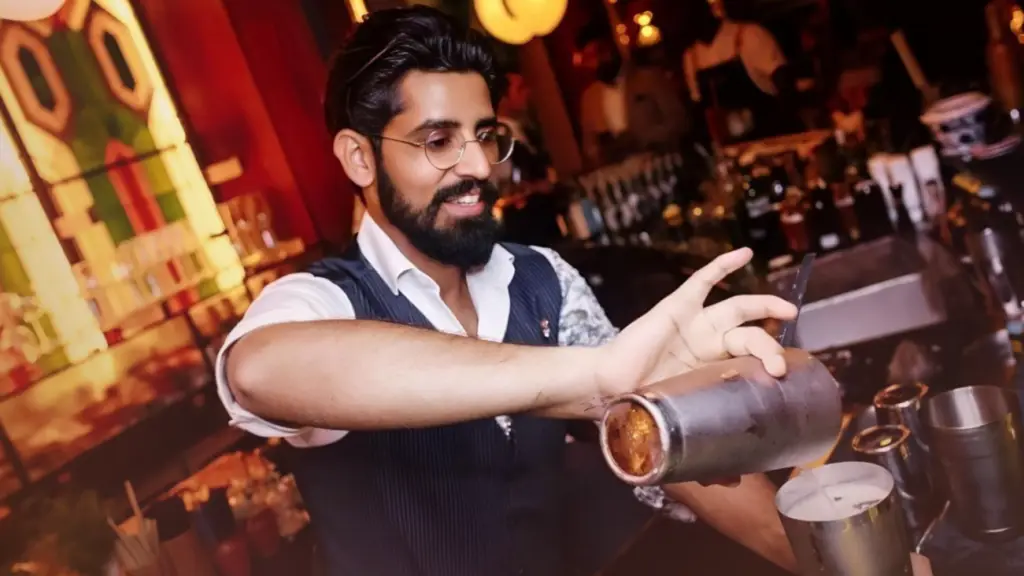
Hospitality and Cocktail Culture: The Foundation of Bartending
A well-made cocktail may earn attention, but hospitality determines the meaning of the exchange. It begins before an order is taken, in the way a guest is acknowledged, understood and given a place within the room. Bartending becomes hospitality when technical skill is directed towards another person rather than displayed for its own sake. Service […]
September 29, 2026
Partnership
Illegal Cocktail: The Mezcal Cocktail That Reframes the Daiquiri Structure
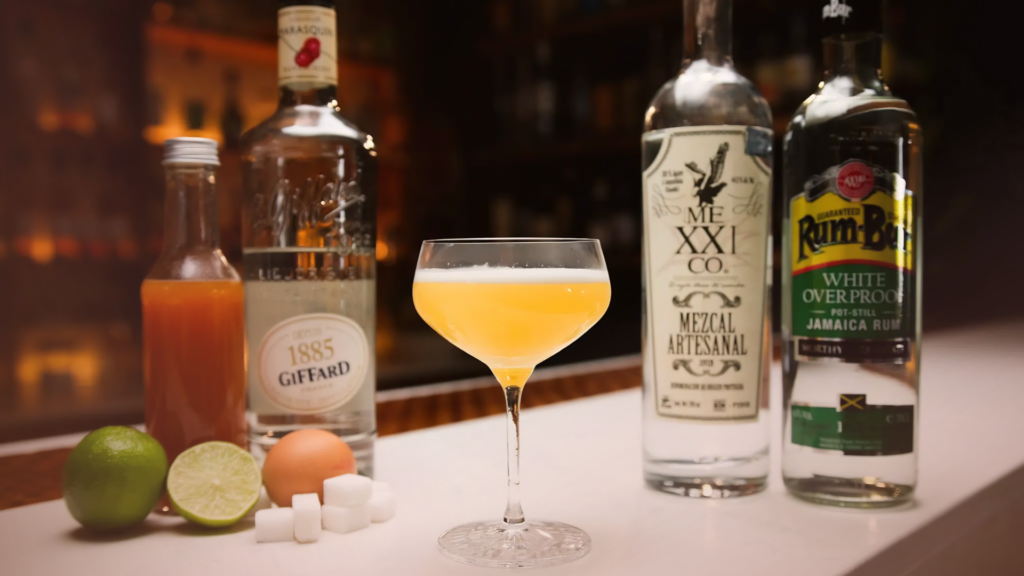
The Illegal cocktail follows a familiar outline, but the result is distinctly different. Built around mezcal, lime, falernum, maraschino, simple syrup, and a measure of Jamaican overproof rum, it takes the logic of a sour and shifts it into a drier, more aromatic profile. The drink is credited to Italian bartender Samuele Ambrosi, with its […]
September 24, 2026
Partnership
IBA Tiki: Codifying Tropical Structure Within Modern Cocktail Standards
Tiki has never been a single drink, but in this case the name points to one specific modern cocktail. The IBA Tiki is not a broad label for tropical classics such as the Mai Tai or the Zombie. It is a defined drink connected to the International Bartenders Association, Cuban bartending culture, and a recent […]
September 17, 2026