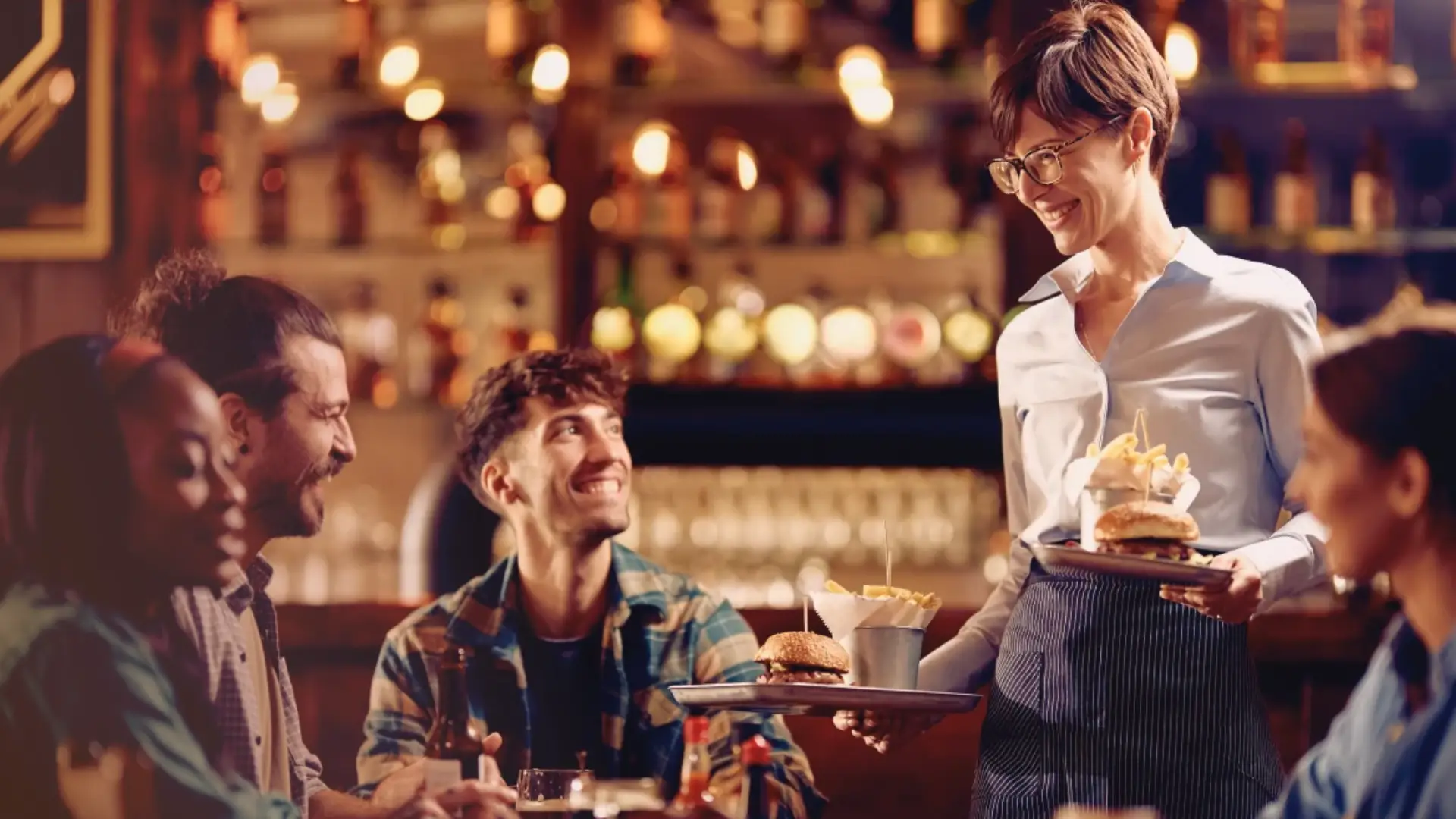
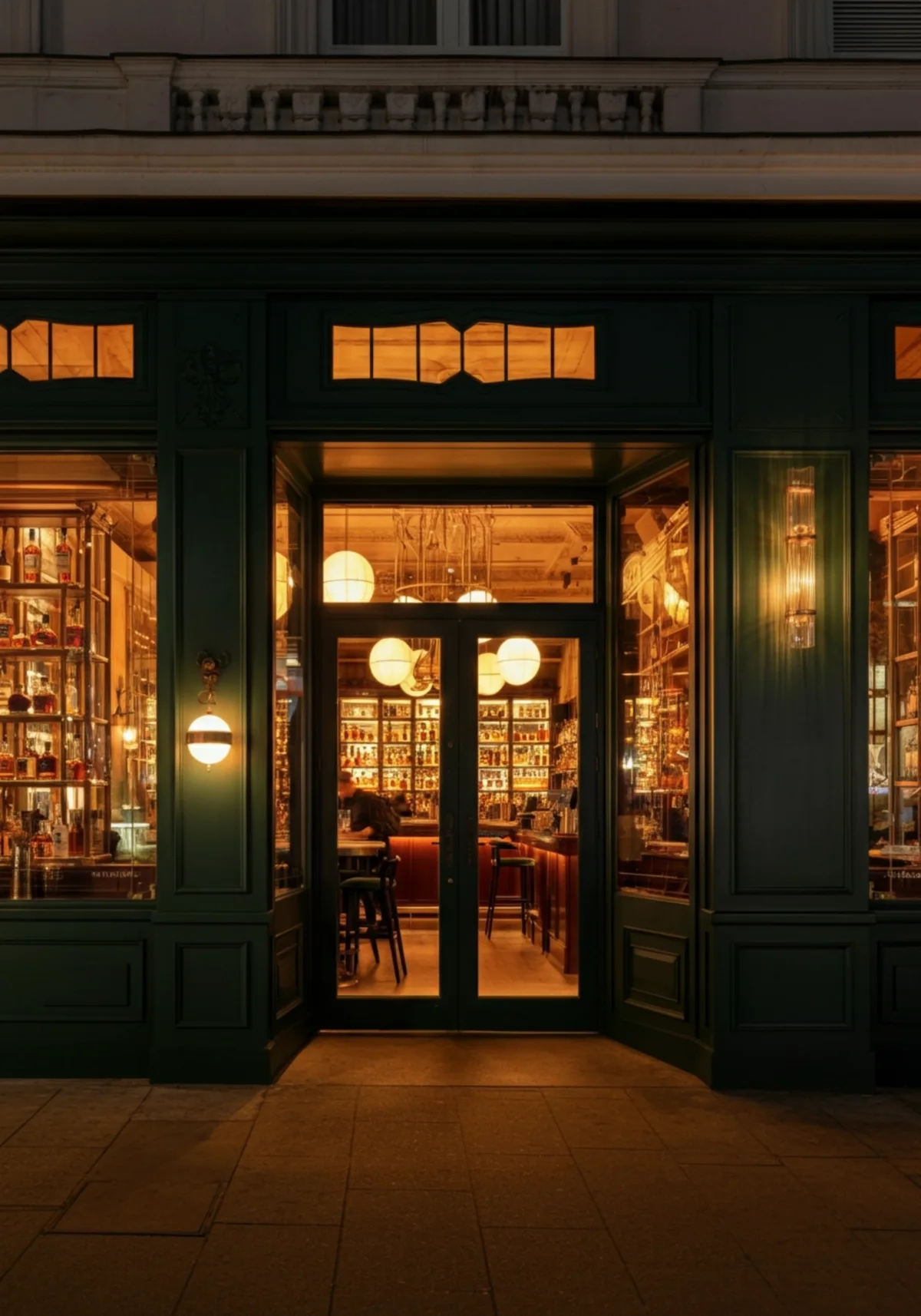
A bar is encountered as a sequence rather than a single moment. The arrival, the welcome, the first reading of the room, the menu, the drink and the departure all contribute to an impression that extends beyond what is in the glass. Experience is the form created by those elements together. It is broader than service and more complex than decoration because it depends on how the room, the people and the drinks respond to one another over time.
Drinking places have long served as social rooms as well as commercial ones. Historic taverns, cafés and later hotel lounges offered settings in which conversation, observation and public life unfolded around a drink. Their character was shaped not only by what they served but also by who gathered there, how the space was arranged, and how its rhythm was managed. The modern cocktail bar inherits this social function, even when its design and audience are entirely contemporary.
Bar Experience and the Role of Hospitality in Cocktail Culture
Experience should be distinguished from hospitality, although the two are closely connected. Hospitality concerns the relationship between host and guest. Experience includes that relationship, but also the physical and emotional environment surrounding it: lighting, sound, seating, menu language, glassware, pace and the order in which events occur. A technically accomplished drink may still feel misplaced if these other elements pull the evening in another direction.
Modern bars increasingly treat these elements as one connected system. The menu may carry the language of the room, the service style may echo its degree of formality, and the drinks may reinforce a historical, regional or conceptual theme. The strongest examples do not turn the guest into an audience for a rigid concept. They use design to create coherence while leaving enough space for conversation and individual choice.
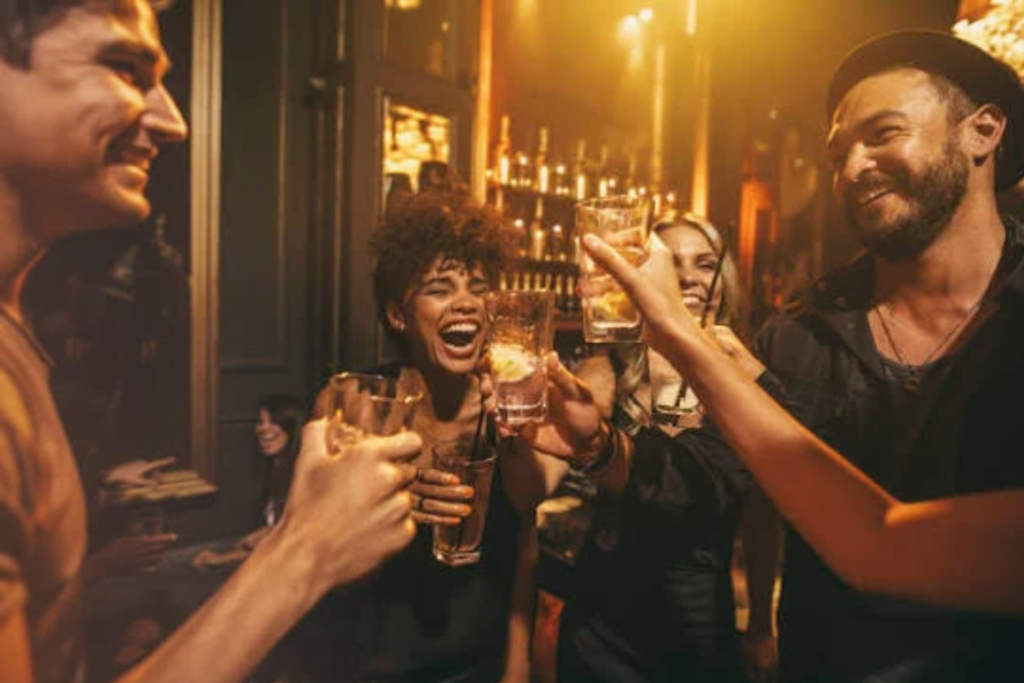
Behind the bar, experience is built through that coherence. A menu should feel connected to the room in which it is read. Music should support the pace rather than compete with conversation. Lighting should help the guest understand the mood without making the space difficult to navigate. Even the style of explanation matters. A drink introduced with too much detail can feel like a lecture, while one delivered without context may lose part of its meaning.
Cocktails can also shape the character of a visit. The Ramos Fizz carries an expectation of texture, patience and ceremony. The Espresso Martini is associated with a different energy, combining recognisable flavour with a more immediate visual and social impact. The Mai Tai, when treated with historical and cultural care, can evoke the layered atmosphere of 20th-century tiki bars without reducing the drink to decoration alone. Each example shows that a cocktail communicates before it is tasted.
The guest’s experience also depends on timing. A pause at the wrong moment can feel like neglect, while constant attention can become intrusive. The bar needs to sense when to explain, when to recommend and when to allow the guest’s own conversation to take priority. These decisions are rarely dramatic, yet they determine whether the room feels attentive or mechanical.
Consistency gives this process credibility. Returning guests recognise a bar not because every visit is identical, but because its standards remain legible. The greeting feels sincere, the menu has a clear point of view, the drinks arrive with purpose and mistakes are handled without defensiveness. Familiarity grows from this reliability, while individuality comes from the way each evening adapts to the people present.
Experience is therefore designed, but it cannot be fully scripted. A strong bar creates conditions in which good encounters are likely to happen, then leaves enough flexibility for the room to remain human. The most memorable spaces do not force attention towards themselves. They bring service, atmosphere and drinks into alignment so that the guest can inhabit the evening rather than merely observe it.
What remains afterwards is often less specific than a recipe or a piece of décor. It may be the ease of the room, the pace of the conversation or the feeling that the bar understood the occasion. That memory is the true measure of experience: not a separate feature of bartending, but the complete form in which bartending is received.

Renowned international hospitality consultant, founder of Barpartners, and IBA Vice President of Classic Mixology, bringing over 25 years of luxury hotel bar operations.

In partnership with International Bartenders Association
The International Bartenders’ Association stands at the crossroads of exchange between new and established generations of professionals.
Cocktail
The Spicy Tropical Paloma is a vibrant reinterpretation of the classic Mexican highball, combining the bright citrus backbone…
Cocktail
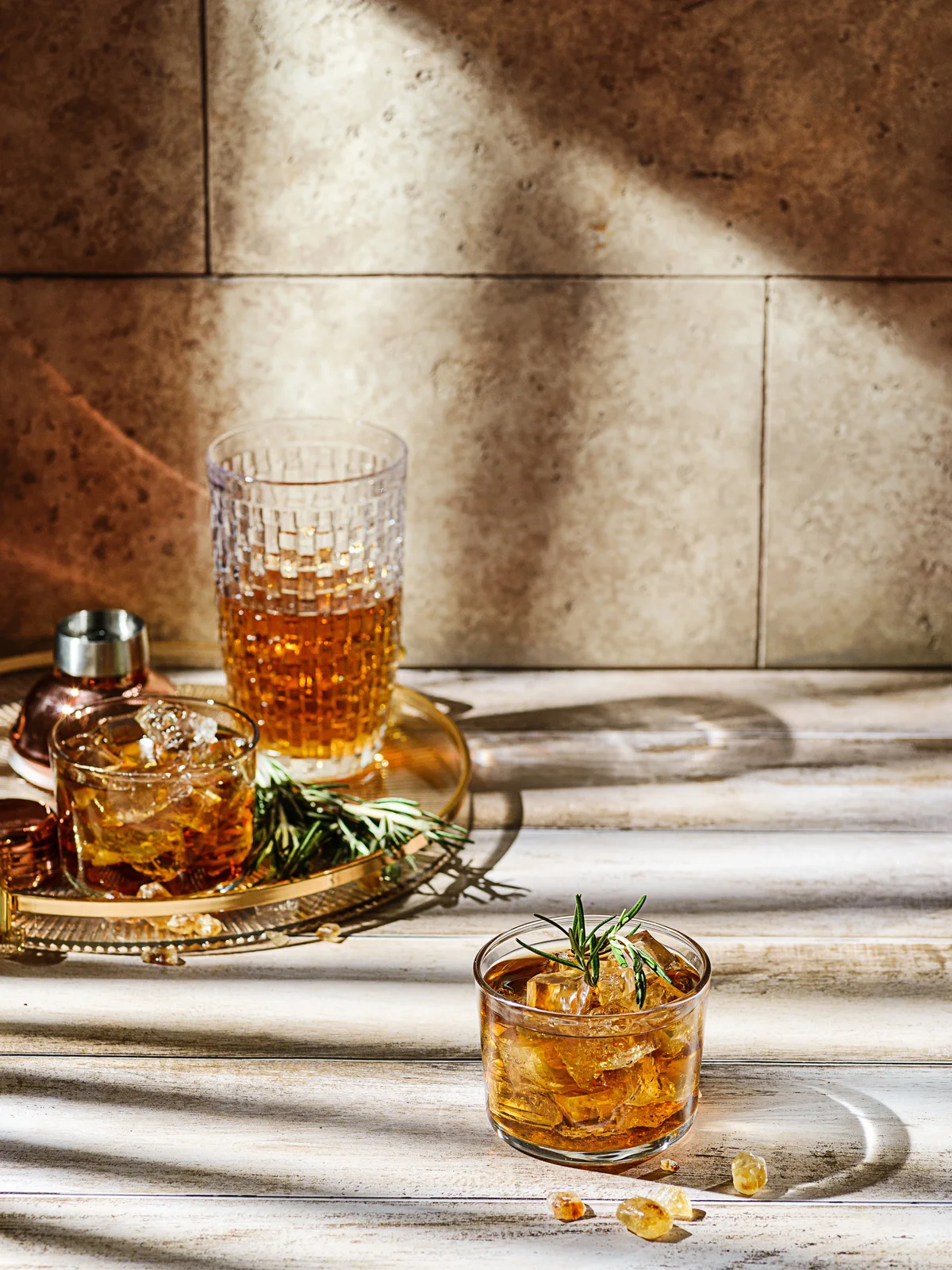
The Negroni Sbagliato is a lighter and more effervescent variation of the classic Negroni, replacing gin with sparkling…
Cocktail
The Mai Tai is one of the most iconic creations of mid-twentieth-century tiki culture, a cocktail that has…
Cocktail
The Martini is perhaps the most iconic cocktail in the world, a symbol of elegance, sophistication, and modernity.…
Cocktail
The Espresso Martini is a modern classic that combines the rich, bold flavor of freshly brewed espresso with…
Bars and Cocktails
Hospitality and Cocktail Culture: The Foundation of Bartending
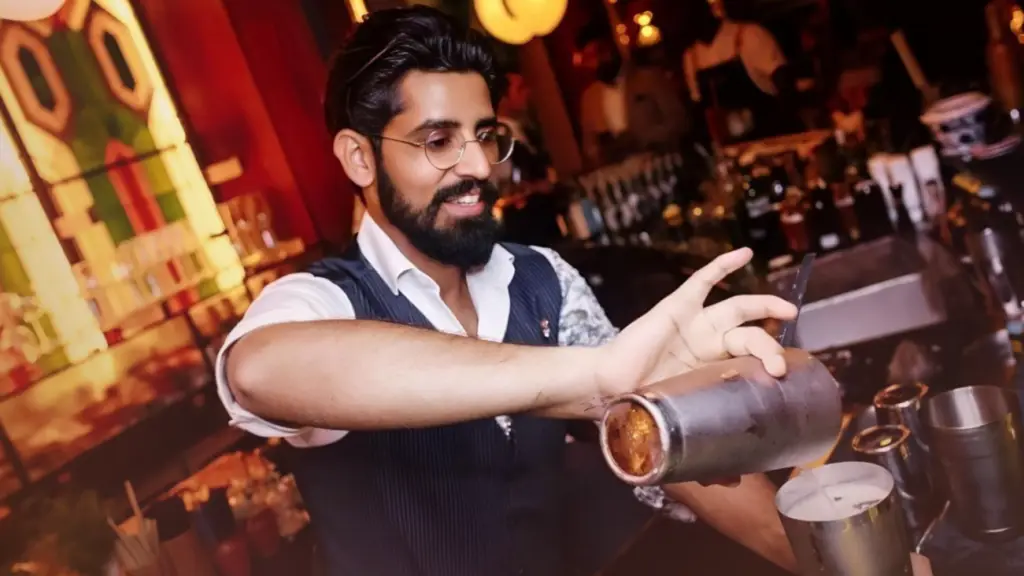
A well-made cocktail may earn attention, but hospitality determines the meaning of the exchange. It begins before an order is taken, in the way a guest is acknowledged, understood and given a place within the room. Bartending becomes hospitality when technical skill is directed towards another person rather than displayed for its own sake. Service […]
September 29, 2026
Partnership
Illegal Cocktail: The Mezcal Cocktail That Reframes the Daiquiri Structure
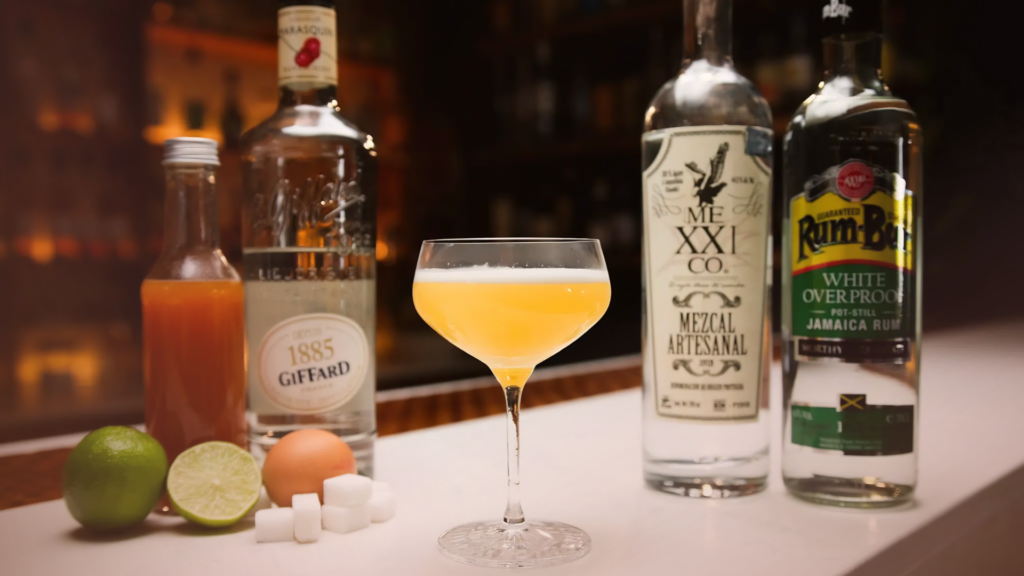
The Illegal cocktail follows a familiar outline, but the result is distinctly different. Built around mezcal, lime, falernum, maraschino, simple syrup, and a measure of Jamaican overproof rum, it takes the logic of a sour and shifts it into a drier, more aromatic profile. The drink is credited to Italian bartender Samuele Ambrosi, with its […]
September 24, 2026
Partnership
IBA Tiki: Codifying Tropical Structure Within Modern Cocktail Standards
Tiki has never been a single drink, but in this case the name points to one specific modern cocktail. The IBA Tiki is not a broad label for tropical classics such as the Mai Tai or the Zombie. It is a defined drink connected to the International Bartenders Association, Cuban bartending culture, and a recent […]
September 17, 2026