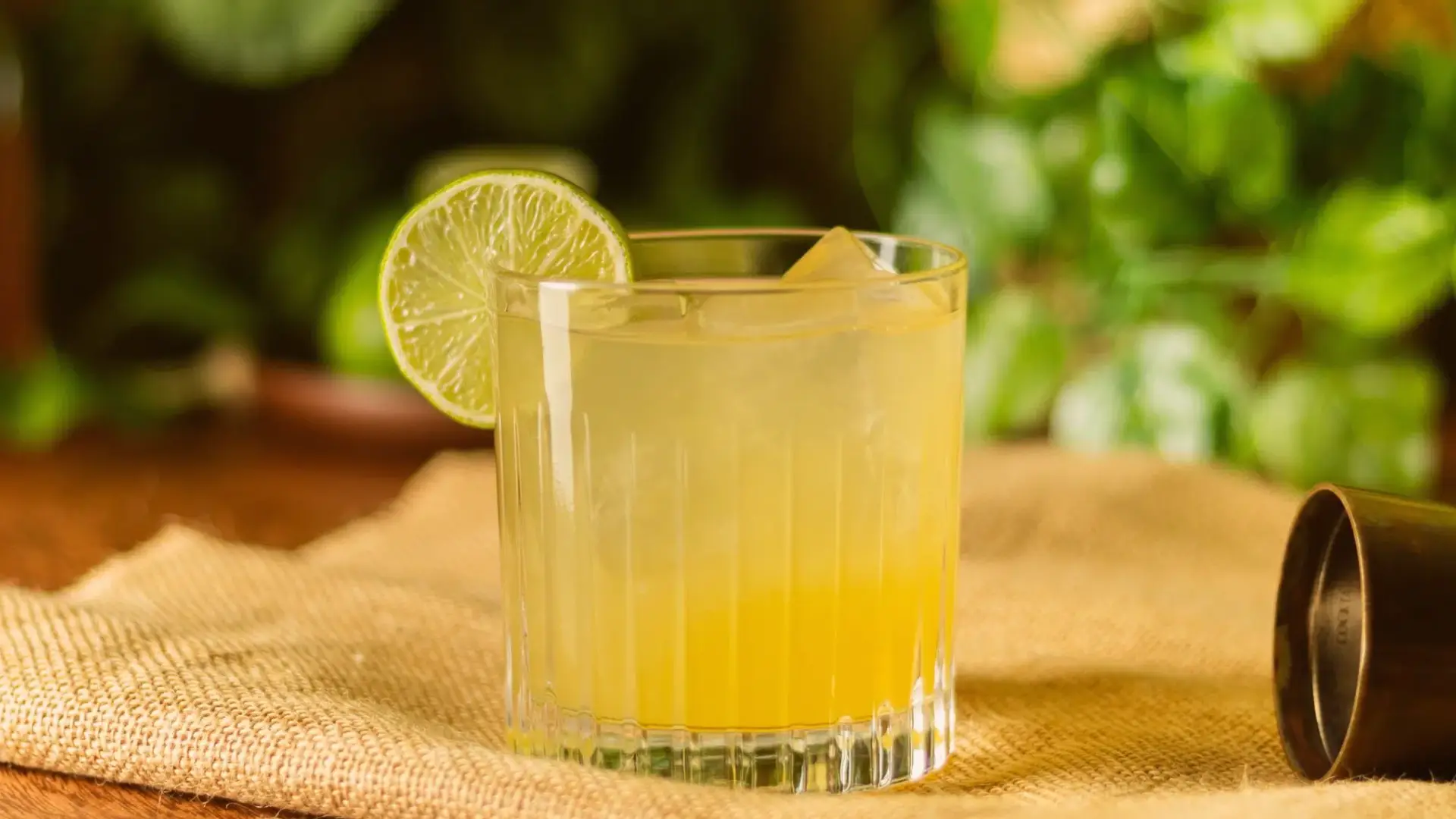
Long before the codification of classic cocktails in printed manuals or the emergence of international bar standards, there existed a drink in eastern Cuba that combined rum, honey, lime, and water in a form both practical and symbolic. The Canchánchara is not a product of bar culture in the conventional sense. It predates it. Its origins are tied to the Cuban War of Independence in the late 19th century, when mambí fighters consumed the mixture as both a refreshment and a remedy in Cuba’s tropical climate.
Unlike later rum cocktails developed in urban bars, the Canchánchara emerged from rural conditions, shaped by availability rather than design. Yet its structure reveals something striking. It anticipates the balance of the sour category, combining spirit, citrus, and sweetener in a way that would only later be formalised. What began as a field drink would ultimately become a foundation for understanding rum-based balance and Cuban cocktail identity.
Origins in Trinidad and the Mambí Tradition
The Canchánchara is most closely associated with Trinidad, one of Cuba’s oldest colonial cities, founded in 1514. During the nineteenth century, as Cuba moved through successive independence conflicts, local fighters relied on simple mixtures that could be prepared quickly using available ingredients. Raw aguardiente, often unaged and robust, was combined with honey and lime to create a drink that provided both energy and perceived medicinal benefits.
This context is essential. The drink was not initially conceived for leisure. Honey was believed to soothe the throat and provide strength, while lime contributed freshness and helped mitigate the harshness of early distillates. The result was a functional composition that foreshadowed later cocktail logic, even though it existed entirely outside formal bartending.
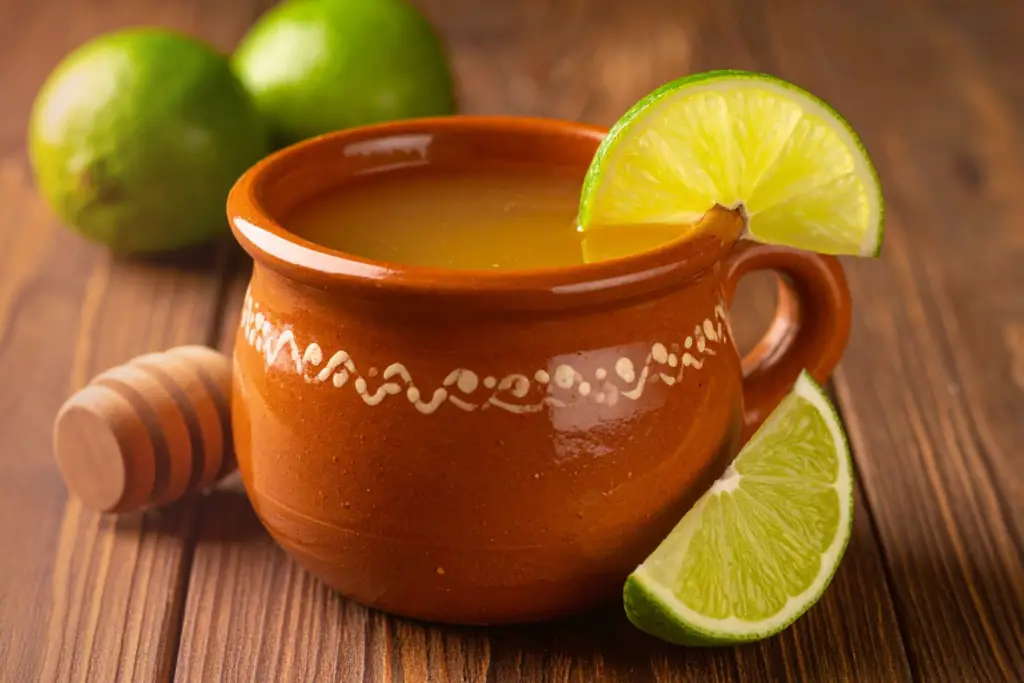
Today, the drink remains closely tied to its place of origin, particularly at La Canchánchara, where it is traditionally served in a small clay vessel, preserving both temperature and historical presentation.
Structure and Early Rum Composition
At its core, the Canchánchara combines rum, lime juice, honey, and water. Unlike the more refined rum styles that would later define Cuban cocktail culture, the original base was closer to aguardiente, a less rectified spirit with pronounced character. This distinction is important. The drink’s balance was designed around a more aggressive and less polished distillate, requiring honey rather than sugar to achieve integration.
Modern versions often use lighter Cuban-style rums such as Havana Club 3 Años, produced in Havana using column distillation and short ageing before charcoal filtration. This results in a cleaner profile, which shifts the balance of the drink toward brightness and subtle sweetness rather than intensity.
The inclusion of water is another defining feature. Unlike many classic cocktails, the Canchánchara incorporates dilution directly into its build, reflecting both climate and function. This produces a drink that is refreshing, lightly structured, and designed for sustained consumption.
Honey and Lime Before the Daiquiri
One of the most significant yet often overlooked aspects of the Canchánchara is its relationship to later Cuban cocktails. The combination of rum, citrus, and sweetener predates the Daiquiri, which would emerge in the early twentieth century near Santiago de Cuba. While the Daiquiri refined the formula through the use of sugar and precise chilling, the Canchánchara represents an earlier stage, where ingredients were less processed and techniques less formalised.
This positions the drink as a historical bridge between rural tradition and modern cocktail craft. It demonstrates that the principles of balance central to contemporary bartending were already present in informal contexts long before they were documented.
Cuban Rum and Regional Identity
The evolution of the Canchánchara cannot be separated from the development of Cuban rum. Producers such as Havana Club and Santiago de Cuba Rum represent different stages in this progression, from early production methods to more refined, technically controlled distillation.
Cuban rum is characterised by column distillation, controlled fermentation, and tropical ageing, resulting in lighter, more elegant profiles compared to heavier Caribbean styles. When used in the Canchánchara, these rums transform the drink into something more polished, yet the original structure remains intact.
This adaptability is key. The cocktail retains its identity even as the base spirit evolves, illustrating how structure can transcend changes in ingredient quality and technique.
Contemporary Presence and Bar Interpretation
In modern bars, the Canchánchara appears less frequently than the Daiquiri, yet it has gained renewed attention as interest in historical and regional drinks has expanded. Its simplicity makes it accessible, but its balance requires careful execution, particularly in the integration of honey.
At bars focused on Cuban and Caribbean traditions, the drink is often presented with minimal modification, emphasising authenticity. Elsewhere, it may be adjusted through the use of different honey types or variations in dilution, aligning with contemporary preferences for ingredient-driven cocktails.
Despite these interpretations, the essential character remains unchanged. The Canchánchara continues to function as a reference point for understanding rum, citrus, and natural sweetness in their most direct form.
Technical and Cultural Details Often Overlooked
Several details distinguish the Canchánchara from later cocktails. The use of clay cups in Trinidad is not merely aesthetic. The material helps maintain temperature and subtly influences the drinking experience, reinforcing its historical context.
Another overlooked aspect is the drink’s role outside formal hospitality. Unlike cocktails developed in hotels or bars, the Canchánchara belongs to a tradition in which drinks were integrated into daily life and survival rather than curated experiences.
Its name itself is believed to derive from local dialect, though its exact linguistic origin remains uncertain. What is clear is that the drink carries both cultural and historical weight, linking contemporary Cuba to its past in a tangible way.

Renowned international hospitality consultant, founder of Barpartners, and IBA Vice President of Classic Mixology, bringing over 25 years of luxury hotel bar operations.

In partnership with International Bartenders Association
The International Bartenders’ Association stands at the crossroads of exchange between new and established generations of professionals.
Cocktail
The Clover Club is a classic pre-Prohibition cocktail that exudes elegance, refinement, and a delicate balance of flavors.…
Cocktail
Citrus Coke is a refreshing and lively cocktail that elevates the classic cola experience by introducing bright, zesty…
Cocktail
Apple Cider Punch is a festive beverage that highlights the crisp and comforting flavors of apples, making it…
Cocktail
The Daiquiri stands as one of the purest expressions of cocktail craft, celebrated for its elegance, simplicity, and…
Spirit
Santiago de Cuba Extra Añejo 20 YO Rum
Santiago de Cuba Extra Añejo 20 YO Rum is an exceptional spirit that showcases the rich heritage and…
Spirit
Havana Club 'Iconica' Selección De Maestros Rum
Havana Club Selección de Maestros Rum is a distinguished Cuban rum noted for its smoothness and complex flavor…
Partnership
Boban Lazarević: Built in a Training Room, Proven on a World Stage in 20224
Before Boban Lazarević won the title, before the stage lights, there was repetition. In Belgrade, bartending doesn’t always begin behind a busy counter. For many, it begins in a classroom. Inside Bar Central Belgrade, run by the Bartenders Association of Serbia, drinks are broken down long before they are served. Recipes are practised until they […]
August 17, 2026
Partnership
Jigger and Pony: The Craft of Hospitality Behind Asia’s Most Consistent Cocktail Bar
Energy carries the room at Jigger and Pony. Not noise, not spectacle, but a steady, deliberate rhythm shaped by people who understand that a bar lives or dies by how it makes guests feel. Set within Amara Singapore in Singapore, the bar has built its reputation not on a single defining drink or concept, but […]
August 15, 2026
Partnership
Don’s Special Daiquiri: How Donn Beach Redefined the Daiquiri in 1930s Hollywood
The classic Daiquiri, associated with Cuba in the late nineteenth and early twentieth centuries, is defined by restraint. Rum, fresh lime, and sugar create a precise equilibrium where each component is clearly legible. Donn Beach’s (known as Don’s Special Daiquiri)version begins with this structure but shifts its direction. Passion fruit introduces a broader tropical acidity, […]
August 6, 2026