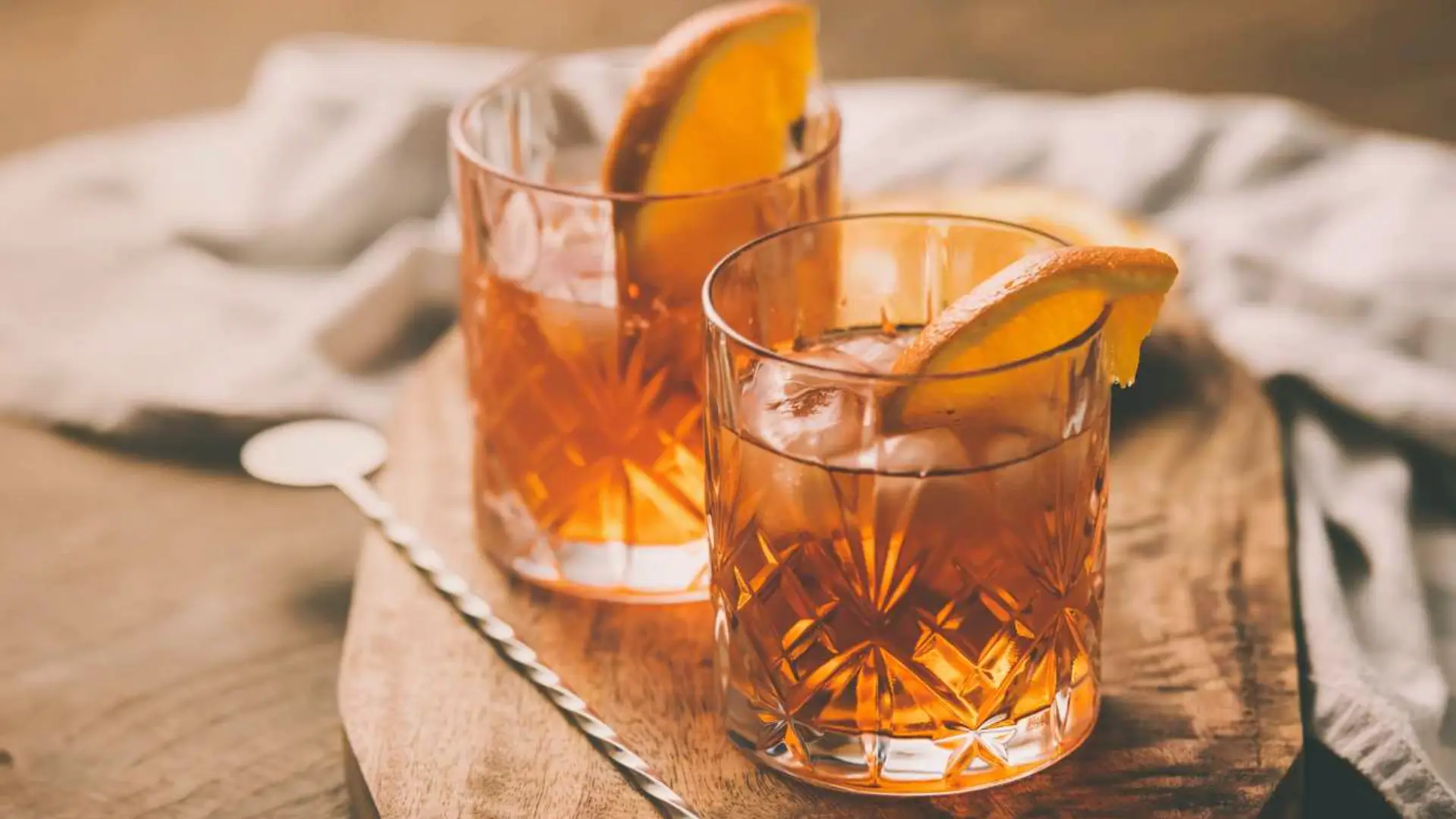
Balance is one of the central ideas in bartending, yet it is rarely experienced as a single flavour or technique. It is recognised through the way a drink holds together: strength does not suppress aroma, sweetness does not obscure acidity, bitterness remains purposeful, and water gives the ingredients room to unfold. For the bartender, balance is not a decorative quality added at the end. It is the relationship that allows the entire drink to make sense.
The principle can be seen in one of the earliest printed definitions of the cocktail. In 1806, a newspaper in Hudson, New York, described it as a combination of spirit, sugar, water and bitters. That brief formula already contained several forces requiring control: alcoholic strength, sweetness, dilution and aromatic bitterness. It did not establish one permanent recipe, but it captured an enduring idea. A cocktail becomes coherent when its parts are organised in proportion to one another.
Balance as the Foundation of Cocktail Structure
19th-century manuals made this reasoning more visible. Jerry Thomas’s How to Mix Drinks (1862) gathered a wide range of mixed drinks and described the processes used to prepare them. Harry Johnson’s New and Improved Bartender’s Manual (1882) extended the professional discussion beyond recipes to bar organisation, service and working practice. Together, such books show that balance was never limited to taste alone. It also depended on method, consistency and the bartender’s ability to reproduce an intended result.
The Daiquiri as a Lesson in Precision
The Daiquiri offers one of the clearest examples. Rum, lime and sugar create a compact structure in which each element exposes the others. Too much sweetness dulls the fruit and spirit; too much acidity makes the drink feel abrupt; insufficient dilution leaves the ingredients disconnected. When the relationship is right, the drink does not taste like three separate components. It acquires a single, resolved shape.
The Margarita and Sidecar: Similar Structures, Different Judgements
The Margarita and Sidecar belong to a related family, but their modifiers alter the calculation. Orange liqueur contributes sweetness, aroma and alcoholic weight, so the balance cannot be understood only as a contest between citrus and sugar. The character of the base spirit also matters. Tequila brings vegetal and mineral notes to the Margarita, while Cognac gives the Sidecar a broader, more vinous centre. Similar structures therefore require different judgments.
When Balance Does Not Mean Equality
Other cocktail families show that balance does not always mean softening strong sensations. In a Negroni, bitterness is expected and should remain identifiable. Sweet vermouth and gin do not erase it; they give it context through sweetness, spice and botanical detail. In an Old Fashioned, sugar and bitters should frame the spirit rather than disguise it. These drinks are balanced because their dominant qualities are ordered, not because every sensation has been reduced to the same level.
Execution, Ingredients and the Bartender’s Judgement
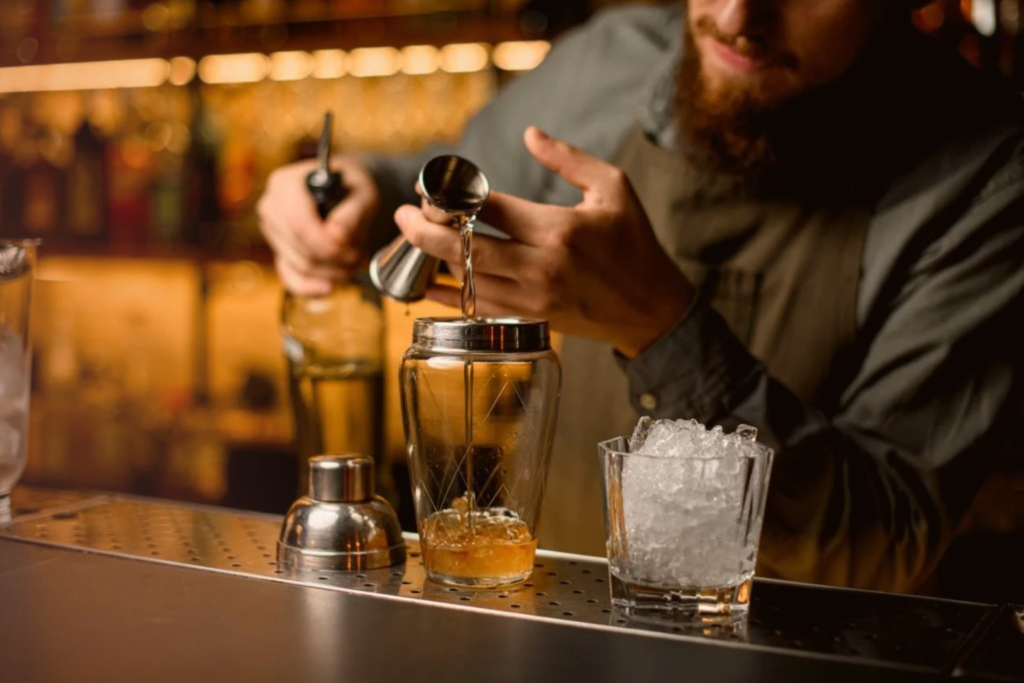
Execution can alter that order even when the written proportions remain unchanged. Temperature affects how sweetness, aroma and alcoholic strength are perceived. Dilution can open a drink or make it indistinct. Fresh citrus changes as it ages, vermouth changes after opening, and syrups vary in concentration. A specification is therefore a starting point rather than a guarantee. The bartender must understand the condition of the ingredients and the effect of the chosen method.
Balance Beyond the Glass
Modern cocktail practice renewed attention to this discipline. At New York’s Rainbow Room from the late 1980s, Dale DeGroff worked with classic formulas and fresh ingredients at a time when bottled mixers were common in many bars. The importance of that approach lay not in nostalgia, but in restoring direct control over acidity, sweetness and preparation. It showed how historical structures could be made relevant through careful execution rather than simple imitation.
Balance also operates beyond the individual glass. A menu needs variation in strength, texture, bitterness, sweetness and style so that each drink has a clear place. Service requires consistency without ignoring the guest’s preferences or the natural variation of ingredients. The bartender’s task is to preserve the identity of a drink while recognising when a small adjustment is necessary.
A balanced cocktail does not announce the labour behind it. It feels complete because each element has been given an appropriate role, from the base spirit to the water introduced during preparation. That sense of completeness is the structural language of the drink: a form of order that allows flavour, technique and intention to be understood in a single glass.

Renowned international hospitality consultant, founder of Barpartners, and IBA Vice President of Classic Mixology, bringing over 25 years of luxury hotel bar operations.

In partnership with International Bartenders Association
The International Bartenders’ Association stands at the crossroads of exchange between new and established generations of professionals.

Cocktail
The Tequila Fizz is a refreshing highball-style cocktail that adapts the classic “Fizz” format to showcase the distinctive…
Cocktail
The Tequila Sour is a spirited twist on the classic sour template, a family of cocktails that balance…
Cocktail
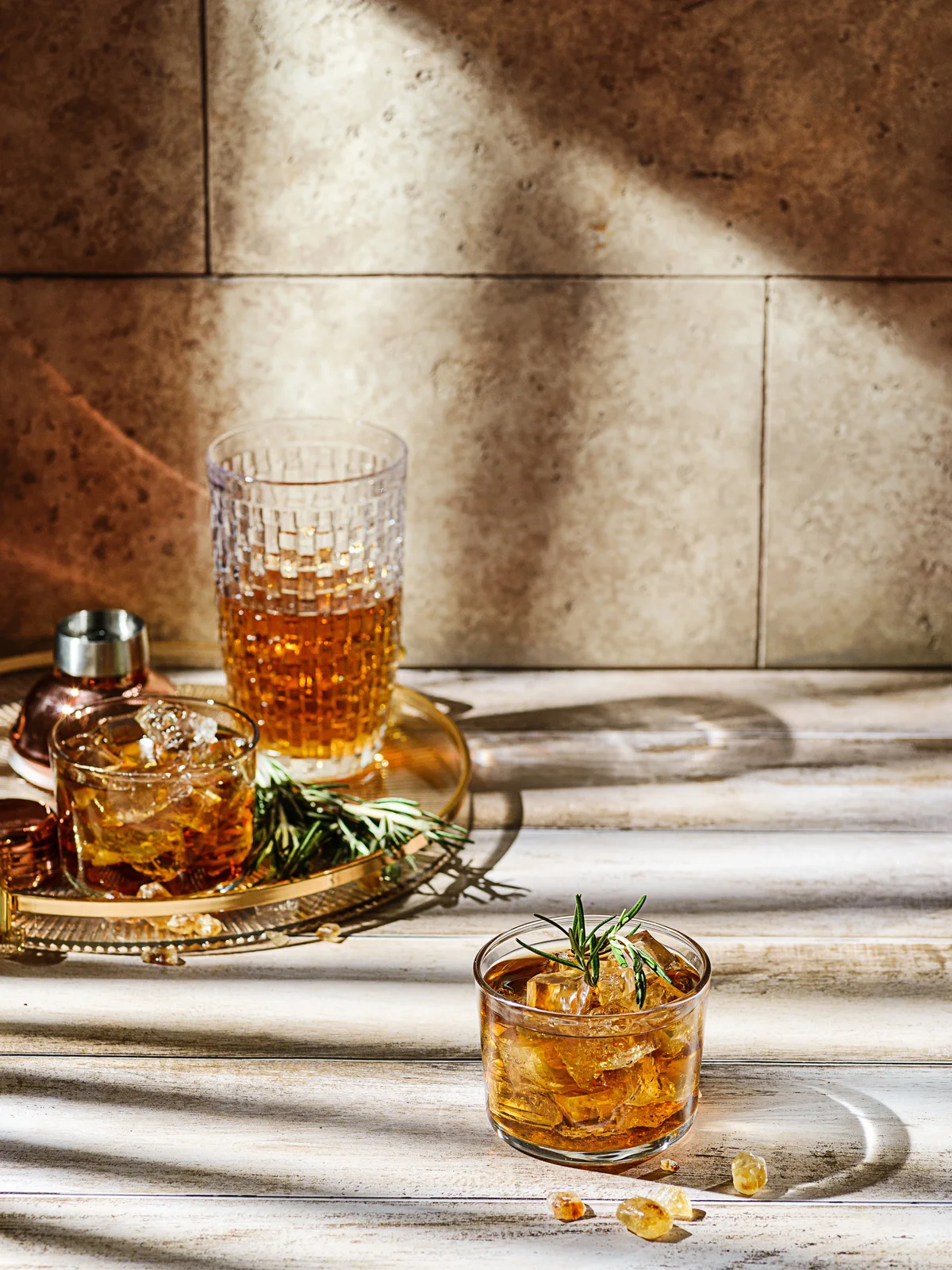
The Old Fashioned is widely regarded as the original cocktail, a simple yet profound combination that has endured…
Cocktail
The Daiquiri stands as one of the purest expressions of cocktail craft, celebrated for its elegance, simplicity, and…
Cocktail
The Negroni is one of Italy’s most celebrated cocktails, a symbol of refinement and balance that has remained…
Cocktail
The Sidecar is a cornerstone of classic cocktail culture, a refined balance of brandy, orange liqueur, and lemon…
Partnership
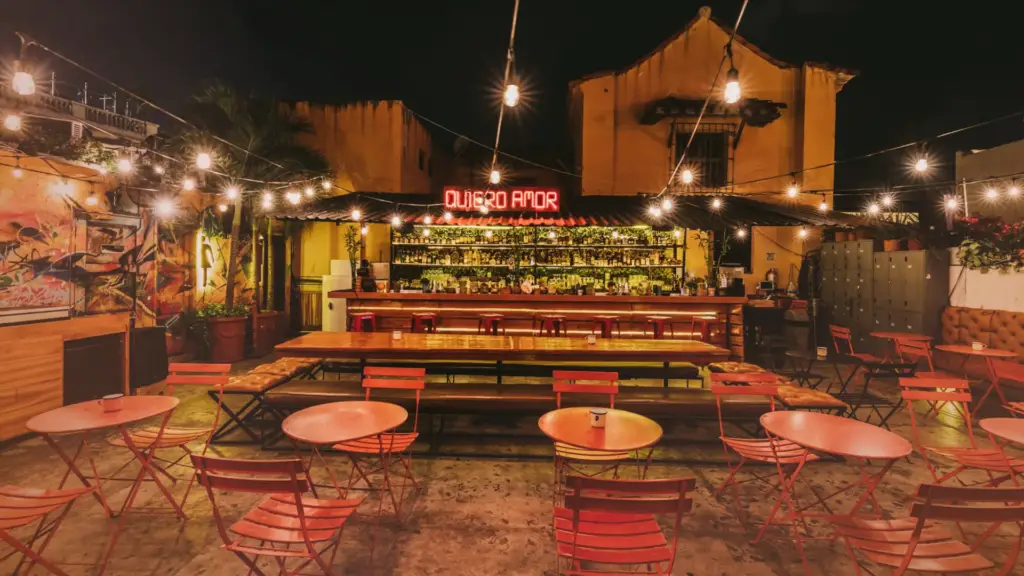
Alquímico in Cartagena: The Multi-Level Bar Where Precision Operates as One System
Within the historic walled city of Cartagena, Alquímico occupies a restored three-storey colonial building that has, since its opening in 2016, evolved into one of the most structurally complex cocktail operations in the world. What appears as a high-energy nightlife destination is, in practice, a fully integrated system combining agriculture, production, and service at scale, […]
September 12, 2026
Partnership
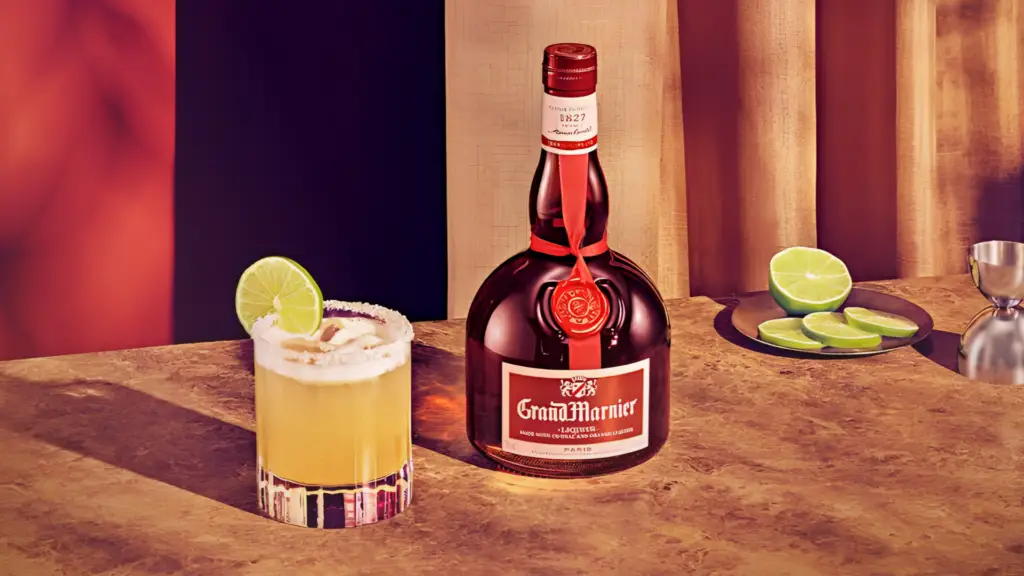
Grand Margarita: The Margarita Variation Defined by Liqueur Choice
The shift from a standard Margarita to a Grand Margarita happens in a single substitution, but the change is immediate in the glass. Where most builds rely on lighter orange liqueurs, this version is structured around Grand Marnier, introducing a deeper, more weighted profile that alters how the drink is perceived from the first sip. […]
September 10, 2026

Partnership
Tres Monos in Buenos Aires: The High-Energy Bar Redefining Cocktail Craft
Volume comes first. Not just music, but movement, conversation, the rhythm of a room that rarely settles. At Tres Monos in Buenos Aires, energy is not an accessory to the experience; it is the structure that holds everything together. What appears spontaneous is, in reality, tightly controlled, with every drink, every gesture, and every interaction […]
September 5, 2026