For years, Delhi’s most recognisable drinking rooms belonged to hotels, private clubs, and restaurants where the bar played a supporting role. Service could be polished and the surroundings impressive, but the identity of the venue often came from the institution around it rather than the person behind the counter.
That balance began to change during the 2010s. Independent concepts became more confident, bartenders became visible authors of menus, and design moved beyond imported ideas of luxury. A bar could now be built around music, regional ingredients, modern Indian visual language, or the personality of a small hospitality team.
By the middle of the 2020s, Delhi had developed a bar culture that was easier to recognise as its own. The city still borrowed global forms, particularly the speakeasy, cocktail lounge, listening room, and hybrid social venue, but the most interesting operators were no longer satisfied with imitation.
They began asking a more difficult question: what should a modern bar in Delhi actually represent?
Beyond the Hotel Bar
Delhi’s older drinking culture was shaped partly by its position as a political and diplomatic capital. Large hotels, formal restaurants, private clubs, and institutional spaces provided many of the city’s best-known bars.
These establishments offered consistency, privacy, and a controlled atmosphere. They also reflected a particular social structure, one in which access, dress, membership, and professional status could matter as much as the quality of the bar programme.
Independent venues changed that relationship. Their identity did not depend on a hotel name or historic club building. They had to create their own reason for existing through design, music, food, service, and a clearly defined point of view.
This did not make the newer spaces automatically more welcoming or less expensive. Some retained a deliberate sense of exclusivity, and the language of secrecy became a commercial style of its own. What changed was the source of authority. The bar itself became the main attraction.
PCO and the Arrival of the Speakeasy Idea
PCO, short for Pass Code Only, became one of Delhi’s most visible early interpretations of the modern speakeasy.
The original American speakeasies were illegal businesses created during Prohibition. Their secrecy was practical, shaped by the threat of police action and closure. In contemporary hospitality, the same visual language is largely theatrical. Concealed entrances, dark interiors, controlled access, and coded identity are used to create anticipation.
PCO helped establish that theatre in Delhi. The concept showed that entry, lighting, sound, furniture, and the movement between rooms could form part of the hospitality experience before a bartender began a conversation.
Its influence can be seen in the number of later venues that adopted discreet façades, hidden doors, dim rooms, and an atmosphere of discovery. The strongest lesson was not the secrecy itself. It was the understanding that design could prepare the guest emotionally for what followed.
Over time, the speakeasy idea also revealed its limitations. Once secrecy becomes common, it stops being surprising. Delhi’s newer bars have therefore had to move beyond the hidden door and offer a stronger cultural or creative argument inside.
Sidecar and the Bartender as Author
If PCO helped make the room itself part of the experience, Sidecar strengthened the position of the bartender as an author.
Closely associated with Yangdup Lama and Minakshi Singh, Sidecar emerged from a professional culture built around training, hospitality, and a belief that cocktails could be serious without becoming unfriendly. Its significance lies less in individual accolades than in the way it connected international cocktail standards with a recognisably Indian voice.
The bar’s approach has included house preparations, local spirits, coffee, spices, and ingredients drawn from Indian food and beverage traditions. These elements are not valuable simply because they are local. Their importance depends on whether they are understood, handled carefully, and given a clear role within the wider drink.
That distinction separates thoughtful localisation from decoration. Placing a familiar spice or regional name on a menu does not automatically create cultural depth. A successful menu must explain the ingredients through balance, service, and context rather than treating Indian identity as a theme added at the end.
Sidecar also represents the growing importance of professional continuity. Delhi’s cocktail culture did not appear through one fashionable opening. It developed through bartenders who trained teams, moved between establishments, built consultancies, taught younger professionals, and treated hospitality as a long career rather than a temporary role.
Lair and India as a Landscape
Lair represents a later stage in Delhi’s cocktail development, when storytelling became more geographical and visually ambitious.
Its interior uses contemporary forms, controlled lighting, and a deliberately enclosed atmosphere. The surrounding design supports a menu language that draws on different Indian landscapes, including mountains, coasts, forests, and agricultural regions.
This approach reflects a wider shift within Indian hospitality. Earlier menus often borrowed heavily from established European and American cocktail traditions, occasionally adding an Indian ingredient as a variation. Newer programmes are more willing to begin with Indian geography, agriculture, memory, and flavour before deciding what form the finished drink should take.
There is a risk of turning a large and complicated country into a collection of attractive regional references. India’s culinary traditions cannot be reduced to a short list of spices, fruits, or visual motifs.
The stronger programmes recognise that regional storytelling requires research. An ingredient has a place of origin, a season, a community of producers, and a use outside the bar. When those relationships are acknowledged, menu design becomes a form of interpretation rather than simple novelty.
The Piano Man and the Bar as a Listening Room
Not every important Delhi bar has been defined primarily by cocktails.
The Piano Man helped establish a different model in which live performance sits at the centre of the room. Music is not treated as background decoration added to an ordinary restaurant service. The stage, the audience, and the expectation of attentive listening shape the venue’s character.
This matters because nightlife is often measured through volume, movement, and crowd size. A listening room asks for something else. It requires the bar, kitchen, service team, performers, and audience to coexist without one element overwhelming the others.
The Piano Man’s long presence in Delhi coverage also shows the value of consistency. Nightlife venues are vulnerable to changing fashion, property costs, licensing, and audience migration. A strong cultural programme can create a reason for people to return that extends beyond a new menu or redesigned interior.
Its influence belongs to the wider hospitality story because bars are social spaces before they are product catalogues. Music can organise a room just as effectively as architecture, and a regular programme can build a community that no marketing launch can reproduce quickly.
Auro and the Multidisciplinary Night
Auro Kitchen & Bar developed another form of cultural hospitality, combining food and bar service with performances that move between electronic music, independent bands, alternative scenes, and experimental programming.
The important shift here is from a venue offering entertainment to a venue acting as a platform. The programme can influence who gathers there, how long they stay, and what kind of cultural identity develops around the space.
Delhi’s independent music and creative communities have often needed commercial rooms capable of supporting performance without reducing it to background sound. Bars and restaurants can provide that infrastructure, although the relationship is not always easy.
Ticketing, artist fees, sound restrictions, licensing, staffing, and hospitality costs all place pressure on the model. When it works, the venue becomes more than a food and beverage business. It becomes part of the city’s cultural network. Auro’s relevance lies in this wider function. It shows how Delhi nightlife has expanded beyond the older division between a formal restaurant, a nightclub, and a concert venue.
Social and the Hybrid Urban Space
Hauz Khas Social belongs to a different part of Delhi’s hospitality evolution.
The wider Social concept blurred the boundaries between café, workplace, restaurant, bar, and event space. That flexibility suited an urban generation whose professional and social lives were increasingly connected through laptops, creative work, start-ups, and digital culture.
The concept was not built around the quiet ritual of a specialist cocktail bar. Its energy came from a mixture. Work shifted into dinner, dinner into music, and a daytime room could take on a different identity after dark.
In Hauz Khas, that model also interacted with a neighbourhood already associated with fashion, art, restaurants, lake views, nightlife, and rapid commercial change. The venue became part of a larger urban transformation in which older village structures and new hospitality businesses occupied the same crowded geography.
The hybrid model made bar culture more visible to people who might not have entered a traditional hotel lounge or specialist cocktail room. It also introduced a looser, more democratic atmosphere, though popularity brought noise, congestion, and the pressures that accompany nightlife districts everywhere.
Design Becomes More Than Decoration
Delhi’s contemporary bars increasingly understand that design must support behaviour.
A narrow room can direct attention towards the counter. A listening venue must protect sightlines and sound. A music-led space needs circulation, durable surfaces, and a clear relationship between stage and service. An intimate cocktail room depends on lighting that creates privacy without making the work of the bartender invisible.
The strongest design does not compete with hospitality. It helps guests understand the room without needing constant instruction.
This is where Delhi’s newer bars have moved beyond the simple reproduction of international trends. Dark wood, brass, concrete, murals, books, geometric panels, and concealed entrances appear across the scene, but their meaning changes according to how each space is used.
Local visual influence has also become less literal. Indian design does not have to mean palace references, colonial nostalgia, or decorative excess. It can appear through materials, craft, colour, typography, art, music, and the use of space.
Local Ingredients and the Question of Authenticity
The growth of Indian spirits and local ingredient programmes has given bartenders more ways to express place.
Indian gin, whisky, rum, feni, coffee, tea, citrus, herbs, fruit, spices, fermented preparations, and regional pantry ingredients have entered contemporary bar conversations. Their presence reflects stronger domestic production as well as a new confidence among bartenders.
Yet local sourcing is not the same as authenticity. A bar can use an Indian ingredient poorly, just as it can use an imported one with intelligence and care. The better question is whether the ingredient has been understood. Does the menu acknowledge its origin? Does the preparation preserve something recognisable about it? Does the wider presentation avoid reducing a regional tradition to an exotic label?
Delhi’s most interesting programmes are beginning to treat these questions seriously. They present the country not as one flavour profile, but as a collection of climates, languages, farming systems, food cultures, and histories.
Bartending Becomes a Profession
The most important change may be the growing visibility of the people behind the bar. For many years, Indian hospitality celebrated chefs and restaurateurs more readily than bartenders. The bartender was often expected to deliver service without becoming part of the public identity of the establishment.
That hierarchy has weakened. Bartenders now lead menus, represent venues internationally, train teams, establish consultancy businesses, organise professional events, and build independent bars. Recognition brings new pressures. The language of celebrity can distract from the less visible work of preparation, stock management, cleaning, training, responsible service, and team leadership.
A healthy bar culture cannot depend on a few famous names. It needs career pathways, fair working conditions, serious education, and space for women and professionals from different regions and backgrounds to lead. Delhi’s progress should therefore be judged not only by international rankings or ambitious menus. It should also be measured by whether the city can retain skilled people and give them room to develop.
A Capital with Several Night-Time Identities
Delhi does not possess one unified nightlife culture. The formality of diplomatic and hotel bars still exists. Independent cocktail rooms offer another model, while music venues, hybrid social spaces, restaurants, neighbourhood bars, and private clubs serve different audiences.
These worlds overlap, but they do not always share the same expectations. Price, language, class, gender, location, transport, and personal safety shape who feels comfortable in each room. A complete history of Delhi after dark must recognise those divisions. The city’s bar culture can be creative and internationally visible while remaining inaccessible to large parts of the population.
That contradiction does not make its development unimportant. It makes the role of hospitality more demanding. A modern bar must think about who is welcomed, whose culture is represented, and whether design creates comfort or simply another form of exclusion.
Delhi’s new drinking culture did not emerge from one venue or one fashionable district. It developed through several changes happening together. Independent bars gained confidence, bartenders became authors, Indian ingredients entered menus with greater seriousness, and design began to shape the full experience rather than merely decorate it.
PCO demonstrated the power of atmosphere and controlled discovery. Sidecar strengthened bartender-led hospitality. Lair used Indian geography as a framework for contemporary storytelling. The Piano Man placed performance and attentive listening at the centre of the room, while Auro Kitchen & Bar and Hauz Khas Social showed how nightlife could overlap with music, work, food, and urban culture.
None of these models offers a final definition of a Delhi bar. Their importance lies in the range they created. The city no longer needs to borrow one idea of sophistication. Its strongest bars are learning to draw authority from their teams, neighbourhoods, ingredients, artists, and audiences. Delhi’s drinking culture remains uneven and unfinished. That may be its most honest quality. It is still deciding what kind of capital it wants to become after dark.
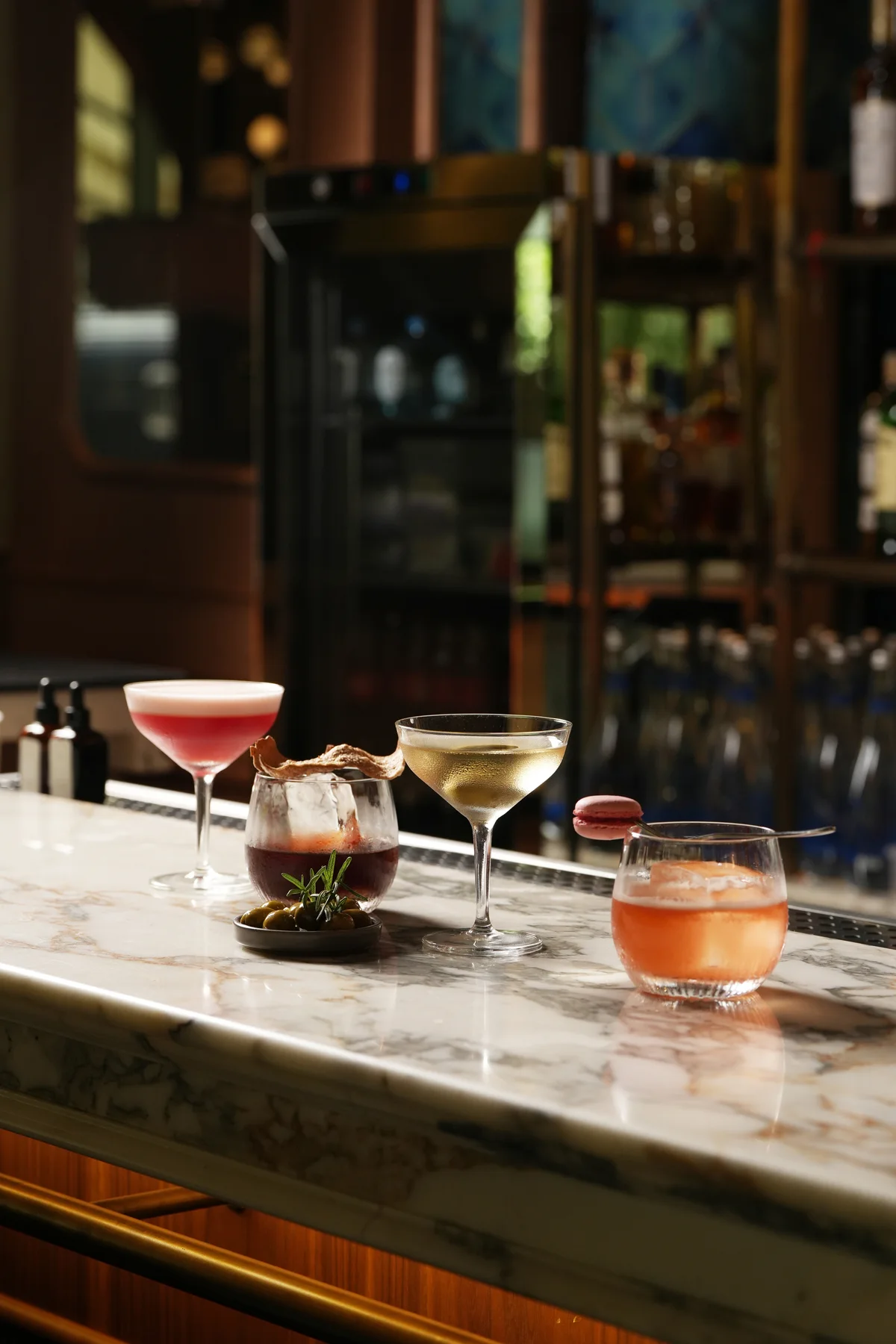
Bar
Sidecar is a distinguished two-level artisanal cocktail bar and restaurant nestled within the bustling M Block Market of…
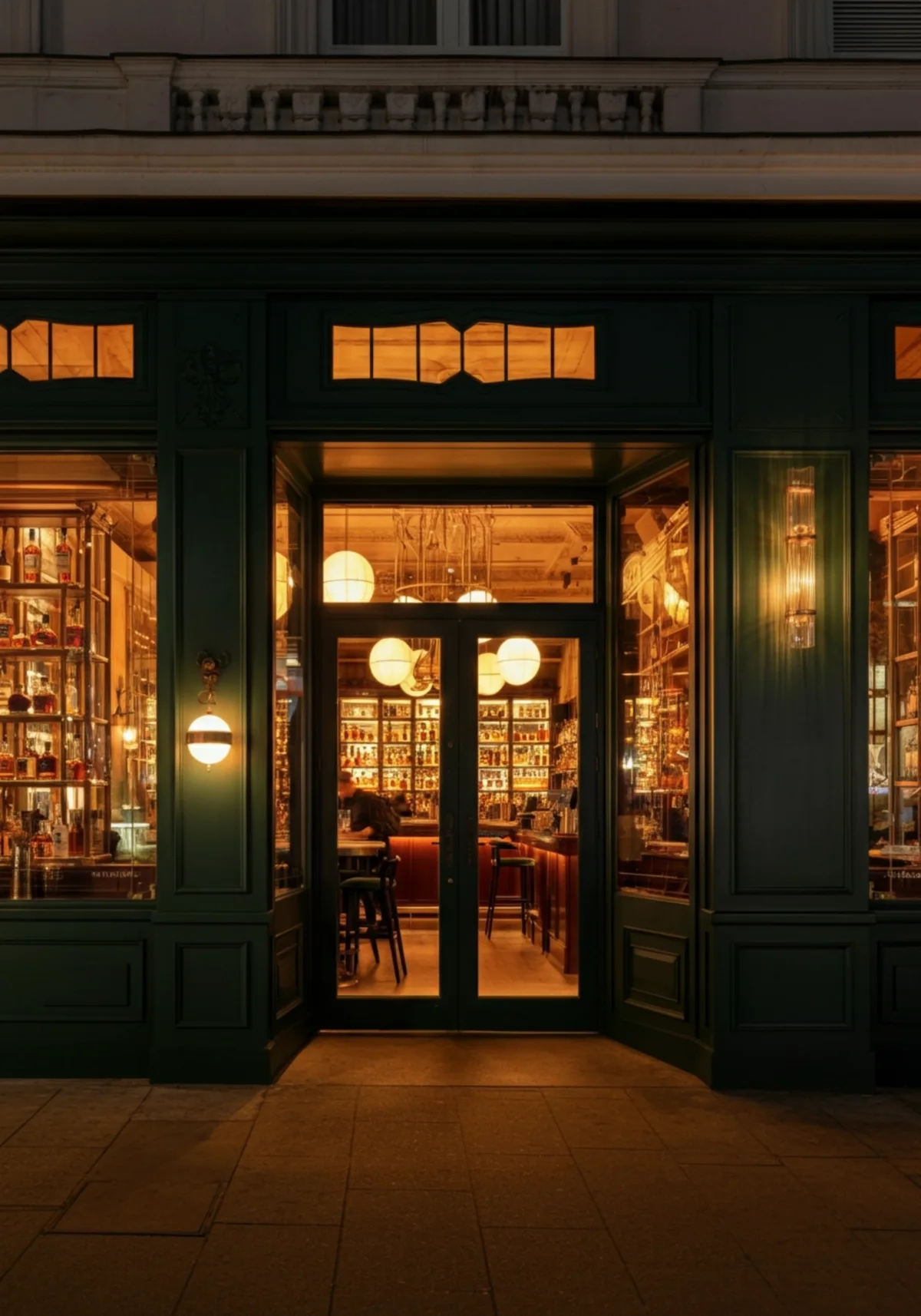
Bar
PCO, an acronym for Pass Code Only, is nestled discreetly in the Block Market of Vasant Vihar, New…
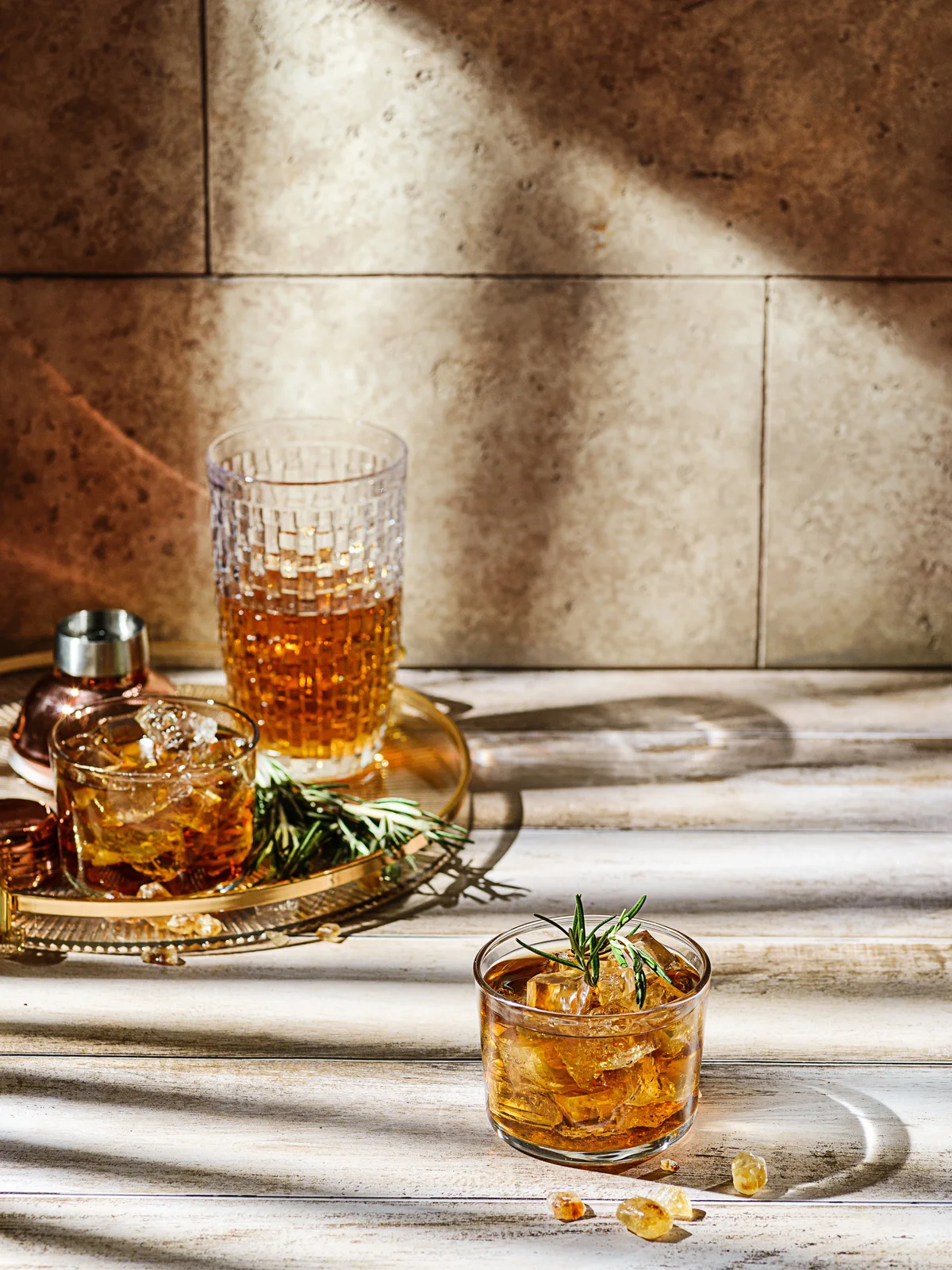
Bar
Lair is a contemporary speakeasy bar situated at 15, Market, Basant Lok, Vasant Vihar in New Delhi. Since…
Partnership
Sam Chatterji: Structure, Education, and the Rise of Indian Bartending on the Global Stage
Sam Chatterji’s work sits inside that transition. His early career was not defined by a single venue, but by movement across training, service, and education. Instead of focusing only on bar programs, he became closely involved in building structure, developing training systems, mentoring bartenders, and connecting local talent to global standards. In a market where […]
September 7, 2026
Partnership
Lady Bee: Structure, Scale, and the Quiet Discipline of Contemporary Peruvian Bartending
There are bars that announce themselves through concept, and others that build recognition through repetition. Lady Bee belongs firmly to the latter. Located in Lima, the bar has developed its reputation not through spectacle, but through consistency, technical control, and a steady refinement of classic structures within a contemporary Peruvian context. Since opening in 2017, […]
September 26, 2026
Partnership
Superbueno in New York: Precision, Identity, and the Return of Clarity in Cocktail Design
Not every bar in New York needs to announce itself loudly to be noticed. Superbueno opened in 2023 with a smaller room, a focused menu, and a level of clarity that quickly separated it from the noise. Within a year, it had already entered The World’s 50 Best Bars list, a rare trajectory that says […]
September 19, 2026