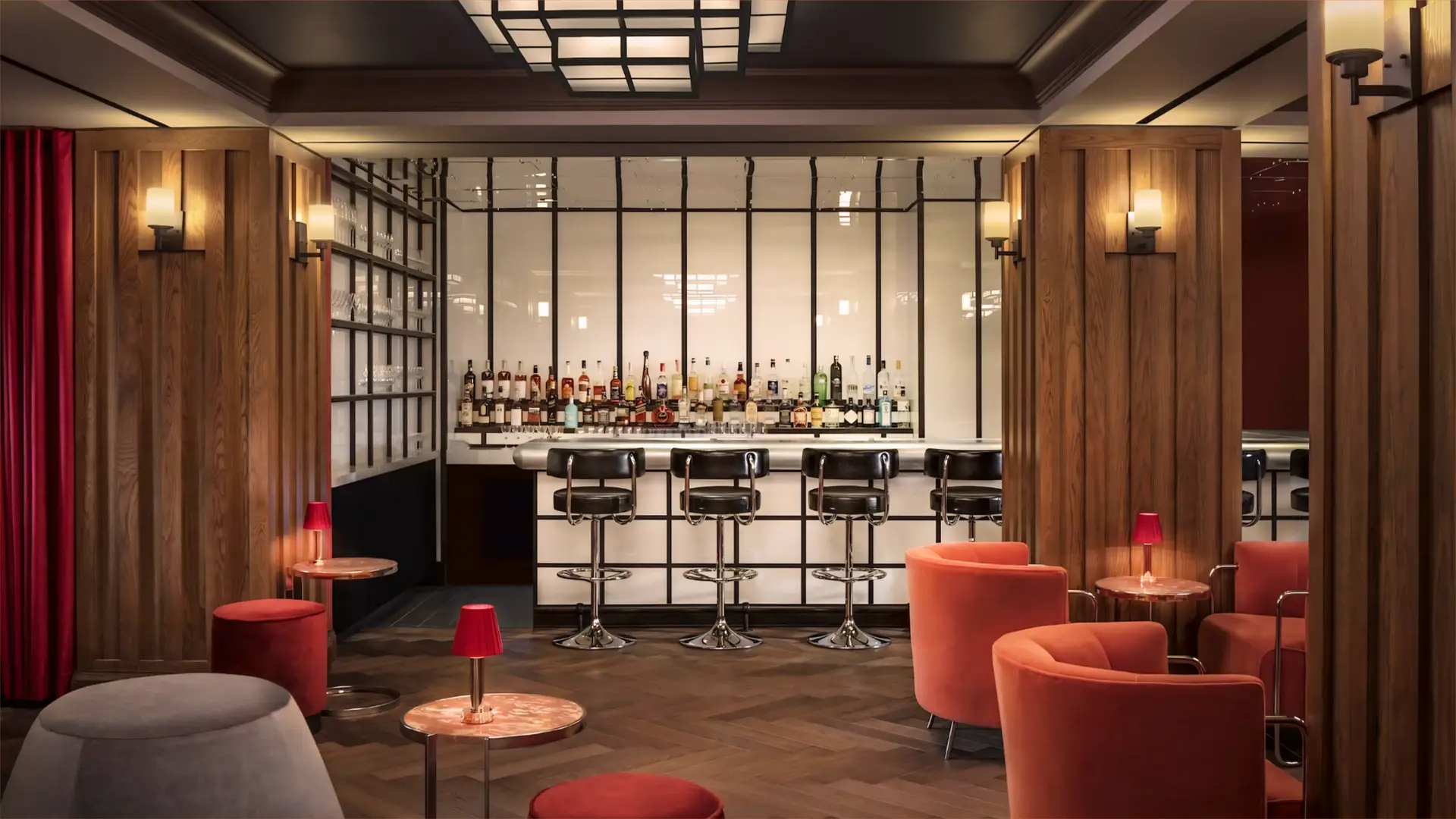
In 2013, in Hoxton, East London, White Lyan opened without elements most bars consider essential. There was no ice. No citrus behind the bar. No perishable garnishes. Ingredients were pre-prepared, bottled, and stabilised before service began. The absence was not aesthetic. It was structural.
Behind the project was Ryan Chetiyawardana, whose approach to bar design focused less on individual drinks and more on the systems that produce them. White Lyan did not attempt to refine existing cocktail practices. It removed them, then rebuilt the bar around control, consistency, and waste reduction. The result was not a variation of the modern cocktail bar. It was a different operating model.
Pre-production and the separation of service from creation
Traditional cocktail service is built around real-time preparation. Ingredients are combined à la minute, with freshness and immediacy treated as essential qualities. White Lyan separated these stages. Preparation occurred in advance, where ingredients could be measured, adjusted, and stabilised under controlled conditions. Service became an act of assembly rather than creation.
This shift reduced variability. Drinks could be reproduced with precision, independent of service pressure. It also addressed waste. Perishable ingredients, often responsible for spoilage and inconsistency, were replaced with components designed for longevity.
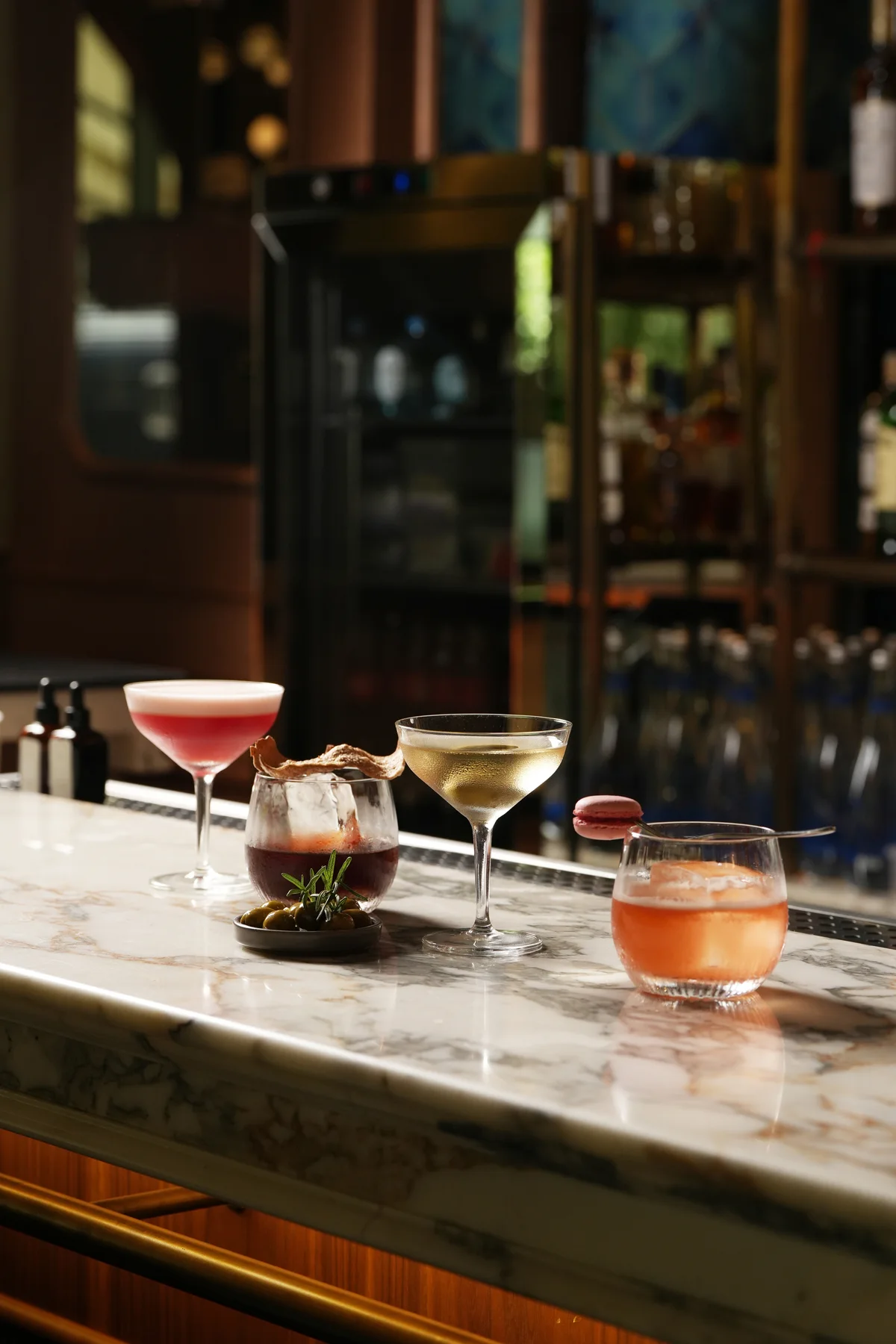
Cocktails such as the Bone Dry Martini and Moby Dick Sazerac reflected this system, where flavor was constructed before service and maintained through controlled storage.
Eliminating ice and redefining dilution
Removing ice from service altered a fundamental aspect of cocktail structure. Dilution, typically achieved through shaking or stirring with ice, was instead calculated in advance.
Water content was integrated into bottled cocktails at the preparation stage, allowing for consistent dilution across servings. Temperature control was achieved through refrigeration rather than interaction with ice during service.
This approach shifted dilution from a variable to a fixed parameter. It required precise calibration, as errors could not be corrected at the point of service. The system replaced flexibility with control.
Closing White Lyan and evolving the model
On April 8, 2017, White Lyan closed. The decision was not driven by failure, but by the limitations of a fixed concept. Ryan Chetiyawardana described the need for a space that could evolve more freely, moving beyond the strict constraints of the original system.
The site was transformed into Super Lyan, a bar that retained elements of pre-production and efficiency while reintroducing flexibility into service. The focus shifted toward accessibility and adaptability, allowing for a broader range of drinks and techniques.
Later, the same space became Cub, a collaboration with chef Doug McMaster that extended the zero-waste philosophy into food. Ingredients were used across both kitchen and bar, creating a closed-loop system where waste from one process became input for another. These transitions reflect an ongoing refinement of the original model rather than a departure from it.
Lyaness and the shift toward flavor systems
In 2018, Ryan Chetiyawardana opened Lyaness at Sea Containers London, marking another evolution in approach. Rather than focusing explicitly on zero-waste as a visible principle, Lyaness introduced the concept of flavor components, such as Infinite Banana and Purple Pineapple.
These components are developed through controlled processes and used across multiple drinks, reducing redundancy and improving efficiency. The system retains the core principles established at White Lyan, including pre-production and controlled preparation, while presenting them in a more flexible format. Waste reduction remains embedded in the structure, but it is no longer the defining narrative.
Spirits, sourcing, and system alignment
The Lyan bars integrate a wide range of spirits, including whisky, rum, and agave-based distillates, selected not only for flavor but for how they function within the system.
At Lyaness, spirits are combined with house-developed components to create drinks that maintain consistency while allowing variation. This approach aligns with producers whose spirits can integrate into structured builds without requiring extensive modification. The emphasis shifts from individual ingredients to how those ingredients behave within a controlled environment.
Redefining sustainability as operational design
The term ‘zero-waste’ often implies reduction. In Ryan Chetiyawardana’s work, it functions as a design principle. Waste is addressed at the system level rather than at the level of individual ingredients.
By stabilising components, extending shelf life, and integrating processes across bar and kitchen, the system reduces inefficiency without compromising output. The focus is not on eliminating waste, but on controlling it. This approach reframes sustainability as a matter of structure rather than intention.
Influence across modern bar culture
The impact of White Lyan and its successors extends beyond individual venues. The separation of production and service, the use of pre-batched components, and the emphasis on consistency have influenced bars globally.
These ideas have been adopted in different forms, often integrated into existing systems rather than replacing them entirely. The concept of the bar as a production environment, rather than solely a service space, has become more widely accepted. Ryan Chetiyawardana’s work contributed to this shift by demonstrating that alternative models could function at a high level.
Ryan Chetiyawardana’s approach to bar design is defined by systems thinking. Rather than refining existing practices, he restructured the relationship between preparation and service.
The evolution from White Lyan to Lyaness shows how these ideas can adapt over time, moving from strict constraints to more flexible applications. What remains consistent is the focus on control, efficiency, and the integration of processes. In this framework, the bar is not only a place where drinks are served. It is a system where decisions made before service determine everything that follows.
Bar
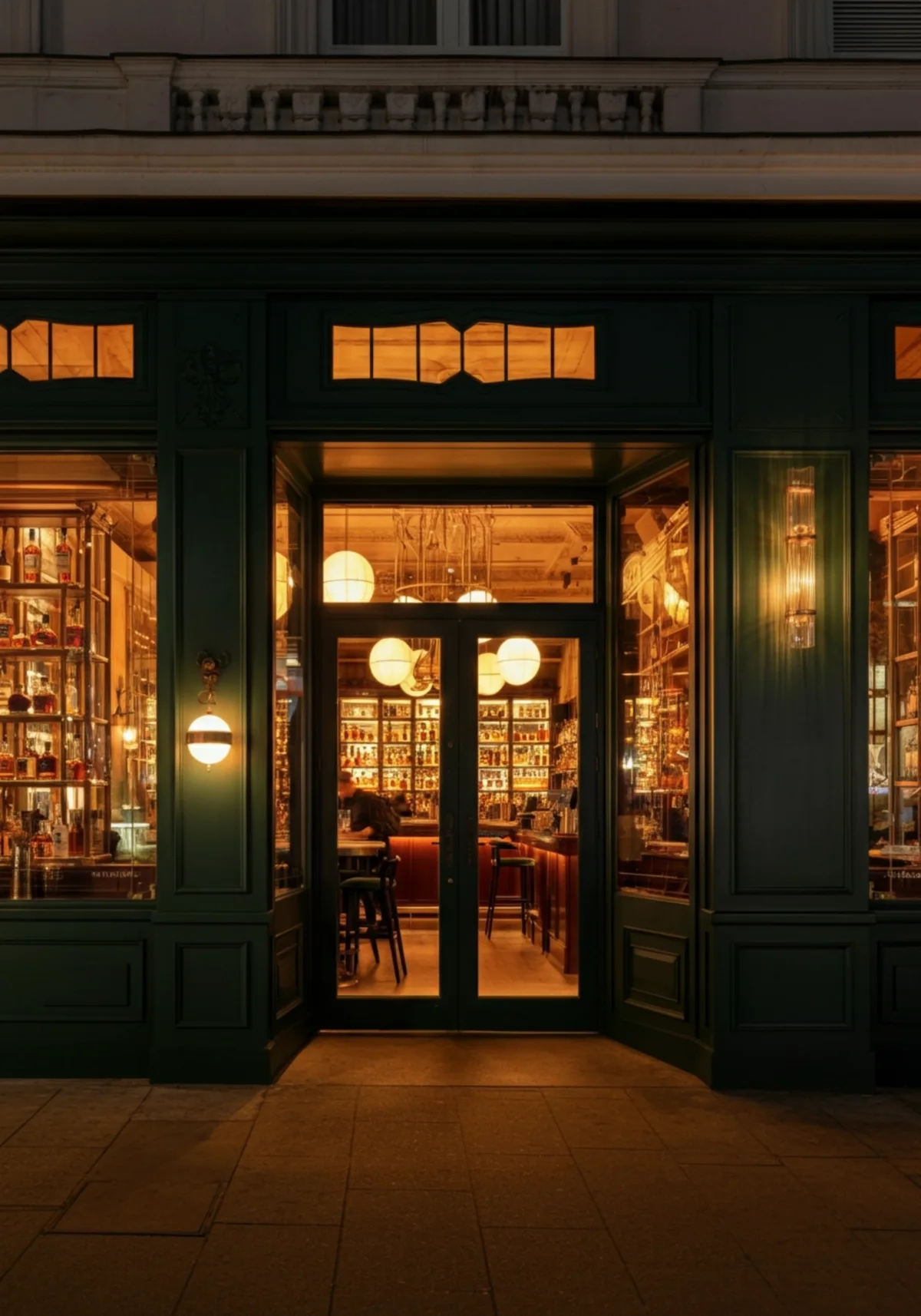
On the banks of the Thames, where the weight of London’s centuries-old history flows quietly past gleaming glass…
Bar
Super Lyan is a vibrant all-day cocktail venue situated at Nieuwezijds Voorburgwal 3 in the heart of Amsterdam,…
Cocktail
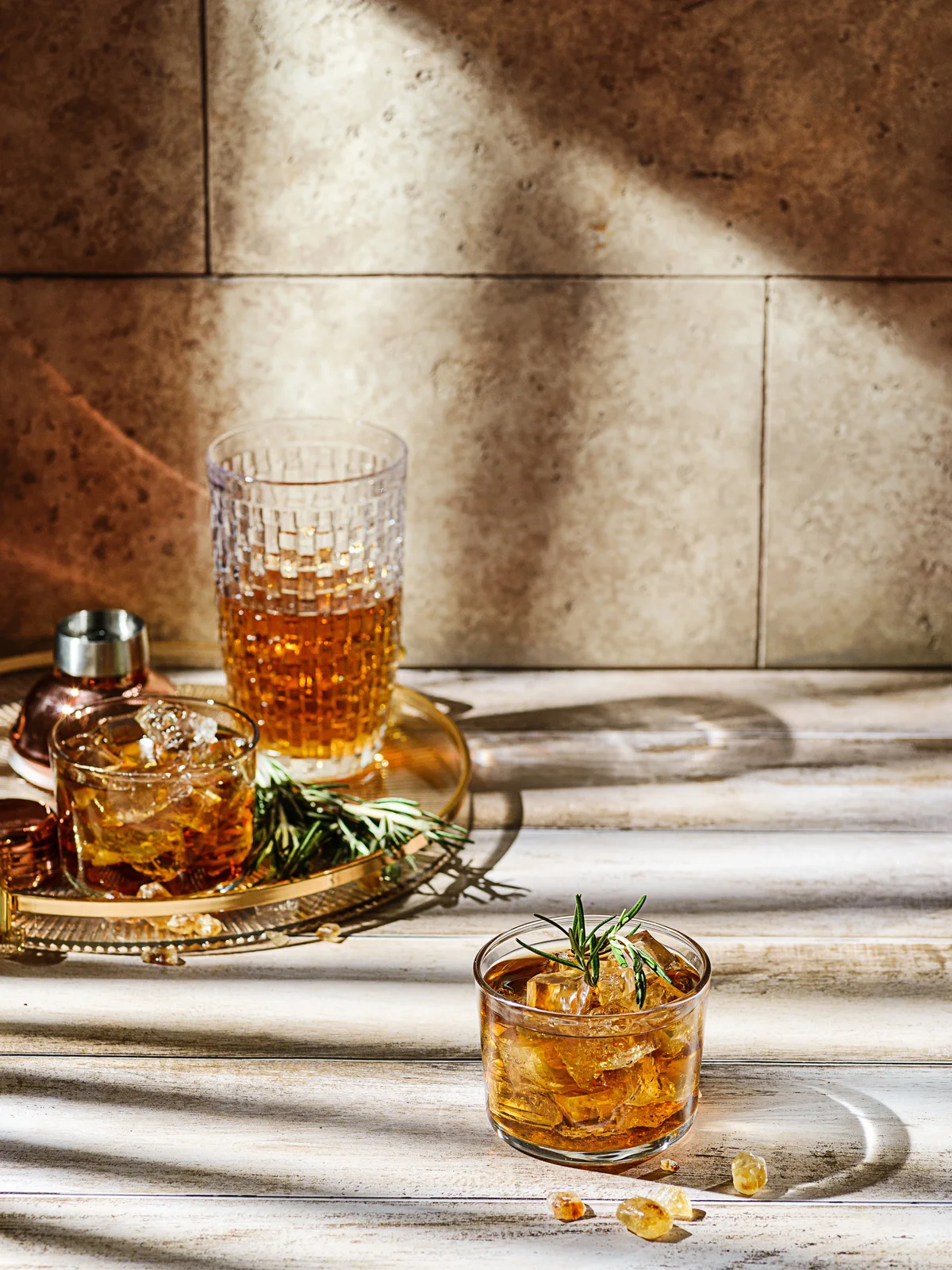
The Dry Martini is one of the most iconic and enduring cocktails in the history of mixology. Its…
Partnership
Superbueno in New York: Precision, Identity, and the Return of Clarity in Cocktail Design
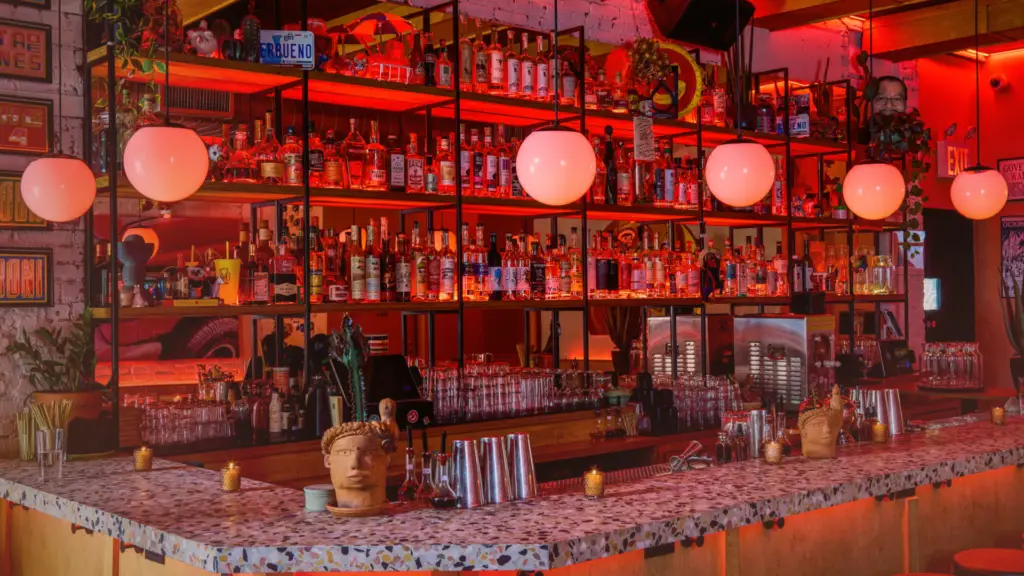
Not every bar in New York needs to announce itself loudly to be noticed. Superbueno opened in 2023 with a smaller room, a focused menu, and a level of clarity that quickly separated it from the noise. Within a year, it had already entered The World’s 50 Best Bars list, a rare trajectory that says […]
September 19, 2026
Partnership
French Guiana Rum: Discovering Pure Cane Juice Spirits Beyond the Caribbean Spotlight
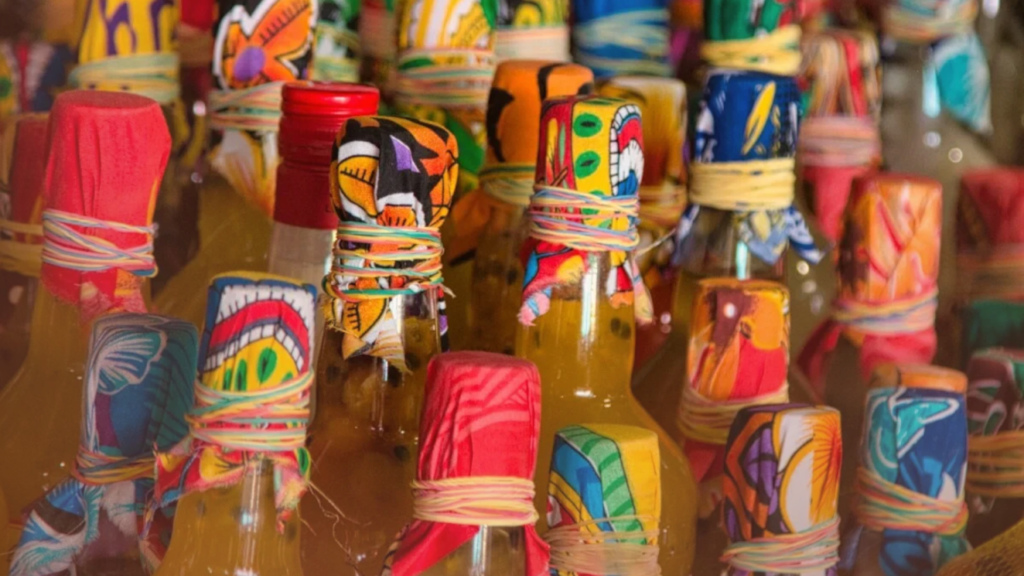
French Guiana is often overlooked in discussions of rum. It does not belong to the Caribbean island chain, and its production is far smaller than that of Martinique or Guadeloupe. Yet its cane-juice tradition holds a distinct place within the French overseas rum world. Located on the north-eastern coast of South America, French Guiana is […]
September 18, 2026
Partnership
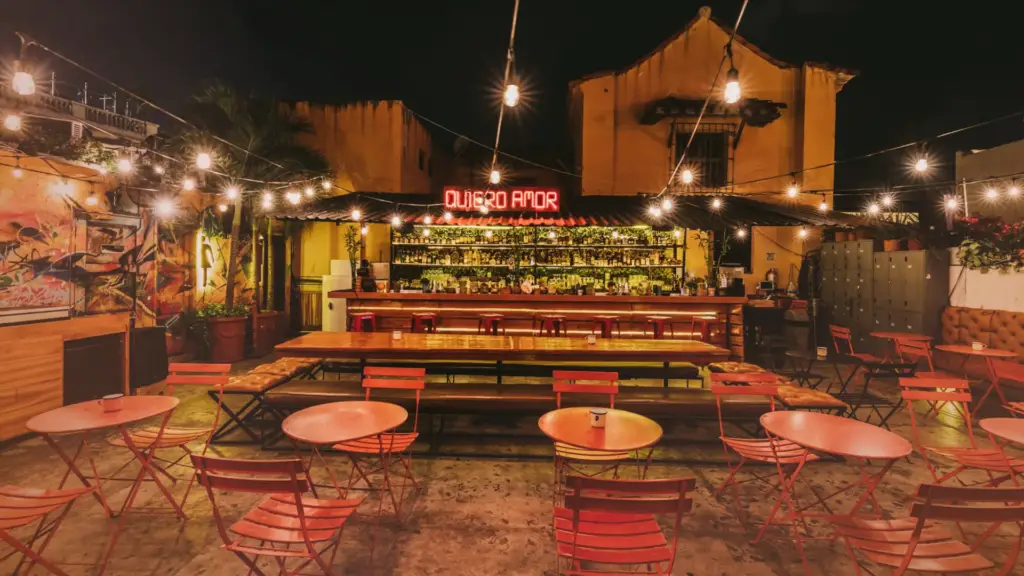
Alquímico in Cartagena: The Multi-Level Bar Where Precision Operates as One System
Within the historic walled city of Cartagena, Alquímico occupies a restored three-storey colonial building that has, since its opening in 2016, evolved into one of the most structurally complex cocktail operations in the world. What appears as a high-energy nightlife destination is, in practice, a fully integrated system combining agriculture, production, and service at scale, […]
September 12, 2026