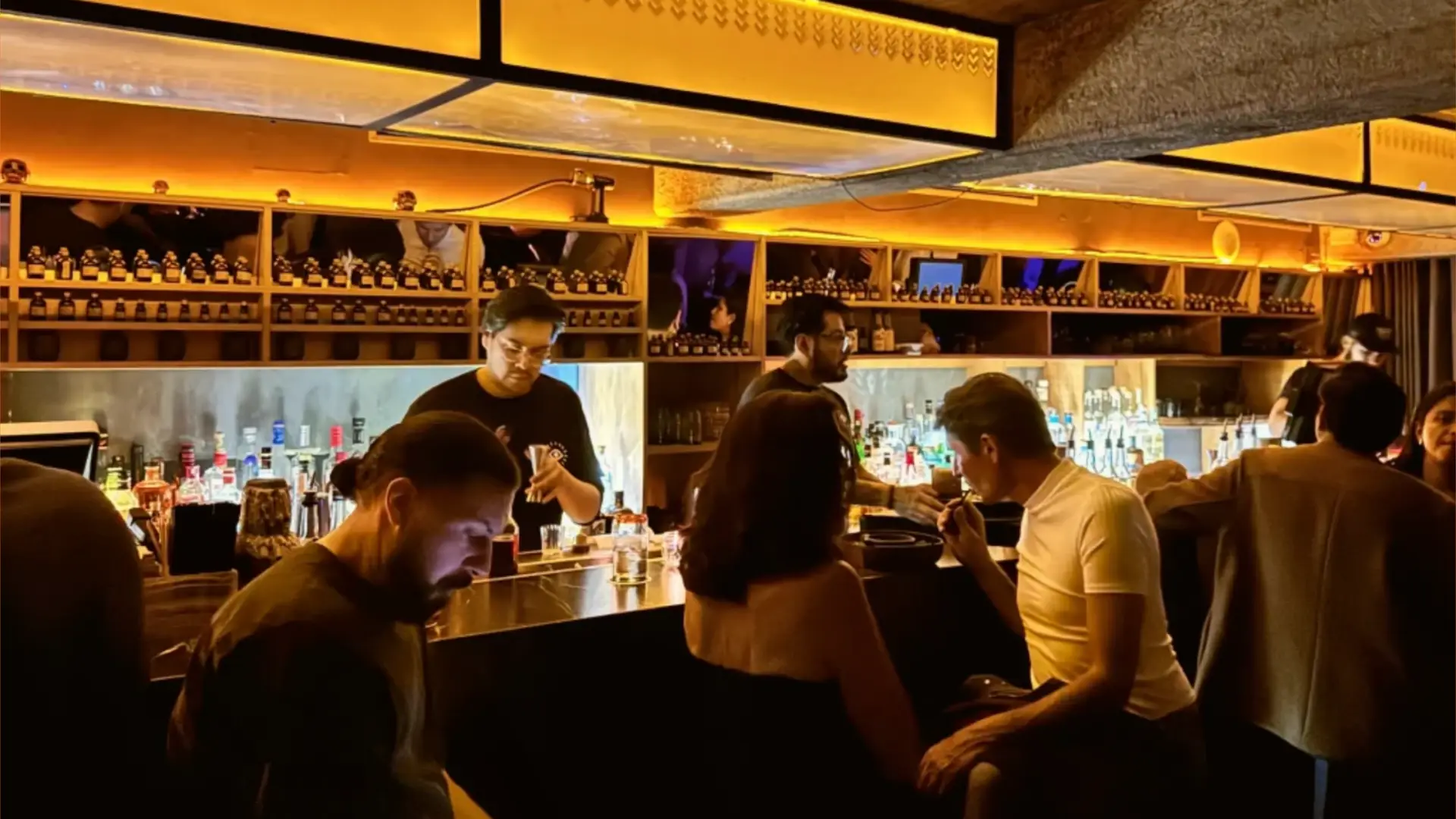
Standing bars in Mexico often begin operating before a guest finds a seat. In Mexico City, doors open into narrow interiors, sound carries quickly, and the bar counter becomes the anchor point in a room defined by movement rather than arrangement.
Across neighborhoods such as Roma Norte, Juárez, and Centro Histórico, space is limited in ways that shape behavior immediately. Seating exists, but it rarely defines the experience. As the evening progresses, standing becomes the dominant mode of occupancy across standing bars in Mexico. This is not a stylistic decision. It is a response to density.
Cantina Foundations – Iconic Standing Bars in Mexico
The structure of standing service predates the city’s modern cocktail reputation. Traditional cantinas such as Cantina Tío Pepe and La Opera operated as accessible, high-turnover environments where the bar counter functioned as the primary point of interaction.
Guests gathered along the bar, drinks were served directly, and time spent in the space was fluid rather than fixed. Tequila, beer, and simple mixed drinks supported this rhythm, requiring minimal preparation and allowing for continuous service. This pattern established a baseline that continues to influence how space is used today.
Contemporary bars and the shift from seating to flow
Modern cocktail bars in Mexico City have not replaced this structure. They have adapted it. Early service may begin with seated guests, but as demand increases, the space transitions into a standing environment.
At Licorería Limantour, widely recognized within global bar rankings, peak hours reduce the functional role of seating. Guests gather around the bar, creating a dense but navigable space where service continues without interruption.
Handshake Speakeasy, while more controlled in layout, also operates within spatial limits that require careful management of guest movement, particularly during high-demand periods. These environments do not eliminate structure. They redistribute it across the room.
Drinks that hold up under movement
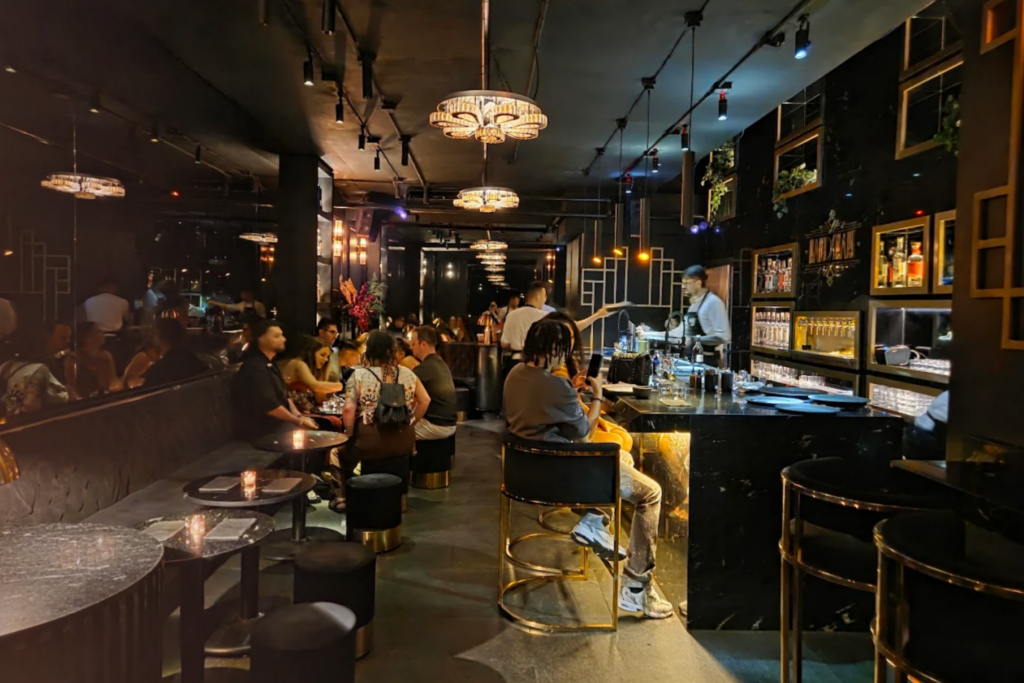
Cocktails served in standing conditions must remain stable and consistent without requiring extended attention. This influences both construction and ingredient selection. Tequila and mezcal-based drinks are well-suited to this format. Their flavor profiles remain clear in relatively simple builds, allowing drinks to be prepared efficiently while maintaining balance.
At Baltra Bar, the menu reflects this approach. Drinks are composed with attention to both flavor and service practicality, ensuring they can be produced and consumed comfortably within a crowded space. Producers such as Casa Dragones and Del Maguey appear within these programs as part of a broader alignment between local spirits and service conditions.
Movement as a defining element of the experience
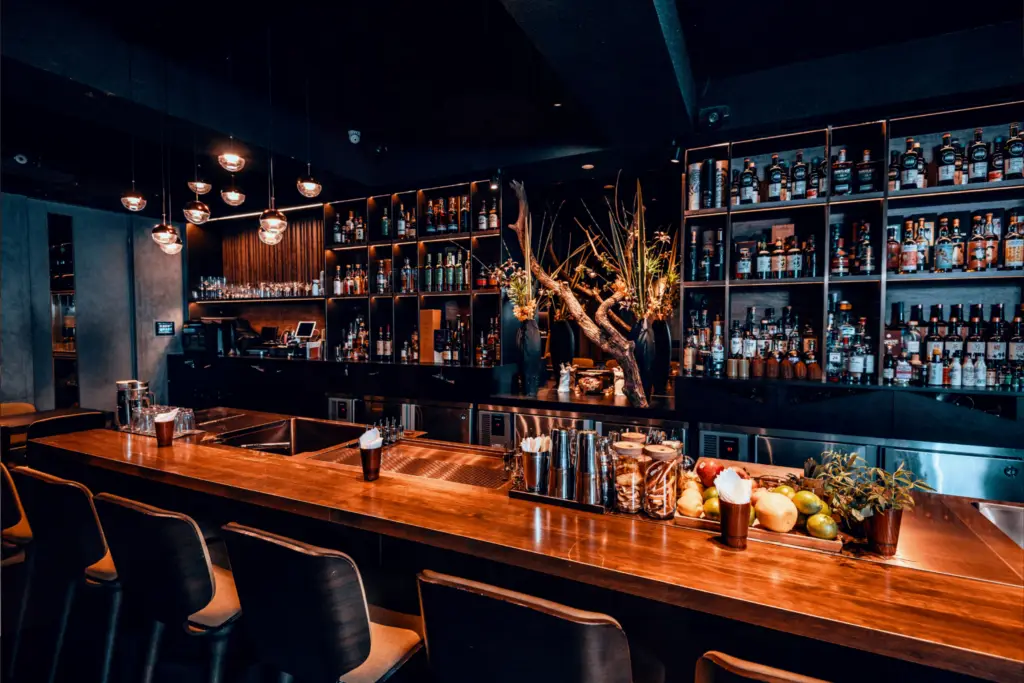
Standing alters how guests interact with the bar. Without fixed seating, positions shift continuously. Conversations form and dissolve as people move, and the bar becomes a central point rather than a destination within the room.
This pattern extends beyond individual venues. In areas such as Roma Norte and Condesa, proximity between bars allows for movement across multiple locations within a single evening. The experience is distributed. It unfolds across spaces rather than remaining contained within one.
Space as an operational constraint
Limited space does not reduce capacity. It reshapes it. Standing allows more guests to occupy the same area, increasing throughput without physical expansion.
Service adapts accordingly. Bartenders prioritize consistency and timing, ensuring that drinks can be produced at a steady pace even as demand increases. Layout, equipment placement, and menu design all support this objective. The result is not informal or unstructured. It is a system built around constraints.
A format shaped by the city itself
Mexico City’s standing bars reflect broader urban conditions. High population density, compact interiors, and strong demand for nightlife create an environment where flexibility becomes essential.
The format persists because it functions effectively within these conditions. It supports both traditional drinking patterns and modern cocktail service without requiring significant structural change. Standing bars in Mexico City demonstrate how the environment shapes hospitality. The absence of seating is not a limitation. It is a mechanism that allows the system to operate at scale.
Drinks, service, and movement align within a framework defined by space. What appears informal is, in practice, highly coordinated. The experience is not built around staying in one place. It is built around moving through many.
Bar
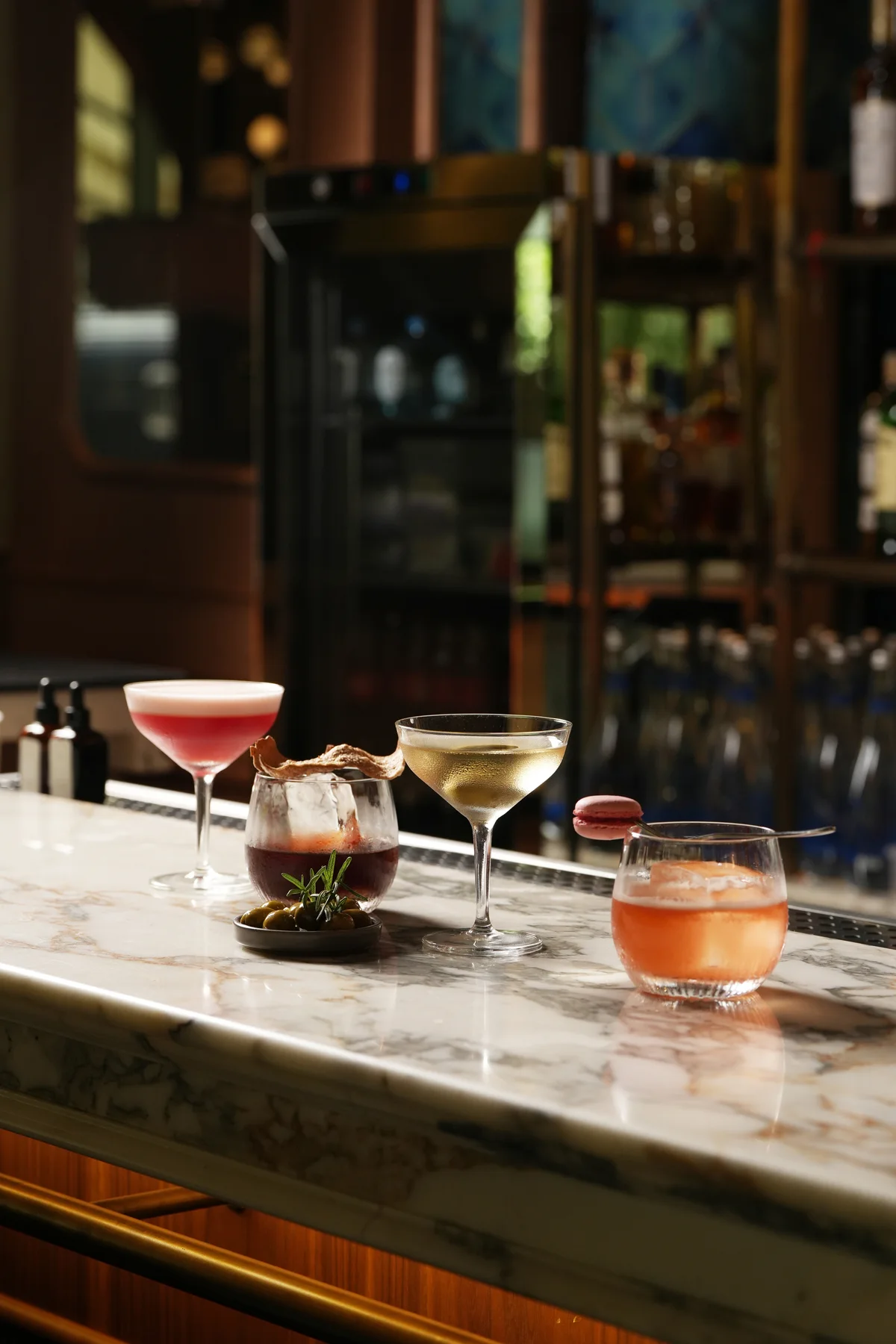
Baltra Bar is an intimate, whimsically themed cocktail lounge nestled in the vibrant Condesa neighborhood of Mexico City.…
Bar
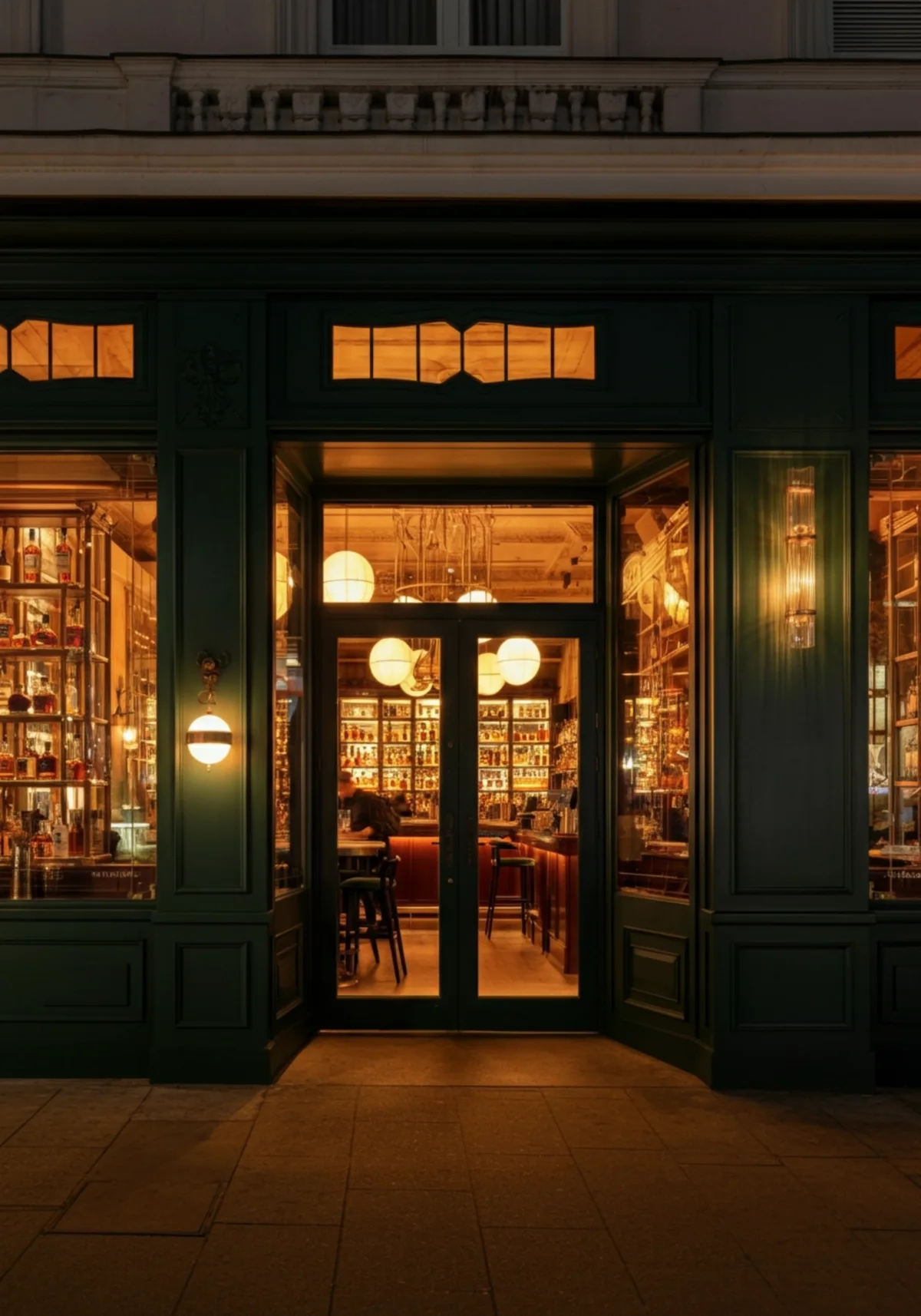
In the heart of Mexico City’s Roma Norte district, where grand Belle Époque mansions stand beside street art…
Bar
In the heart of Mexico City’s upscale Juárez neighborhood, behind an unmarked, discreet wooden door, Handshake Speakeasy has…
Distillery
Del Maguey, pronounced ma-gay, is a revered brand in the world of mezcal, known for its authentic, artisanal…
Distillery
Casa Dragones Distillery, a renowned producer of small-batch tequila, is rooted in passion and dedication to crafting exceptional…
Partnership
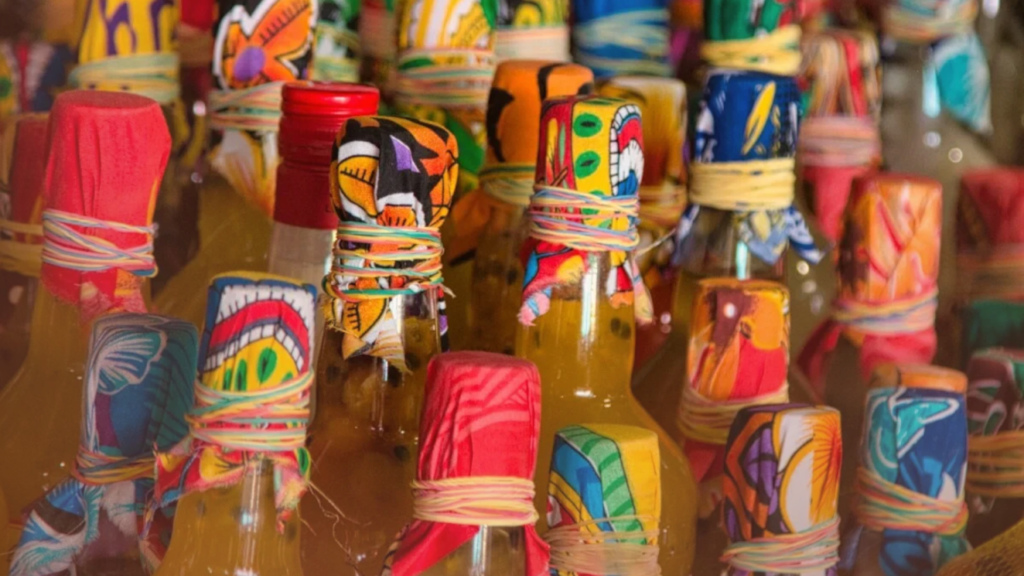
French Guiana Rum: Discovering Pure Cane Juice Spirits Beyond the Caribbean Spotlight
French Guiana is often overlooked in discussions of rum. It does not belong to the Caribbean island chain, and its production is far smaller than that of Martinique or Guadeloupe. Yet its cane-juice tradition holds a distinct place within the French overseas rum world. Located on the north-eastern coast of South America, French Guiana is […]
September 18, 2026
Partnership
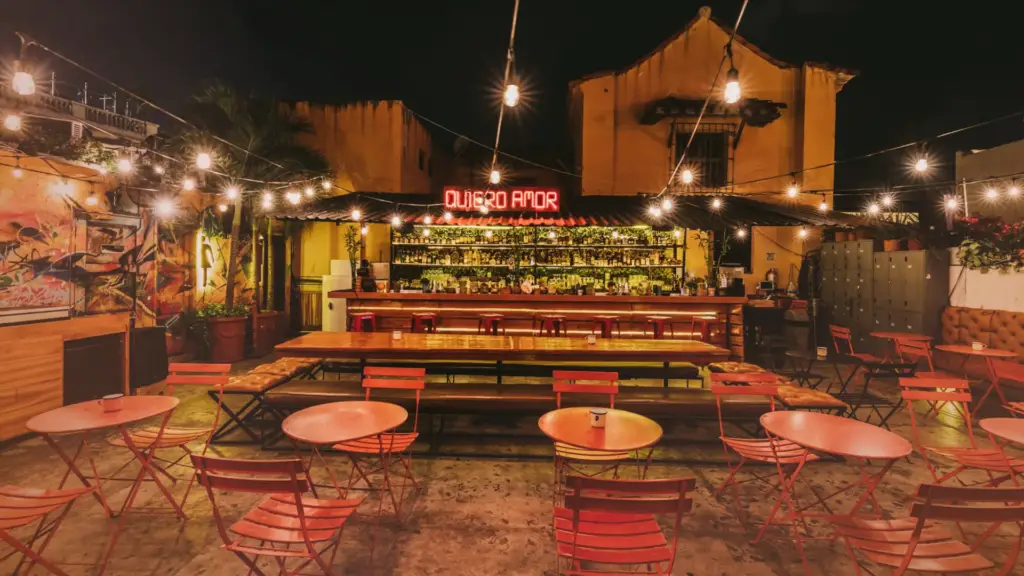
Alquímico in Cartagena: The Multi-Level Bar Where Precision Operates as One System
Within the historic walled city of Cartagena, Alquímico occupies a restored three-storey colonial building that has, since its opening in 2016, evolved into one of the most structurally complex cocktail operations in the world. What appears as a high-energy nightlife destination is, in practice, a fully integrated system combining agriculture, production, and service at scale, […]
September 12, 2026
Partnership
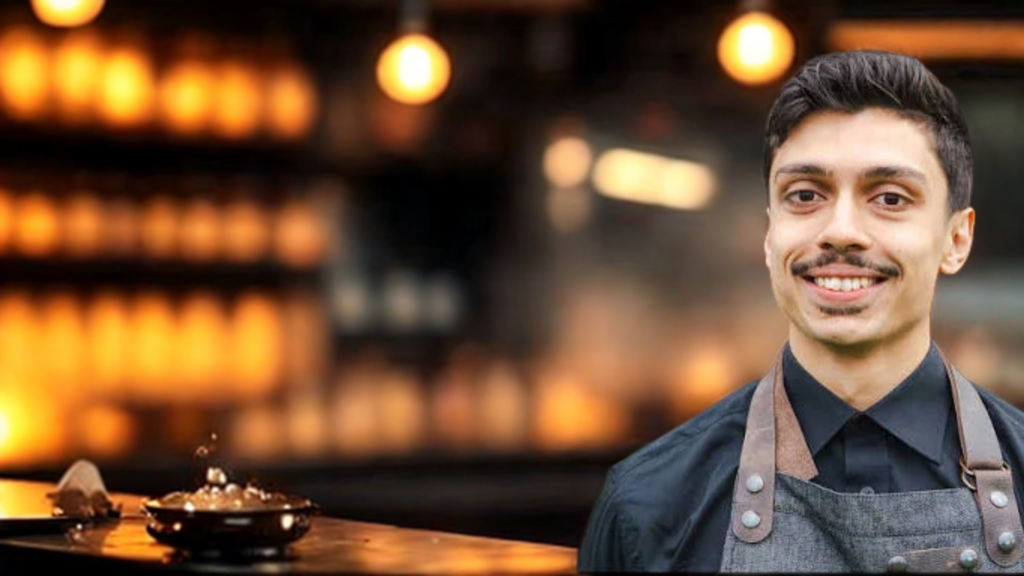
Sam Chatterji: Structure, Education, and the Rise of Indian Bartending on the Global Stage
Sam Chatterji’s work sits inside that transition. His early career was not defined by a single venue, but by movement across training, service, and education. Instead of focusing only on bar programs, he became closely involved in building structure, developing training systems, mentoring bartenders, and connecting local talent to global standards. In a market where […]
September 7, 2026