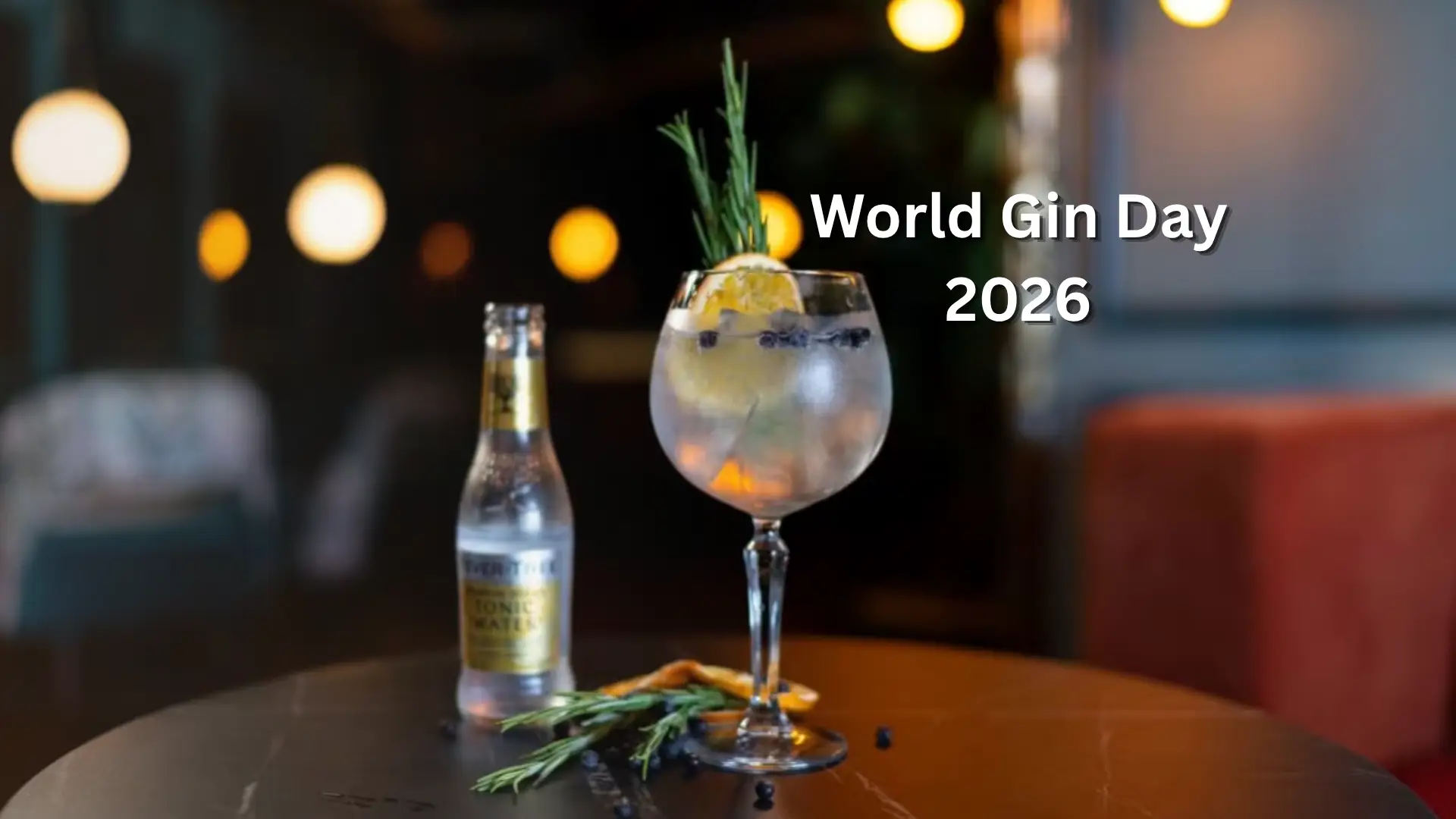
World Gin Day is held on the second Saturday of June. In 2026, it fell on 13 June. The date is modern, but the history gathered around it reaches back through Low Countries distilling, English taxation, 18th-century social crisis, industrial production, cocktail culture, and the international revival of botanical spirits.
The event began in Birmingham in 2009, when Neil Houston organised a gathering among friends around a shared interest in gin. Emma Stokes helped bring the occasion to London the following year at Graphic in Soho. In 2013, she formally took responsibility for World Gin Day and developed it into an event observed across numerous countries.
Its expansion coincided with a major change in gin itself. By the early 2000s, distillers, bartenders, writers, and historians were giving renewed attention to juniper, botanical production, older gin styles, and regional interpretation. World Gin Day became part of that movement, but its real value lies beyond annual promotion. It offers a fixed point from which the category’s changing identity can be documented.
Gin has carried many meanings. It has been linked to medicine, war, taxation, poverty, industrial progress, colonial trade, cocktails, and modern regional distilling. Few spirits reveal so clearly how law and society can reshape the meaning of a drink.
Before English Gin Came Genever
Gin did not begin with one inventor or one decisive recipe. Its ancestry belongs to a much wider European tradition of distilling alcohol with juniper and other plants. In the Low Countries, genever developed from grain-based malt wine flavoured with juniper. Its weight, texture, and cereal character distinguished it from the cleaner English dry styles that emerged later. Trade, migration, warfare, and political contact helped introduce English drinkers to Dutch and Flemish juniper spirits.
The English word gin developed from genever and the French genièvre, both connected to juniper. This linguistic relationship is clear, but the history is more complicated than the familiar claim that a single Dutch physician invented gin as medicine. Juniper preparations existed in European medical and distilling traditions long before gin became a commercial category.
English gin emerged through adaptation. It was shaped by domestic grain, taxation, changing still technology, government policy, and the demands of an expanding urban market.
Policy, War, and the Growth of English Gin
After William III and Mary II took the English throne in 1689, political conflict with France helped reduce the position of French brandy in the English market. At the same time, government policies encouraged domestic distillation from grain. These conditions made spirit production more accessible. Grain that was unsuitable for brewing could be converted into alcohol, while small producers and retailers entered a trade that remained weakly controlled.
By the early 1700s, gin had become widely available in London. It was sold through houses, cellars, street stalls, and informal premises. Its low price placed it within reach of people who had little access to security, stable housing, or adequate food. The latter Gin Craze was therefore not simply a story of taste. It was shaped by urban poverty, grain economics, weak regulation, state policy, and rapid population growth.
The Gin Acts and the Failure of Simple Prohibition
Parliament attempted repeatedly to control the trade. The Gin Act of 1736 imposed a heavy duty on retail sales and required sellers to purchase an expensive annual licence. The measure was intended to suppress the market, but it proved extremely difficult to enforce.
Legal licences were rare, while illegal selling continued through disguised premises, private rooms, and informal networks. The legislation did not remove demand. It pushed much of the trade beyond effective control.
The Gin Act of 1751 took a different approach. It strengthened the licensed retail system, restricted the channels through which distillers could sell, and placed greater authority in the hands of local magistrates. Together with rising grain prices and broader economic changes, it helped weaken the conditions that had sustained the Gin Craze. This distinction matters. The crisis did not end because one law suddenly solved it. It declined through a combination of regulation, licensing, economics, enforcement, and social change.
Hogarth and the Image of Gin Lane
In 1751, William Hogarth published the paired prints Beer Street and Gin Lane. The first presented beer as orderly, prosperous, and English. The second depicted a neighbourhood collapsing under poverty, neglect, crime, and uncontrolled spirit consumption.
Gin Lane became one of the most recognisable images in drinks history. Yet it should not be read as a neutral picture of everyday London. It was satire and political argument, issued within the same public debate that surrounded the 1751 legislation. Its power came from exaggeration, contrast, and moral warning. Gin was made to represent a wider breakdown in social order.
The image shaped the category’s reputation for generations. Even after production became more controlled, gin remained associated with disorder, urban deprivation, and the phrase “mother’s ruin.” Hogarth did not create that reputation, but he gave it a permanent visual form.
How Technology Changed the Spirit
The gin of the early 1700s was not the same as the cleaner, Dry gin familiar today. Early production often relied on pot stills and spirits with noticeable grain character. Quality could vary widely. During the 1800s, improved rectification and column distillation made it possible to produce cleaner and more neutral base spirits. Distillers could then introduce juniper and other botanicals with greater control.
Coriander seed, citrus peel, angelica root, orris root, liquorice, cassia, and other materials became part of an expanding botanical vocabulary. Their proportions and extraction methods gave individual gins different structures, but juniper remained the defining aromatic centre.
London gin and London Dry gin later became regulated production descriptions rather than geographical protections. A qualifying London gin does not need to be made in London. The term describes how the spirit is produced and what may or may not be added after distillation. This legal distinction is essential. Gin can express place through botanicals and producers, but London gin itself is not an appellation.
Gin and the Development of Cocktail Culture
Gin became central to the modern bar because its botanical character could hold its place beside citrus, fortified wine, bitters, liqueurs, and carbonated ingredients.
The development of the Tom Collins, Martinez, Martini, Gimlet, Negroni, Clover Club, Aviation, and White Lady reflects different periods in gin history. Some older structures were associated with genever or the sweeter Old Tom style, while later versions increasingly relied on dry gin.
These substitutions were not neutral. A malty genever, a sweetened Old Tom, and a dry modern gin create different balances even when the rest of a drink remains unchanged. Cocktail history, therefore, preserves a record of gin’s technical evolution. Changes in spirit style altered the drinks built around it.
World Gin Day: Decline and Revival
By the 1980s and 1990s, gin had lost visibility in several major markets. Vodka had expanded, many historic cocktail structures had fallen out of regular use, and the category was often represented by a narrow group of familiar dry styles.
The revival gathered strength during the late 1990s and early 2000s. Bartenders returned to historic manuals and reconsidered drinks that depended on gin’s botanical structure. Distillers explored local plants, citrus, roots, seeds, herbs, and flowers. Smaller operations also used modern equipment to enter a category once dominated by larger producers.
This expansion made gin more geographically diverse. Producers in Japan, Australia, South Africa, the Mediterranean, North America, and across Europe began interpreting juniper through regional agriculture and local botanical traditions.
The movement also produced confusion. Some heavily sweetened or strongly flavoured products moved close to the boundaries between gin and liqueur. The strongest modern examples remained those that preserved the category’s central requirement: juniper must still provide the principal identity.
From Birmingham to an International Event
World Gin Day appeared at exactly the moment when the category was regaining cultural momentum.
Neil Houston’s original Birmingham gathering in 2009 was small and social. The move to London in 2010 connected the event with a larger bar and drinks community. Emma Stokes’s formal leadership from 2013 gave it continuity and an increasingly international reach.
Its growth was shaped by the communication systems of the period. Historic spirits’ reputations had travelled through merchants, newspapers, ships, hotels, and printed manuals. World Gin Day travelled through online publishing, social platforms, bar networks, distiller relationships, and public events.
The shared date gave the occasion unity, but local interpretation gave it meaning. Different regions could use the day to examine their own botanical materials, distilling histories, legal structures, and relationships with juniper.
What World Gin Day 2026 Can Preserve
Annual drinks days often become temporary marketing exercises. World Gin Day is more useful when it records change. It can document new production regions, disappearing brands, restored distilleries, revised regulations, agricultural pressures, botanical sourcing, and shifts in cocktail culture. It can also challenge myths that continue to flatten gin’s history.
Gin was not invented at one moment by one doctor. Genever is not simply an old name for London Dry. The Gin Craze was not caused by individual behaviour alone. London gin does not have to be made in London. Correcting these ideas gives the event historical value. It turns an annual date into a recurring examination of how the category is being produced, regulated, and understood.
World Gin Day began with a group of friends in Birmingham in 2009. Its growth followed the wider revival of a spirit that had already survived political panic, restrictive legislation, industrial change, declining popularity, and repeated reinvention.
Gin’s continuity rests on juniper, but its history cannot be reduced to one botanical. It belongs equally to the Low Countries, London’s 18th-century streets, 19th-century distilling technology, international cocktail culture, and the regional producers who continue to reinterpret it. The event matters most when it keeps those histories connected. World Gin Day is recent. The record it carries is not.

Cocktail
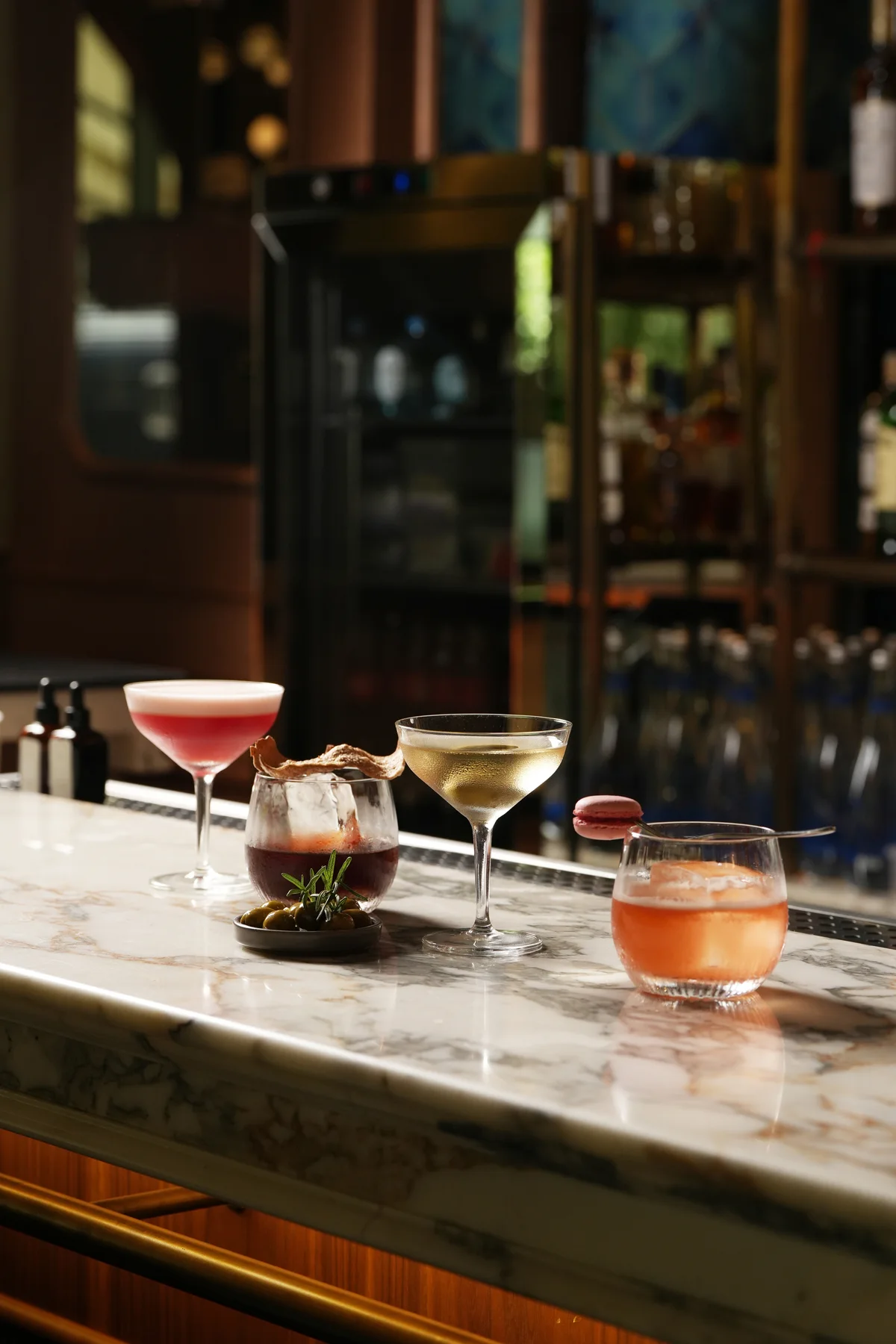
The Martini is perhaps the most iconic cocktail in the world, a symbol of elegance, sophistication, and modernity.…
Cocktail
The Tom Collins is one of the great classic highball cocktails, beloved for its refreshing balance of gin,…

Spirit
Gin Lane 1751 London Dry Gin embodies the rich heritage and intricate craftsmanship associated with traditional gin-making. Crafted…
Spirit
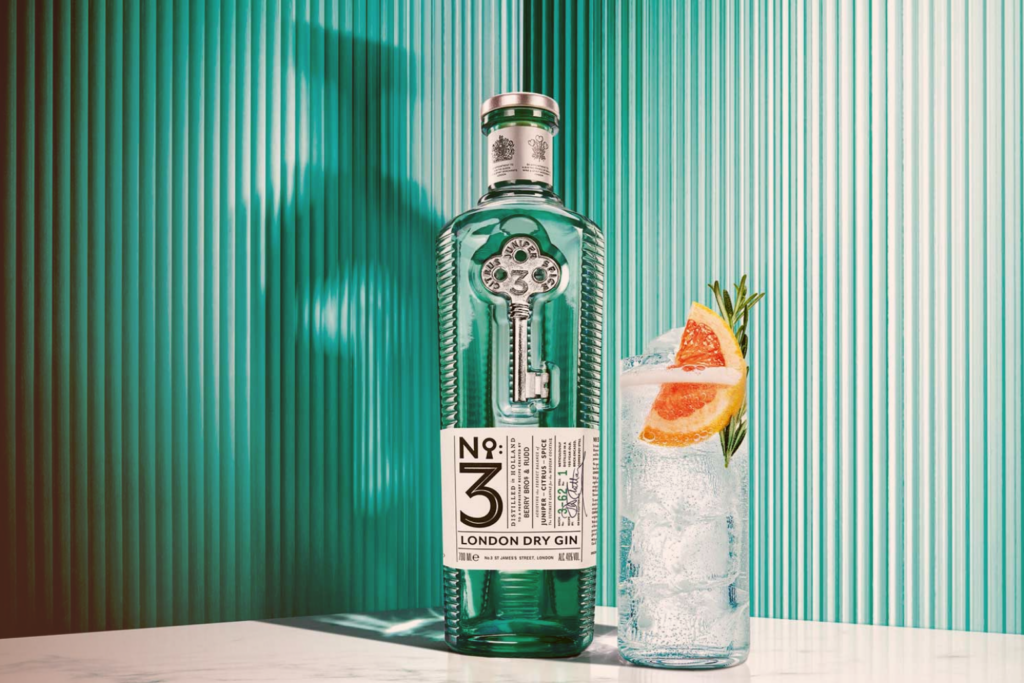
N°3 London Dry Gin is a pinnacle of traditional gin craftsmanship, created by the esteemed Berry Bros. &…
Spirit
Gin Lane 1751 Cucumber Watermelon Mint Gin
Cucumber Watermelon Mint Gin is a refreshing spirit that captures the essence of summer with its vibrant flavors.…
Spirit
Gin Lane 1751 Old Tom Gin offers a delightful journey into the world of gin, crafted with attention…
Spirit
Gin Lane 1751 London Dry Royal Strength Gin
Gin Lane 1751 London Dry Royal Strength Gin embodies a meticulous approach to crafting gin that is both…
Trending
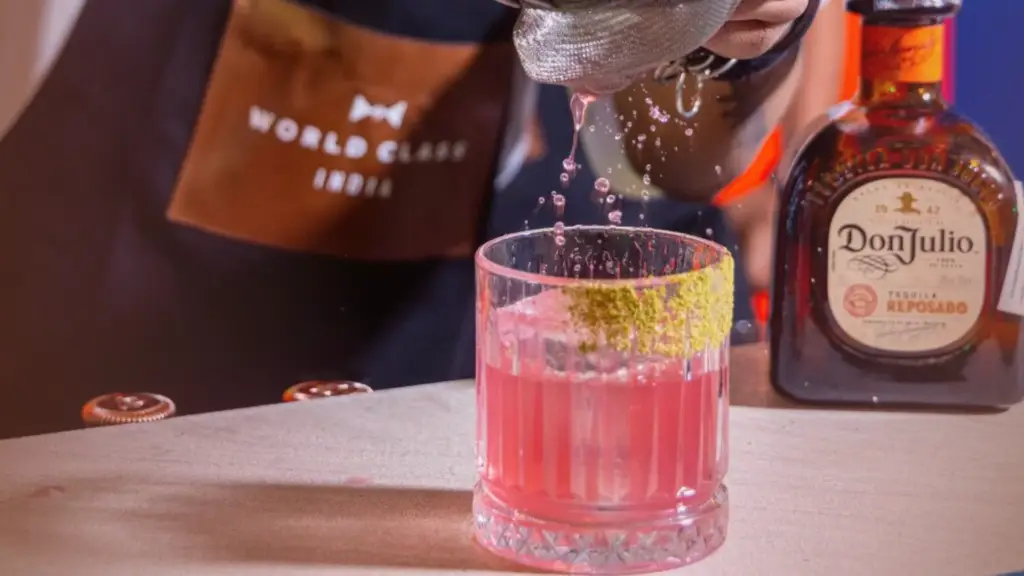
World Class 2026 and Dubai’s Rise as a Global Cocktail Culture Hub
From bartender competition to global industry platform The modern cocktail world has developed far beyond the traditional image of the bartender as a skilled server behind a bar. Over the past two decades, bartending has increasingly been recognised as a professional discipline built on technical knowledge, hospitality, creativity and a deeper understanding of spirits. Few […]
September 8, 2026
Partnership
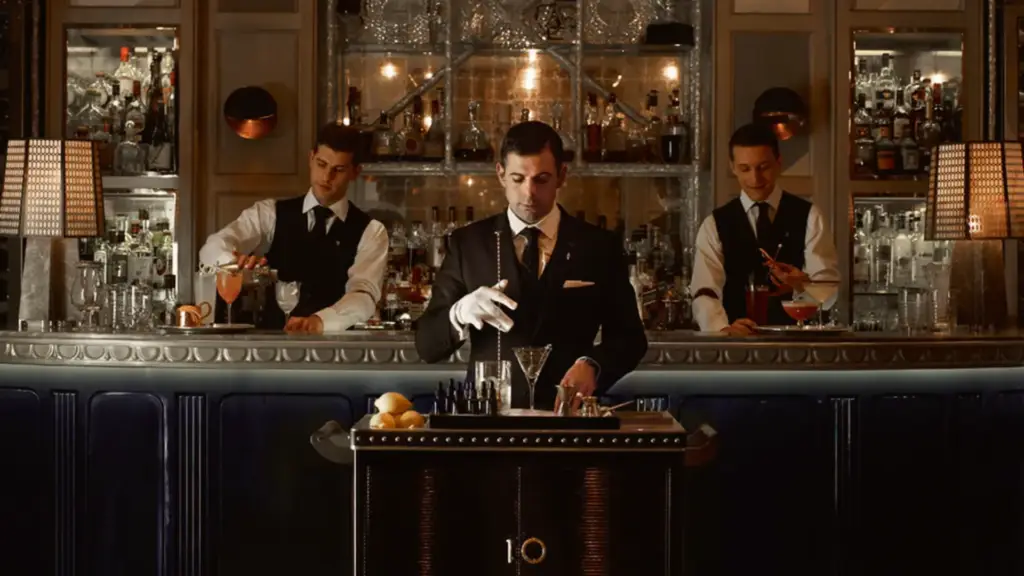
The Connaught Bar: Precision, Ritual, and the Martini That Set the Standard
Some bars are defined by their drinks. Others by their atmosphere. At Connaught Bar, it is service that holds everything together. Tucked within The Connaught in London, the bar has, over time, established itself as a reference point for what modern classic bartending can look like when precision and ritual are treated as inseparable. This […]
August 1, 2026

Partnership
Craft and the Discipline Behind Modern Bartending
Craft in bartending is sometimes presented as a recent movement, but the habits it describes are much older than the modern language surrounding them. Careful preparation, command of tools, responsible handling of ingredients and consistency during service have long distinguished serious bar work. Craft is therefore best understood not as a fashion or visual style, […]
July 21, 2026